
Navigating the landscape of divorce can feel like embarking on an unplanned, challenging journey, far removed from the scenic routes and exciting destinations typically explored on Life Out Of The Box. Yet, just like any significant life transition, understanding the process, preparing for the road ahead, and envisioning a new destination are crucial. For those facing the difficult decision of ending a marriage in the Golden State, this guide will illuminate the path through California’s divorce proceedings, offering insights into the legal steps, financial considerations, and emotional well-being that can help you move towards your next chapter with clarity and confidence. Think of it as planning a very personal and impactful itinerary, where the ultimate goal is not just an endpoint, but the beginning of a revitalized lifestyle.
Understanding the Landscape: California’s Residency and Legal Framework
Before you can chart a course towards a new beginning, it’s essential to understand the foundational requirements for filing for divorce in California. Just as a trip requires a valid passport or visa, your divorce journey starts with meeting specific residency criteria. California is a “no-fault” state, meaning that you do not need to prove marital misconduct (like adultery or abandonment) to obtain a divorce. The only grounds required are “irreconcilable differences” that have led to the irreparable breakdown of the marriage, or, in rare cases, incurable insanity. This approach simplifies the emotional burden, allowing couples to focus on practical arrangements rather than assigning blame.
Initial Steps: Residency and Grounds for Dissolution
To initiate the divorce process, officially known as a “Dissolution of Marriage” in California, at least one spouse must meet the state’s residency requirements. This means one spouse must have resided in California for at least six months and in the specific county where the petition is filed for at least three months immediately prior to filing. For instance, if you’ve spent the past seven months living in Los Angeles County, you meet the requirement to file there. If you and your spouse lived in San Francisco for five months before moving to San Diego for two months, you might need to wait another month in San Diego County before filing.
These residency rules are non-negotiable and are often among the first considerations for individuals looking to change their marital status, particularly if one partner has recently relocated. It’s akin to checking the entry requirements for a foreign destination; without meeting them, your journey cannot begin.
Navigating the Legal System: From Petition to Service
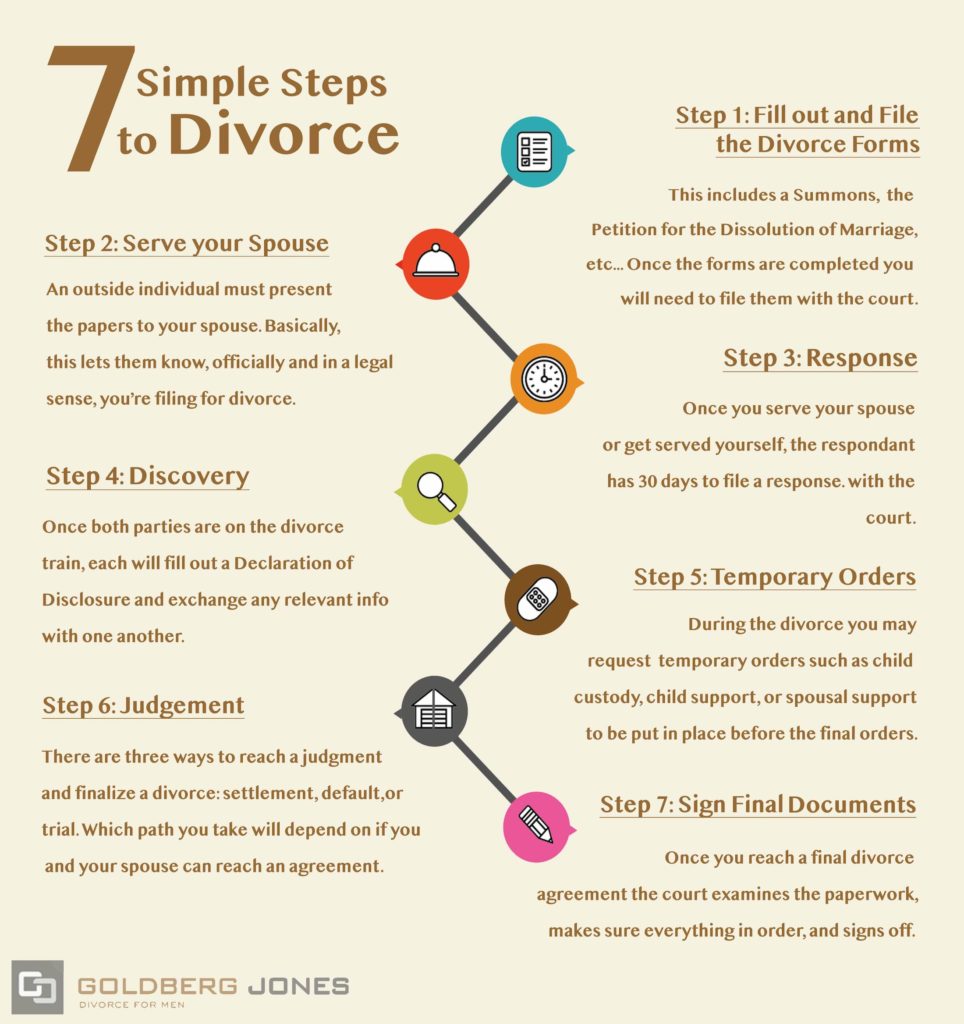
Once residency is established, the formal journey begins with filing a Petition for Dissolution. This document, officially Form FL-100, is submitted to the Superior Court in the appropriate county. The petition outlines basic information about the marriage, any children involved, and what the filing spouse is requesting regarding child custody, visitation, child support, spousal support, and property division. Think of this as your initial travel itinerary, setting out your desired route and stops along the way.
After the petition is filed, a copy, along with a Summons (Form FL-110), must be legally “served” to the other spouse. Service formally notifies the other party of the divorce action and gives them a deadline to respond. This critical step ensures due process and allows both parties to participate in the proceedings. Service can be completed by a third party, such as a process server or a friend over 18 who is not involved in the case. Personal service is the most common method, though other options exist. Proper service is paramount; without it, the court cannot proceed with the divorce, similar to how a travel visa might be rejected for incorrect application procedures.
The responding spouse then has 30 days from the date of service to file a Response (Form FL-120) with the court. Their response will confirm or dispute the details in the petition and state their own requests. If a response is not filed within the timeframe, the filing spouse may be able to proceed with a “default” judgment, meaning the court will grant their requests without the other party’s input. However, in most cases, both parties engage, setting the stage for negotiations and discussions, much like two travelers planning a joint itinerary, even if their ultimate destinations differ.
The Financial and Familial Journey: Dividing Assets and Custody
A significant part of the divorce process in California revolves around untangling the shared life that was built. This includes the division of community property and debts, and if applicable, making critical decisions about the future of any children. California is a community property state, which means that any assets or debts acquired by either spouse during the marriage, from the date of marriage until the date of separation, are generally considered community property and are subject to equal 50/50 division. Separate property, acquired before marriage or by gift/inheritance during marriage, remains with the individual owner. This division can be complex, often requiring meticulous financial disclosures and careful valuation, much like an audit of a shared family budget after a long trip.

Financial Disclosure and Property Division
Full and accurate financial disclosure is a cornerstone of California divorce law. Both parties are legally required to exchange detailed financial information, including income and expense declarations, and schedules of assets and debts. This transparency ensures that both spouses have a complete picture of the marital estate, preventing hidden assets or undisclosed liabilities from skewing the final settlement. This phase is crucial for ensuring a fair and equitable division, laying the groundwork for each individual’s financial independence post-divorce.
Dividing assets can range from straightforward bank accounts and vehicles to complex portfolios, real estate, and business interests. A marital home, for instance, might be sold with proceeds split, or one spouse might buy out the other’s interest. Retirement accounts often require Qualified Domestic Relations Orders (QDROs) to divide without incurring penalties. Similarly, debts accumulated during the marriage, from mortgages to credit card balances, must also be assigned. Navigating these financial complexities can feel like mapping out intricate routes across different financial landscapes, often requiring expert guidance from financial advisors or attorneys specializing in family law.
Crafting a New Future: Child Custody and Support
For couples with minor children, the focus shifts significantly to their well-being and future. Decisions regarding child custody and visitation (also known as “parenting time”) are paramount, as is establishing child support. California courts prioritize the “best interests of the child” above all else when making these determinations. This principle guides decisions on legal custody (who makes important decisions about the child’s health, education, and welfare) and physical custody (where the child lives).
Custody arrangements can vary widely, from sole custody granted to one parent to various forms of joint custody, where both parents share responsibilities. Developing a detailed parenting plan that outlines holiday schedules, summer vacations, and daily routines is essential. Many families find that a collaborative approach or mediation can help craft a parenting plan that best suits their children’s needs, ensuring continuity and stability even amidst significant change. This process is about building a new family travel plan, ensuring the children’s journey through this transition is as smooth and supportive as possible.
Child support, determined by state guidelines, is calculated based on several factors, including both parents’ incomes, the percentage of time each parent spends with the children, and deductions for expenses like health insurance or union dues. The goal is to ensure children continue to benefit from the financial support of both parents, maintaining a consistent quality of life regardless of the parents’ marital status.
Spousal Support: A Bridge to Independence
Spousal support, often referred to as alimony, may be ordered in a California divorce case to help one spouse maintain a reasonable standard of living during and after the divorce, particularly if there’s a significant disparity in income or earning capacity. The purpose is not to punish but to ensure the supported spouse has the means to become self-sufficient. For marriages of less than 10 years, spousal support is typically awarded for a period equal to half the length of the marriage. For marriages of 10 years or more (a “long-term marriage”), the court retains jurisdiction indefinitely, and support may be ordered for a longer or indefinite period.
The court considers numerous factors when determining spousal support, including the marital standard of living, each party’s earning capacity, the supporting spouse’s ability to pay, the age and health of the parties, and the extent to which one spouse contributed to the other’s education or career. This aspect of divorce planning is much like devising a transitional budget or finding temporary accommodation at a comfortable boutique hotel while searching for a long-term residence, providing the necessary stability to bridge the gap to a new, independent financial reality.
Beyond the Courtroom: Alternative Paths and Emotional Well-being
While the legal framework provides the structure for divorce, the human element—emotional well-being, communication, and reaching agreements—is equally vital. Not every divorce requires a contentious courtroom battle. Many couples find more amicable and cost-effective ways to dissolve their marriage, focusing on cooperation rather than conflict. These alternative dispute resolution methods can significantly ease the transition, allowing individuals to maintain a sense of control and dignity throughout the process.
Seeking Resolution: Mediation and Collaborative Divorce
Mediation is a process where a neutral third party, a mediator, facilitates discussions between spouses to help them reach mutually agreeable decisions on all divorce-related issues. The mediator does not make decisions but guides the conversation, helps identify solutions, and ensures fair consideration of both parties’ interests. This approach can be particularly beneficial for couples who wish to maintain an amicable relationship, especially if they have children. It’s often more private, less expensive, and less adversarial than traditional litigation. Think of a mediator as a seasoned travel guide, helping you navigate difficult terrain and find common ground for your respective journeys.
Collaborative Divorce involves both spouses and their respective attorneys agreeing to work together, outside of court, to reach a settlement. Each spouse retains an attorney specifically trained in collaborative law, and all parties sign an agreement not to go to court. If the collaborative process fails, both attorneys must withdraw, and the parties must hire new counsel to pursue litigation. This commitment encourages open communication and a shared goal of finding a constructive resolution, fostering an environment of respect and cooperation, similar to planning a complex group tour where everyone agrees to avoid conflict for the good of the experience.
For those situations where spouses can agree on all terms, an Uncontested Divorce is possible. If both parties sign a marital settlement agreement (MSA) covering all issues (property, debts, support, custody), the court can approve it without the need for court appearances, making the process faster and less costly. This is the equivalent of a perfectly planned luxury travel itinerary, where every detail is accounted for, and the journey is seamless.
Embracing a New Chapter: Lifestyle and Self-Care
Beyond the legalities, a divorce is a profound life transition that necessitates a focus on personal well-being and the creation of a new lifestyle. This period can be incredibly challenging, but it also presents an opportunity for self-discovery and growth. Many individuals find solace in travel, whether it’s a restorative getaway to a wellness retreat in Palm Springs, a cultural immersion in a vibrant city like San Francisco, or a solo adventure exploring the natural beauty of Yosemite National Park.
Prioritizing self-care during this time is not a luxury but a necessity. This might involve reconnecting with hobbies, engaging in new activities, or seeking professional support from therapists or support groups. Rebuilding social networks, exploring new local attractions, or even embarking on a new educational pursuit can help redefine your identity and rediscover joy. Whether it’s finding a cozy apartment rental for a fresh start, experimenting with budget travel to stretch newly separated finances, or planning family trips that accommodate new co-parenting dynamics, this period is about redesigning your personal itinerary.
This is also an opportune moment to reconsider financial planning, perhaps working with an advisor to set new goals, whether for future investments, purchasing a new home, or planning for dream travels. Just as you might research the best accommodation options for a solo trip or scout out various destinations for a post-divorce adventure, taking deliberate steps to plan your financial and personal future is empowering.
Finalizing Your Journey: The Judgment and Life Beyond
The culmination of the divorce process is the final judgment, which legally dissolves the marriage and formalizes all agreements made regarding property, support, and custody. This marks the official end of one chapter and the definitive start of another.
Receiving Your Final Judgment
Even after all forms are filed and agreements are reached, there is a mandatory six-month waiting period in California from the date the respondent was served or first appeared in the case (whichever comes first) before the divorce can be finalized. This cooling-off period is designed to give couples time to reconsider or finalize any outstanding issues. Once this period has passed, and all necessary paperwork (including the Judgment, Form FL-180) has been submitted and approved by the court, the judge will sign the final decree. This document is your official confirmation of the dissolution of marriage, akin to receiving your final boarding pass after a long journey.
The Judgment will incorporate all orders relating to child custody and support, spousal support, and the division of community property and debts. It is a legally binding document that both parties must adhere to. Having a comprehensive and clear judgment is essential, much like having a detailed map that clearly outlines all routes and landmarks for your future travels.
Planning Your Next Adventure
With the legal process concluded, you are officially single and free to embark on your next adventure. This might involve embracing new destinations, exploring different types of accommodation – from the tranquility of a resort to the practicality of an apartment – or redefining your lifestyle. Many individuals find that post-divorce is an ideal time to explore tourism opportunities they previously put off, whether it’s a solo expedition to the Grand Canyon or a reconnection trip with old friends in Napa Valley.
Consider the freedom to plan trips tailored precisely to your interests, whether it’s a business stay for a new career opportunity in Sacramento, or a leisurely exploration of California’s iconic landmarks like the Golden Gate Bridge or the beaches of Santa Monica and Malibu. This newfound independence is an invitation to craft a life that genuinely reflects your desires, passions, and dreams.
In conclusion, while the journey to get a divorce in California is undoubtedly complex and emotionally charged, it is a structured legal process that, with careful navigation, leads to a new horizon. By understanding each step, seeking appropriate guidance, and prioritizing personal well-being, you can successfully traverse this significant life transition, ultimately opening the door to a fulfilling and independent future, ready for whatever adventures lie ahead.
LifeOutOfTheBox is a participant in the Amazon Services LLC Associates Program, an affiliate advertising program designed to provide a means for sites to earn advertising fees by advertising and linking to Amazon.com. Amazon, the Amazon logo, AmazonSupply, and the AmazonSupply logo are trademarks of Amazon.com, Inc. or its affiliates. As an Amazon Associate we earn affiliate commissions from qualifying purchases.