
Embarking on a new career path can be one of life’s most exciting adventures, akin to planning an unforgettable trip to a dream destination. For many, the allure of the California real estate market represents not just a job, but a gateway to a dynamic lifestyle, financial independence, and the unique opportunity to help others find their perfect place in the Golden State. Whether you dream of selling luxury villas in Beverly Hills, charming apartments in San Francisco, or serene homes near the pristine beaches of Malibu, obtaining your real estate license in California is the essential first step. This comprehensive guide will walk you through the entire process, detailing the requirements, steps, and valuable insights to help you navigate your journey with confidence and ultimately unlock a rewarding career in one of the world’s most vibrant real estate landscapes.
Understanding the California Real Estate Landscape
California isn’t just a state; it’s a global icon of innovation, culture, and breathtaking natural beauty. From the bustling metropolitan energy of Los Angeles to the tech-driven dynamism of Silicon Valley and the sun-drenched coastal charm of San Diego, the diversity of its regions offers unparalleled opportunities for real estate professionals. This incredible variety means that a career in real estate here isn’t monotonous; it’s an exploration of different communities, architectural styles, and client aspirations, making every day an engaging experience.
The California market is known for its high demand, competitive environment, and significant property values, especially in areas like Orange County and Santa Barbara. This can translate into substantial earning potential for agents who are well-prepared, knowledgeable, and dedicated. It’s a market where understanding local nuances, staying updated on trends, and building strong relationships are key to success. For those passionate about helping people find their ideal long-term stay, whether it’s a family home, an investment property, or a vacation retreat near Palm Springs, the Golden State offers a truly exciting platform.
The Journey to Becoming a Licensed Agent in California
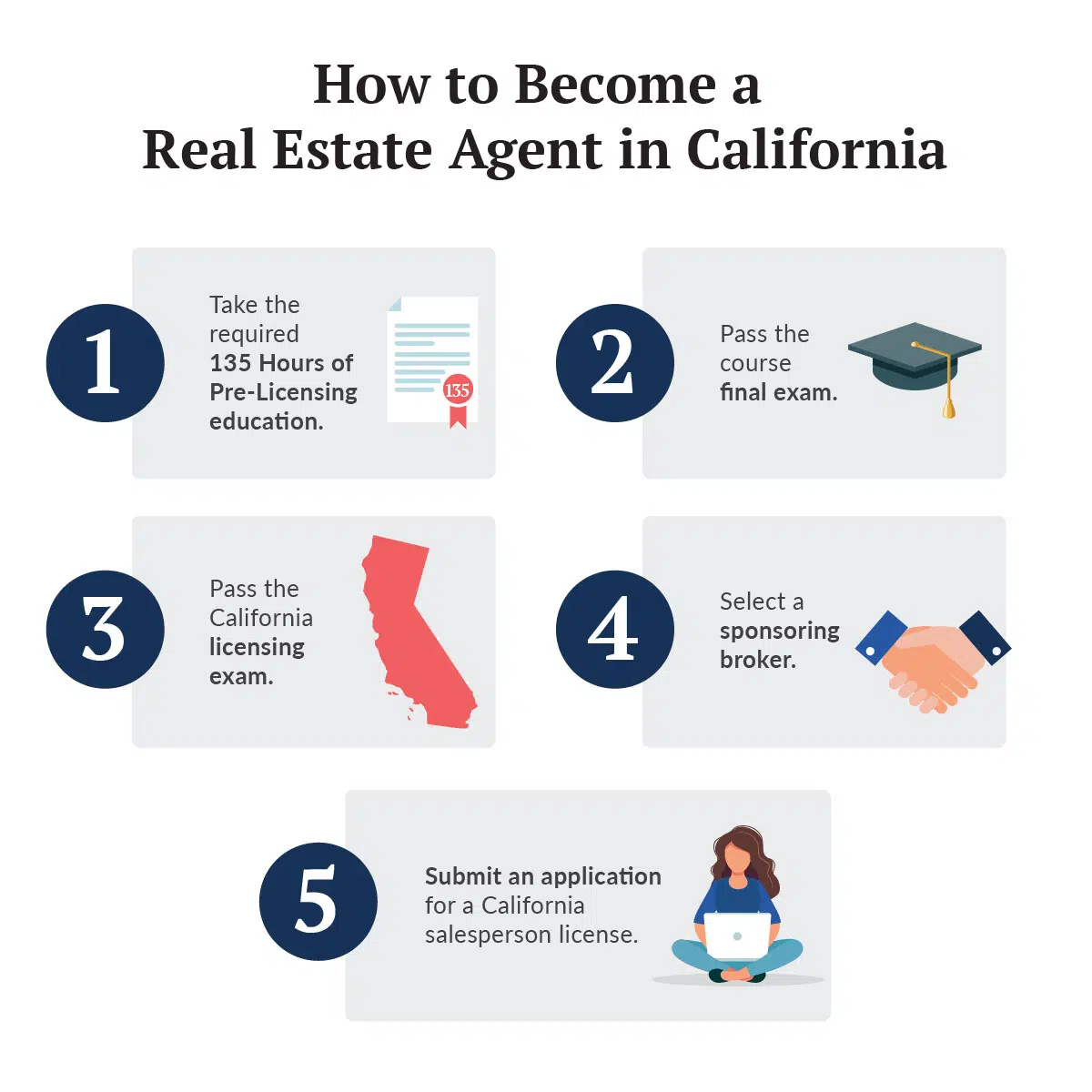
The path to becoming a licensed real estate agent in California is structured yet achievable. It requires dedication to education, meticulous attention to detail during the application process, and strategic preparation for the state examination. The entire process is overseen by the California Department of Real Estate (DRE), which ensures all agents meet stringent professional and ethical standards. Think of it as preparing for an extensive travel guide; you need to know the routes, the necessary documents, and what to expect at each checkpoint.
Meeting the Eligibility Requirements
Before you even consider enrolling in courses, it’s crucial to confirm you meet the basic eligibility criteria set forth by the DRE. These are foundational for maintaining the integrity and professionalism of the real estate industry.
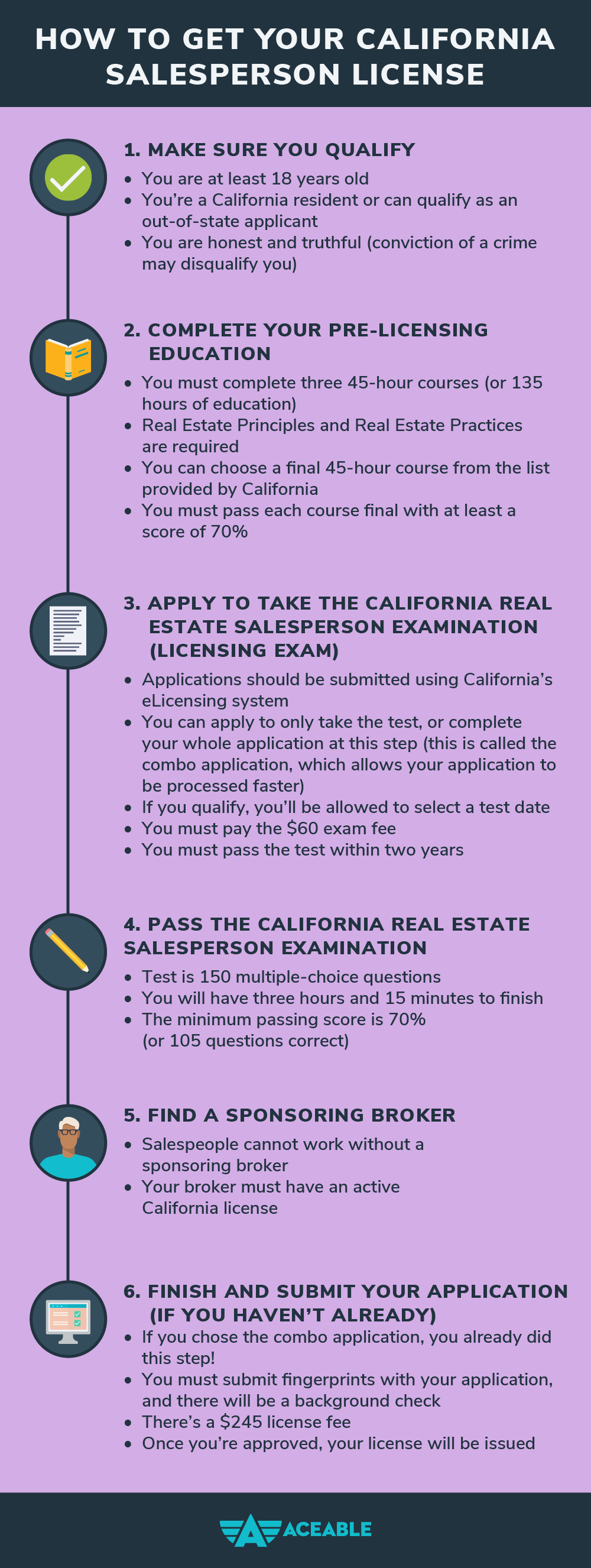
- Age Requirement: You must be at least 18 years old to apply for a real estate license in California. This is a straightforward requirement, ensuring maturity and legal capacity to enter into contracts.
- Residency: You do not need to be a resident of California to obtain a license, though the vast majority of applicants naturally are. However, if you are not a resident, you will need to complete a “Consent to Service of Process” form, which essentially appoints the DRE Commissioner as your agent for service of process in California if any legal action arises.
- Honesty and Integrity: This is perhaps the most critical, and sometimes the most complex, requirement. The DRE evaluates applicants for their honesty, truthfulness, and general good character. If you have a criminal record, especially one involving moral turpitude or dishonesty, it could impact your eligibility. The DRE will conduct a thorough background check, and any prior convictions or disciplinary actions must be disclosed. Transparency is key here; it’s always better to disclose and explain than to conceal.
Education: The Foundation of Your Career
The educational component is the cornerstone of your real estate career, providing you with the essential knowledge and understanding of the laws, ethics, and practices governing the industry. The DRE mandates the completion of specific college-level courses.
You must complete three courses, each a minimum of 45 hours:
- Real Estate Principles: This foundational course covers the basic concepts of real estate, including property ownership, types of estates, encumbrances, financing, valuation, and land use. It’s like learning the grammar of a new language before you can construct sentences.
- Real Estate Practice: This course delves into the practical aspects of being a real estate agent. It covers agency relationships, contracts, disclosures, marketing, ethics, and escrow procedures. This is where you learn the “how-to” of daily real estate operations.
- One Elective Course: You have a choice here, allowing you to tailor your education slightly to areas of interest. Popular electives include:
- Real Estate Finance: Focuses on sources of financing, loan processes, and mortgage market dynamics.
- Legal Aspects of Real Estate: Provides a deeper dive into real estate law, including property rights, contracts, and landlord-tenant relations.
- Real Estate Appraisal: Covers valuation methods and principles, essential for understanding property values.
- Real Estate Economics: Examines economic factors influencing the real estate market.
- Property Management: Explores the principles and practices of managing various types of properties.
- Real Estate Office Management: Focuses on the administrative and operational aspects of running a real estate office.
- Common Interest Developments: Concentrates on condominiums, planned unit developments, and other shared ownership structures.
These courses can be taken through various accredited institutions, including community colleges, universities, or private real estate schools approved by the DRE. Many aspiring agents opt for online courses, which offer flexibility for those balancing work or other commitments, making it easier to study from anywhere, perhaps even while enjoying a luxury travel experience. Expect to spend a minimum of 2.5 to 3 months completing the required coursework, though many take longer depending on their schedule.
Applying for the State Exam
Once you’ve successfully completed your three required courses, the next step is to submit your application to the DRE to take the state licensing exam. This application package includes several key components:
- Examination Application Form (RE 400): This form collects your personal information and details about your completed education.
- Course Transcripts: Official transcripts or certificates of completion from your real estate schools must be submitted as proof of meeting the education requirements.
- Application Fee: There is a non-refundable fee associated with the examination application. It’s important to check the current fee schedule on the DRE website, as these can change.
- Fingerprint Submission (Live Scan): You must undergo a Live Scan fingerprinting process. This is mandatory for the background check and helps the DRE verify your honesty and integrity. The Live Scan form (RE 237) will need to be taken to an authorized Live Scan vendor, and there will be an associated fee paid directly to the vendor.
After submitting your application, the DRE will review it. This review process can take several weeks, so patience is key. Once your application is approved, you will receive an Authorization to Take Exam (ATE) letter, which will provide instructions on how to schedule your examination. Exam locations are available throughout the state, including in major cities like Sacramento, Los Angeles, and Oakland.

Conquering the California Real Estate Exam
The California Real Estate Salesperson Exam is notoriously challenging, designed to ensure that only well-prepared individuals enter the profession. It’s a 3-hour and 15-minute examination consisting of 150 multiple-choice questions. A passing score requires correctly answering at least 70% of the questions.
The exam covers a broad spectrum of topics, including:
- Property Ownership and Land Use Controls
- Laws of Agency and Fiduciary Duties
- Valuation and Market Analysis
- Financing
- Transfer of Property
- Practice of Real Estate and Disclosures
- Contracts
- Real Estate Math and Calculations
Effective exam preparation is paramount. Many successful candidates utilize dedicated exam prep courses, study guides, and practice tests. The key is not just memorizing facts, but understanding the underlying principles and how they apply in real-world scenarios. Focus on areas where you feel less confident and practice time management to ensure you can complete the exam within the allotted time. Think of it as preparing for a major landmark exploration; you need to study the map, understand the terrain, and be ready for any twists and turns.
Licensing and Beyond: Activation and Renewal
Congratulations! If you pass the state exam, you’re on the cusp of becoming a licensed real estate agent. However, simply passing the exam isn’t the final step to actively practicing real estate.
- License Application: Within one year of passing the exam, you must submit a Real Estate Salesperson License Application (RE 202). This form confirms your intent to obtain the license and includes a license fee.
- Sponsorship by a Broker: To legally engage in real estate activities in California, your license must be “active” and associated with a licensed real estate broker. You cannot operate independently as a salesperson. You will need to find a broker who is willing to sponsor you. This involves submitting a Salesperson Change Application (RE 214) or similar notification from your sponsoring broker to the DRE. Finding the right broker is a significant decision, as they will provide mentorship, training, and office resources. Consider various brokerages, from large national firms to boutique local offices, and look for one that aligns with your career goals and values.
- Continuing Education and Renewal: Your California real estate license is valid for four years. To maintain an active license, you must complete 45 hours of approved continuing education (CE) during each four-year renewal period. These CE courses ensure agents stay updated on legal changes, ethical standards, and evolving industry practices. This commitment to ongoing learning ensures that California real estate professionals remain at the forefront of the industry.
Costs Associated with Obtaining Your License
Like any significant life investment, becoming a licensed real estate agent in California involves various financial commitments. Budgeting for these expenses upfront can help ensure a smooth process.
- Pre-Licensing Education: Expect to pay anywhere from $200 to $600 for the three required 45-hour courses. Online schools often offer competitive pricing, sometimes bundling all three courses.
- Examination Application Fee: The fee for applying to take the state exam is typically around $60.
- Live Scan Fingerprinting Fee: This cost can vary but is generally between $50 and $70, paid directly to the Live Scan provider.
- License Application Fee: Once you pass the exam, the initial salesperson license fee is usually around $245.
- Brokerage Start-up Costs: Once licensed and affiliated with a broker, you might incur additional costs such as:
- REALTOR® Association Dues: While not mandatory, joining the National Association of REALTORS® (NAR) and the California Association of REALTORS® (CAR), along with your local board, provides valuable resources, advocacy, and a recognizable professional designation. Annual dues can range from $500 to $1000+.
- Multiple Listing Service (MLS) Fees: Access to the MLS, the primary database for property listings, is crucial. These fees are usually paid quarterly or annually and can range from $100 to $200 per quarter.
- Marketing Materials: Business cards, website, photography, and other promotional tools are essential for building your brand.
- Errors and Omissions (E&O) Insurance: Many brokers require their agents to carry E&O insurance, which protects against claims of negligence or mistakes.
While these costs represent an initial investment, the potential for a fulfilling and lucrative career often far outweighs the upfront expenses.
Advantages of a California Real Estate Career
Beyond the financial prospects, a career in California real estate offers a multitude of lifestyle advantages that resonate deeply with the themes of exploration, freedom, and personal growth.
- Flexibility and Autonomy: Unlike many traditional 9-to-5 jobs, real estate often provides significant flexibility. You can set your own schedule, manage your client appointments, and largely control your work-life balance. This autonomy can be incredibly appealing, allowing you to design a lifestyle that integrates your passion for travel, family commitments, or other interests. Imagine being able to take a short trip to a charming hotel or resort in Napa Valley during a slower week, knowing you have the power to adjust your work accordingly.
- Unlimited Earning Potential: Your income as a real estate agent is directly tied to your efforts, skills, and market savvy. There are no caps on what you can earn, especially in a high-value market like California. This commission-based structure can be highly motivating, allowing dedicated agents to achieve substantial financial success and, in turn, afford more enriching lifestyle choices, whether it’s more frequent travel or investing in a dream home.
- Diverse Market Segments: California’s real estate market is incredibly diverse. You can specialize in residential sales, commercial properties, luxury estates, vacation rentals, new constructions, or even unique properties near famous landmarks. This variety means you can continually learn, adapt, and find a niche that truly excites you. Picture yourself assisting clients in finding a stunning suite with ocean views in Laguna Beach, or helping a developer secure land for a new tourism project near Hollywood.
- Networking and Community Engagement: Real estate is a people-centric business. You’ll constantly be meeting new people—clients, other agents, lenders, inspectors, and contractors. This builds a robust professional network and fosters deep connections within your community. For those who enjoy interacting with diverse individuals and immersing themselves in local culture, this aspect of the job is immensely rewarding.
- Personal Growth and Skill Development: The challenges and opportunities in real estate push you to continuously develop new skills: negotiation, marketing, sales, communication, problem-solving, and market analysis. It’s a career that demands continuous learning and adaptation, making it an intellectually stimulating path for those seeking ongoing personal and professional development.
In conclusion, obtaining your real estate license in California is an investment in your future, opening doors to a profession rich with opportunity and a lifestyle characterized by flexibility and reward. By diligently following the steps outlined, you can confidently navigate the licensing process and embark on a fulfilling journey in the Golden State’s vibrant real estate market, helping others achieve their accommodation dreams while building your own success story.
LifeOutOfTheBox is a participant in the Amazon Services LLC Associates Program, an affiliate advertising program designed to provide a means for sites to earn advertising fees by advertising and linking to Amazon.com. Amazon, the Amazon logo, AmazonSupply, and the AmazonSupply logo are trademarks of Amazon.com, Inc. or its affiliates. As an Amazon Associate we earn affiliate commissions from qualifying purchases.