
Embarking on a journey through the Golden State, whether for its vibrant cities, stunning natural landmarks, or world-renowned tourism experiences, is a dream for many. From the sun-drenched beaches of Los Angeles to the iconic Golden Gate Bridge in San Francisco, California offers an unparalleled array of destinations and attractions. However, for both residents and visitors planning to navigate the state and the broader United States by air, securing a REAL ID has become an essential step. This comprehensive guide will walk you through everything you need to know about obtaining your California REAL ID, ensuring your travel plans, from booking accommodations to boarding flights, are as smooth and stress-free as possible.
The REAL ID isn’t just another form of identification; it’s a federally compliant driver’s license or identification card that signifies a new era of security for domestic air travel and access to federal facilities. For those envisioning lifestyle experiences ranging from luxury travel to spontaneous family trips within the country, understanding and acquiring this document is paramount. Without it, even seasoned travelers might find themselves grounded, unable to board domestic flights or enter certain federal buildings. This guide is crafted to demystify the process, helping you prepare thoroughly for your application and avoid any potential hiccups that could disrupt your Californian adventures.
Understanding the REAL ID Act and Its Implications for California Travelers
The journey to obtaining a California REAL ID begins with a clear understanding of what it is, why it’s necessary, and how it impacts your ability to travel and access federal services. The REAL ID Act, passed by Congress in 2005, established minimum security standards for state-issued driver’s licenses and identification cards and prohibits federal agencies from accepting for certain purposes driver’s licenses and identification cards from states that do not meet these standards. This act was a direct response to the September 11, 2001 terrorist attacks, aiming to enhance security protocols across the nation.
What is a REAL ID and Why Do You Need It?
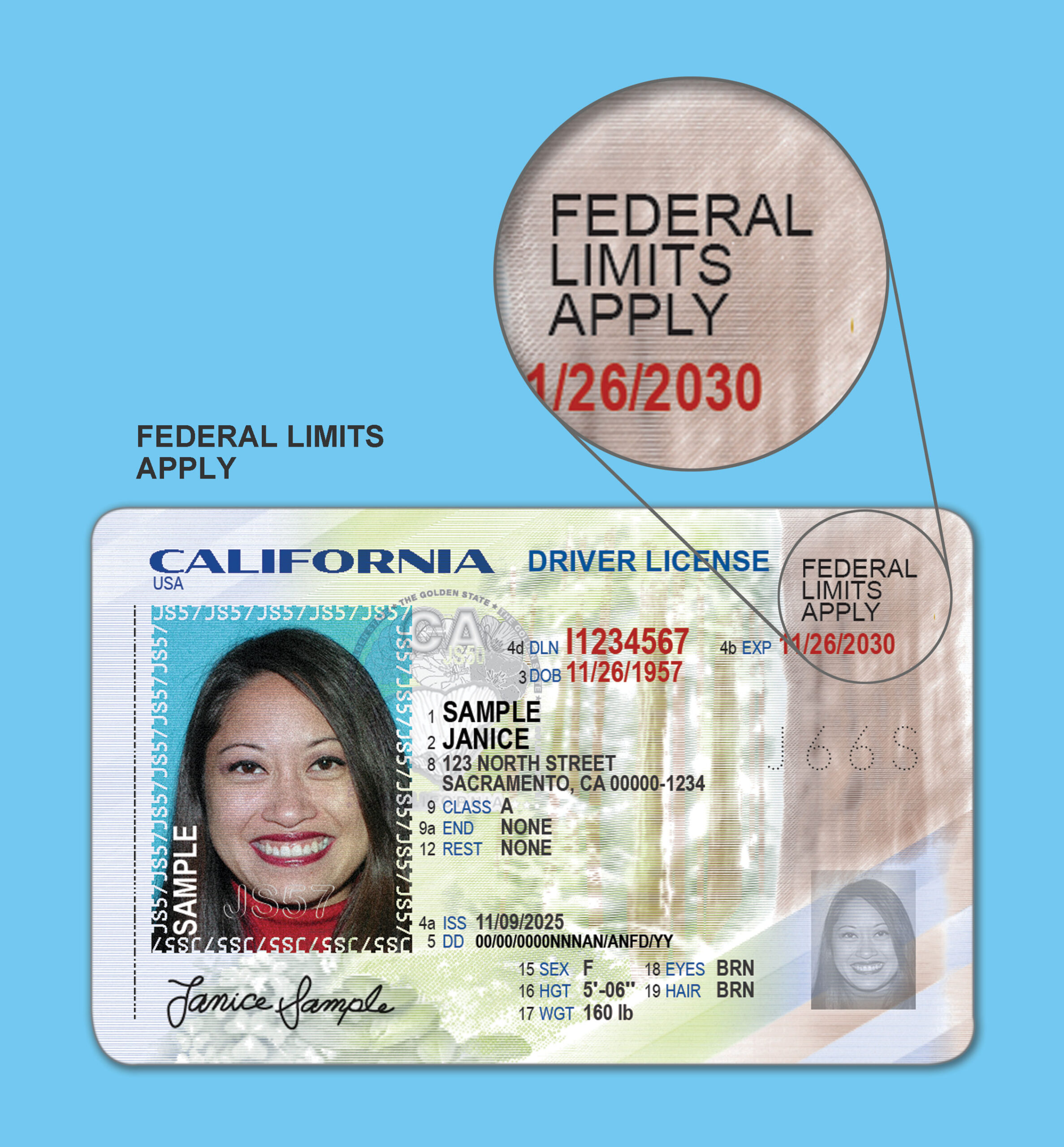
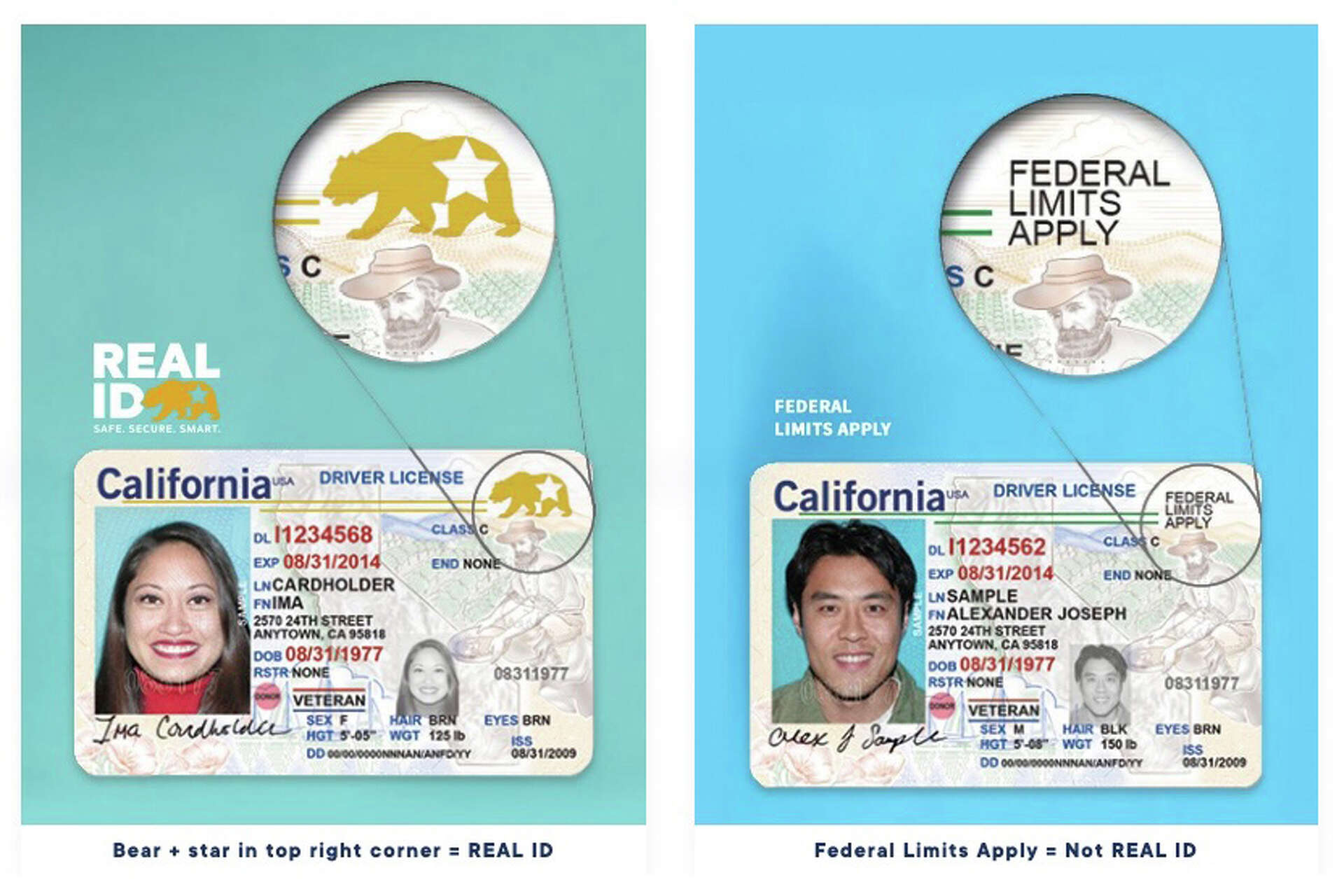
A REAL ID is easily distinguishable by a gold bear and star symbol, usually located in the upper right-hand corner of your California driver’s license or identification card. This emblem signifies that the document meets the stringent security standards set forth by the Department of Homeland Security. For travelers, the primary reason to obtain a REAL ID is its necessity for domestic air travel. After the enforcement deadline, a standard driver’s license will no longer be accepted by the Transportation Security Administration (TSA) for boarding commercial flights. This means that if you plan to fly from Los Angeles to San Francisco, or even out of state to another United States destination, you will need a REAL ID or an alternative federally accepted form of identification, such as a valid passport.
Beyond air travel, a REAL ID is also required for entering certain federal facilities, including military bases, federal courthouses, and other secure government installations. While most tourism activities, such as visiting Disneyland or exploring Yosemite National Park, do not typically require a REAL ID for entry, certain federally operated landmarks or public buildings might. Therefore, possessing a REAL ID provides an invaluable layer of convenience and access for a wide range of activities and experiences across the country. It streamlines processes that might otherwise require additional forms of identification, making your travel and everyday life within the United States considerably smoother.
Key Deadlines and Compliance for Air Travel and Federal Facilities
The initial full enforcement deadline for the REAL ID Act was May 7, 2025. This means that as of this date, all individuals aged 18 and older will need a REAL ID-compliant driver’s license or state identification card, or another acceptable form of identification (like a passport or military ID), to fly domestically within the United States and to access certain federal facilities. While the deadline has seen extensions in the past, it is crucial not to defer your application. Procrastination could lead to significant travel disruptions, particularly during peak seasons when DMV offices may experience higher wait times.
For those planning to stay in hotels or resorts across California or other states, a REAL ID is not typically a requirement for check-in. However, a valid government-issued ID is always necessary. Having a REAL ID simply consolidates your identification needs into one federally recognized document. For business stays or those requiring access to federal buildings for work, the REAL ID becomes indispensable. It’s about being prepared for all contingencies and ensuring that your access to various public and private services remains uninterrupted, contributing to a seamless lifestyle experience, whether you’re working, traveling, or simply navigating daily life.
The Step-by-Step Process to Obtain Your California REAL ID
Acquiring your California REAL ID involves a clear, albeit detailed, process designed to verify your identity and residency. It’s a proactive step that will save you future headaches, especially if you enjoy frequent travel or plan on visiting federal buildings. The key to a smooth application is preparation, ensuring you have all the necessary documents before heading to the California Department of Motor Vehicles (DMV).
Essential Documents Required for Your Application
The DMV requires several categories of documents to issue a REAL ID. It is imperative that these are original documents or certified copies; photocopies are generally not accepted.
-
Proof of Identity: You must provide one document that establishes your true full name and date of birth. This is perhaps the most critical document, as it forms the foundation of your identity verification.
- Examples:
- Valid, unexpired U.S. passport or passport card
- Certified copy of your U.S. birth certificate (note: hospital birth certificates are not accepted)
- Certificate of Naturalization or Certificate of U.S. Citizenship
- Unexpired foreign passport with a valid U.S. visa and approved I-94 Form (for non-citizens)
- Valid Permanent Resident Card (Form I-551)
- Unexpired Employment Authorization Document (EAD) Card (Form I-766)
- Examples:
-
Proof of Residency: You need to provide two different documents showing your California residential address. These documents confirm that you live in the state and at the address you provide.
- Examples:
- Utility bills (gas, electric, water, trash, cell phone)
- Rental or lease agreements
- Mortgage bills or statements
- Homeowners or renters insurance policies
- Bank statements
- Medical documents
- Change of address confirmation by the U.S. Postal Service
- Documents issued by a government agency (e.g., Internal Revenue Service, California Franchise Tax Board, Social Security Administration, Medicare, Medicaid)
- Examples:
-
Proof of Social Security Number (SSN): You must present one document with your full Social Security Number.
- Examples:
- Social Security card
- W-2 form
- SSA-1099 form
- Non-SSA-1099 form
- Pay stub with your name and full SSN
- Examples:
It’s highly recommended to review the official DMV website for the most up-to-date and complete list of acceptable documents, as requirements can sometimes be updated. Bringing more documents than required, especially for identity and residency, can be beneficial in case one document is deemed insufficient. This meticulous preparation is crucial for avoiding multiple trips to the DMV and ensuring a smooth application process.
Preparing for Your DMV Visit: Appointments and Application Forms
Once you’ve gathered all your required documents, the next step is to prepare for your visit to the DMV. Given the potentially long wait times at DMV offices, particularly in major cities like Los Angeles or San Diego, making an appointment is strongly advised. The California DMV offers an online appointment system, which can significantly reduce your waiting time and make the experience far more manageable.
Additionally, you can start the application process online by filling out the REAL ID application form. This online application allows you to pre-fill most of the required information, saving time during your in-person visit. Once completed, you will receive a confirmation code, which you should bring with you to the DMV. While the online application speeds up the process, you still need to visit a DMV office in person to have your documents verified, have your photo taken, and complete any necessary tests (if applying for a new driver’s license or renewing one).
For those traveling a significant distance to a DMV office, consider booking accommodation in a nearby hotel or apartment to avoid rushing. Planning your DMV visit around your travel plans can turn a potentially mundane administrative task into a part of your broader California experience. Remember to bring payment for the application fee, typically by debit card, credit card, cash, or check. By taking these preparatory steps, you can ensure a far more efficient and positive experience in obtaining your REAL ID.
Navigating Common Challenges and Special Circumstances
While the process for obtaining a California REAL ID is generally straightforward with proper preparation, certain situations can introduce additional complexities. Understanding these common challenges and special circumstances can help you prepare more effectively and ensure a smooth application process, especially for those with unique personal histories or residency statuses.
Addressing Name Changes and Identity Discrepancies
One of the most frequent challenges applicants face involves name discrepancies. If the name on your identity document (like your birth certificate) does not match your current legal name (due to marriage, divorce, adoption, or other legal name changes), you will need to provide additional legal documents to prove the name change.
- Acceptable Name Change Documents:
- Marriage certificate
- Divorce decree
- Adoption papers
- Court order for a name change
It is crucial that these documents link your birth name to your current legal name. If you have had multiple name changes, you may need to provide a chain of certified documents that connect each name change. For instance, if you were born with one name, married and took your spouse’s name, then divorced and reverted to your maiden name, you might need both your marriage certificate and your divorce decree. Ensure all documents are original or certified copies. The DMV uses these documents to establish a clear and verifiable link between your identity documents and your current legal identity, which is fundamental to the security standards of the REAL ID Act.
Considerations for Non-US Citizens and International Travelers in California
For non-U.S. citizens residing in California, obtaining a REAL ID is also possible, provided they meet specific eligibility criteria and can present the necessary documentation. The types of documents required will vary based on their immigration status.
- Common Documents for Non-U.S. Citizens:
- Valid unexpired foreign passport with an unexpired U.S. visa and an approved I-94 Arrival/Departure Record (Form I-94)
- Unexpired Permanent Resident Card (Form I-551), often referred to as a “Green Card”
- Unexpired Employment Authorization Document (EAD) Card (Form I-766)
- Documents issued by the United States Citizenship and Immigration Services (USCIS) proving legal presence
The REAL ID issued to non-U.S. citizens will typically be marked as “Temporary” and will be valid only for the period of authorized legal stay in the United States, not to exceed five years. It is crucial for international travelers and residents to present documents that clearly establish both their identity and their current lawful presence. Consulting the DMV website or contacting them directly is highly recommended for specific guidance tailored to individual immigration statuses. This ensures that international visitors planning extended tourism or long-term stays in California can secure the proper identification for seamless travel and daily life.
Beyond the REAL ID: Enhancing Your California Travel Experience
With your California REAL ID securely in hand, you’re not just compliant with federal regulations; you’re unlocking a smoother, more convenient travel experience across the United States. This peace of mind allows you to fully immerse yourself in the rich tapestry of California’s offerings, from its stunning natural landmarks to its bustling urban attractions and diverse cultural experiences.
Exploring California with Your New REAL ID
Having a REAL ID means that your domestic air travel within and out of California will be hassle-free. Imagine flying into San Francisco to explore Alcatraz Island or Fisherman’s Wharf, or jetting down to San Diego for its world-famous zoo and beautiful beaches, all without worrying about ID compliance at the airport. This opens up opportunities for more spontaneous weekend getaways and efficient business stays, allowing you to maximize your time enjoying your chosen destination rather than stressing over administrative details.
Beyond air travel, your REAL ID serves as a robust form of identification for various aspects of your California adventure. It streamlines check-ins at hotels and resorts, simplifies vehicle rentals for iconic road trips along the Pacific Coast Highway through Big Sur, and facilitates access to age-restricted activities in Hollywood or Napa Valley. This newfound convenience enriches every aspect of your lifestyle, whether you’re embarking on budget travel to Lake Tahoe or indulging in luxury travel experiences at Beverly Hills suites. It’s about ensuring that your focus remains on the breathtaking scenery, local culture, and unforgettable memories you’re creating.

Travel Tips and Staying Prepared
While acquiring your REAL ID is a significant step, savvy travelers understand that preparation goes beyond just identification. Here are some additional travel tips to ensure your California experiences are truly exceptional:
- Keep Digital Copies: Always have digital copies of your REAL ID, passport, hotel booking confirmations, and other important documents stored securely on your phone or in a cloud service. This can be a lifesaver if physical documents are lost or stolen.
- Plan Ahead for Accommodation: California’s popular destinations can fill up quickly. Use online platforms for booking and comparison to find the best hotels, apartments, or villas that suit your needs, whether you’re seeking boutique hotels or resorts with amenities.
- Understand Local Transport: Beyond flying, California offers extensive public transportation in major cities and scenic drives. Familiarize yourself with options like Amtrak or regional transit systems to enhance your exploration.
- Embrace Local Food and Activities: California’s culinary scene is as diverse as its landscapes. Seek out local eateries and participate in unique activities, from wine tasting in Napa Valley to hiking in Death Valley National Park.
- Stay Informed: Keep an eye on local news and weather for your chosen destinations, especially if visiting during fire season or other natural phenomena.
By proactively managing your identification needs with a California REAL ID and incorporating these travel tips, you are well-equipped to enjoy a seamless, enriching, and memorable journey through one of the United States’ most captivating states. Your adventures in California await, free from administrative worries.
LifeOutOfTheBox is a participant in the Amazon Services LLC Associates Program, an affiliate advertising program designed to provide a means for sites to earn advertising fees by advertising and linking to Amazon.com. Amazon, the Amazon logo, AmazonSupply, and the AmazonSupply logo are trademarks of Amazon.com, Inc. or its affiliates. As an Amazon Associate we earn affiliate commissions from qualifying purchases.