
Planning a trip to the Golden State requires a little more than just packing your bags and booking flights. To truly immerse yourself in the diverse experiences California offers, from the sun-drenched beaches of San Diego to the bustling streets of San Francisco and the iconic glamour of Los Angeles, understanding its time zone is fundamental. As one of the most popular travel destinations in the United States, California operates primarily on one distinct time zone, but it’s crucial to distinguish between its standard and daylight saving variations.
This article delves into the specifics of California’s time zone, offering insights not just for basic understanding but also for optimizing your travel, accommodation choices, and overall lifestyle experiences within the state. Whether you’re a business traveler with tight schedules, a family embarking on a memorable vacation to Disneyland Park, or an adventurer exploring the majestic landscapes of Yosemite National Park, knowing how to navigate the local time will enhance every aspect of your journey.
Understanding Pacific Standard Time (PST) and Pacific Daylight Time (PDT)
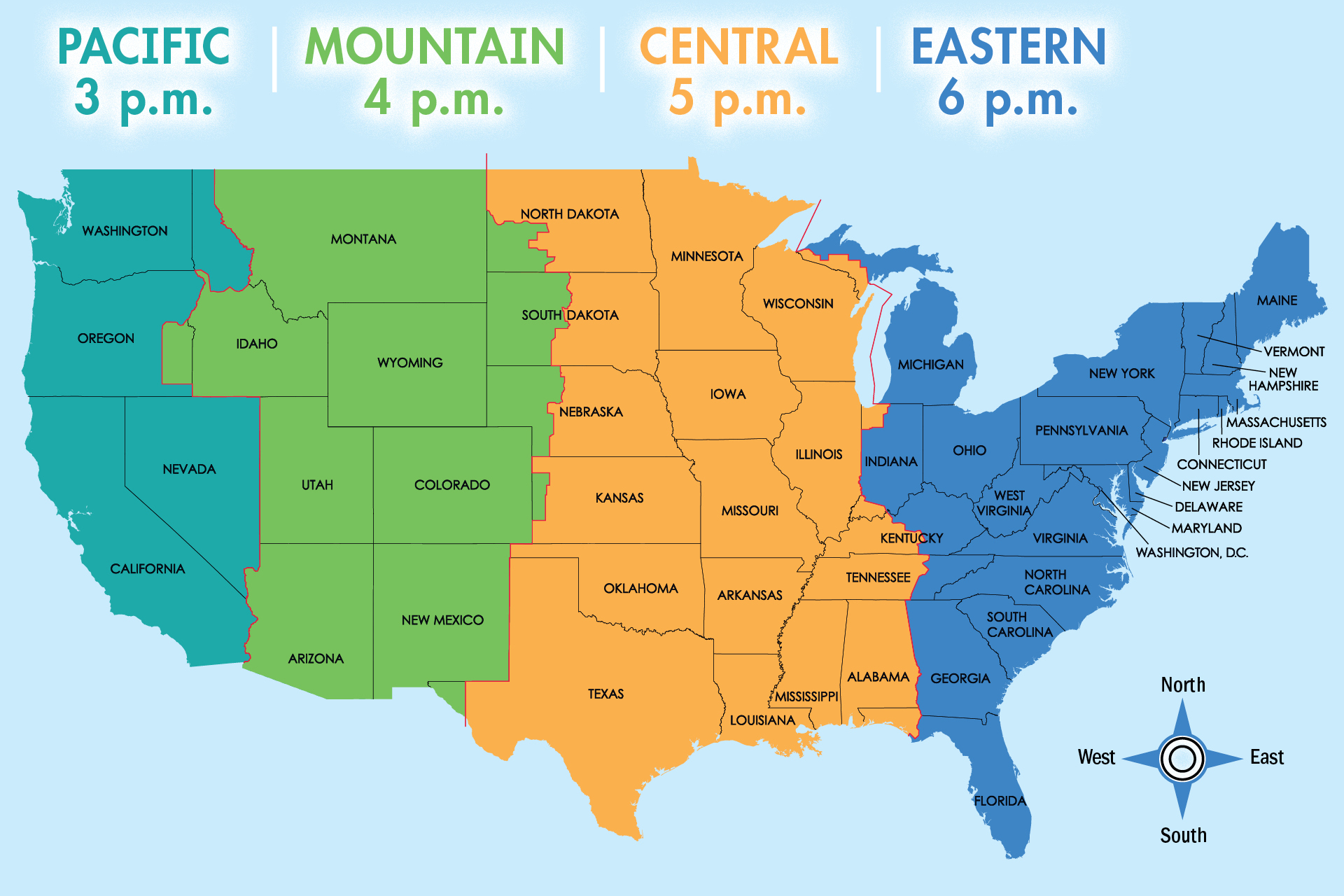
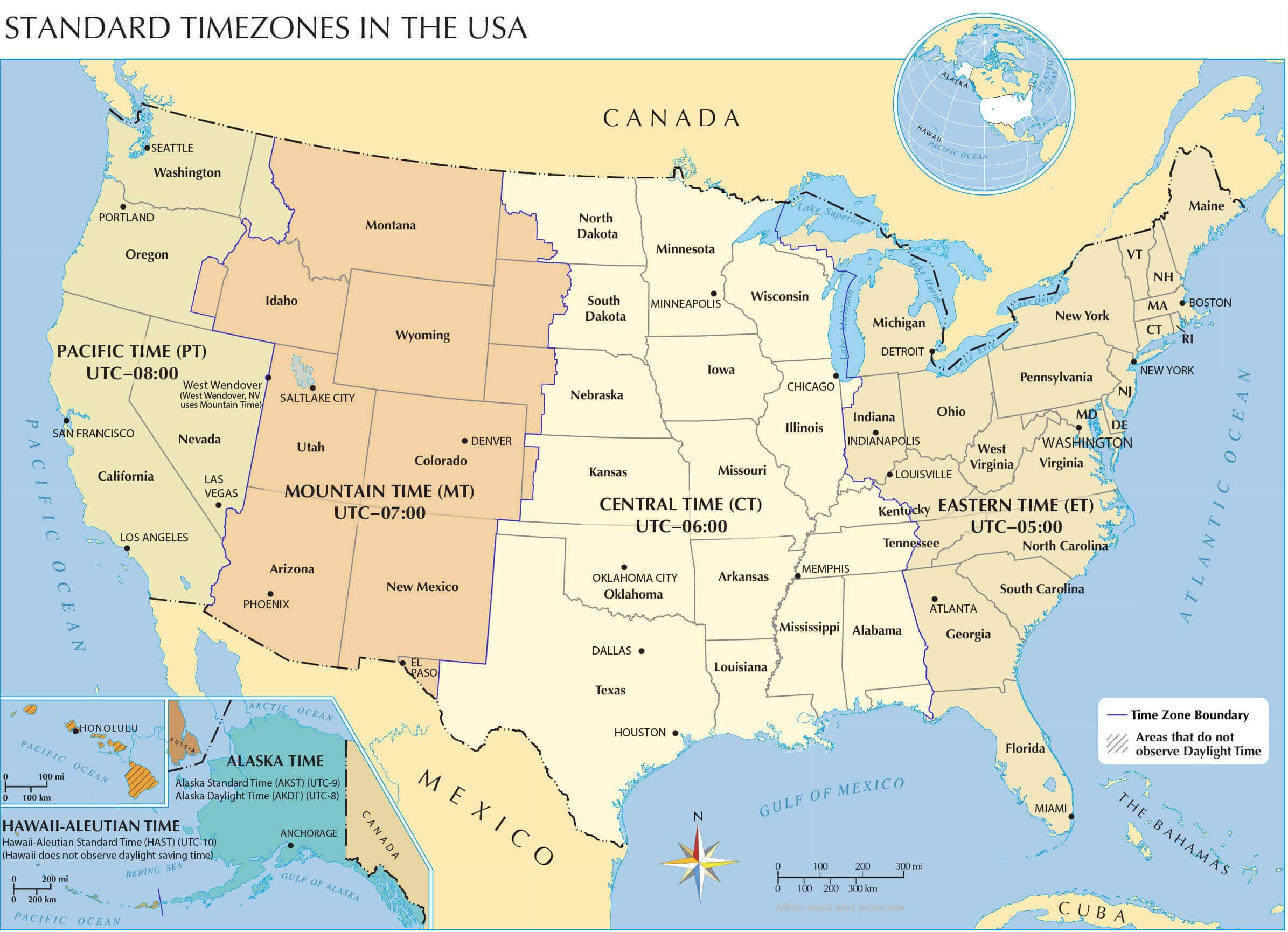
At its core, California observes the Pacific Time Zone. This is the westernmost time zone in the contiguous United States and encompasses other states like Oregon, Washington, and parts of Nevada and Idaho. However, the specific designation changes throughout the year due to Daylight Saving Time.
The Basics of California’s Time
For most of the year, from early November to mid-March, California operates on Pacific Standard Time (PST). This is recognized as UTC-8, meaning it is eight hours behind Coordinated Universal Time. During this period, when you land at Los Angeles International Airport (LAX) or gaze at the Golden Gate Bridge in San Francisco, your watch will be set to PST.
This consistent offset from UTC makes it relatively straightforward to calculate the time difference if you’re traveling from international destinations or other parts of the United States. For instance, California is three hours behind the Eastern Time Zone, two hours behind the Central Time Zone, and one hour behind the Mountain Time Zone. This becomes crucial when scheduling virtual meetings for business trips or simply trying to call loved ones back home.
Daylight Saving Time: When and Why
The concept of time in California takes a slight twist with the implementation of Daylight Saving Time (DST). Starting on the second Sunday in March and concluding on the first Sunday in November, California switches to Pacific Daylight Time (PDT). During this period, clocks are moved forward by one hour, making it UTC-7.
The primary purpose of DST is to make better use of daylight, traditionally by extending daylight into the evening during the warmer months. For travelers, this means longer evenings to explore attractions like the Santa Monica Pier or enjoy outdoor dining experiences in Napa Valley. However, it also means a sudden shift in time, which can impact travel plans, especially around the “spring forward” and “fall back” dates. Airlines adjust their schedules, and hotels coordinate check-in and check-out times accordingly, but individual travelers must remain vigilant to avoid missing flights or appointments.
While California has debated ending DST, the system remains in place, making it a critical consideration for anyone planning a visit during the spring, summer, or fall.
Navigating Time Zones for California Travel
The impact of California’s time zone extends far beyond simply knowing what time it is. It influences everything from how you combat jet lag to the optimal timing for experiencing local culture and activities.
Planning Your Arrival: Tips for Beating Jet Lag
For international visitors or those traveling from the East Coast of the United States, jet lag can be a significant hurdle. A three-hour time difference from the Eastern Time Zone or an even greater shift from Europe or Asia can disrupt sleep patterns and energy levels. To minimize its effects, consider these tips:
- Adjust gradually: Before your departure, try to shift your sleep schedule by an hour or two each day to align closer with California time.
- Hydrate and avoid caffeine/alcohol: During your flight to Los Angeles or San Francisco, focus on water and light meals.
- Embrace daylight: Upon arrival, expose yourself to natural light, especially in the morning, to help reset your body clock. A stroll along the beach in Santa Barbara or an early morning hike in Griffith Park can do wonders.
- Prioritize sleep: Book accommodations that offer comfortable bedding and amenities conducive to restful sleep. Many luxury hotels and resorts in destinations like Beverly Hills or Palm Springs are designed with guest comfort in mind, providing tranquil environments perfect for recovery.
Coordinating Across Time Zones: Business and Family Travel
For business travelers, the time difference can be a double-edged sword. While mornings in California might align perfectly with late afternoon meetings on the East Coast, it could mean very early starts or late nights for international calls. Silicon Valley professionals, for instance, frequently juggle calls spanning multiple global time zones. High-end apartments and suites with dedicated workspaces and reliable internet become invaluable in these scenarios.
Family trips also demand careful time zone management. Keeping young children on a consistent sleep schedule while traveling from a different time zone is paramount for a harmonious vacation. Planning activities around their natural rhythms, especially during the initial days, can prevent meltdowns and ensure everyone enjoys attractions like Universal Studios Hollywood or the San Diego Zoo.
Time Zone Implications for Attractions and Activities
California’s attractions often have strict operating hours, which are naturally tied to the local time. Theme parks like Disneyland Park or museums like the Getty Center typically open in the morning and close in the evening. Failing to account for the time difference upon arrival could mean missing out on precious hours.
Consider booking popular tours, such as a visit to Alcatraz Island or a whale watching excursion, well in advance and reconfirming the local departure times. For outdoor activities like hiking in Big Sur or skiing near Lake Tahoe, understanding the local sunrise and sunset times (which vary significantly with PDT) is vital for safety and maximizing daylight for exploration.
The Influence of Time on California’s Diverse Experiences
California’s vast geographical and cultural landscape means that time plays a unique role in different regions and experiences.
Coastal Delights and Desert Adventures: Timing Your Exploration
Along California’s stunning coastline, from Mendocino to La Jolla, the rhythm of life is often dictated by the sun and tides. Surfing lessons, beach strolls, and sunset dining are all time-sensitive. During PDT, the extended daylight hours allow for longer evenings by the ocean, which is a major draw for tourism.
Contrast this with the desert regions, such as Palm Springs or Death Valley National Park. Here, early mornings and late afternoons are often the best times for outdoor activities to avoid the intense midday heat. Understanding the local time, especially when planning excursions, ensures a more comfortable and safe experience. Tour operators and guides in these areas are well-versed in optimizing schedules around the sun.
Urban Escapes and Mountain Retreats: Maximizing Your Stay
In bustling urban centers like Oakland, Sacramento, or Anaheim, the local time dictates business hours, public transportation schedules, and the availability of cultural events. For instance, catching a show in Hollywood or dining at a top restaurant in San Francisco requires adherence to PDT or PST. Booking accommodation centrally located can save valuable travel time, allowing you more flexibility to experience these urban delights.
When escaping to mountain retreats like Mammoth Lakes or the areas surrounding Redwood National Park, time takes on a different dimension. Here, it’s about aligning with nature’s clock. Sunrise hikes, stargazing, and enjoying the tranquility of remote cabins are all dependent on the natural light cycle. Tourists often find that understanding these local rhythms enhances their experience of disconnecting from city life.
Practical Considerations for Accommodations and Logistics
The nuances of California’s time zone have practical implications for booking and managing your travel logistics.
Booking Accommodations: Check-in/Check-out Times
When booking a hotel, resort, villa, or apartment through platforms like lifeoutofthebox.com, always double-check the stated check-in and check-out times. These are always in the local time, which will be PST or PDT depending on the season. If you’re arriving from a different time zone, ensure your arrival time aligns with the property’s check-in window to avoid waiting or incurring early check-in fees. Similarly, plan your departure to match the check-out time. Many properties, especially those catering to business or luxury travelers, offer amenities like luggage storage or day-use suites if your flight schedule doesn’t perfectly match the hotel’s policies.
Long-term stays, popular in cities like San Diego or Santa Monica, also require careful time management. Coordinating utility hook-ups, maintenance appointments, or even local errands will be subject to California’s local time.
Dining and Entertainment: Aligning with Local Schedules
California’s vibrant food scene and diverse entertainment options are often time-dependent. Restaurants, particularly popular ones, operate within specific lunch and dinner hours. Making reservations, especially for high-demand spots in San Francisco or Los Angeles, should be done with the local time in mind. Missing a reservation due to a time zone miscalculation can be a frustrating experience.
Similarly, live performances, sporting events, and festivals all adhere to California’s local time. Checking showtimes for concerts at the Hollywood Bowl or game schedules for the L.A. Lakers requires you to be aware of the current time zone. The local culture often dictates meal times; for instance, dinner might be slightly later in urban areas than in more rural parts of the state.
In conclusion, while the answer to “What is the California Time Zone?” is straightforward—it’s the Pacific Time Zone, fluctuating between PST and PDT—its implications for travelers are far-reaching. From meticulously planning your itinerary to choosing the perfect accommodation and immersing yourself in local life, a clear understanding of California’s time ensures a smoother, more enjoyable, and ultimately more memorable experience in this magnificent state. Always remember to “think Pacific” when preparing for your California adventure.
LifeOutOfTheBox is a participant in the Amazon Services LLC Associates Program, an affiliate advertising program designed to provide a means for sites to earn advertising fees by advertising and linking to Amazon.com. Amazon, the Amazon logo, AmazonSupply, and the AmazonSupply logo are trademarks of Amazon.com, Inc. or its affiliates. As an Amazon Associate we earn affiliate commissions from qualifying purchases.