
California, often affectionately known as the Golden State, holds a unique and multifaceted position on the global map. While its primary geographic location is undeniably on the West Coast of the United States, this simple answer barely scratches the surface of its complex regional identity. Far from being a monolithic entity, California is a diverse mosaic of climates, cultures, economies, and landscapes, each contributing to its distinct character. It is a vital component of North America and a prominent player within the broader Pacific Rim, influencing everything from technology and entertainment to agriculture and environmental policy.
This article delves into the intricate regional identity of California, exploring its external geographic context and its significant internal divisions. For travelers, understanding these regions is key to unlocking the full potential of a Californian adventure, whether you’re seeking the glamour of Hollywood, the tranquility of a national park, or the gastronomic delights of wine country. We’ll also touch upon the diverse accommodation options and lifestyle experiences that define each area, aligning with the core themes of travel, tourism, and lifestyle that are central to the spirit of exploration.
Unpacking California’s Geographic Identity: More Than Just a State
To truly comprehend “what region is California in,” one must consider both its immediate placement on the continent and its deeper, more nuanced internal divisions. It’s a state that defies easy categorization, a place where deserts meet alpine peaks, and bustling metropolises give way to ancient redwood forests.
West Coast and Pacific Rim Significance
At its most fundamental level, California is unequivocally a West Coast state. Bordered by the Pacific Ocean to the west, Oregon to the north, Nevada and Arizona to the east, and Mexico to the south, its location grants it a unique blend of American, Latin American, and Pacific influences. This position makes it a crucial economic and cultural gateway to the Pacific Rim, fostering strong ties with Asia, Australia, and other Pacific nations. From trade routes to cultural exchanges, California’s Pacific orientation shapes much of its identity, drawing millions of tourists annually who seek to experience its diverse offerings. Its proximity to the Mexican border also imbues it with a rich Latino heritage, especially evident in its cuisine, art, and vibrant community festivals.
The Golden State’s Internal Divisions
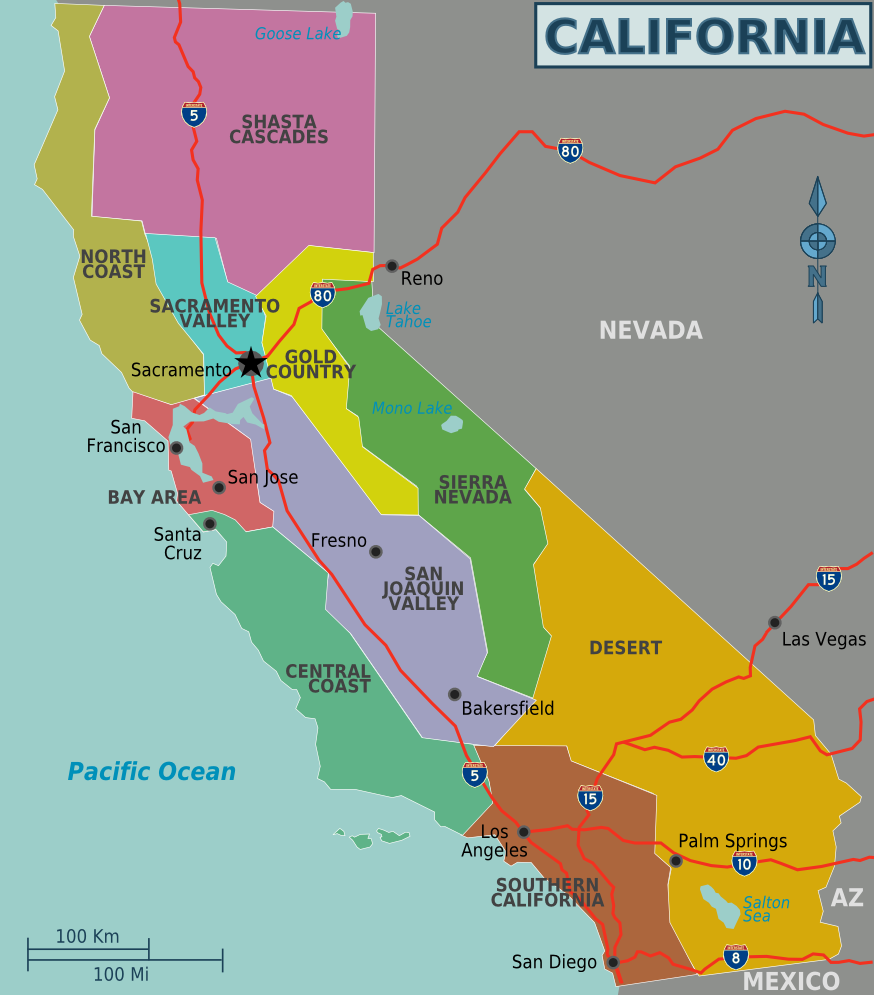
Beyond its external boundaries, California is conventionally, and very functionally, divided into three primary internal regions: Northern California, Central California, and Southern California. Each of these regions boasts its own distinct geography, climate, economy, and cultural ethos, offering visitors dramatically different experiences. Understanding these divisions is crucial for anyone planning a comprehensive itinerary, whether they are interested in landmarks, local culture, or the perfect accommodation. From luxury travel experiences in Beverly Hills to budget travel in the vast landscapes of the Sierra Nevada, California truly has it all.
Northern California: Innovation, Nature, and History
Northern California is often characterized by its pioneering spirit, breathtaking natural beauty, and a strong connection to history and innovation. This region is home to some of the world’s leading technology hubs, alongside ancient forests and world-renowned vineyards.
Bay Area Wonders
The heart of Northern California is undoubtedly the San Francisco Bay Area. This bustling metropolitan region encompasses iconic cities like San Francisco, Oakland, and San Jose, serving as the epicenter of global innovation, famously known as Silicon Valley. Visitors flock here to see engineering marvels like the Golden Gate Bridge, explore the infamous Alcatraz Island, or wander through the vibrant neighborhoods of San Francisco.
Accommodation in the Bay Area ranges from luxurious boutique hotels with stunning city views to trendy apartments perfect for longer stays. Business travelers will find state-of-the-art facilities, while leisure tourists can choose from charming Victorian inns or modern resorts. The tourism here is a blend of historical exploration, culinary adventures (especially seafood and diverse international cuisines), and an immersive experience in the tech lifestyle. Famous landmarks include Fisherman’s Wharf, Lombard Street, and the historic cable cars.
Natural Escapes and Wine Country
Beyond the urban sprawl, Northern California boasts some of the most spectacular natural attractions in the world. The renowned Napa Valley and Sonoma Valley offer exquisite wine-tasting experiences, charming vineyard stays, and gourmet dining that celebrates local produce. Luxury travel here often involves staying at five-star resorts with spas, hot air balloon rides over vineyards, and exclusive cellar tours.
For the adventurous, Yosemite National Park presents awe-inspiring granite cliffs, giant sequoia groves, and cascading waterfalls. Redwood National Park is home to the tallest trees on Earth, offering a humbling experience amidst ancient giants. These natural landmarks provide endless opportunities for hiking, camping, and connecting with nature. Accommodation near these parks includes rustic cabins, family-friendly lodges, and even unique glamping experiences, catering to various budgets and preferences for a memorable family trip.
Central California: Agricultural Heartlands and Coastal Charms
Central California acts as the state’s backbone, marrying immense agricultural productivity with some of its most picturesque coastal vistas. It’s a region of contrasts, embodying both the hardworking spirit of the land and the serene beauty of the Pacific.
The Central Valley’s Bounty
Running through the middle of the state, the Central Valley is one of the most productive agricultural regions globally, often referred to as the “fruit basket of the world.” Cities like Fresno and Bakersfield serve as hubs for this industry, while Sacramento, the state capital, blends historical significance with modern governance. Tourism in this region often revolves around agritourism, allowing visitors to experience farm-to-table dining, farmers’ markets, and local festivals celebrating the harvest. The lifestyle here is generally more laid-back than the coastal cities, offering a glimpse into the authentic rural California. Accommodation might include charming bed and breakfasts or modern hotels in the city centers.
Coastal Gems and Pacific Majesty
To the west of the Central Valley lies the breathtaking Central Coast, a stretch of coastline renowned for its dramatic cliffs, pristine beaches, and charming towns. Monterey, with its historic Cannery Row and world-class Monterey Bay Aquarium, is a popular destination for marine life enthusiasts. Nearby, Carmel-by-the-Sea enchants visitors with its fairytale cottages, art galleries, and dog-friendly beaches. Further south, the picturesque city of Santa Barbara offers a Mediterranean climate, Spanish colonial architecture, and a vibrant wine scene.
The iconic stretch of Highway 1 through Big Sur is a landmark in itself, famous for its winding roads, cliffside views, and unparalleled natural beauty, making it a dream destination for road trips. Accommodation along the Central Coast ranges from luxurious oceanfront resorts and boutique hotels to cozy inns and vacation rentals, many offering stunning views of the Pacific Ocean. This area is perfect for those seeking scenic drives, outdoor activities, and a refined yet relaxed lifestyle.
Southern California: Glamour, Beaches, and Deserts
Southern California is arguably the region most commonly associated with the state’s global image: a land of sunshine, celebrity, vast beaches, and boundless entertainment. Yet, it also holds surprising contrasts, from bustling urban centers to serene desert landscapes.
Los Angeles Metro and Beyond
The sprawling Los Angeles metropolitan area is the undisputed cultural and economic heart of Southern California. It’s home to Hollywood, the global capital of the entertainment industry, attracting millions who dream of stardom or simply wish to glimpse its magic. Beverly Hills and Malibu epitomize luxury travel, offering opulent hotels, exclusive shopping, and celebrity sightings. Famous landmarks abound, from the Hollywood Walk of Fame and the Griffith Observatory to the beautiful beaches of Santa Monica and Venice Beach.
Just a short drive away in Anaheim, Disneyland Resort draws families from around the globe, offering an unforgettable theme park experience. Accommodation options in Los Angeles are incredibly diverse, from iconic luxury hotels and full-service resorts to apartments and villas for long-term stays, catering to every budget and preference. The city’s vibrant tourism scene encompasses film history tours, world-class museums, diverse culinary experiences, and endless opportunities for shopping and nightlife.
San Diego’s Coastal Allure and Desert Wonders
Further south, San Diego offers a more relaxed yet equally vibrant coastal experience. Known for its beautiful beaches, laid-back atmosphere, and vibrant Gaslamp Quarter, San Diego is a popular destination for families and solo travelers alike. Key attractions include Balboa Park, home to museums, gardens, and the famous San Diego Zoo, and its picturesque harbor. The city’s lifestyle is often defined by its outdoor activities, from surfing to sailing, and its rich craft beer scene.
East of the coastal cities, the landscape dramatically transforms into stunning desert environments. Palm Springs is a renowned desert oasis, famous for its mid-century modern architecture, golf courses, and luxury resorts offering spa treatments and relaxation. Nearby, Joshua Tree National Park provides a surreal landscape of unique trees and rock formations, ideal for hiking, rock climbing, and stargazing. Accommodation in the desert regions includes high-end resorts, charming vacation rentals, and unique themed hotels, offering amenities like private pools and stunning desert views.
The Lifestyle and Accommodation Landscape in California
Regardless of the specific region, California’s diverse offerings cater to virtually every travel style and budget, making it a premier global destination. The state truly embodies the spectrum of human experience, from the ultimate in luxury to adventurous budget-friendly options.
Diverse Travel Experiences
Whether you envision a serene escape to a coastal town, a thrilling adventure in a national park, or a cultural deep dive into a bustling metropolis, California delivers. Luxury travel thrives in areas like Napa Valley, Beverly Hills, and Malibu, offering exclusive resorts, private tours, and fine dining. Conversely, budget travel is perfectly feasible, with numerous camping sites, hostels, and affordable hotels scattered throughout the state, especially near national parks and along scenic routes.
Family trips are well-catered for with attractions like Disneyland, Legoland California in Carlsbad, and countless beaches. For business stays, major cities like San Francisco, Los Angeles, and San Jose provide world-class conference facilities and hotels with all the necessary amenities. The state also embraces niche tourism, from culinary tours and wine trails to surf camps and wellness retreats. The local culture is a vibrant tapestry woven from influences around the globe, reflected in its food, art, music, and festivals.

Where to Stay: A Guide to Californian Accommodation
The breadth of accommodation options in California is as varied as its regions. From opulent suites in Hollywood hotels to charming bed and breakfasts along the Central Coast, there’s a perfect place for every traveler.
- Hotels: Ranging from grand historic hotels to modern high-rises, you’ll find options for every budget. Boutique hotels offer unique charm and personalized service, while major chains provide consistent quality.
- Resorts: Many areas, particularly coastal towns, wine country, and desert oases like Palm Springs, boast full-service resorts with extensive amenities like spas, golf courses, multiple dining options, and recreational activities.
- Apartments and Villas: For longer stays or a more home-like experience, vacation rentals, including fully furnished apartments and luxurious villas, are increasingly popular, especially for families or groups.
- Unique Stays: Beyond traditional options, California offers unique accommodations like treehouses, glamping tents near national parks, historic inns, and houseboats.
When booking your stay, it’s always wise to check reviews and use comparison tools to find the best fit for your needs. Whether it’s a romantic getaway, a solo adventure, or a long-term stay for work or leisure, California’s hospitality sector is well-equipped to make your visit unforgettable.
In conclusion, “What region is California in?” is a question with a profoundly complex answer. While geographically anchored to the West Coast of North America and a key player in the Pacific Rim, its true regional identity is found in its extraordinary internal diversity. From the tech innovation of Northern California to the agricultural heartland of Central California and the iconic glamour of Southern California, the state offers a world of experiences within its borders. Each region presents its own unique blend of attractions, local culture, and lifestyle, making California not just a state, but a collection of distinct worlds waiting to be explored by every kind of traveler.
LifeOutOfTheBox is a participant in the Amazon Services LLC Associates Program, an affiliate advertising program designed to provide a means for sites to earn advertising fees by advertising and linking to Amazon.com. Amazon, the Amazon logo, AmazonSupply, and the AmazonSupply logo are trademarks of Amazon.com, Inc. or its affiliates. As an Amazon Associate we earn affiliate commissions from qualifying purchases.