
For anyone planning a trip, considering a move, or simply curious about the Golden State, understanding the current time in California is more than just a trivial detail; it’s a foundational element for seamless planning and an optimized experience. Whether you’re coordinating international calls, booking flights, or scheduling tours of iconic landmarks, knowing the precise hour can make all the difference. This comprehensive guide will not only pinpoint the current time in California but also delve into the nuances of its time zones, the impact on various aspects of travel and lifestyle, and provide essential tips for navigating time differences.
Understanding California’s Time Zone: PST and PDT
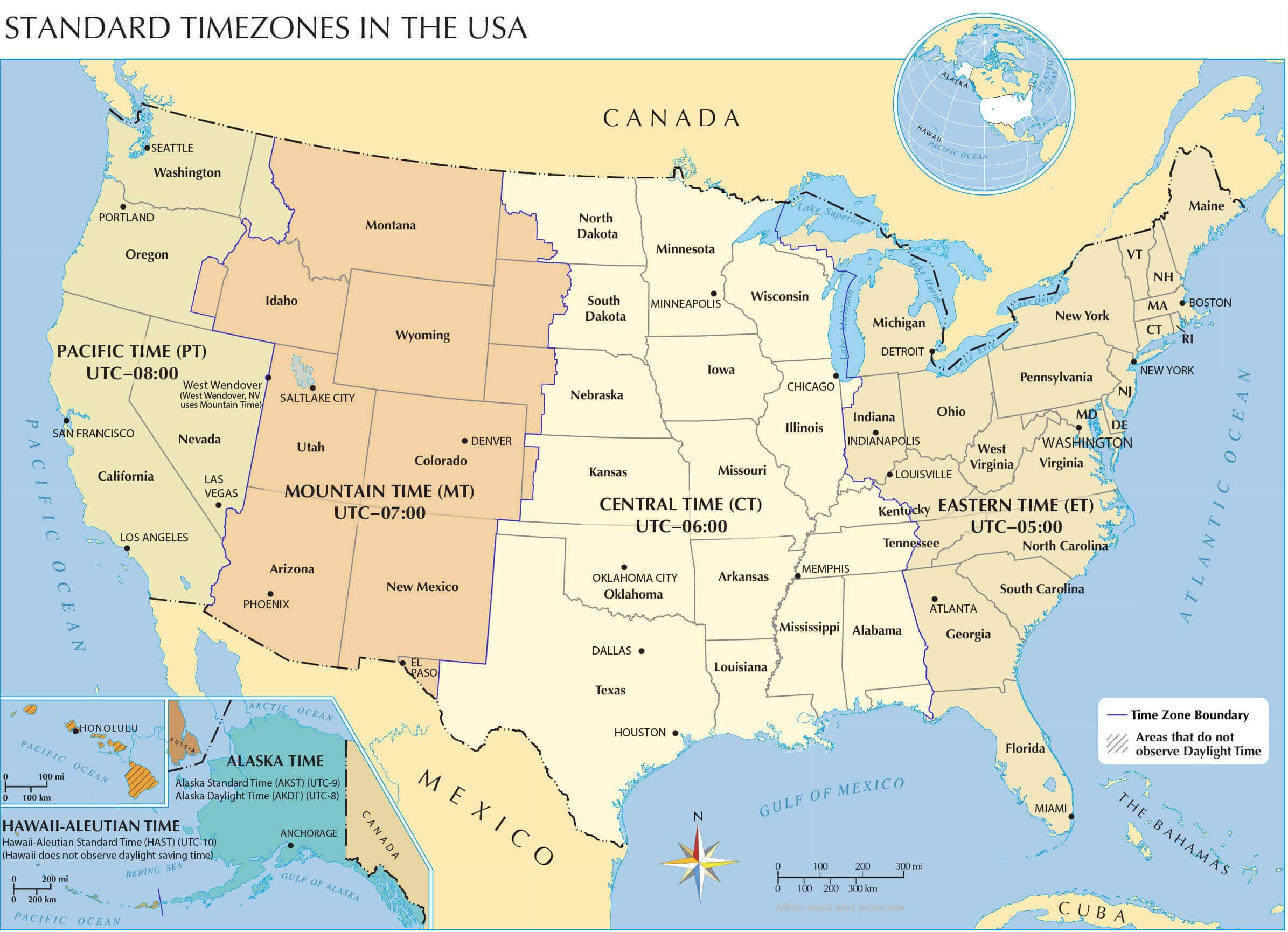
California observes the Pacific Time Zone, which means it operates on either Pacific Standard Time (PST) or Pacific Daylight Time (PDT), depending on the time of year. This distinction is crucial for travelers, residents, and anyone interacting with the state.
The Rhythms of Pacific Standard Time
During the winter months, typically from early November to mid-March, California adheres to Pacific Standard Time (PST). This time zone is UTC-8, meaning it is eight hours behind Coordinated Universal Time. For those in New York on Eastern Standard Time (EST), California would be three hours behind. If you’re calling from London or Paris, you’d find a significant time difference, often nine hours or more, which requires careful scheduling for business calls or family check-ins. During this period, the days are shorter, and the evenings draw in earlier, which can influence plans for outdoor activities or sightseeing tours that rely on daylight.
Embracing Pacific Daylight Time
As spring approaches, California springs forward into Pacific Daylight Time (PDT). This shift usually occurs on the second Sunday in March, when clocks are advanced by one hour. PDT is UTC-7, making it seven hours behind Coordinated Universal Time. This transition brings longer evenings, more daylight hours for exploration, and a slightly reduced time difference for those interacting with the state from other parts of the United States or abroad. For instance, the time gap with the East Coast remains three hours, but the absolute offset from UTC changes. Daylight Saving Time is a beloved tradition for many Californians and visitors alike, as it extends the opportunities for enjoying the state’s natural beauty and vibrant urban life well into the evening. Planning travel during PDT means you might have more flexibility for evening excursions, outdoor dining, or catching a sunset view from the Santa Monica Pier or Golden Gate Bridge.
Why Time Matters for Your California Journey
Understanding California’s time zone is not merely academic; it’s a practical necessity that impacts every facet of your trip, from booking initial arrangements to enjoying daily experiences.
Seamless Travel Planning and Logistics
Effective travel planning hinges on accurate timekeeping. When booking flights, especially those arriving from different time zones, knowing the local time of arrival is critical for connecting flights, airport transfers, and coordinating with your chosen accommodation. A flight scheduled to land at “2 PM local time” could mean vastly different things depending on your departure point. Miscalculating this can lead to missed connections, additional costs, or unnecessary stress upon arrival.
Similarly, scheduling tours, restaurant reservations, or show tickets requires precise knowledge of the local time. Imagine booking a prime dinner slot in Beverly Hills or a morning wine tasting in Napa Valley without accounting for the time difference – you could easily arrive late or miss your slot entirely. For business travelers, adhering to meeting schedules with Los Angeles-based clients or partners is paramount. Even for leisure, missing the last bus or train from a popular attraction because you misjudged the time can significantly disrupt your day. This attention to detail is a hallmark of truly optimized travel, allowing for a smoother, more enjoyable itinerary.
Optimizing Your Accommodation Experience
Your choice of accommodation – whether it’s a luxury suite in San Francisco, a family resort near Disneyland Resort, or a cozy apartment in San Diego – is intrinsically linked to time. Check-in and check-out times are strictly enforced, and being aware of the local time ensures you arrive promptly for check-in or depart on schedule to avoid late fees. Many hotels and resorts, such as the Four Seasons Hotels and Resorts or Ritz-Carlton properties, offer flexibility, but knowing the standard times is always the starting point.
For guests arriving from distant time zones, coordinating with the hotel reception for early check-in or late check-out requests becomes easier when you’re clear on the local time. Furthermore, if you plan to utilize hotel amenities like spa treatments, restaurant bookings, or pool access, all are governed by local operating hours. For long-term stays, particularly for digital nomads or business travelers, maintaining a consistent schedule that aligns with local California time while still managing remote work in different time zones requires meticulous planning. The best accommodation providers often anticipate these needs, but proactive understanding from the guest’s side enhances the overall experience.

Immersing in Local Culture and Activities
The heartbeat of California’s tourism lies in its diverse local culture, vibrant food scene, and endless array of activities. From catching a matinee show in Hollywood to experiencing the nightlife in West Hollywood, everything operates on local time. Museum opening hours, national park entry times (like Yosemite National Park), and the schedule for San Francisco cable car rides are all bound by the clock. Missing these windows can mean missing out on key experiences.
Even simpler activities, like grabbing breakfast at a local cafe in Santa Barbara or exploring the shops in Carmel-by-the-Sea, are time-sensitive. The rhythm of daily life in California influences everything from peak traffic times in Los Angeles to the quiet hours in Death Valley National Park. Being in tune with the local time allows you to align your plans with this rhythm, enabling a deeper, more authentic immersion into the California lifestyle. For those on a budget travel plan, knowing off-peak hours can even lead to savings on attractions or public transport.
Navigating California’s Iconic Destinations by Time
From the bustling metropolises to serene natural escapes, each destination in California has its own temporal flow that guides visitors’ experiences.
From Coastal Cities to Desert Retreats
California’s vast geography means that while all areas observe the same Pacific Time Zone, the practical implications of time can vary. In major cities like Los Angeles and San Francisco, the day starts early with bustling commutes and continues late into the night with vibrant entertainment and dining scenes. Knowing the time helps you navigate peak hours, avoid traffic congestion on your way to Universal Studios Hollywood, or secure a coveted reservation at a popular San Francisco eatery. The pace is generally faster, and a moment’s delay can impact a tightly packed itinerary.
Conversely, in more laid-back regions or natural parks, the concept of time might feel more relaxed, but adherence to schedules is still vital. For instance, planning a hike in Yosemite National Park or Sequoia National Park requires starting early to avoid crowds and finish before dark, especially outside of PDT. In desert retreats like Palm Springs, understanding the time of day is critical for managing heat, planning golf tee times, or simply knowing when the best pools open and close at your resort. Even the best luxury travel experiences in California demand an awareness of the clock to fully indulge in their offerings, whether it’s a private tour of a Napa Valley vineyard or a sunset cruise on Lake Tahoe.
Synchronizing with Attractions and Experiences
California’s myriad attractions each operate on their own specific schedules, which are all anchored to the Pacific Time Zone. From the opening bell at Disneyland Resort in Anaheim to the closing ceremonies at the Griffith Observatory in Los Angeles, visitors must align their watches with the local clock. For popular destinations like Alcatraz Island tours, tickets are often timed entry, and punctuality is non-negotiable. Missing your slot could mean forfeiting your ticket and a once-in-a-lifetime experience.
Activities such as whale watching tours off the coast of San Diego, surfing lessons in Huntington Beach, or exploring the museums of Balboa Park are all governed by specific timeframes. Even events like parades down the Hollywood Walk of Fame or local farmers’ markets in San Jose have fixed schedules. Consulting official websites or travel guides for the exact times of operation, showtimes, or event start times is crucial. This is particularly important for family trips, where adhering to schedules helps manage children’s energy levels and ensures everyone gets to experience their desired attractions without unnecessary delays or disappointments.
Tips for Time Zone Adjustment and Maximizing Your California Stay
Adjusting to a new time zone, especially when traveling from afar, can be challenging. However, with a few strategic tips, you can minimize jet lag and fully enjoy your California adventure.
Beating Jet Lag Like a Pro
Jet lag, a common affliction for international travelers, can significantly dampen your initial days in California. To combat it, consider gradually adjusting your sleep schedule a few days before your departure, aligning it closer to Pacific Time. Upon arrival, immediately adopt the local time, even if it means staying awake longer or going to bed earlier than your body is used to. Exposure to natural light during the day helps regulate your circadian rhythm, so spend time outdoors exploring Los Angeles beaches or San Francisco parks. Stay hydrated and avoid excessive alcohol or caffeine, which can interfere with sleep.
For business stays, arriving a day or two early can provide a buffer for adjustment before crucial meetings. Many accommodations, particularly higher-end suites and resorts, offer amenities like blackout curtains, soundproofing, and even jet lag-specific wellness programs to aid in recovery. A disciplined approach to sleep and light exposure is key to quickly feeling refreshed and ready to tackle your California itinerary.
Leveraging Technology for Time Management
In today’s digital age, numerous tools can assist with time zone management. Your smartphone is an invaluable resource; set its clock to automatically update to the local time upon arrival in California. Utilize world clock apps to easily compare Pacific Time with your home time zone, making it simple to coordinate calls with friends and family back home or conduct remote work. Calendar applications can be set to display multiple time zones simultaneously, helping you schedule events without confusion.
Booking apps for flights, hotels, and attractions often automatically convert times to your local device setting, but it’s always wise to double-check against the actual time zone of the destination. Smartwatches and fitness trackers can also help monitor sleep patterns, providing data that can inform your jet lag recovery strategy. By embracing these technological aids, travelers can significantly reduce the mental load of time zone calculations, allowing them to focus more on enjoying the unparalleled experiences that California has to offer, whether it’s exploring the historic streets of Sacramento or unwinding in the vineyards of Sonoma.
LifeOutOfTheBox is a participant in the Amazon Services LLC Associates Program, an affiliate advertising program designed to provide a means for sites to earn advertising fees by advertising and linking to Amazon.com. Amazon, the Amazon logo, AmazonSupply, and the AmazonSupply logo are trademarks of Amazon.com, Inc. or its affiliates. As an Amazon Associate we earn affiliate commissions from qualifying purchases.