
California, the Golden State, beckons travelers with its diverse landscapes, vibrant cities, and unparalleled experiences. For many planning a trip to this iconic corner of the United States, a fundamental question often arises: “What time is California in?” While seemingly simple, answering this question opens up a fascinating exploration of the state’s geographical context, seasonal variations, and the myriad ways time influences a travel experience. Beyond the ticking clock, understanding California’s “time” delves into the optimal moments to visit, the pace of its unique lifestyle, and how to strategically plan your itinerary to savor every moment, whether you’re seeking adventure, relaxation, cultural immersion, or business opportunities. From deciphering time zones to curating the perfect schedule for exploring its famous landmarks and hidden gems, this guide will help you synchronize your watch and your wanderlust with the rhythm of California.
Decoding California’s Time Zone: Pacific Standard Time
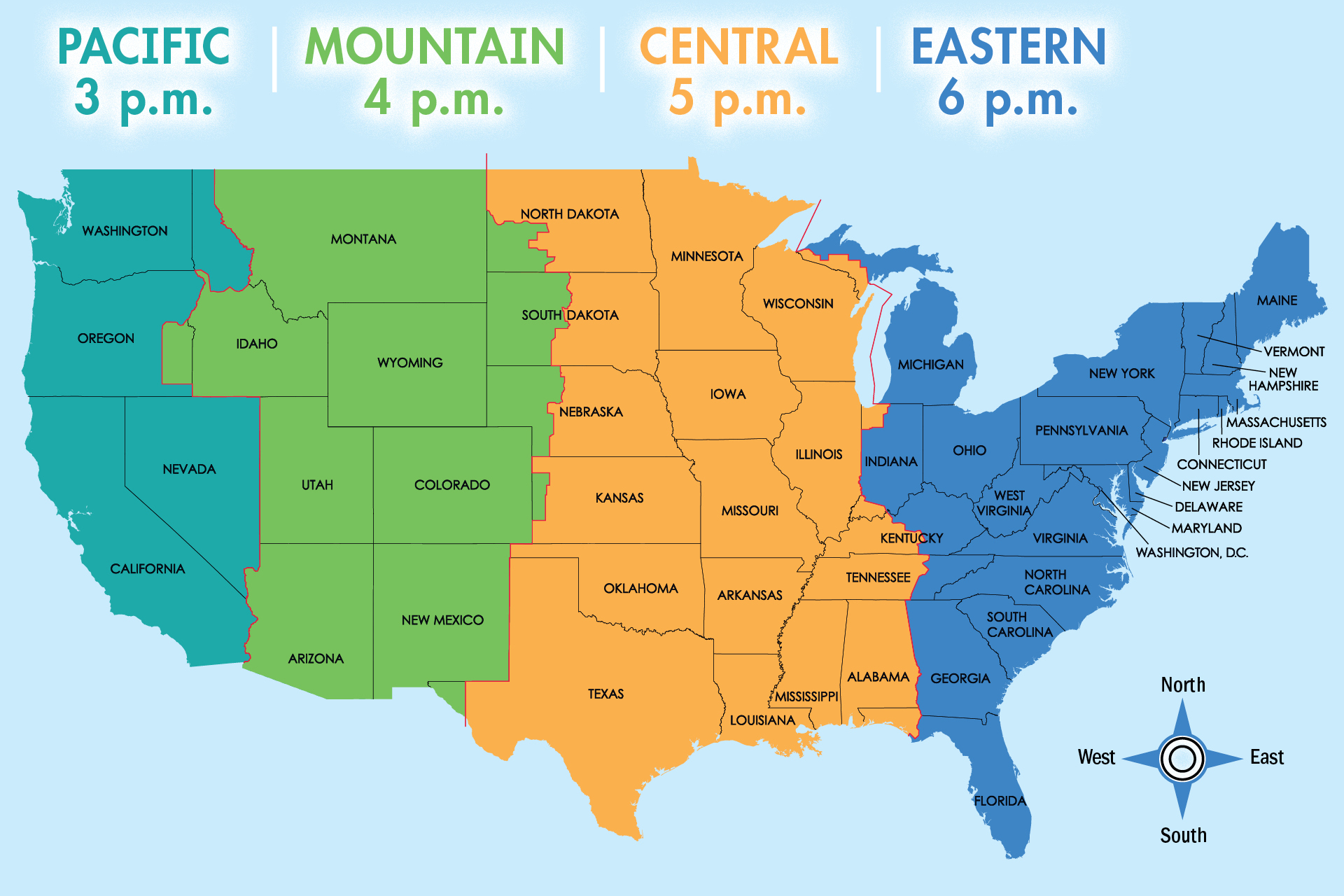
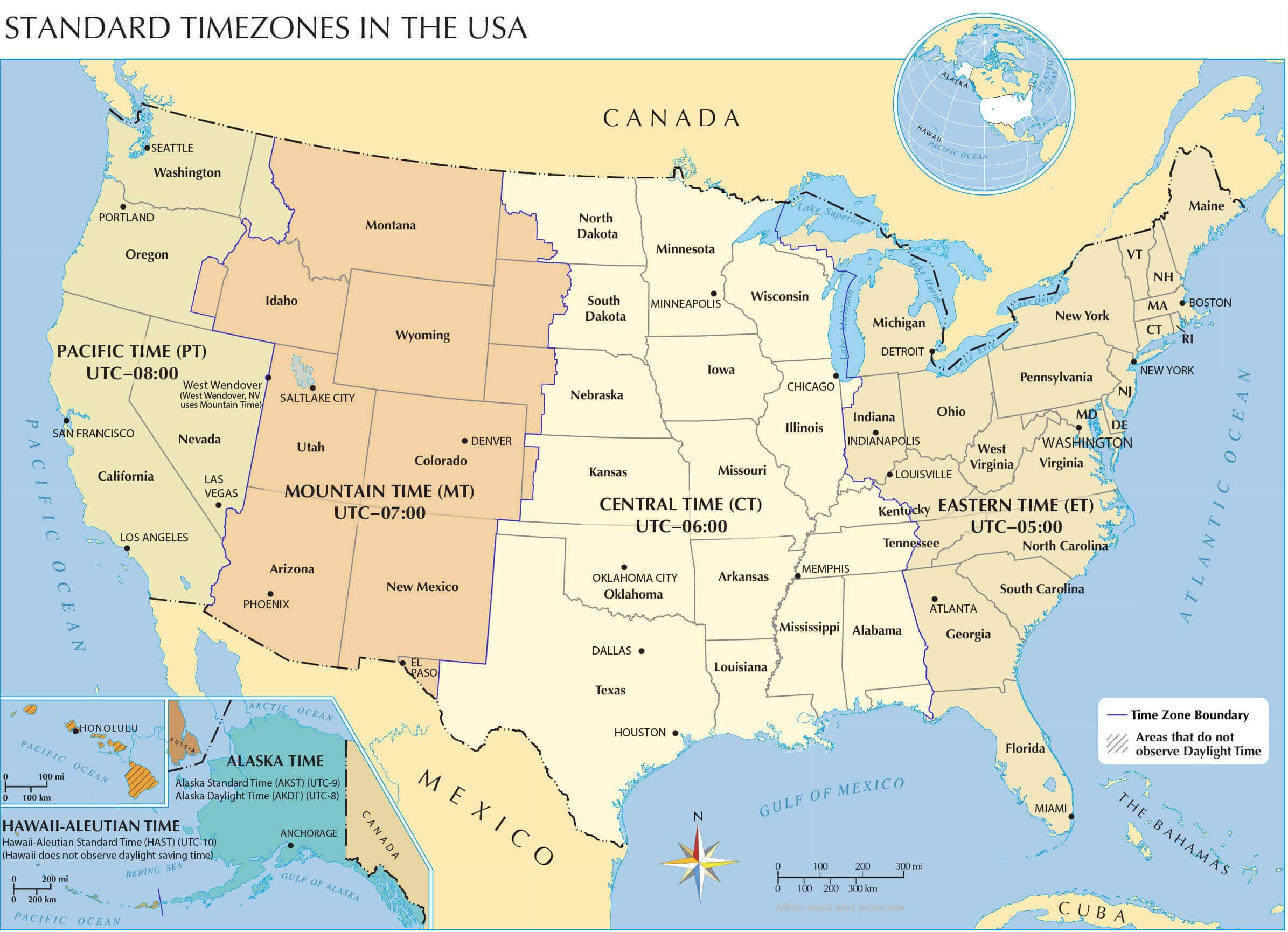
At its core, the question of “what time is California in?” points to its placement within the global time zone system. Geographically, California is positioned on the West Coast of the continental United States and strictly adheres to one primary time zone, making planning relatively straightforward for visitors from different parts of the world.
Understanding PST and PDT
California operates on Pacific Standard Time (PST) during the fall and winter months. PST is 8 hours behind Coordinated Universal Time (UTC-8). However, like much of the United States, California observes Daylight Saving Time. This means that from early spring to early fall, the state switches to Pacific Daylight Time (PDT), which is 7 hours behind Coordinated Universal Time (UTC-7). This transition typically occurs on the second Sunday in March when clocks “spring forward” an hour, and then reverts on the first Sunday in November when they “fall back.” This adjustment is crucial for travelers, as it can affect everything from flight schedules to tour bookings. For instance, if you’re flying from New York (Eastern Time, ET), you’ll gain three hours upon arrival in California, a welcome bonus that often translates into more exploration time on your first day. Conversely, flying east means losing those precious hours, necessitating a bit of adjustment upon return. It’s a system designed to maximize daylight hours during warmer months, influencing daily routines and outdoor activities across the state.
Practical Implications for Travelers
Understanding this time zone dynamic is more than just a trivial detail; it has significant practical implications for anyone planning a trip to California. For international travelers, particularly those from Europe or Asia, the time difference can be substantial, leading to jet lag. Knowing whether it’s PST or PDT helps in pre-calculating the time difference, allowing for better communication with contacts back home and more accurate scheduling of virtual meetings if you’re on a business trip. Furthermore, many major tourist attractions, such as Disneyland Resort in Anaheim or the Hollywood studios in Los Angeles, adhere strictly to local time for their opening and closing hours. Missing a crucial booking or a timed entry slot because of a miscalculation could impact your entire itinerary. Even within the broader North American context, California’s PST/PDT can create a noticeable gap. States like Nevada, Oregon, and Washington share the same time zone, making travel between them seamless. However, venturing further east into states like Arizona (which largely doesn’t observe Daylight Saving Time) or the Mountain Time Zone states (Colorado, Utah) requires another adjustment.
Bridging the Time Gap: Tips for Adjusting
Adjusting to California time, especially if you’re traveling a significant distance, is key to an enjoyable experience. Experts recommend gradually shifting your sleep schedule a few days before your trip. Upon arrival, try to immerse yourself in the local rhythm immediately. Expose yourself to natural light during the day, stay hydrated, and try to eat meals at local times. Avoid heavy meals and excessive caffeine or alcohol, particularly close to bedtime. If you’re staying at a reputable establishment like the Grand Hyatt Hotel or a Four Seasons property, their concierge services can often offer advice or even provide amenities to aid in your adjustment. For those coming from abroad, scheduling a lighter first day with fewer commitments can be beneficial, allowing your body to acclimate before diving into intense sightseeing. Many boutique hotels and resorts in areas like Napa Valley or Palm Springs offer spa services that can help soothe travel-weary bodies, providing a luxurious way to transition into the Golden State’s relaxed pace.
A Timeless Allure: When to Experience California
Beyond the clock, “what time is California in?” can be interpreted as “when is the best time to visit California?” The answer, much like the state itself, is wonderfully diverse, depending entirely on your interests and preferred travel style. California’s vast geographical span, from its sun-drenched southern beaches to its snowy northern mountains, ensures that there’s an ideal time for every type of traveler.
Seasonal Splendor: Ideal Times for Different Experiences
California’s seasons offer distinct charms. Summer (June-August) is synonymous with classic Southern California experiences: bustling beaches in Santa Monica and Venice Beach, theme park adventures, and vibrant city life in San Diego and Los Angeles. It’s the perfect time for family trips, offering endless sunshine and a lively atmosphere. However, it also means larger crowds and higher prices for accommodation. For those seeking cooler temperatures and iconic natural beauty, the spring (March-May) and fall (September-November) seasons are often considered prime. Spring brings wildflowers to deserts like Death Valley National Park and lush greenery to Yosemite National Park, with waterfalls at their peak. Fall is exquisite in the Wine Country of Napa and Sonoma County, with grape harvests and stunning foliage, and also offers ideal hiking weather in the Sierra Nevada Mountains or along the dramatic coastline of Big Sur. Winter (December-February) transforms parts of California into a snowy wonderland, particularly around Lake Tahoe and the Sierra Nevada, offering world-class skiing and snowboarding. Even in winter, coastal cities like Los Angeles and San Diego enjoy mild temperatures, providing a pleasant escape from colder climates.
Avoiding the Crowds: Off-Peak Travel Benefits
While peak seasons have their appeal, savvy travelers often consider off-peak times for a more serene and often more budget-friendly travel experience. Traveling during the shoulder seasons (late spring/early fall) or even mid-week during peak season can significantly reduce wait times at popular attractions and allow for easier bookings at coveted restaurants and hotels. For example, visiting the Golden Gate Bridge or Alcatraz Island in San Francisco during a weekday in October offers pleasant weather and fewer tourists than a summer weekend. Many hotels, from luxury stays to vacation rentals, offer reduced rates outside of the high season, making a longer or more lavish trip more accessible. Off-peak travel also provides a unique opportunity to engage more deeply with local culture, as residents are often more relaxed and accessible without the influx of summer visitors.
Planning Your Itinerary: Time for Every Interest
With California’s diverse offerings, thoughtful itinerary planning is essential to maximize your time. If you’re a nature enthusiast, dedicate time to exploring the majestic redwood forests of Redwood National Park or the dramatic cliffs of La Jolla. For city explorers, allocate several days to uncover the unique neighborhoods of San Francisco, from Fisherman’s Wharf to the historic Chinatown. Los Angeles offers a completely different urban experience, from the glitz of Beverly Hills to the entertainment hub of Universal Studios Hollywood. Foodies will find their time well spent exploring California’s renowned culinary scene, from farm-to-table restaurants in Sacramento to diverse food trucks in Los Angeles. Consider a themed trip: a week dedicated to wine tourism in Napa, a road trip along Highway 1 for scenic beauty, or a deep dive into California’s history through its missions and museums. The key is to prioritize your interests and allocate sufficient time, recognizing that attempting to see everything in a short visit is often unrealistic and leads to a rushed experience.
Making the Most of Your California Time: Accommodation & Lifestyle
The quality of your time in California is significantly shaped by your choices in accommodation and the lifestyle you embrace during your visit. California offers a spectrum of options, catering to every preference and budget, ensuring that your stay, whether for luxury travel or a modest getaway, enhances your overall experience.
Where to Stay: Hotels, Resorts, and Unique Accommodations
California’s accommodation scene is as varied as its landscape. For those seeking opulence, luxury hotels like the Ritz-Carlton or St. Regis offer unparalleled service and amenities in prime locations. These establishments often boast award-winning restaurants, lavish spas, and breathtaking views, turning a stay into an experience in itself. Many resorts in destinations like Palm Springs or Montecito provide expansive grounds, multiple pools, and a host of activities, ideal for a relaxing escape. Boutique stays offer a more intimate and personalized experience, often reflecting the unique character of their location, whether it’s a historic inn in a gold rush town or a chic, modern hotel in downtown Oakland. For long-term stays or travelers desiring more space and autonomy, vacation rentals, including apartments and villas, are abundant, particularly in popular coastal towns or near national parks. Websites specializing in accommodation booking and comparison can help you find the perfect fit, ensuring your base camp is as comfortable and convenient as possible.
Crafting Your Lifestyle: From Budget to Bespoke
California caters to every lifestyle and budget, making it an accessible destination for a wide array of travelers. For those on a budget travel adventure, hostels, motels, and camping options in national and state parks provide affordable ways to experience the state’s beauty. Conversely, if your journey is about luxury travel, California delivers with exclusive experiences: private wine tours, yacht charters along the coast, high-end shopping in Beverly Hills, and stays in opulent suites with private amenities. Family trips often focus on kid-friendly attractions like Disneyland or the San Diego Zoo, balancing fun with practicality. For romantic getaways, destinations like Big Sur or the secluded beaches of Laguna Beach offer breathtaking scenery and intimate settings. Business stays are well-supported in major cities, with extensive conference facilities and business-focused hotel chains like Hilton and Marriott providing seamless experiences. The essence of California lifestyle is about choice and embracing the journey at your own pace.
Iconic Landmarks and Local Experiences: Time Well Spent
Regardless of your travel style, allocating time to California’s landmarks and unique local experiences is paramount. Visiting the Golden Gate Bridge in San Francisco is a quintessential California experience, as is walking the Hollywood Walk of Fame in Los Angeles. Nature lovers should make time for the grandeur of Yosemite National Park’s El Capitan and Half Dome. Beyond the famous sites, seek out local experiences that reveal California’s true spirit: browsing farmers’ markets, catching a surf lesson in Malibu, exploring the street art of Wynwood (oops, that’s Florida, let’s correct to a California equivalent like Arts District in Los Angeles or Mission District in San Francisco), or enjoying a picnic among the vineyards of Sonoma. Tourism in California is about immersion, not just observation. Reading reviews and guides can help you uncover these gems, ensuring your time is not just spent, but invested in memorable moments.
Beyond the Clock: Embracing California’s Pace
To truly understand “what time is California in?” requires looking beyond the mechanical ticking of a clock and embracing the distinct pace and rhythm of life that defines the state. It’s about savoring moments, appreciating the natural ebb and flow of daily life, and allowing yourself to be present in the diverse environments California offers.
From Sunrise to Sunset: Daily Rhythms
California’s daily rhythm is deeply influenced by its geography and climate. Along the coast, sunrises often paint the sky over the Pacific, inviting early morning surfers or tranquil beach walks. Sunsets, especially from places like the Santa Monica Pier or Big Sur, are legendary, marking a shift from daytime adventures to evening relaxation. Inland, cities like Los Angeles and San Francisco buzz with activity from dawn until late into the night, their energy palpable. In contrast, the majestic national parks, like Yosemite or Sequoia National Park, invite a slower pace, where time seems to expand amidst ancient trees and towering peaks. Understanding these natural rhythms can help you plan your days more effectively, ensuring you catch the golden hour for photography, avoid the midday heat in desert regions, or simply find a quiet moment for reflection.
Culinary Delights: Time for Food and Wine
No exploration of California’s time is complete without acknowledging its vibrant culinary scene. California is a global leader in farm-to-table cuisine, a concept deeply rooted in its agricultural bounty. Dedicate time to explore local farmers’ markets, particularly in areas like San Luis Obispo or Santa Barbara, to taste fresh, seasonal produce. In San Francisco, dining is an experience, from Michelin-starred restaurants to casual eateries in the Mission District, reflecting diverse local cuisine and food tips. Los Angeles boasts an incredibly diverse food landscape, from innovative fine dining to world-renowned food trucks serving up global flavors. A visit to the Wine Country of Napa and Sonoma is not merely about tasting; it’s about spending an afternoon amidst vineyards, learning about winemaking, and enjoying leisurely meals paired with exquisite local vintages. These culinary adventures are not just about sustenance; they are about savoring the moment, connecting with local traditions, and experiencing California through its flavors.
The Art of Slow Travel: Immersing in Local Culture
In an age of rapid travel, California also offers the perfect canvas for slow travel. This approach encourages travelers to spend more time in fewer destinations, allowing for deeper immersion into the local culture, history, and daily life. Instead of rushing between cities, consider spending a week exploring a single region, like the Central Coast, delving into its charming towns, sampling local wines, and hiking its trails. Engage with locals, visit independent art galleries, attend community events, and truly live like a Californian for a while. This form of travel often leads to more meaningful experiences, fostering a richer understanding of the place and its people. Whether it’s learning about the history of the Spanish missions or discovering the unique architecture of Frank Lloyd Wright in the state, slow travel allows the intricate layers of California to unfold over time, transforming a mere visit into a profound journey.
In conclusion, “What time is California in?” is a question with layers of meaning. On a practical level, it’s about synchronizing with Pacific Standard or Daylight Time. But more profoundly, it’s an invitation to consider the best time to experience its seasonal wonders, to plan your itinerary to reflect your unique interests, and to embrace the diverse paces of life that define this magnificent state. Whether you’re chasing sunsets on a Pacific beach, savoring a vintage in Wine Country, or exploring iconic urban architecture, California offers a timeless journey where every moment can be a memory in the making. So, set your watch, but more importantly, set your intentions to fully immerse yourself in the golden hours of California.
LifeOutOfTheBox is a participant in the Amazon Services LLC Associates Program, an affiliate advertising program designed to provide a means for sites to earn advertising fees by advertising and linking to Amazon.com. Amazon, the Amazon logo, AmazonSupply, and the AmazonSupply logo are trademarks of Amazon.com, Inc. or its affiliates. As an Amazon Associate we earn affiliate commissions from qualifying purchases.