
California, often referred to as the Golden State, is a land of diverse landscapes, vibrant cities, and groundbreaking innovation. From the sun-drenched beaches of Southern California to the majestic redwoods of the north, and from the bustling streets of Los Angeles to the iconic hills of San Francisco, millions of travelers and residents alike navigate its expansive geography daily. For anyone planning a trip, considering a move, or simply conducting business with entities on the West Coast, a fundamental piece of information is crucial: understanding its timezone.
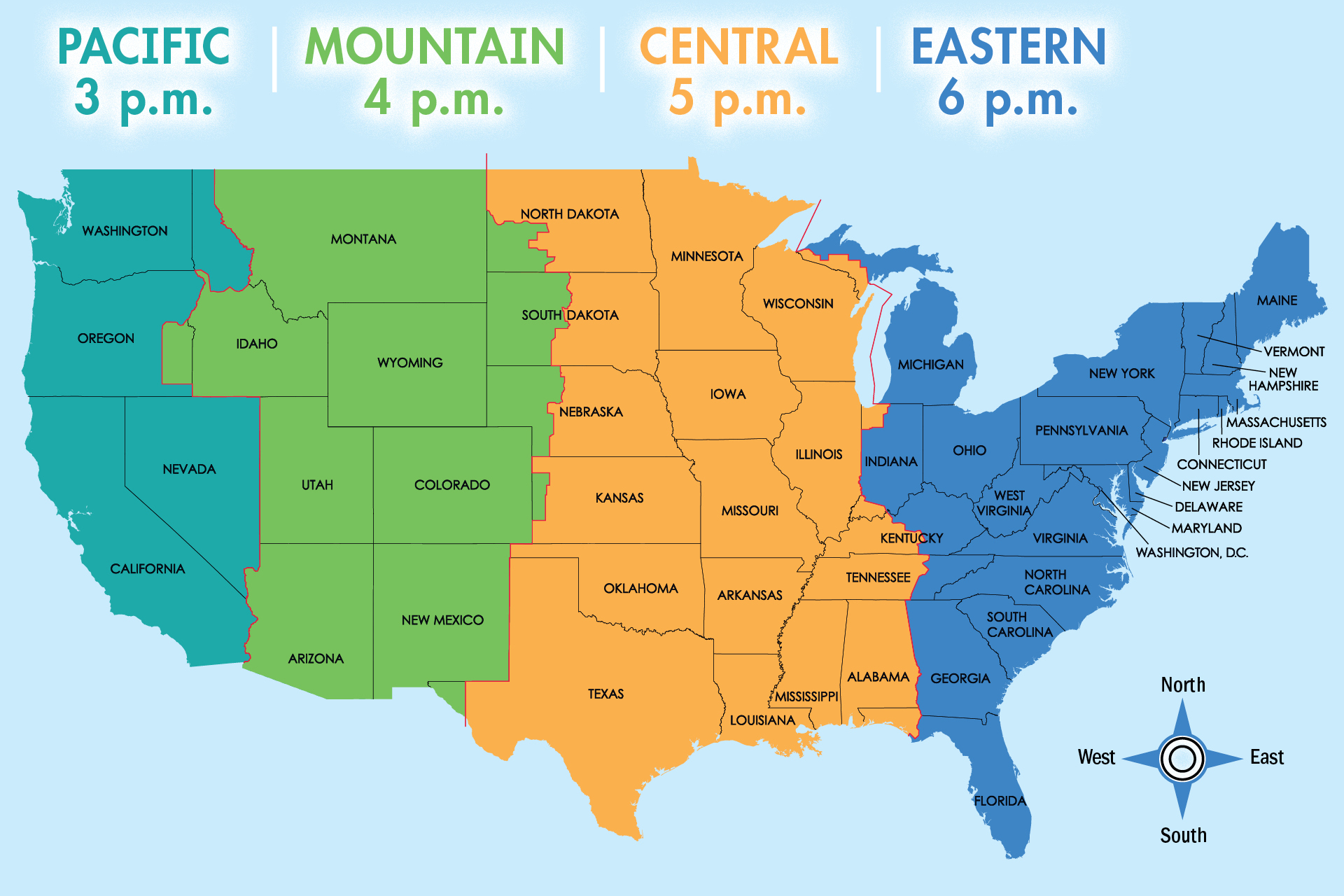
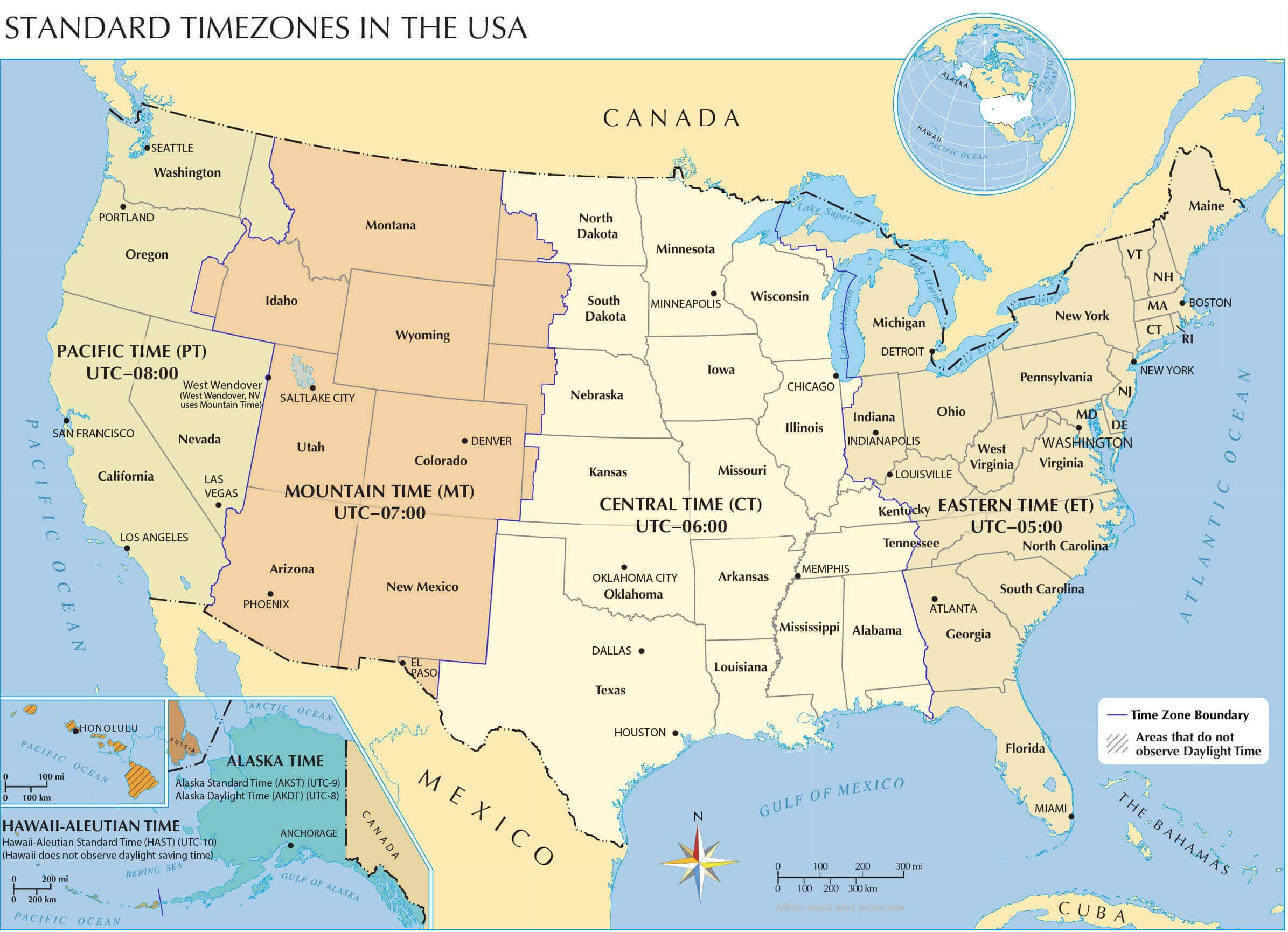
California observes the Pacific Time Zone, which encompasses the westernmost states of the contiguous United States, as well as parts of Canada and Mexico. This means that during standard time, California operates on Pacific Standard Time (PST), which is 8 hours behind Coordinated Universal Time (UTC-8). When Daylight Saving Time is in effect, the state switches to Pacific Daylight Time (PDT), which is 7 hours behind Coordinated Universal Time (UTC-7). This seemingly simple fact has profound implications for travel, tourism, accommodation, business, and everyday lifestyle in the state.
Understanding California’s Timezone: PST and PDT
The observance of the Pacific Time Zone is a defining characteristic for life in California. As the most populous state in the United States, its economic and cultural influence stretches far beyond its borders, making its time designation a point of reference for individuals and businesses worldwide.
Pacific Standard Time (PST)
Pacific Standard Time (PST) is the standard offset of UTC-8. This is the time California operates under during the colder months, typically from early November to mid-March. When it’s noon in Greenwich Mean Time (GMT) or UTC, it’s 4 AM in Los Angeles or San Francisco during PST. This fixed offset provides a consistent benchmark for those planning international calls, scheduling flights, or simply understanding local business hours. For instance, a flight departing London at 10 AM GMT would typically land in California in the late afternoon or early evening PST, after accounting for flight duration.
Pacific Daylight Time (PDT)
California, along with most other states in the United States (with the notable exceptions of Arizona and Hawaii), observes Daylight Saving Time. This means that in the spring, typically on the second Sunday of March, clocks “spring forward” by one hour. The time designation then becomes Pacific Daylight Time (PDT), which is UTC-7. This shift allows for an extra hour of daylight in the evening, a practice designed to conserve energy and provide more opportunities for outdoor activities.
For travelers, this change can sometimes be a source of confusion. Arriving in California during the transition period requires paying close attention to whether the local time is PST or PDT. For example, if you’re booking an accommodation for a stay in April, ensure your booking confirmation reflects the correct local time, especially for check-in and check-out. Many hotels, from luxury resorts in Palm Springs to cozy inns in Napa Valley, will clearly state their check-in times in local hours, but knowing about the daylight saving shift is essential for seamless planning.
The Impact of California’s Timezone on Travel and Tourism
The Pacific Time Zone has a significant bearing on how people plan and experience travel and tourism in California. From battling jet lag to coordinating intricate itineraries, time differences are an undeniable factor in enjoying the Golden State to its fullest.
Navigating Time Differences for Travelers
For visitors arriving from the East Coast of the United States, the three-hour time difference (e.g., New York City is on Eastern Time, UTC-5/UTC-4) can be challenging. Traveling from New York at noon means arriving in Los Angeles at 3 PM local time, but your body clock still registers 6 PM. This western shift often results in “jet lag light,” making early morning activities difficult for the first day or two. Strategies to combat this include adjusting sleep schedules a few days before travel, staying hydrated, and exposing oneself to natural light upon arrival to help reset the circadian rhythm.
International travelers, particularly those from Europe or Asia, face even greater time differences. A journey from Paris (CET, UTC+1/UTC+2) means an 8 or 9-hour difference, while a trip from Tokyo (JST, UTC+9) entails a staggering 16 or 17-hour difference. Planning activities that allow for acclimatization is vital. Many advise against scheduling critical meetings or strenuous activities on the first day of arrival. Instead, opting for light sightseeing or relaxing at a chosen accommodation can make the transition smoother.

Timing Your Visits to California’s Landmarks and Attractions
California’s array of landmarks and attractions, from the Golden Gate Bridge to Disneyland Park, all operate on Pacific Time. Understanding this can significantly impact your touring schedule. Theme parks like Disneyland Park in Anaheim or Universal Studios Hollywood in Los Angeles typically open in the morning and close late evening. If you’re coming from the east, an 8 AM opening might feel like 11 AM, making it easier to be an early bird and beat the crowds. Conversely, evening shows or dinners might feel incredibly late.
Museums, such as The Getty Center or the California Academy of Sciences, generally follow standard 10 AM to 5 PM operating hours. For natural wonders like Yosemite National Park or the scenic drive along Big Sur, there are no strict opening hours, but daylight hours are obviously crucial. During Pacific Daylight Time (PDT), the extended evening daylight provides more flexibility for exploring and enjoying outdoor activities well into the evening, a significant advantage for tourism. For instance, hiking in Joshua Tree National Park or watching the sunset over the Pacific Ocean becomes an even more enchanting experience when you have that extra hour of evening light.
Accommodation and Logistics in the Pacific Time Zone
For travelers, the logistical aspects of timezones extend beyond merely knowing the current hour. Booking, check-in, check-out, and coordinating activities all tie back to the specific time observed in California.
Booking Hotels and Tours
When booking hotels or tours online, especially from a different timezone, always confirm that the times displayed are local California time. Many booking platforms automatically convert times, but a manual double-check can prevent misunderstandings. A flight arriving at 8 PM PDT might mean a late check-in at your San Diego resort, potentially requiring advance notice to the front desk. Similarly, booking a popular winery tour in Napa Valley for 9 AM means you’ll need to be up and ready early by California standards, which could feel like midday if you’re still adjusting from an Eastern Time schedule.
Considering the diverse range of accommodation options in California, from luxury suites in Beverly Hills to budget-friendly apartments in Sacramento, it’s important to factor in arrival and departure times for a smooth experience. Hotels often have specific windows for check-in (e.g., 3 PM) and check-out (e.g., 11 AM). Arriving too early might mean waiting for your room, while delaying check-out could incur additional fees. Always clarify these timings with your chosen hotel or villa.
Coordinating with Local Services and Activities
Whether it’s reserving a table at a Michelin-starred restaurant in San Francisco, scheduling a spa treatment in Palm Springs, or arranging for a shuttle from LAX, all these services adhere to Pacific Time. Business hours for shops, banks, and government offices will be consistent with PST/PDT. For business travelers, this is especially critical for scheduling meetings and conference calls with clients or colleagues in other timezones. A 9 AM meeting in Los Angeles is a 12 PM meeting in New York, and potentially a very late evening for someone in Europe or an early morning for someone in Asia. Effective communication about time zone differences is key to avoiding missed appointments or miscommunications.
Lifestyle and Business Implications of California’s Timezone
Beyond travel logistics, California’s timezone profoundly shapes the daily lifestyle of its residents and the dynamics of its booming economy.
Daily Life and Routine
For millions living in California, the Pacific Time Zone dictates everything from school schedules to evening entertainment. The extended daylight hours during PDT are particularly cherished, allowing for more outdoor activities after work or school, such as surfing in Santa Monica, hiking in the Hollywood Hills, or enjoying al fresco dining along the coastline. This emphasis on outdoor living is a significant aspect of the California lifestyle.
However, the time difference also means that morning news from the East Coast arrives early, and prime-time television shows are broadcast three hours earlier than on the East Coast. Sports fans often find themselves staying up late to watch live games involving teams from the Eastern or Central Time Zones.
Business and Economic Connections
California’s economy, driven by technology, entertainment, and agriculture, is deeply interconnected globally. Silicon Valley’s tech giants, Hollywood’s film studios, and the agricultural industry in the Central Valley all operate under the Pacific Time Zone. This creates a unique rhythm for business operations.
For companies in California that collaborate with partners on the East Coast, the three-hour difference means an early start to the workday to catch colleagues before their day ends. For international trade with Asia or Europe, the time difference necessitates flexible working hours, with early morning or late evening calls being common. This dynamic influences hiring practices, office culture, and even the design of workspaces that accommodate varied working hours. Remote workers and digital nomads often find California’s time zone advantageous for communicating with Asia in the morning and Europe in the late afternoon/evening, effectively extending their “workday window” to connect globally.
Future of California’s Timezone: A Potential Shift?
There has been ongoing discussion and even legislative efforts in California to potentially eliminate Daylight Saving Time or even permanently adopt a specific time offset. In 2018, California voters passed Proposition 7, which gave the state legislature the power to change Daylight Saving Time laws. The idea has been to potentially stay on Pacific Daylight Time (UTC-7) year-round, or to revert to Pacific Standard Time (UTC-8) permanently.
The arguments for such changes often revolve around the perceived health benefits of not changing clocks twice a year, as well as potential economic and energy efficiency gains. However, any such change would require federal approval from the United States Congress and careful consideration of its impact on the economy, public health, and alignment with neighboring states like Oregon and Washington, which also observe the Pacific Time Zone, and Nevada. As of now, California continues to observe both PST and PDT. For travelers and residents, this means the bi-annual clock change remains a factor to consider in planning.
In conclusion, California is firmly situated in the Pacific Time Zone, alternating between Pacific Standard Time (UTC-8) and Pacific Daylight Time (UTC-7) due to Daylight Saving Time. This geographical and temporal reality is far more than just a number; it is a fundamental aspect of navigating the state, influencing everything from efficient travel planning and seamless accommodation experiences to the rhythm of daily life and the dynamics of its powerful economy. Whether you’re a tourist marveling at the Hollywood Sign, a business professional in Silicon Valley, or a resident enjoying the Santa Monica Pier, understanding California’s timezone is key to making the most of your time in the Golden State.
LifeOutOfTheBox is a participant in the Amazon Services LLC Associates Program, an affiliate advertising program designed to provide a means for sites to earn advertising fees by advertising and linking to Amazon.com. Amazon, the Amazon logo, AmazonSupply, and the AmazonSupply logo are trademarks of Amazon.com, Inc. or its affiliates. As an Amazon Associate we earn affiliate commissions from qualifying purchases.