
California, a state renowned for its breathtaking natural beauty, iconic landmarks, and vibrant cultural scene, is also famously situated on the Pacific Ring of Fire, making it a region prone to seismic activity. For travelers planning a visit, understanding the geological landscape and how it might impact their experience is a natural consideration. While earthquakes are a reality of life in the Golden State, they are often minor, and the state’s infrastructure and emergency services are among the most advanced in the world. This article aims to pinpoint recent significant seismic events, delve into California’s unique geology, and provide invaluable insights for visitors, touching upon everything from choosing secure accommodation to embracing safe and memorable travel experiences.
Pinpointing the Latest Seismic Activity and its Broader Context
The question “Where was the earthquake in California?” often refers to the most recent notable event, as smaller tremors occur daily throughout the state, mostly unnoticed. While no major, widely impactful earthquake has recently struck a primary tourist hub, it’s beneficial to look at a past example to understand the typical scenario. One such significant event was the Ridgecrest earthquake sequence in July 2019, which included a magnitude 6.4 foreshock and a magnitude 7.1 mainshock. These events, centered near the city of Ridgecrest in the Mojave Desert, served as a powerful reminder of the state’s dynamic geology. While Ridgecrest itself is not a major tourist destination, the tremors were felt across a vast area, from Los Angeles to Las Vegas, causing concern but relatively minimal damage in distant urban centers. The primary impact was localized, demonstrating the importance of understanding an earthquake’s epicenter and magnitude in assessing its broader consequences for travelers and tourism.
Understanding California’s Tectonic Tapestry: The San Andreas Fault and Beyond
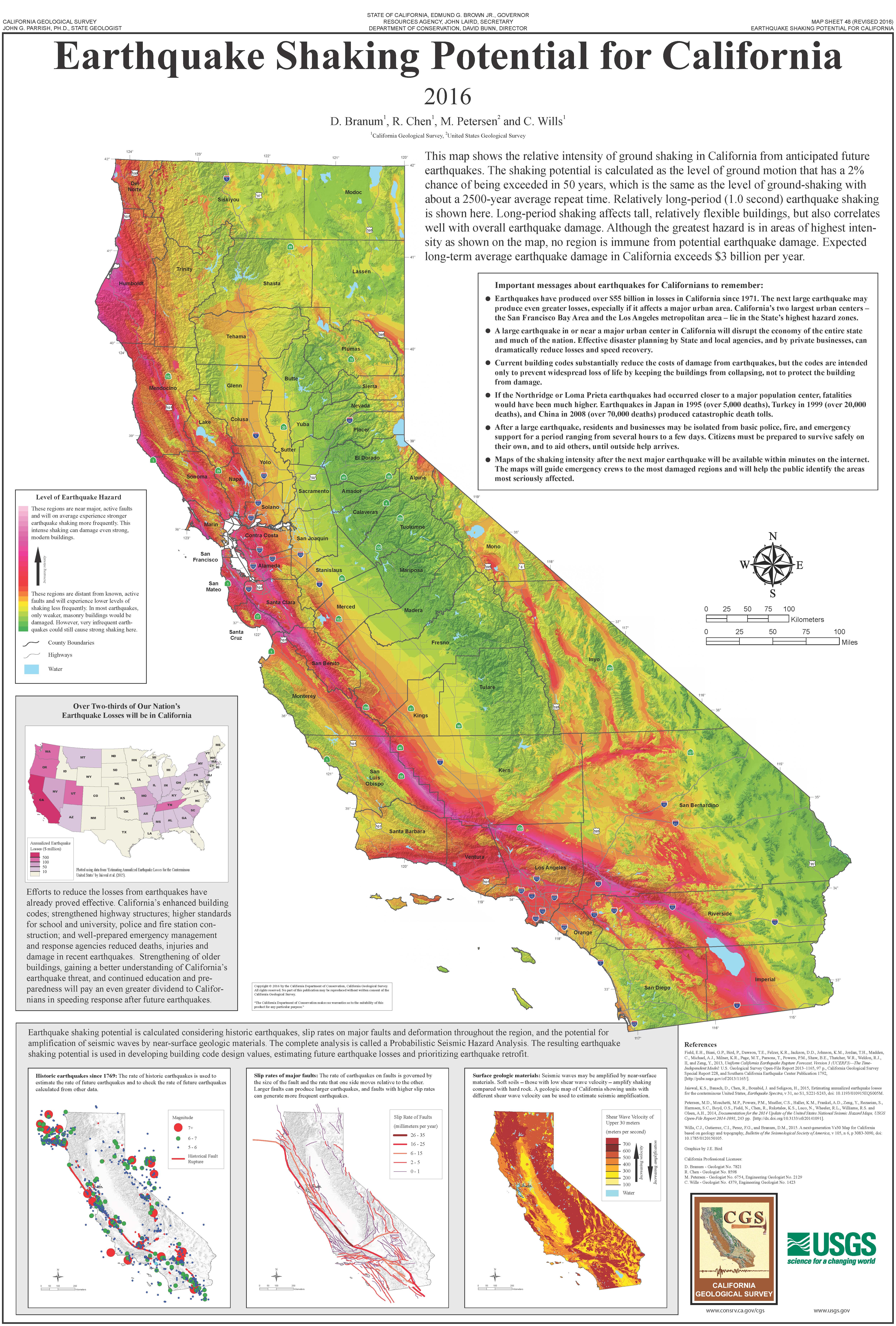
California’s seismic activity is primarily driven by its location at the boundary of two immense tectonic plates: the Pacific Plate and the North American Plate. These plates are not stationary; they are constantly grinding past each other, creating immense stress that is released in the form of earthquakes. The most famous manifestation of this interaction is the San Andreas Fault, a massive right-lateral strike-slip fault that runs for approximately 800 miles through California. This legendary fault line is responsible for many of the state’s larger historical earthquakes and continues to be closely monitored. However, it’s crucial to understand that the San Andreas Fault is not the only active fault system. California is crisscrossed by hundreds of other smaller, yet still significant, fault lines. Examples include the Hayward Fault in the San Francisco Bay Area, the Garlock Fault in the Mojave Desert, and numerous thrust faults that contribute to the dramatic mountain ranges like the Transverse Ranges near Los Angeles.
For visitors, this geological context means that earthquakes are an inherent part of the California experience. While larger, destructive earthquakes are rare, minor tremors are common and generally pose little threat. The state has invested heavily in seismic research, early warning systems, and stringent building codes to mitigate risks, ensuring that most hotels, landmarks, and public spaces are built to withstand significant shaking. Awareness, rather than fear, is the key to a worry-free trip to the Golden State.
Earthquakes and the Golden State’s Tourism Landscape
The perception of earthquake risk can sometimes deter potential visitors, yet California’s vibrant tourism industry continues to thrive, drawing millions annually. This resilience is a testament to both the state’s proactive preparedness and the sheer allure of its diverse attractions. From the sun-drenched beaches of Santa Monica to the towering redwoods of Northern California, and from the vineyards of Napa Valley to the desert landscapes of Joshua Tree National Park, the state offers an unparalleled array of experiences.
Navigating Tourist Destinations Post-Quake: What Travelers Need to Know
When an earthquake does occur, especially a moderate to strong one, the immediate concern for travelers is often the safety and accessibility of their chosen destinations. Following an event like the Ridgecrest quakes, local authorities, national parks, and city services quickly assess damage and issue advisories. For instance, while Ridgecrest itself experienced significant local impact, major tourist attractions in Los Angeles or San Francisco, though they felt the shaking, typically reported no significant damage or disruptions to operations.
If you are planning a trip and hear about a recent earthquake, it’s essential to check official sources for updates. Websites of state tourism boards, local government sites (e.g., city and county emergency services), and park service advisories (for national parks like Yosemite, Death Valley, or Sequoia) will provide the most accurate information on closures, road conditions, and safety precautions. Reputable hotel booking platforms and airlines will also communicate any widespread travel disruptions. Generally, unless you are very close to the epicenter of a significant quake, the likelihood of your entire trip being derailed is low. The vast majority of California remains open and welcoming to visitors, with safety protocols quickly activated where needed.
Resilience of California’s Hotels and Landmarks
One of the cornerstones of California’s preparedness is its stringent building codes, which are continuously updated to incorporate the latest advancements in seismic engineering. This means that hotels, from budget motels to luxury resorts and high-rise apartments, are constructed to withstand significant ground motion. Many older buildings, particularly in major cities, have undergone extensive retrofitting to enhance their earthquake resistance. This commitment to safety extends to the state’s cherished landmarks as well.
Consider iconic structures like the Golden Gate Bridge in San Francisco, the Griffith Observatory in Los Angeles, or the historical buildings in Old Town San Diego. These are not merely architectural marvels but also feats of engineering designed to flex and sway with seismic forces. Disneyland Resort in Anaheim and Universal Studios Hollywood have sophisticated safety protocols and infrastructure designed to protect guests and minimize damage.
When selecting accommodation, especially for long-term stays or family trips, rest assured that establishments across California operate under strict safety regulations. Many higher-end hotels and resorts like the Four Seasons Hotel in Beverly Hills or The Ritz-Carlton in Laguna Niguel often highlight their modern construction and adherence to seismic safety standards as part of their amenities and commitment to guest lifestyle and well-being. This robust infrastructure allows travelers to focus on enjoying their vacation with confidence.
Planning Your California Adventure: Safety and Preparedness
A fulfilling California adventure includes not just exploring its wonders but also being prepared for any eventuality, including the rare occurrence of a significant earthquake. Incorporating a few simple safety measures into your travel plans can significantly enhance your peace of mind.
Essential Safety Tips for Travelers
Understanding basic earthquake safety is paramount for anyone visiting California. The universally recommended actions during an earthquake are “Drop, Cover, and Hold On.”
- Drop to the ground immediately.
- Cover your head and neck with your arms, and if possible, crawl under a sturdy table or desk.
- Hold On to your shelter until the shaking stops.
If you’re outdoors, move to an open area away from buildings, streetlights, and utility wires. If driving, pull over safely and stay inside your vehicle.
Before your trip, familiarize yourself with emergency exits at your hotel or accommodation and identify sturdy pieces of furniture you could use for cover. It’s also wise to have a basic understanding of where emergency supplies might be kept in larger establishments. While unlikely, knowing these steps can make a difference. Always keep your passport, important documents, and any necessary medications easily accessible. Many local municipalities in California offer online guides to earthquake preparedness, which can be useful resources for travelers seeking more detailed information.
Choosing Secure Accommodation: A Guide for Visitors
When booking accommodation, factors like location, amenities, and reviews are typically top priorities. In California, you can add peace of mind regarding seismic safety to that list. Modern hotels, particularly those built after the 1970s, generally incorporate robust earthquake-resistant designs. Major hotel chains and luxury resorts often have dedicated emergency plans and trained staff to assist guests during and after an event.
If you opt for independent vacation rentals like apartments or villas, particularly in historic districts, a quick online search for information about the building’s age and any seismic retrofitting can provide additional assurance. However, it’s important to stress that all commercial accommodations in California are subject to stringent safety regulations. Many hotels provide guest information on emergency procedures in their rooms, and staff are typically well-versed in guiding guests to safety. For business stays or family trips, selecting a reputable establishment with clear safety protocols is a smart move, aligning with a responsible and informed lifestyle approach to travel.
Beyond the Tremors: Embracing California’s Dynamic Spirit
While it’s important to address the reality of seismic activity, it’s equally crucial not to let it overshadow the incredible richness and diversity that California offers. The state’s geological dynamism has not only shaped its dramatic landscapes but also contributed to a resilient and innovative spirit among its residents and tourism providers.
Experiencing California Safely: Travel Insurance and Local Resources
For any international or significant domestic trip to California, comprehensive travel insurance is highly recommended. Policies often cover eventualities like travel interruptions, medical emergencies, or unforeseen natural disasters. Check the specific terms and conditions of your policy to understand what is covered in the event of an earthquake or related disruptions. This is a key component of responsible travel planning, safeguarding your budget travel or luxury travel investment.
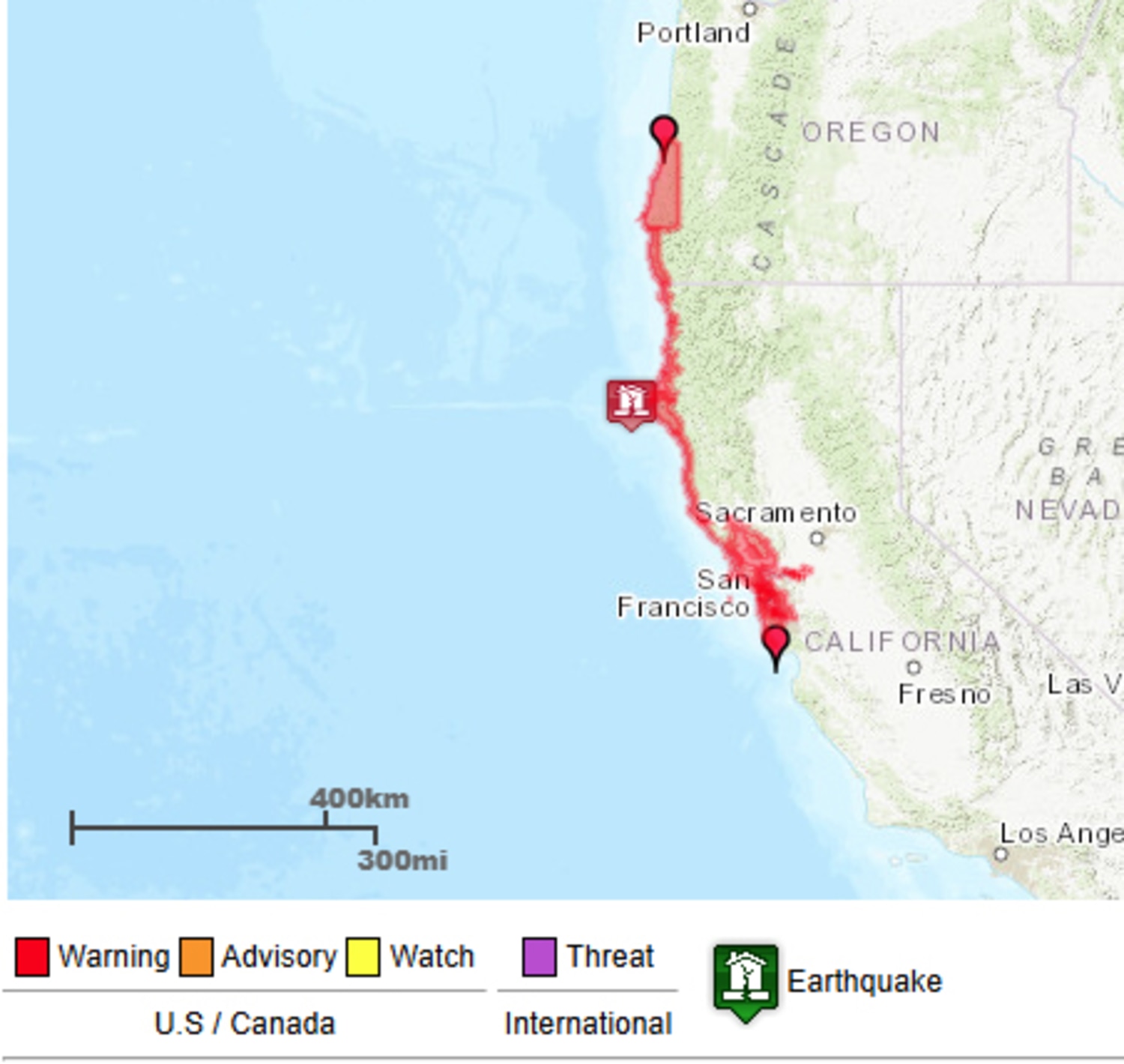
Additionally, utilize local resources. The California Office of Emergency Services (CalOES) website is a goldmine of information, as are local city and county websites for areas you plan to visit, such as San Diego, Sacramento, or Palm Springs. These resources offer real-time alerts, safety guides, and information on local emergency procedures. Many smartphone apps also provide earthquake alerts, which can give you a few precious seconds of warning before shaking begins.
Educational Tourism: Exploring Geological Wonders
Paradoxically, California’s seismic activity itself can be an intriguing aspect of tourism. For those with an interest in geology and natural phenomena, exploring the visible manifestations of plate tectonics can be a unique experience.
- The San Andreas Fault Preserve near Palmdale offers accessible trails where you can see the fault line up close, with interpretive signs explaining its history and significance.
- Anza-Borrego Desert State Park in Southern California features dramatic badlands carved by ancient seismic activity and showcases geological formations like mud caves.
- The California Academy of Sciences in San Francisco and the Natural History Museum of Los Angeles County both have excellent exhibits dedicated to California’s geology and earthquake science, offering interactive displays that explain seismic events in an engaging way for all ages.

These attractions turn a potential concern into an educational opportunity, adding another layer to the diverse experiences available in the state. From exploring the stunning coastline of Big Sur to skiing in Lake Tahoe or soaking up the culture in Monterey and Carmel-by-the-Sea, California remains an unparalleled destination. Its vibrant cities, pristine national parks, and world-class resorts are ready to welcome you, with safety and resilience embedded into the fabric of the state. Understanding “where the earthquake was” is part of being an informed traveler, but it should never overshadow the incredible journey that awaits in California.
LifeOutOfTheBox is a participant in the Amazon Services LLC Associates Program, an affiliate advertising program designed to provide a means for sites to earn advertising fees by advertising and linking to Amazon.com. Amazon, the Amazon logo, AmazonSupply, and the AmazonSupply logo are trademarks of Amazon.com, Inc. or its affiliates. As an Amazon Associate we earn affiliate commissions from qualifying purchases.