
The journey between two vibrant Midwest cities, Chicago, Illinois, and Milwaukee, Wisconsin, is a popular route for travelers seeking a blend of urban excitement, cultural immersion, and scenic beauty. Whether you’re planning a quick day trip, a weekend getaway, or integrating it into a longer Midwest adventure, understanding the distance and optimal travel options is key. This comprehensive guide will not only detail the practicalities of the journey but also inspire you with the unique attractions and experiences each city offers, helping you craft an unforgettable itinerary. From bustling cityscapes to serene lakeside views, the path between these two gems is more than just miles—it’s an invitation to explore.
The Proximity Factor: Distance and Travel Time Between Chicago and Milwaukee
At its core, the question “How far is Milwaukee from Chicago?” seeks a straightforward answer regarding distance and travel duration. Geographically, these two prominent Great Lakes cities are situated relatively close to each other along the western shore of Lake Michigan, making travel between them exceptionally convenient and often a highlight for those exploring the region.
The approximate driving distance between downtown Chicago and downtown Milwaukee is typically around 90 to 95 miles (approximately 145 to 153 kilometers). This relatively short distance translates into a manageable travel time, largely dependent on your chosen mode of transportation and prevailing traffic conditions. For travelers, this proximity opens up a world of possibilities, from exploring a second major urban center in a single trip to easily commuting for business or leisure.
By Car: The Classic Road Trip Experience
For many, the most popular and flexible way to travel between Chicago and Milwaukee is by car. The primary route connecting the two cities is Interstate 94 (I-94), a direct and well-maintained highway that offers straightforward navigation.
Driving Time: Under optimal conditions, a drive along I-94 between the city centers typically takes 1 hour and 30 minutes to 2 hours. However, it’s crucial to factor in potential delays, especially if traveling during peak commuting hours on weekdays or during busy holiday weekends. Traffic congestion around Chicago’s metropolitan area, particularly the downtown expressways, can significantly extend travel times. Similarly, construction zones, which are common during warmer months, can also cause slowdowns. For a smoother journey, consider departing early in the morning or later in the evening.
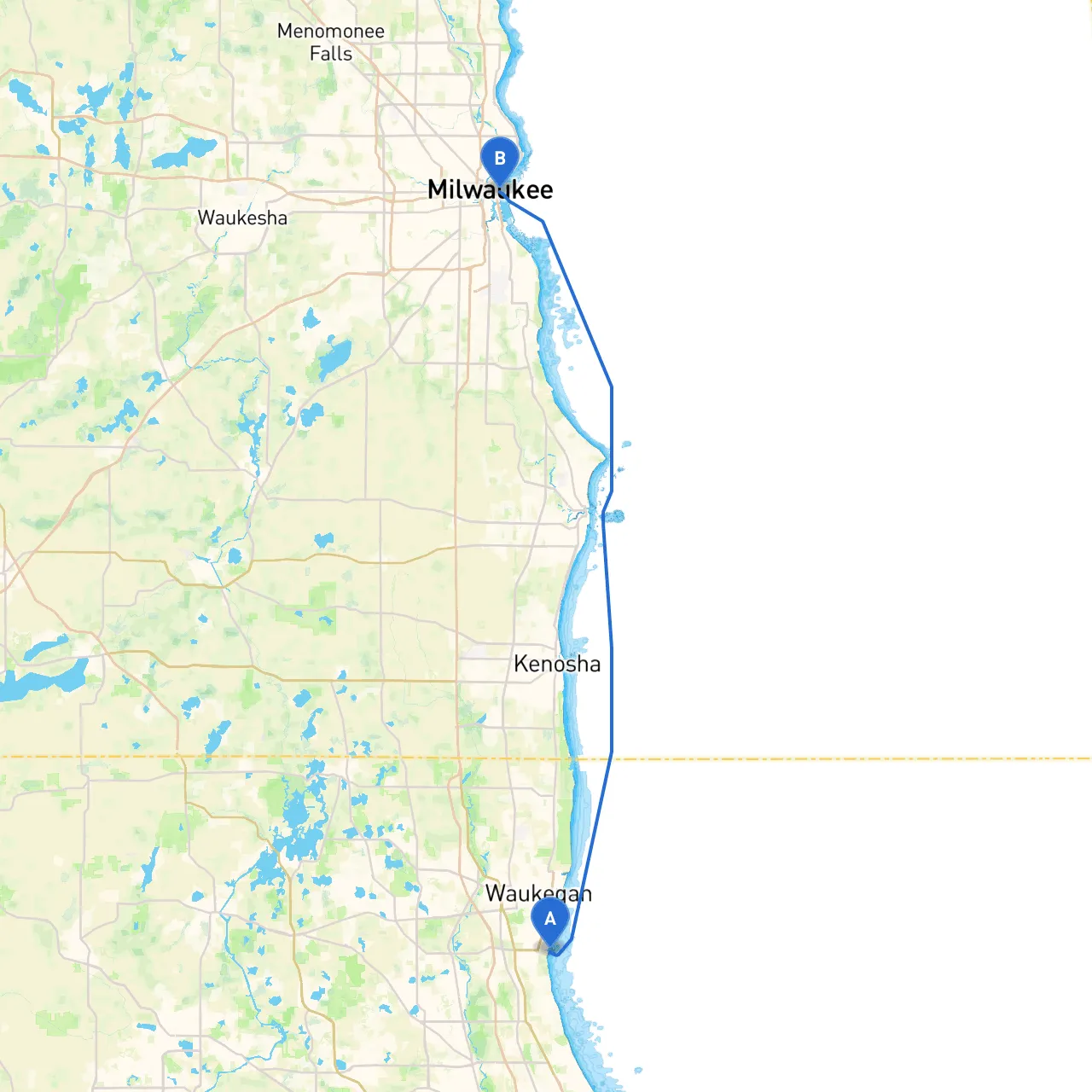
Benefits of Driving:
- Flexibility: A car allows you to set your own schedule, make spontaneous stops, and explore off-the-beaten-path attractions or charming small towns along the way. This is ideal for those who prefer to craft their own unique travel experiences.
- Luggage Capacity: Ample space for luggage, making it convenient for longer stays or for those traveling with family and needing extra gear.
- Convenience: Door-to-door convenience, especially if your accommodations or destinations are not directly on a public transit line.
Considerations:
- Parking: Parking in both downtown Chicago and downtown Milwaukee can be expensive and sometimes challenging to find, especially for extended periods. Research parking options at your hotel or near major attractions beforehand.
- Tolls: There are tolls on certain sections of the Illinois tollway system when driving to or from Chicago. Having an I-Pass or E-ZPass transponder can make the process seamless, otherwise, be prepared for cash or online payment options.

Rail Travel: Scenic and Convenient
For those who prefer to avoid driving and enjoy a relaxing journey, train travel is an excellent option connecting Chicago and Milwaukee. Amtrak operates the frequent Hiawatha Service between Chicago’s Union Station and Milwaukee’s Milwaukee Intermodal Station.
Travel Time: The Hiawatha Service is renowned for its efficiency, with train journeys typically lasting around 1 hour and 30 minutes. This makes it often faster than driving, especially when considering traffic. There are multiple departures daily, offering flexibility for various schedules.
Benefits of Train Travel:
- Comfort: Enjoy comfortable seating, ample legroom, and the ability to move around, read, work, or simply take in the passing scenery.
- No Traffic Worries: Eliminate the stress of navigating traffic, finding parking, and paying tolls.
- Central Stations: Both Union Station in Chicago and Milwaukee Intermodal Station are centrally located, providing easy access to public transportation, taxis, and rideshares to reach your final destination. This is a significant advantage for tourism-focused trips.
- Cost-Effective: Ticket prices can be quite reasonable, especially if booked in advance.
Considerations:
- Booking: It’s advisable to book Amtrak tickets in advance, particularly during peak travel seasons, as trains can fill up.

Bus Services: Budget-Friendly Connections
Several bus companies, including Greyhound, Megabus, and Badger Bus, offer services between Chicago and Milwaukee.
Travel Time: Bus journeys generally take between 1 hour and 45 minutes to 2 hours and 30 minutes, depending on the number of stops and traffic conditions.
Benefits of Bus Travel:
- Affordability: Bus tickets are often the most budget-friendly option, making them ideal for cost-conscious travelers or students.
- Convenience: Similar to trains, bus stations are typically located in central areas, offering good connectivity to local transport.
Considerations:
- Comfort: While modern buses are comfortable, they may not offer the same level of spaciousness as trains.
- Potential Delays: Bus schedules can be more susceptible to traffic delays compared to trains.
Air Travel: Quickest Option for Specific Needs
While driving, train, or bus travel are the most common and practical ways to get between Chicago and Milwaukee due to their proximity, flying is technically an option, though rarely the most efficient for direct travel between the two cities.
Travel Time: A direct flight itself would be very short, perhaps 30-45 minutes. However, when you factor in travel to and from airports, security checks, and boarding times, the total door-to-door journey often outweighs the time saved compared to ground transportation.
- Chicago is served by O’Hare International Airport (ORD) and Midway International Airport (MDW).
- Milwaukee is served by General Mitchell International Airport (MKE).
Benefits of Air Travel:
- Speed (in air): If you are connecting from a longer journey or have specific logistical needs, flying might be part of a broader itinerary.
Considerations:
- Cost: Flights are typically more expensive than train or bus tickets for this route.
- Time Inefficiency: The total travel time, when including airport logistics, often makes flying impractical for a direct Chicago-Milwaukee trip.
- Environmental Impact: For short distances, ground transportation is a more environmentally friendly choice.
Unveiling Milwaukee: Attractions and Experiences Worth the Journey
Once you’ve made the short trip to Milwaukee, a city rich in history, culture, and a distinct Midwest charm awaits. Often overshadowed by its larger neighbor, Milwaukee offers a more laid-back vibe with a vibrant arts scene, world-class museums, delicious food, and, of course, a legendary brewing heritage. It’s a fantastic destination for all types of travelers, from those seeking family-friendly trips to solo explorers and business stays.
Iconic Landmarks and Cultural Hotspots
Milwaukee’s cultural landscape is surprisingly diverse and accessible.
- The Milwaukee Art Museum, with its iconic “wings” (Burke Brise Soleil) designed by Santiago Calatrava, is a visual marvel and home to an impressive collection spanning from antiquity to contemporary art. Its architecture alone is a reason to visit.
- For motor enthusiasts, the Harley-Davidson Museum is a must-see, offering a deep dive into the legendary motorcycle brand’s history and impact on American culture.
- Stroll through the Historic Third Ward, a revitalized warehouse district brimming with art galleries, boutiques, and trendy restaurants. Its cobblestone streets and Victorian architecture make for a picturesque walk.
- Don’t miss the Milwaukee Public Market, an indoor market showcasing local vendors, artisans, and eateries—perfect for a taste of local food and goods.
- For a touch of elegance, consider a visit to The Pfister Hotel, a historic landmark known for its Victorian art collection and opulent interiors.
Culinary Delights and Craft Breweries
Milwaukee’s culinary scene goes far beyond cheese and beer, though both are undeniably integral to its identity.
- The city has a rich brewing heritage, once home to giants like Miller, Pabst, and Schlitz. Today, you can explore this history at various brewery tours or delve into the burgeoning craft beer scene at places like Lakefront Brewery or MobCraft Beer.
- From traditional German eateries serving schnitzel and bratwurst to upscale farm-to-table restaurants and diverse ethnic cuisines, Milwaukee offers something for every palate. The Historic Third Ward and Walker’s Point neighborhoods are particularly known for their dynamic dining options.
Family-Friendly Fun and Outdoor Adventures
Milwaukee is an excellent destination for family trips and outdoor enthusiasts.
- The Milwaukee County Zoo is a sprawling park housing over 2,000 animals, offering a full day of exploration and education.
- Discovery World, located on the lakefront, is an interactive science and technology center perfect for curious minds of all ages.
- The Milwaukee RiverWalk offers miles of scenic pathways along the Milwaukee River, dotted with public art, restaurants, and access to boat tours.
- During the summer, Milwaukee hosts Summerfest, the “World’s Largest Music Festival,” along with numerous other festivals celebrating everything from local culture to ethnic heritage. The city’s extensive park system, including the beautiful Lakeshore State Park, provides ample opportunities for walking, biking, and enjoying nature along Lake Michigan.
Navigating Chicago: Why the Windy City Calls
The allure of Chicago needs little introduction. As a global hub for commerce, culture, and tourism, the Windy City promises an unparalleled urban adventure. Its imposing skyline, world-class museums, culinary innovation, and vibrant neighborhoods make it a destination that captivates every visitor, whether on a luxury travel excursion or a budget travel exploration.
Architectural Marvels and World-Class Museums
Chicago’s contribution to modern architecture is legendary.
- Take an architectural boat tour along the Chicago River to admire structures like the Willis Tower (formerly Sears Tower), the Aqua Tower, and the historic Tribune Tower.
- Ascend to the 360 Chicago Observation Deck at the John Hancock Center or the Skydeck Chicago at the Willis Tower for breathtaking panoramic views of the city and Lake Michigan.
- The city is home to some of the world’s finest museums, clustered conveniently around Museum Campus. This includes the renowned Art Institute of Chicago, the expansive Field Museum (natural history), the interactive Shedd Aquarium, and the celestial wonders of the Adler Planetarium.
- Millennium Park is a masterpiece of urban planning, featuring the iconic Cloud Gate (“The Bean”), the Crown Fountain, and the Jay Pritzker Pavilion.
Gastronomic Excellence and Vibrant Nightlife
Chicago’s reputation as a culinary powerhouse is well-deserved.
- From deep-dish pizza to Michelin-starred restaurants, the city’s food scene is incredibly diverse. Explore neighborhood gems in areas like River North, West Loop, or Lincoln Park.
- Beyond food, Chicago’s nightlife is legendary, with world-class jazz and blues clubs, trendy cocktail bars, and lively dance venues. Catch a show at a historic theater or enjoy live music in a speakeasy.
Shopping and Entertainment Districts
- The Magnificent Mile on Michigan Avenue offers an unparalleled shopping experience, from luxury brands to major department stores.
- Navy Pier provides family-friendly entertainment with its iconic Ferris wheel, restaurants, and boat tours.
- Sports enthusiasts can catch a Cubs game at Wrigleyville or a White Sox game at Guaranteed Rate Field, or enjoy a Bulls or Blackhawks game at the United Center.
Planning Your Midwest Itinerary: Accommodation and Travel Tips
Crafting the perfect trip between Chicago and Milwaukee involves more than just knowing the distance; it’s about optimizing your travel, choosing the right accommodation, and making the most of your time. This region offers flexibility for various lifestyles and travel budgets.
Finding Your Perfect Stay: Hotels and More
Both Chicago and Milwaukee boast a wide array of accommodation options, catering to every preference and price point.
- Hotels: From luxurious five-star resorts and boutique hotels to budget-friendly chains, you’ll find ample choices. In Chicago, popular luxury hotels include The Langham Chicago, Four Seasons Hotel Chicago, and Godfrey Hotel Chicago. Milwaukee offers equally impressive stays like The Pfister Hotel for classic elegance or The Iron Horse Hotel for a more industrial-chic experience, along with newer options like Potawatomi Hotel & Casino.
- Apartments & Villas: For longer stays, family trips, or those seeking a more local experience, consider booking an apartment or villa through platforms that offer extended stay options. This can provide amenities like kitchens and more living space, perfect for long-term stays.
- Booking and Reviews: Always check reviews and compare prices across different platforms before booking to ensure you find the best value and amenities for your needs. Consider your desired neighborhood—whether you want to be in the heart of the action or prefer a quieter residential feel.
Maximizing Your Trip: Practical Advice
- Best Time to Visit: Both cities are vibrant year-round, but the summer months (June-August) offer the most pleasant weather for outdoor activities and a packed festival schedule. Spring and fall provide milder temperatures and fewer crowds. Winter can be cold but offers unique festive charm and indoor attractions.
- Transportation within Cities: Both Chicago and Milwaukee have excellent public transportation systems. Chicago’s CTA (Chicago Transit Authority) offers extensive bus and ‘L’ train services. Milwaukee has a reliable bus network and the Hop Streetcar for downtown exploration.
- Packing Essentials: Depending on the season, pack layers. Comfortable walking shoes are a must for exploring either city.
- Local Tips: Engage with locals! They can offer invaluable insights into hidden gems, best eateries, and authentic local culture. Consider free walking tours in both cities to get oriented.
A Tale of Two Cities: Choosing Your Focus
While distinct, Chicago and Milwaukee complement each other perfectly for a Midwest itinerary.
- If you crave grand scale and endless options: Focus more time on Chicago for its towering architecture, vast museums, and bustling nightlife.
- If you seek charm, craft culture, and a relaxed pace: Devote more time to Milwaukee to explore its brewing history, art scene, and friendly neighborhoods.
- The Perfect Balance: Many travelers choose to spend 3-4 days in Chicago and then take a day trip or an overnight stay in Milwaukee to experience both. This offers a comprehensive taste of the Midwest’s urban offerings.
Beyond the Miles: Making the Most of Your Journey
The distance between Chicago and Milwaukee is undeniably short, but the experience of traveling between them and exploring each unique destination is vast. This journey offers a fantastic opportunity to contrast two dynamic Midwest cities, each with its own character, charm, and myriad attractions. Whether you’re drawn by the majestic architecture of Chicago or the vibrant craft scene of Milwaukee, the road (or rail) connecting them is an open invitation to discover the rich culture, delicious food, and welcoming spirit of the Great Lakes region. Plan your trip with these guides in mind, and prepare for an unforgettable adventure.
LifeOutOfTheBox is a participant in the Amazon Services LLC Associates Program, an affiliate advertising program designed to provide a means for sites to earn advertising fees by advertising and linking to Amazon.com. Amazon, the Amazon logo, AmazonSupply, and the AmazonSupply logo are trademarks of Amazon.com, Inc. or its affiliates. As an Amazon Associate we earn affiliate commissions from qualifying purchases.