
Gazing up at the colossal structure piercing the Chicago skyline, one question invariably comes to mind: just how tall is it? Officially known as the Willis Tower, but affectionately (and persistently) referred to by many as the Sears Tower, this iconic skyscraper is far more than just a collection of steel and glass. It’s a marvel of human engineering, a testament to ambition, and a historical landmark that has redefined urban architecture. For decades, it proudly held the title of the world’s tallest building, captivating imaginations and drawing millions of visitors eager to witness its breathtaking scale and panoramic views.
The story of the Willis Tower is a journey through architectural innovation, corporate ambition, and a profound impact on the city of Chicago itself. Its sheer height, a characteristic that initially defined its global prominence, continues to be a major draw, offering an unparalleled perspective on the bustling metropolis below. Whether you’re a first-time visitor to the Windy City, a seasoned traveler seeking new experiences, or simply an admirer of grand architecture, understanding the dimensions and legacy of this magnificent structure is key to appreciating its enduring significance. This article delves deep into the numbers, the history, the experience, and the practicalities of visiting one of the world’s most recognizable buildings.
The Sky-High Numbers: Unpacking the Tower’s Dimensions
To truly grasp the magnitude of the Willis Tower, we must first confront the raw numbers that define its staggering height. It’s a figure that has changed the definition of a city skyline and challenged the limits of what was thought possible in skyscraper construction.
A Quantitative Look at a Colossal Structure
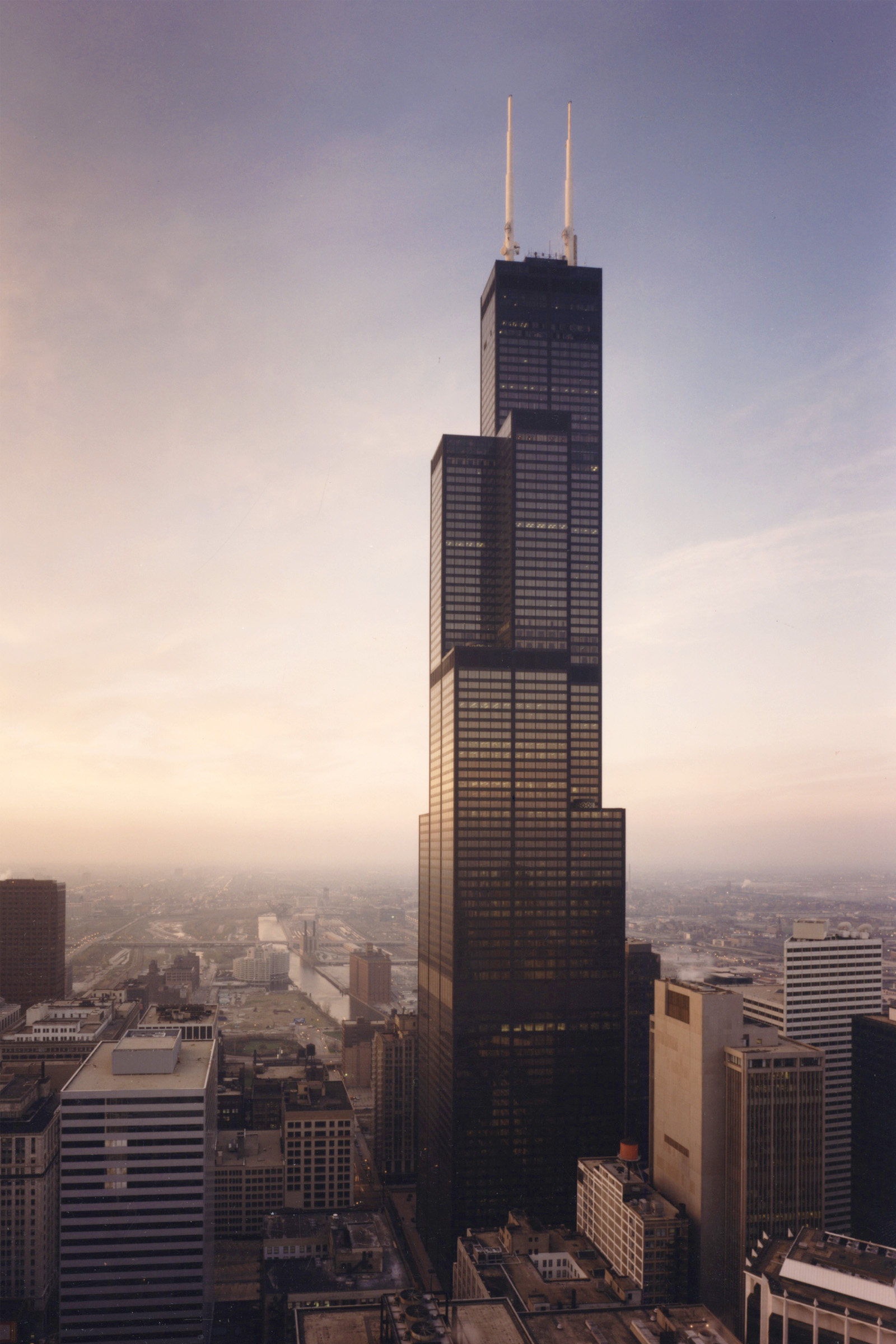
Let’s cut straight to the chase: the Willis Tower stands at an astounding 1,450 feet (442 meters) from its base to the top of its architectural roof. This measurement places it among the elite supertall skyscrapers globally. However, this isn’t the whole story. When you include its twin antenna spires, the tower reaches an incredible 1,739 feet (530 meters), a measurement that truly showcases its dominance on the Chicago horizon.
For perspective, imagine 110 stories stacked one on top of the other, each one contributing to a vertical ascent that seems to scrape the very clouds. These 110 floors house a vast array of offices, making it a vibrant hub of commercial activity, but also contain the immensely popular Skydeck Chicago on the 103rd floor, which offers visitors a bird’s-eye view that stretches for miles in every direction. The elevator ride to the Skydeck is an experience in itself, ascending at speeds that make your ears pop, delivering you to the pinnacle of urban observation in mere seconds.
When it opened its doors in 1973, the Sears Tower dethroned the World Trade Center in New York City to become the tallest building in the world, a title it held for nearly 25 years. It wasn’t until the completion of the Petronas Towers in Kuala Lumpur, Malaysia, in 1998, that it lost its top spot. Even today, though surpassed by several newer giants like the Burj Khalifa in Dubai, the Shanghai Tower in Shanghai, and Abraj Al-Bait Clock Tower in Mecca, its architectural height ensures its place among the top 20 tallest buildings globally, solidifying its status as an enduring symbol of engineering prowess.

It’s also worth noting the distinction in height measurements. The Council on Tall Buildings and Urban Habitat (CTBUH), the leading authority on skyscraper height, recognizes three main categories:
- Height to Architectural Top: This includes spires but excludes antennas, signage, flagpoles, or other functional-technical equipment. This is the 1,450 feet (442 meters) figure.
- Height to Highest Occupied Floor: This refers to the highest floor area in continuous occupancy. For the Willis Tower, this is approximately 1,354 feet (413 meters).
- Height to Tip: This includes all elements, including antennas, flagpoles, etc. This is the grand 1,739 feet (530 meters) figure, the measurement that often captures the public’s imagination the most.
Regardless of how you measure it, the Willis Tower remains a breathtakingly tall structure.
More Than Just Height: The Tower’s Design and Engineering Marvel
The sheer height of the Willis Tower isn’t just about raw numbers; it’s a testament to revolutionary structural engineering and architectural vision. The building was designed by the architectural firm Skidmore, Owings & Merrill (SOM), with lead architect Bruce Graham and structural engineer Fazlur Rahman Khan at the helm. Their groundbreaking “bundled tube” structural system was a game-changer for supertall skyscraper design.
This innovative design essentially consists of nine square “tubes” that rise from the foundation, forming a 3×3 matrix. Instead of tapering uniformly, the building’s height is achieved by terminating groups of these tubes at different elevations. Two of the nine tubes rise to the 50th floor, two more to the 66th, three to the 90th, and the remaining two continue all the way to the 110th floor. This staggered, bundled tube approach not only provides exceptional stability against the powerful winds that sweep across Lake Michigan but also allows for varying floor plate sizes, optimizing space utilization for its tenants. The structural integrity and efficiency of this system were so profound that it influenced skyscraper design for decades to come.
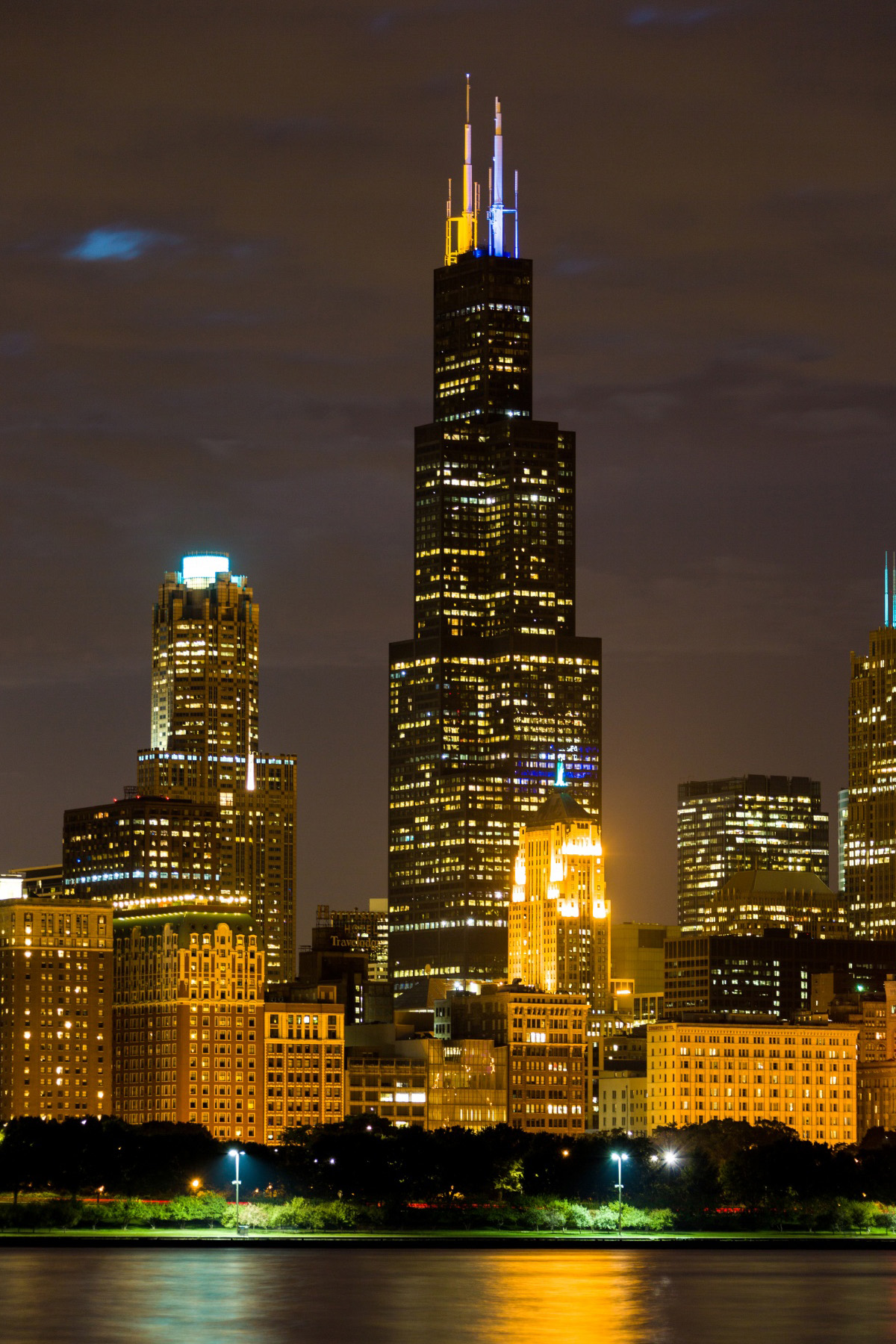
The use of a steel frame, allowing for flexibility and resilience, combined with the bundled tube concept, ensured that the Sears Tower could withstand dynamic loads, sway gracefully rather than rigidly, and offer its occupants a sense of security even at dizzying heights. Its black anodized aluminum and bronze-tinted glass facade also played a crucial role in its distinct aesthetic, creating a monolithic presence that perfectly captured the ambition and power of the corporation it was built for.
A Name Change and an Enduring Legacy: From Sears to Willis
Few buildings have sparked as much debate and identity struggle as the Sears Tower. Its name change in the 21st century stirred strong emotions, yet its legacy as a Chicago icon remains undisputed.
The Sears Tower Era: A Symbol of Corporate Ambition
When it was completed in 1973, the building was unequivocally named the Sears Tower. It served as the corporate headquarters for Sears, Roebuck and Company, then the world’s largest retailer. The company, seeking to consolidate its vast workforce into one central location, envisioned a structure that would not only accommodate its employees but also symbolize its immense power and reach. The decision to build the world’s tallest building was a bold statement of confidence in the company’s future and a powerful declaration of its dominant position in American commerce.
For decades, “the Sears Tower” was synonymous with Chicago. It was a beacon, a point of reference, and an object of immense civic pride. Its image adorned postcards, appeared in movies, and was etched into the collective memory of generations of Americans and international visitors. It was more than just an office building; it was an aspirational landmark, embodying the spirit of innovation and enterprise that characterized much of the 20th century. Its construction represented the pinnacle of post-war American industrial might and architectural ambition, drawing countless tourists and architecture enthusiasts from across the globe to witness its magnificence.
The Willis Tower Identity: Embracing a New Chapter
However, the corporate landscape is ever-changing. Sears began to divest itself of the building in the 1990s, eventually selling its naming rights. In 2009, the London-based insurance broker Willis Group Holdings secured the naming rights for 15 years, leading to the controversial renaming of the building to the Willis Tower.
The announcement sent ripples of consternation through Chicago and beyond. Many residents and long-time admirers felt a strong emotional connection to the original name, viewing “Sears Tower” as an integral part of the city’s identity and history. The debate over the name continues to this day, with many still referring to it by its original moniker, despite the official change. This sentiment underscores the profound cultural impact buildings like this can have, becoming ingrained in the fabric of a community’s heritage.
Despite the naming controversy, the Willis Tower continues to thrive as a premier commercial address and a global tourist attraction. Its management has invested significantly in modernizing its facilities, enhancing the visitor experience, and ensuring its continued relevance in a rapidly evolving urban environment. The name change represents a new chapter for the building, one that emphasizes its ongoing role as a dynamic component of Chicago’s economic and cultural life, rather than solely a monument to a past corporate giant. It serves as a living landmark, constantly adapting while retaining its core identity as a symbol of architectural achievement.
Beyond the Stats: Experiencing the Willis Tower
While its height and history are compelling, the true magic of the Willis Tower lies in the experience it offers. Visiting this skyscraper is more than just observing a tall building; it’s about engaging with the city from an entirely new perspective.
The Skydeck Chicago and The Ledge: Views from the Top
The undisputed highlight for any visitor is Skydeck Chicago, located on the 103rd floor. This observation deck provides breathtaking 360-degree views of Chicago and beyond. On a clear day, you can see up to 50 miles in every direction, spanning across four states: Illinois, Indiana, Michigan, and Wisconsin. The cityscape sprawls beneath you like an intricate map, with the serpentine Chicago River, the vast expanse of Lake Michigan, and countless architectural treasures all visible.
But the real thrill, and perhaps the ultimate test of nerve, comes with The Ledge. Introduced in 2009, The Ledge comprises four glass-floored, glass-walled boxes that extend approximately 4.3 feet (1.3 meters) out from the building’s facade. Stepping onto The Ledge is an exhilarating, slightly terrifying experience. You stand 1,353 feet (412 meters) above the streets below, with nothing but a clear sheet of glass between you and the ground. It’s an unparalleled photo opportunity and an adrenaline rush that few other attractions can match. Visitors often queue patiently for their turn to brave The Ledge, capturing stunning selfies and unforgettable moments of triumph over vertigo.
The Skydeck experience also includes interactive exhibits that delve into Chicago’s history, culture, and famous architecture. These exhibits are thoughtfully designed to entertain and educate, providing context to the magnificent views and enriching the overall visit. From learning about the Great Chicago Fire to understanding the city’s role in jazz and blues music, the pre-Skydeck journey adds depth to the understanding of the city you’re about to see from above.
A Hub of Activity: What’s Inside and Around the Tower
Beyond the Skydeck, the Willis Tower itself is a bustling vertical city. It houses over 100 businesses, including law firms, financial institutions, and consulting companies, making it a critical hub for Chicago’s economy. The lobby and lower floors feature a variety of retail shops, restaurants, and cafes, catering to both the building’s tenants and the millions of tourists who pass through its doors each year. The “Catalog” food hall, located on the second floor, offers a diverse range of culinary options, paying homage to the building’s Sears catalog origins with a modern twist.
The tower is strategically located in the heart of Chicago’s Loop district, putting it within easy walking distance of numerous other attractions. Its imposing presence defines the southern end of the city’s central business district, acting as a gravitational pull for both commerce and tourism. Its immediate surroundings are characterized by a vibrant urban environment, with other architectural masterpieces, bustling streets, and lush urban parks nearby. The building is not just an isolated structure; it’s an integrated part of Chicago’s dynamic ecosystem, influencing pedestrian flow, public transport, and the overall rhythm of city life. The extensive redevelopment of the lower levels further solidifies its role as a destination unto itself, offering amenities that enhance its appeal as a lifestyle hub.
Planning Your Visit to Chicago’s Iconic Skyscraper
A visit to the Willis Tower is a must-do for anyone exploring Chicago. To make the most of your experience, a little planning goes a long way, especially when considering the city’s diverse offerings and accommodation options.
Best Times to Visit and How to Get There
To enjoy the Skydeck Chicago with fewer crowds, consider visiting first thing in the morning when it opens, or later in the evening after the main rush subsides. Sunset offers particularly spectacular views as the city lights begin to twinkle, but it’s also a peak time. Weekdays generally see fewer visitors than weekends. Check the official Skydeck Chicago website for current operating hours and to book tickets in advance, which can save you time and sometimes offer a discounted rate.
Getting to the Willis Tower is convenient, thanks to Chicago’s excellent public transportation system. Several ‘L’ train lines have stops within a few blocks, including the Quincy/Wells station (Brown, Orange, Pink, Purple lines) and the Adams/Wabash station (Brown, Green, Orange, Pink, Purple lines). Numerous bus routes also serve the area. If you’re staying in a downtown hotel, the tower might even be within walking distance, allowing you to soak in the surrounding architecture as you approach. Taxis and ride-sharing services are also readily available, making access simple from any point in the city.
Nearby Attractions and Accommodation Options
The Willis Tower’s central location in the Loop means you’re perfectly positioned to explore many other significant Chicago attractions. A short walk east will lead you to Millennium Park, home to the famous “Bean” sculpture (Cloud Gate), and the Art Institute of Chicago, one of the oldest and largest art museums in the United States. To the north, you can explore the bustling retail paradise of the Magnificent Mile, or head towards Navy Pier for waterfront entertainment and dining. Architectural boat tours, which depart from the Chicago River, are also highly recommended for an in-depth look at the city’s storied buildings from a different vantage point, often offering stunning views of the Willis Tower itself.
For accommodation, Chicago offers a vast array of hotels, suites, and apartments to suit every budget and travel style. If you’re looking for luxury, consider staying in the Loop or on the Magnificent Mile at renowned establishments like the Langham Chicago or the Peninsula Chicago. For business travelers, many hotels in the immediate vicinity of the Willis Tower cater to corporate needs with excellent amenities and connectivity. Families might prefer hotels with larger suites or those closer to attractions like Millennium Park. Budget-conscious travelers will find plenty of options throughout the downtown area and surrounding neighborhoods, often accessible via public transport. Booking in advance, especially during peak tourist season or major conventions, is always advisable to secure the best rates and preferred locations. Many of these hotels offer stunning city views, sometimes even catching a glimpse of the Willis Tower itself from your room, adding another layer to your Chicago experience.
In conclusion, the Willis Tower stands as a monument to human ingenuity and a vibrant centerpiece of Chicago. Its impressive height, rich history, and the thrilling Skydeck experience make it an unmissable destination for any traveler. So, when you plan your next trip to Chicago, make sure to include a visit to this magnificent skyscraper and discover for yourself the unparalleled perspective it offers on one of America’s greatest cities.
LifeOutOfTheBox is a participant in the Amazon Services LLC Associates Program, an affiliate advertising program designed to provide a means for sites to earn advertising fees by advertising and linking to Amazon.com. Amazon, the Amazon logo, AmazonSupply, and the AmazonSupply logo are trademarks of Amazon.com, Inc. or its affiliates. As an Amazon Associate we earn affiliate commissions from qualifying purchases.