
Hyde Park, a vibrant and historically rich neighborhood on Chicago‘s South Side, often sparks curiosity regarding its safety among prospective visitors and residents. As a premier destination for culture, education, and unique experiences, understanding the realities of safety in Hyde Park is paramount for planning your trip or considering a long-term stay. While Chicago, like any major metropolitan area, has its challenges, Hyde Park stands out as a generally welcoming and secure community, particularly for those who exercise typical urban precautions.
This guide delves into the various facets of safety in Hyde Park, offering a balanced perspective on crime, community initiatives, and practical tips for visitors. We’ll explore the neighborhood’s unique character, its wealth of attractions, and the diverse lifestyle it offers, ensuring you can navigate your visit with confidence and make the most of your time in this fascinating part of the Windy City. From iconic landmarks and world-class museums to charming local eateries and serene green spaces, Hyde Park promises an enriching experience, making its safety profile a crucial consideration for any discerning traveler.
Understanding Hyde Park: A Jewel on Chicago’s South Side
Nestled along the scenic shores of Lake Michigan, Hyde Park is more than just a neighborhood; it’s a dynamic cultural hub with a storied past and a progressive present. Its distinctive character is shaped by a confluence of academic rigor, architectural grandeur, and a deeply engaged community spirit. For anyone planning travel or looking for accommodation, understanding the fabric of Hyde Park is key to appreciating its appeal and feeling comfortable within its bounds.
A Rich Tapestry of History and Culture
The history of Hyde Park is intrinsically linked to some of Chicago’s most significant milestones. It gained international prominence as the site of the 1893 World’s Columbian Exposition, an event that left an indelible mark on its landscape, particularly in areas like Jackson Park. The neighborhood’s intellectual heartbeat is undoubtedly the University of Chicago, a world-renowned institution that has attracted Nobel laureates, influential scholars, and diverse minds for over a century. Its Gothic architecture and sprawling campus contribute significantly to the area’s aesthetic and intellectual vibrancy.
Beyond academia, Hyde Park has been home to notable figures, including former President Barack Obama, whose Obama Residence remains a point of interest. The neighborhood’s cultural institutions are equally impressive. The Museum of Science and Industry, a legacy of the Columbian Exposition, is a monumental draw for families and science enthusiasts. Art lovers can explore the Smart Museum of Art and the Oriental Institute Museum on the University of Chicago campus, both offering exceptional collections. Furthermore, the DuSable Black History Museum and Education Center enriches the cultural landscape, providing profound insights into African American history and art. This blend of historical significance, academic excellence, and diverse cultural institutions creates an atmosphere that is both intellectually stimulating and deeply engaging for any visitor.
Location and Demographics
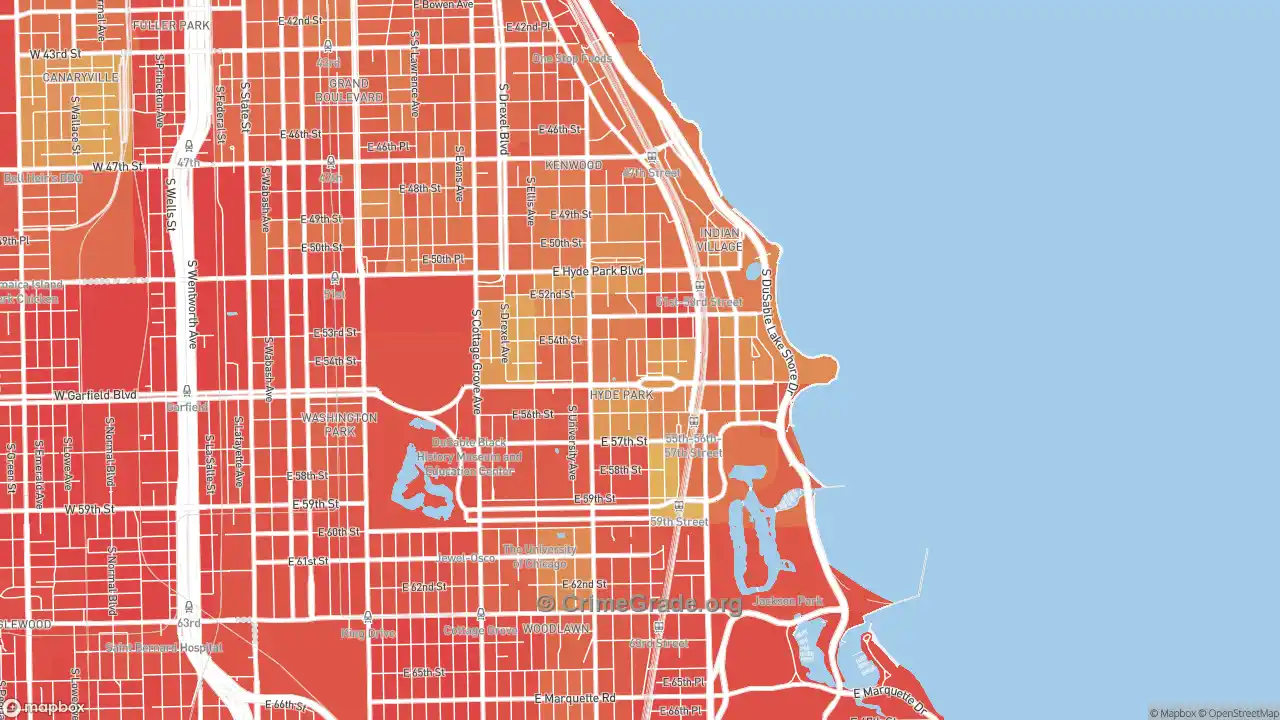
Hyde Park is strategically located approximately seven miles south of Downtown Chicago, making it accessible while maintaining a distinct identity. It is bordered by Washington Park to the west, Lake Michigan to the east, and the Midway Plaisance serving as a central green space. This proximity to the lake offers residents and visitors beautiful waterfront access, including Promontory Point, a popular spot for recreation and stunning skyline views.
The demographics of Hyde Park are remarkably diverse, reflecting a vibrant mix of students, faculty, professionals, and long-time residents from various ethnic and socioeconomic backgrounds. This diversity is a cornerstone of its community identity, fostering a rich tapestry of perspectives and experiences. The presence of the University of Chicago naturally injects a youthful and international energy into the area, contributing to its cosmopolitan feel. This melting pot of people contributes to a lively atmosphere, evident in the eclectic mix of restaurants, shops, and community events that thrive in Hyde Park. Understanding these foundational elements helps set the stage for a deeper discussion about safety, as community engagement and diverse populations often play a role in maintaining urban security.
Addressing the Safety Question: A Balanced Perspective
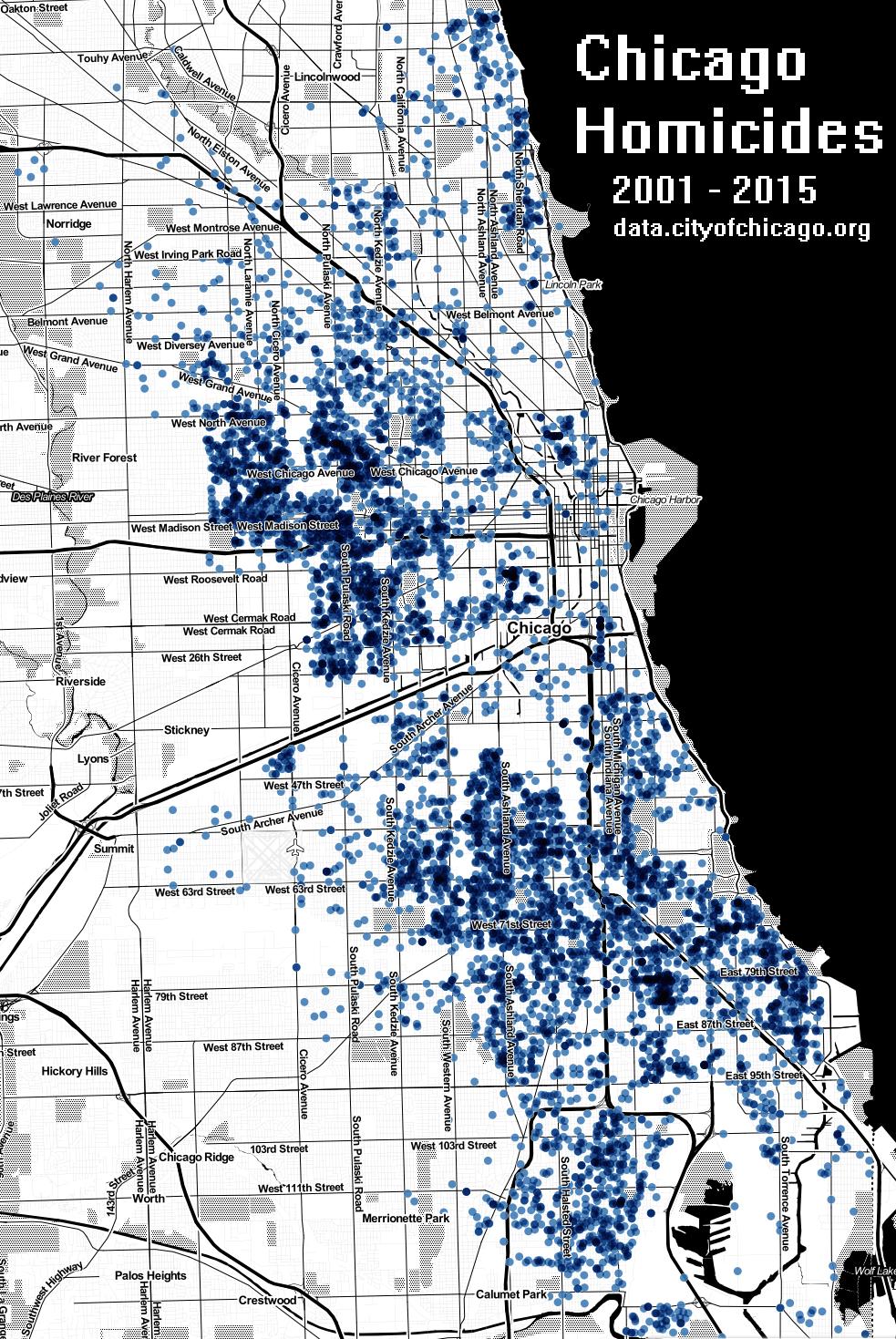
When travelers research destinations, safety is often at the top of their concerns. For Hyde Park, the question “Is it safe?” is a common one, partly due to its location on Chicago’s South Side, an area that has historically faced generalized negative perceptions. However, a nuanced look reveals that Hyde Park is largely a safe and secure neighborhood, particularly for visitors who practice sensible urban awareness. Its strong community ties, active university security presence, and generally well-maintained public spaces contribute significantly to its overall safety profile.
Crime Statistics and Trends
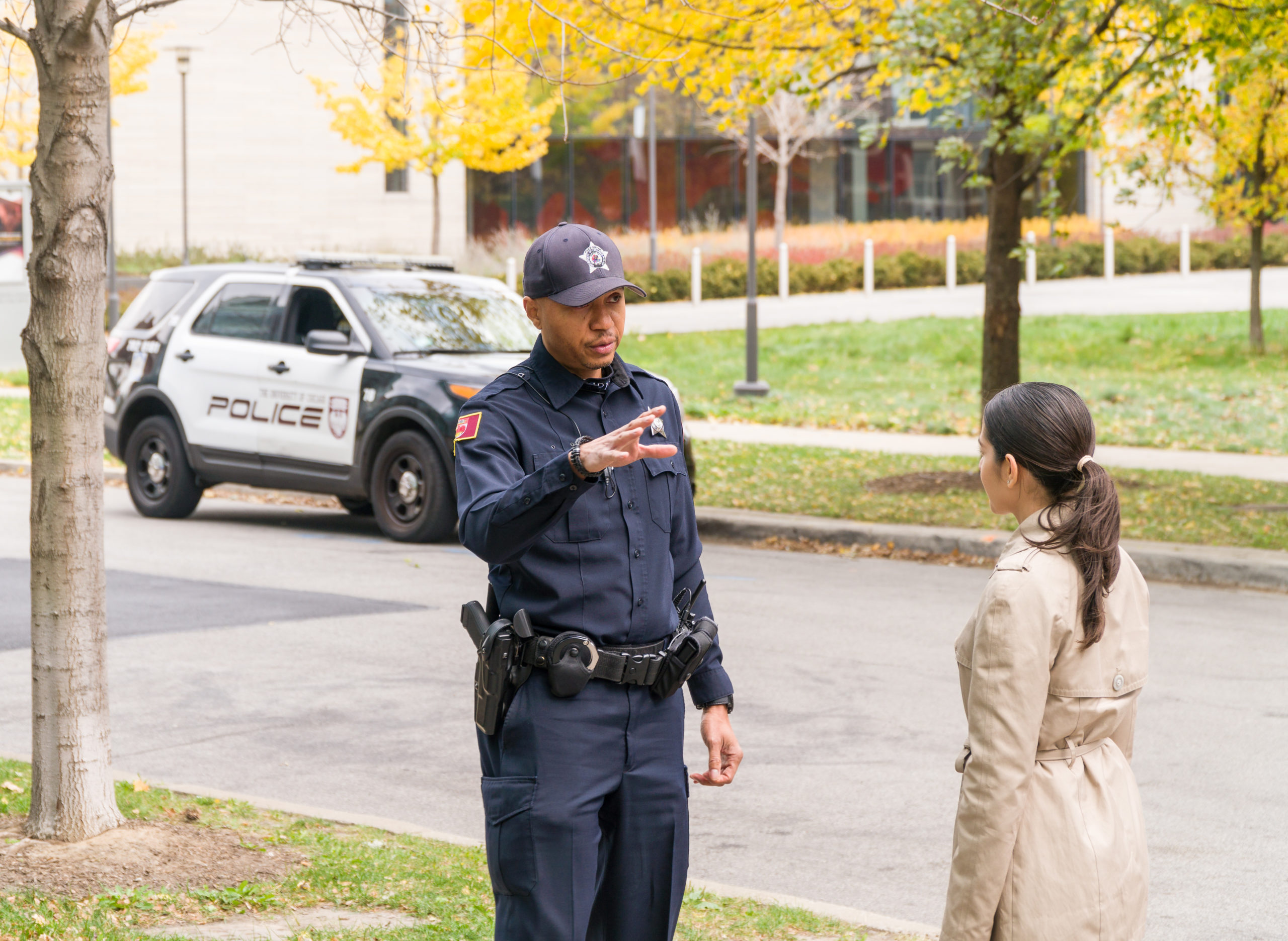
It’s important to approach crime statistics with context. Like any major urban environment, Chicago experiences crime, and Hyde Park is not entirely immune. However, when compared to the broader city averages, Hyde Park generally records lower rates of violent crime and property crime in many categories. The presence of the University of Chicago plays a significant role here, as the university maintains its own highly visible and proactive police department (UCPD) that works in close conjunction with the Chicago Police Department. This dual-layer security presence ensures a strong deterrent and rapid response capabilities within the campus and surrounding areas.
Most reported incidents in Hyde Park tend to be property crimes, such as petty theft or package larceny, which are common in many urban settings. Violent crimes, while they do occur, are less frequent and often do not involve tourists. Visitors are encouraged to stay aware of their surroundings, avoid displaying valuable items conspicuously, and secure their belongings, especially in crowded areas or when using public transport. Keeping an eye on local news for specific advisories is always a good practice, though general trends indicate a stable or improving safety environment for the neighborhood.
Day vs. Night Safety
The perceived safety of any urban area often shifts between day and night, and Hyde Park is no exception, though the difference is less stark than in some other neighborhoods. During the day, Hyde Park bustles with activity: students attending classes, families visiting museums, shoppers browsing local boutiques, and diners enjoying cafes. Main streets like 53rd Street and 57th Street are typically vibrant and well-populated, creating a natural sense of security. Landmarks and parks are filled with people, making daytime exploration generally very safe and enjoyable.
As evening approaches, the activity levels naturally decrease. While many restaurants and cultural venues remain open and lively, some residential streets or less frequented park areas may become quieter. For evening outings, it is advisable to stick to well-lit and populated areas, such as the main commercial corridors or routes directly to and from popular attractions and hotels. If you are venturing further or returning late, using ride-sharing services or licensed taxis is a safer alternative to walking alone. The University of Chicago’s campus is well-lit and monitored around the clock, offering a safe environment for those attending evening events or staying nearby. Overall, with common-sense precautions, Hyde Park remains a safe and pleasant place to explore after dark.
Public Transportation and Walking
Navigating Hyde Park and connecting to other parts of Chicago often involves using public transportation. The neighborhood is served by the CTA bus system and the Metra Electric Line, providing efficient links to Downtown Chicago and other areas. Generally, public transit in Chicago is safe, especially during peak hours. On CTA buses, security cameras and frequent stops contribute to passenger safety. The Metra Electric Line, a commuter rail system, offers a quick and comfortable ride to the Loop. It’s always wise to be aware of your surroundings on public transit, keep belongings close, and avoid isolated train cars or bus stops, particularly late at night.
Walking is an excellent way to experience the charm of Hyde Park, with its tree-lined streets and architectural wonders. During the day, walking is highly recommended and perfectly safe. The pedestrian infrastructure is good, and many areas, especially near the university and main commercial strips, are bustling. For walking at night, stick to main thoroughfares, avoid poorly lit shortcuts through parks or alleys, and walk with a group if possible. The University of Chicago also operates a robust shuttle service for its students and staff, which can indirectly benefit visitors staying near campus by adding to the overall activity and safety presence. By combining good judgment with the available transportation options, visitors can enjoy safe and convenient travel throughout Hyde Park.
Exploring Hyde Park: Attractions, Activities, and Experiences
Beyond the question of safety, Hyde Park truly shines as a destination offering a wealth of attractions, activities, and unique experiences that cater to diverse interests. Whether you’re a history buff, an art connoisseur, a nature lover, or a foodie, this vibrant neighborhood provides an enriching travel itinerary. Integrating these experiences into your trip planning allows for a deeper appreciation of the local culture and ensures a memorable visit.
Must-See Landmarks and Attractions
Hyde Park is home to some of Chicago’s most iconic landmarks, many of which are easily accessible and provide hours of exploration.
- University of Chicago: A stunning campus featuring Collegiate Gothic architecture, worth exploring for its beauty alone. Don’t miss the Rockefeller Memorial Chapel and the historic Main Quadrangle.
- Museum of Science and Industry: One of the largest science museums in the world, with incredible exhibits ranging from a captured German U-505 submarine to a working coal mine. An absolute must for families and curious minds.
- Jackson Park: A sprawling urban oasis designed by Frederick Law Olmsted, known for its beautiful lagoons, the Garden of the Phoenix (formerly the Osaka Garden), and the majestic Statue of the Republic, commemorating the Columbian Exposition. The future Obama Presidential Center is also being developed here.
- Frank Lloyd Wright’s Robie House: A masterpiece of Prairie Style architecture, offering guided tours that delve into its innovative design and history.
- DuSable Black History Museum and Education Center: Dedicated to the study and preservation of African and African American history, culture, and art.
- Promontory Point: A man-made peninsula jutting into Lake Michigan, offering unparalleled views of the Chicago skyline and a serene spot for reflection or picnics.
Culinary Delights and Local Culture
Hyde Park’s culinary scene is as diverse as its population, offering everything from casual student eateries to upscale dining experiences. Visitors can explore a range of international cuisines, local favorites, and cozy coffee shops. Key streets like 53rd Street and 57th Street are lined with dining options. For a truly local flavor, seek out long-standing institutions that have been serving the community for decades. Beyond food, the neighborhood’s cultural fabric is enriched by independent bookstores like the famed Seminary Co-op Bookstores, which foster intellectual discourse and provide a unique browsing experience. Galleries and performance spaces, including the Reva and David Logan Center for the Arts on the University of Chicago campus, frequently host events, concerts, and theatrical productions, reflecting the vibrant artistic spirit of the community.
Shopping and Entertainment
While not a sprawling retail district, Hyde Park offers a charming selection of independent boutiques, specialty shops, and convenience stores, primarily concentrated along 53rd Street. Here, you can find unique gifts, fashion, and everyday necessities. The shopping experience is more about discovery and supporting local businesses than large-scale retail therapy. For entertainment, beyond the university’s many offerings, look out for live music venues, cinemas, and community events often held in local parks or cultural centers. The annual Hyde Park Jazz Festival is a particular highlight, drawing crowds from across the city and beyond, showcasing the neighborhood’s deep connection to arts and culture.
Accommodation and Lifestyle in Hyde Park
For travelers considering a stay in Hyde Park, understanding accommodation options and the broader lifestyle offerings is crucial for a comfortable and enjoyable trip. Whether you’re planning a short visit or a more extended stay, Hyde Park caters to a variety of preferences, blending urban convenience with a distinct community feel.
Where to Stay: Hotels and Vacation Rentals
Hyde Park offers a range of accommodation choices, though it’s important to note that it doesn’t boast the same density of large chain hotels as Downtown Chicago. This often lends itself to a more local and boutique experience.
- Boutique Hotels: The neighborhood is home to charming boutique hotels that reflect its unique character. An excellent example is the Sophy Hyde Park, a luxury hotel offering stylish accommodations, exceptional service, and an immersive art experience, perfectly blending into the academic and cultural landscape of the area. These hotels often provide a more personalized touch and are well-integrated into the local community.
- University-Affiliated Accommodation: Given the presence of the University of Chicago, there are often options for visitors connected to the university, including guesthouses or short-term rentals geared towards visiting scholars and families.
- Vacation Rentals: Platforms like Airbnb and Vrbo offer numerous vacation rental options, ranging from private rooms in family homes to entire apartments. This can be an ideal choice for longer stays, families, or those seeking a more authentic local living experience. When booking vacation rentals, ensure you read reviews carefully and choose properties in well-regarded areas.
- Comparison and Booking: When considering accommodation, it’s advisable to compare prices and amenities across different platforms. Booking in advance, especially during peak university events or summer festivals, is always recommended to secure the best rates and availability. Reviews from previous guests are invaluable for making an informed decision about cleanliness, service, and location safety.
A Community for All Travelers
Hyde Park’s diverse lifestyle makes it an appealing destination for various types of travelers:
- Family Trips: With attractions like the Museum of Science and Industry and expansive green spaces of Jackson Park, Hyde Park is incredibly family-friendly. Vacation rentals with kitchens can be particularly cost-effective for families. The emphasis on community and education provides a wholesome environment.
- Solo Travelers and Couples: The rich cultural scene, charming cafes, and independent shops make it ideal for solo explorers or couples seeking a more intellectual and relaxed pace than the bustling downtown. The ease of public transportation also makes independent exploration straightforward.
- Budget Travel: While not the cheapest neighborhood in Chicago, Hyde Park offers more affordable dining and accommodation options than some of the more tourist-heavy areas. Exploring free attractions like Jackson Park and the University of Chicago campus can help keep costs down.
- Luxury Travel: Boutique hotels like Sophy Hyde Park cater to those seeking a premium experience, while upscale dining and unique cultural events add a touch of sophistication.
- Business Stays: For academics or those on business related to the University of Chicago or nearby institutions like the Chicago Theological Seminary, Hyde Park offers convenient and comfortable accommodation, often with excellent connectivity to research facilities and conference venues.
The blend of academic rigor, cultural richness, and community warmth defines the Hyde Park lifestyle. It’s a neighborhood that encourages exploration, learning, and connection, making any stay here more than just a visit—it’s an immersion into a unique slice of Chicago life.
Conclusion: Experiencing Hyde Park with Confidence
So, is Hyde Park Chicago safe? The answer, like with any major urban neighborhood, requires a nuanced understanding, but the overwhelming consensus points to it being a generally safe and remarkably rewarding destination for travelers and residents alike. While Chicago faces its share of urban challenges, Hyde Park benefits from a strong community fabric, the proactive presence of the University of Chicago Police Department, and well-maintained public spaces.
By exercising common sense—staying aware of your surroundings, particularly after dark, and utilizing well-lit and populated routes—visitors can confidently explore all that Hyde Park has to offer. From its world-class museums and historic landmarks to its vibrant dining scene and charming boutiques, the neighborhood provides an unparalleled blend of cultural enrichment and intellectual stimulation.
Whether you’re planning a family vacation, a solo adventure, or a business trip, Hyde Park promises a unique and memorable experience. Its diverse community, rich history, and commitment to education and the arts create an inviting atmosphere. Don’t let generalized perceptions deter you; instead, embrace the opportunity to discover this dynamic jewel on Chicago’s South Side. With responsible travel practices and an open mind, your visit to Hyde Park will undoubtedly be a safe, enjoyable, and enriching journey.
LifeOutOfTheBox is a participant in the Amazon Services LLC Associates Program, an affiliate advertising program designed to provide a means for sites to earn advertising fees by advertising and linking to Amazon.com. Amazon, the Amazon logo, AmazonSupply, and the AmazonSupply logo are trademarks of Amazon.com, Inc. or its affiliates. As an Amazon Associate we earn affiliate commissions from qualifying purchases.