Embarking on a journey to the bustling metropolis of Chicago promises an unforgettable experience, whether you’re drawn by its stunning architecture, world-class museums, or vibrant culinary scene. Yet, before you dive into planning your itinerary, a fundamental question often arises for travelers from afar: “What is Chicago time?” Understanding the local time zone is more than just a matter of setting your watch; it’s a crucial aspect of travel planning that impacts everything from flight schedules and hotel check-ins to tour bookings and dining reservations.
Simply put, Chicago operates on Central Time, specifically within the Central Time Zone (CT). This places the city firmly in the heart of the North American time system, typically six hours behind Coordinated Universal Time (UTC) during standard time and five hours behind during daylight saving time. For visitors, this seemingly simple fact holds profound implications, influencing the rhythm of your trip and how you interact with the city’s myriad attractions. From optimizing your energy levels to ensuring you don’t miss a single moment of your Chicago adventure, grasping the nuances of Chicago time is your first step toward a seamless and enjoyable visit. This comprehensive guide will delve into the intricacies of Central Time, offering essential insights for travelers, discussing its impact on various aspects of tourism and accommodation, and providing practical tips to ensure your clock aligns perfectly with the pulse of the Windy City.
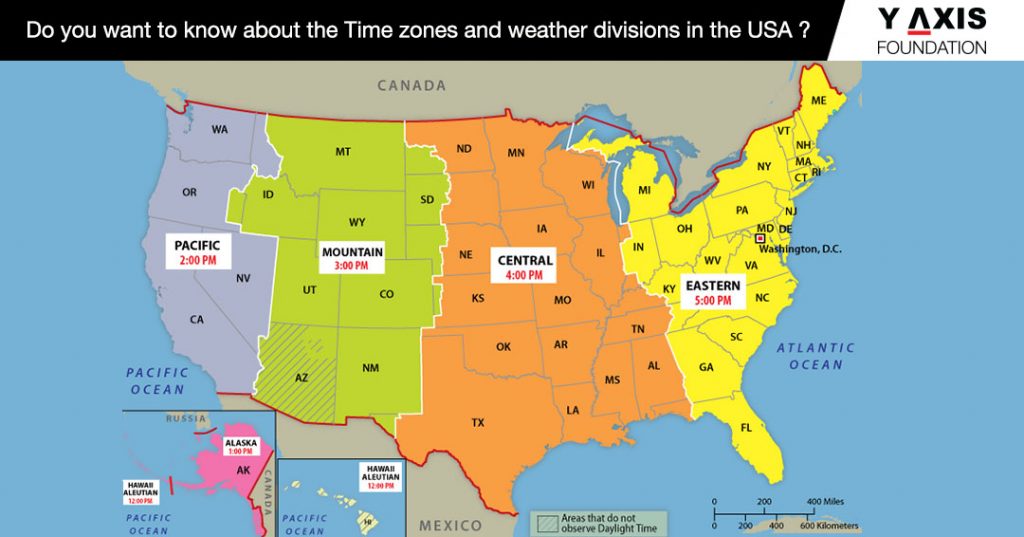
Understanding Central Time (CT): Chicago’s Place in the Time Zone Map
To truly grasp “What is Chicago time?”, one must first understand the broader framework of the Central Time Zone. The United States is divided into several time zones, a system developed in the late 19th century largely to standardize railway operations and communication across the vast nation. Chicago, as a major transportation and economic hub, naturally falls within one of the most significant of these: Central Time.
The Central Time Zone stretches across a substantial portion of the United States, reaching south into Mexico and north into Canada. In the U.S., it encompasses states such as Illinois (where Chicago is located), Indiana (partially), Wisconsin, Michigan (partially), Missouri, Iowa, Minnesota, North Dakota (partially), South Dakota, Nebraska, Kansas, Oklahoma, Arkansas, Louisiana, Mississippi, Tennessee (partially), Alabama, and Kentucky (partially). This wide geographical spread means that many domestic travelers flying into Chicago might also experience a time zone change, albeit a smaller one compared to those arriving from Pacific or Eastern Time Zones.
Decoding Central Standard Time (CST) and Central Daylight Time (CDT)
The concept of Chicago time is further complicated by the observance of Daylight Saving Time (DST). This annual adjustment means that Chicago shifts between two distinct designations:
- Central Standard Time (CST): During the colder months, typically from early November to early March, Chicago observes CST. This is UTC-6, meaning it is six hours behind Coordinated Universal Time.
- Central Daylight Time (CDT): When Daylight Saving Time is in effect, from the second Sunday in March until the first Sunday in November, clocks are advanced by one hour. During this period, Chicago observes CDT, which is UTC-5, making it five hours behind Coordinated Universal Time.
This one-hour shift is crucial for travelers. A flight booked for “8 AM local time” in March could mean a different actual clock reading depending on whether the shift has occurred. Similarly, museum opening hours or dinner reservations might feel different relative to your internal clock. Always verify the current time designation, especially if your travel dates fall close to the DST transitions.
The Significance of the Prime Meridian and Time Zone Division
While Chicago’s time is locally defined, its very existence as a time zone is rooted in global astronomical and geographical principles. The concept of time zones originated from the need to synchronize clocks across different longitudes, based on the Earth’s rotation. The primary reference point for all global time is the Prime Meridian, which runs through Greenwich, England, establishing Greenwich Mean Time (GMT) or, more accurately today, Coordinated Universal Time (UTC).
Each time zone represents roughly 15 degrees of longitude, corresponding to one hour’s difference in solar time. Central Time is centered around the 90th meridian west of the Prime Meridian. This scientific division ensures that noon roughly corresponds to the sun being at its highest point in the sky within that particular zone. For travelers, understanding this global context provides a deeper appreciation for how their internal body clock (circadian rhythm) will need to adjust when moving across multiple time zones, particularly for those flying internationally. The transition to Chicago Time isn’t just a switch on a watch; it’s an alignment with a carefully designed global system.
Navigating Time for Travelers: Planning Your Chicago Itinerary
For any traveler, efficient planning is paramount to a successful trip, and understanding “What is Chicago time?” forms the bedrock of this process. The local time zone directly impacts your travel logistics, from the moment you consider booking your flight to your daily excursions and evening entertainment. Failing to account for time differences can lead to missed connections, forfeited bookings, or simply a disoriented start to your adventure.
From Arrival to Departure: Optimizing Your Schedule
When planning your trip to Chicago, time zone adjustments should be front and center in your mind:
- Flight Bookings: Always pay close attention to the time zone specified for arrival and departure times on your flight tickets. A flight departing at “9 AM PST” might land at “3 PM CST,” a six-hour difference that includes the flight duration and the time zone change. For international travelers, the time difference can be even more substantial, requiring significant adjustment. Consider booking flights that allow for a reasonable arrival time to get settled without feeling rushed or overly exhausted.
- Accommodation Check-ins: Most hotels, resorts, serviced apartments, and villas in Chicago have standard check-in times, typically around 3:00 PM or 4:00 PM local time. If you arrive early due to an overnight flight or a significant time zone shift, communicate with your accommodation provider in advance. Many offer options for early check-in (sometimes for a fee) or luggage storage, allowing you to begin exploring the city immediately. Similarly, be mindful of check-out times, which are usually around 11:00 AM or 12:00 PM.
- Activity Reservations: Whether it’s a guided tour, a cooking class, a spa treatment, or a ticket to a show, all bookings will operate on Chicago Time. Double-check the confirmation emails and note the local start times carefully. Using a travel app that automatically adjusts to the local time zone can be incredibly helpful.
- Business Stays: For those on business trips, understanding Chicago Time is critical for scheduling meetings, conferences, and presentations. Being punctual is non-negotiable, and accounting for potential jet lag is essential for maintaining peak performance.
Essential Considerations for Flights, Tours, and Dining
Beyond the initial logistics, Chicago Time influences your daily rhythm and the practicalities of enjoying the city:
- Flights and Connections: For travelers with connecting flights through O’Hare International Airport (ORD) or Midway International Airport (MDW), ensure you have adequate layover time. A tight connection might become impossible if you miscalculate the time zone change or if there are unexpected delays. Always confirm gate numbers and departure times on local displays.
- Tours and Attractions: Chicago’s vibrant array of attractions, from architectural boat tours along the Chicago River to visits to world-class museums, all operate on strict schedules. Many popular tours have multiple daily departures, and pre-booking online is often recommended, especially during peak season. Confirming the tour start time in Chicago Time and planning your travel to the meeting point accordingly will prevent disappointment. Remember that popular attractions like the Art Institute of Chicago or the Willis Tower Skydeck may have different operating hours depending on the season, further necessitating a check against the local time.
- Dining Experiences: Chicago is a culinary paradise, from its iconic deep-dish pizza joints to Michelin-starred restaurants. Restaurant opening and closing times, as well as peak dining hours, are all dictated by Central Time. If you’re arriving from a vastly different time zone, your appetite might not immediately align with local meal times. Making dinner reservations for later in the evening, for example, might be beneficial during your initial adjustment period. For family trips, planning meals around the children’s usual eating patterns, slightly adjusted to Chicago Time, can help maintain their routine.
- Public Transportation: Chicago’s comprehensive CTA ‘L’ train and bus system operates on schedules that adhere to Central Time. While trains run frequently, especially during peak hours, it’s always wise to check real-time schedules using apps like Transit or the CTA’s official app to ensure you’re on time for your next destination.
Experiencing Chicago Beyond the Clock: Landmarks and Local Life
Once you’ve aligned your internal clock with “What is Chicago time?”, you’re ready to fully immerse yourself in the city’s unique charm. Chicago’s vibrant life, from its awe-inspiring landmarks to its distinctive local culture, unfolds within the rhythm of the Central Time Zone. Understanding these timings allows you to craft an itinerary that maximizes your exploration and appreciation of everything the Windy City has to offer.
Iconic Attractions and Their Timings
Chicago boasts an impressive array of attractions, each with its own operating hours that are, of course, set to Central Time. Planning your visits around these schedules is essential for a smooth experience, especially considering seasonal variations and special events.
- Millennium Park: Home to the iconic Cloud Gate (affectionately known as “The Bean”) and the architectural marvel of the Jay Pritzker Pavilion, Millennium Park is generally open from 6:00 AM to 11:00 PM daily. Early mornings offer fantastic photo opportunities with fewer crowds, while evenings bring a magical glow to the cityscape. Concerts and events at Pritzker Pavilion have specific start times, so check the park’s schedule in advance.
- Museum Campus: This incredible cluster of institutions includes the Field Museum, Shedd Aquarium, and Adler Planetarium.
- The Art Institute of Chicago, consistently ranked among the world’s best museums, typically opens around 10:30 AM and closes at 5:00 PM, with extended hours on Thursdays.
- The Museum of Science and Industry generally follows similar opening hours, often 9:30 AM to 5:30 PM.
- The Field Museum usually opens at 9:00 AM and closes at 5:00 PM.
- The Shedd Aquarium typically runs from 9:00 AM to 5:00 PM on weekdays and 9:00 AM to 6:00 PM on weekends during peak seasons.
- The Adler Planetarium generally follows a 9:00 AM to 4:00 PM schedule.
- It’s always wise to check their official websites for the most current hours, as they can change seasonally or for special exhibitions. Arriving shortly after opening can help you beat the biggest crowds.
- Navy Pier: A sprawling entertainment hub, Navy Pier typically opens at 10:00 AM. Its numerous attractions, shops, and restaurants maintain individual hours, but generally wind down around 8:00 PM to 10:00 PM, with longer hours in summer. The iconic Centennial Wheel offers breathtaking views and operates well into the evening.
- Observation Decks:
- The Willis Tower Skydeck (formerly Sears Tower), famous for its glass Ledge, usually opens at 9:00 AM (or 10:00 AM in winter) and closes as late as 10:00 PM in summer, offering both daytime and nighttime vistas.
- 360 Chicago at the former John Hancock Center offers stunning views and the thrilling “TILT” experience. It typically opens at 9:00 AM and closes at 11:00 PM, with the last entry at 10:00 PM. Sunset views are incredibly popular, so plan to arrive an hour or two before sunset for the best experience.
- Architectural Boat Tours: These popular tours have various departure times throughout the day, often starting around 9:00 AM or 10:00 AM and running until early evening. Booking in advance is highly recommended, particularly for sunset cruises, which sell out quickly.
Embracing Chicago’s Vibrant Daily Rhythm
Beyond structured tours and museum visits, Chicago’s local culture and lifestyle pulse with the rhythm of Central Time. Understanding this can enhance your experience, whether you’re a luxury traveler seeking exclusive dining or a budget traveler exploring free attractions.
- Dining Culture: While Chicagoans might grab coffee early, brunch typically starts around 10:00 AM on weekends, and dinner reservations are common from 6:00 PM onwards, with peak times around 7:00 PM or 8:00 PM. Late-night dining options are abundant, especially in areas like River North or Wicker Park.
- Shopping Districts: The shops along the Magnificent Mile and other retail areas generally open at 10:00 AM or 11:00 AM and close around 7:00 PM or 8:00 PM. Sunday hours are typically shorter.
- Parks and Outdoor Spaces: Chicago’s numerous parks, like Lincoln Park with its free zoo, are wonderful places to spend time. While outdoor spaces are generally accessible from dawn to dusk, specific attractions within them, such as the Lincoln Park Zoo, have defined operating hours (typically 10:00 AM to 5:00 PM).
- Nightlife and Entertainment: Chicago’s renowned jazz and blues clubs, theaters, and comedy venues come alive in the evening, often with shows starting between 7:00 PM and 9:00 PM and continuing late into the night. Check individual venue schedules for specific showtimes and age restrictions.
For family trips, planning downtime is just as important as scheduling activities. Being aware of Chicago Time allows you to factor in naps for younger children or earlier bedtimes, preventing overtired meltdowns. For luxury travelers, this means coordinating private tours or exclusive dining experiences with impeccable timing. Budget travelers can leverage early bird specials or late-night happy hours, all framed by the city’s clock.
Beating the Clock: Tips for a Seamless Chicago Stay
Understanding “What is Chicago time?” is merely the first step. The true challenge for many travelers, particularly those crossing multiple time zones, is adjusting to it gracefully. Overcoming jet lag and managing your time effectively are critical to enjoying your trip without feeling rushed, exhausted, or missing out on key experiences. These practical tips will help ensure your visit to Chicago is as smooth and enjoyable as possible, aligning seamlessly with the local pace.
Mastering Jet Lag and Maximizing Your Visit
Jet lag can significantly impact your travel experience, transforming excitement into exhaustion. Here’s how to minimize its effects when coming to Chicago:
- Pre-Adjust Your Schedule: If possible, start shifting your sleep schedule a few days before your trip. For example, if traveling east to west, try staying up later; if traveling west to east, try going to bed earlier. Even an hour or two can make a difference.
- Stay Hydrated: Drink plenty of water before, during, and after your flight. Dehydration exacerbates jet lag symptoms. Avoid excessive alcohol and caffeine, which can disrupt sleep patterns.
- Embrace Natural Light: Upon arrival in Chicago, expose yourself to natural sunlight as much as possible, especially in the morning. This helps reset your body’s internal clock. Take a walk in a park, enjoy breakfast al fresco, or simply sit by a window.
- Adjust to Local Meal Times: Try to eat meals at local Chicago Time from day one. Your stomach’s clock plays a significant role in resetting your circadian rhythm.
- Resist Napping (or Keep Them Short): While tempting, long naps can make it harder to sleep at night. If you must nap, keep it short (20-30 minutes) and early in the afternoon.
- Stay Active: Light physical activity, like walking around the city, can help alleviate fatigue and promote better sleep later.
- Utilize Technology: Set your phone and smartwatch to Chicago Time immediately upon landing. Use alarm clocks to ensure you wake up at local times, even if you feel tired. Apps like Timeshifter can provide personalized advice for combating jet lag based on your flight details.
For those on a tight schedule or a business trip, minimizing jet lag is even more crucial. Maximizing your visit means you’re alert and engaged from your first meeting to your last sightseeing opportunity.
Accommodation Choices and Time Zone Adjustments
Your choice of accommodation and how you manage its amenities can also play a vital role in your time zone adjustment and overall travel lifestyle:
- Check-in/Check-out Flexibility: When booking hotels, inquire about early check-in or late check-out options, especially if your flight schedule is unusual. Many luxury hotels and resorts offer these as complimentary services for loyalty members or for a reasonable fee. Serviced apartments might offer more flexibility depending on availability.
- 24-Hour Amenities: If you’re arriving at an odd hour, consider hotels with 24-hour reception, room service, or fitness centers. This allows you to grab a bite, work out, or relax regardless of the local clock.
- Blackout Curtains and Quiet Rooms: Essential for getting quality sleep while your body adjusts. Look for hotels that emphasize soundproofing and light control in their room descriptions.
- In-Room Coffee/Tea Facilities: Having immediate access to a hot beverage can be a small but significant comfort when waking up at what feels like the middle of the night to your body.
- Hotel Concierge Services: A good concierge can be invaluable. They can help with last-minute dinner reservations, suggest attractions with flexible hours, or even arrange transportation, all while operating on Chicago Time so you don’t have to worry about conversion.
- Long-term Stays: For extended visits, such as for business or family relocation, settling into the local rhythm becomes even more natural. However, the initial days will still require mindful adjustment. Consider accommodation with full kitchens in serviced apartments or villas, which can help maintain familiar routines while you adapt to local meal times.
Whether you’re indulging in luxury travel, sticking to a budget, planning a family trip, or on a crucial business stay, a well-managed approach to Chicago Time will profoundly enhance your experience. By anticipating the time change, actively managing jet lag, and leveraging the resources your accommodation offers, you can ensure that every moment in Chicago is spent enjoying its wonders, rather than battling the clock.
In conclusion, “What is Chicago time?” is more than a simple query; it’s an entry point to understanding the rhythm of this magnificent city. Chicago proudly operates on Central Time, specifically CST or CDT depending on the season, placing it at UTC-6 or UTC-5 respectively. This crucial detail underpins all aspects of your visit, from the moment your plane touches down at O’Hare to your final deep-dish pizza before departure. By thoroughly preparing for time zone changes, intelligently scheduling your travel and activities, and implementing strategies to combat jet lag, you can transform a potential logistical hurdle into a smooth transition. Embrace Chicago’s schedule, and you’ll unlock a richer, more relaxed, and utterly unforgettable travel experience in one of the United States’ most captivating cities.