
When you embark on a culinary adventure through the United States, certain foods stand out as quintessential representations of their cities. Just as New York has its pizza slices and Philadelphia boasts the cheesesteak, Chicago proudly presents its eponymous hot dog: a vibrant, flavor-packed creation known simply as the Chicago Dog. More than just a meal, it’s a local culture landmark, a culinary institution, and a delicious symbol of the Windy City’s unique gastronomic identity. For any traveler seeking an authentic taste of Chicago, understanding “what is on a Chicago Dog” is not just about ingredients; it’s about uncovering a rich tradition, a specific philosophy of flavor, and a spirited debate over condiments.
Our guide into the world of the Chicago Dog will take you beyond mere description, offering insights into its history, its cultural significance, and crucially, where to find the best examples during your visit. This is an essential experience that truly embodies the spirit of Chicago tourism, a mandatory stop on any food lover’s itinerary, blending simple street food origins with an unparalleled complexity of taste.
The Anatomy of a Chicago Dog: A Symphony of Seven Toppings (and a Bun)
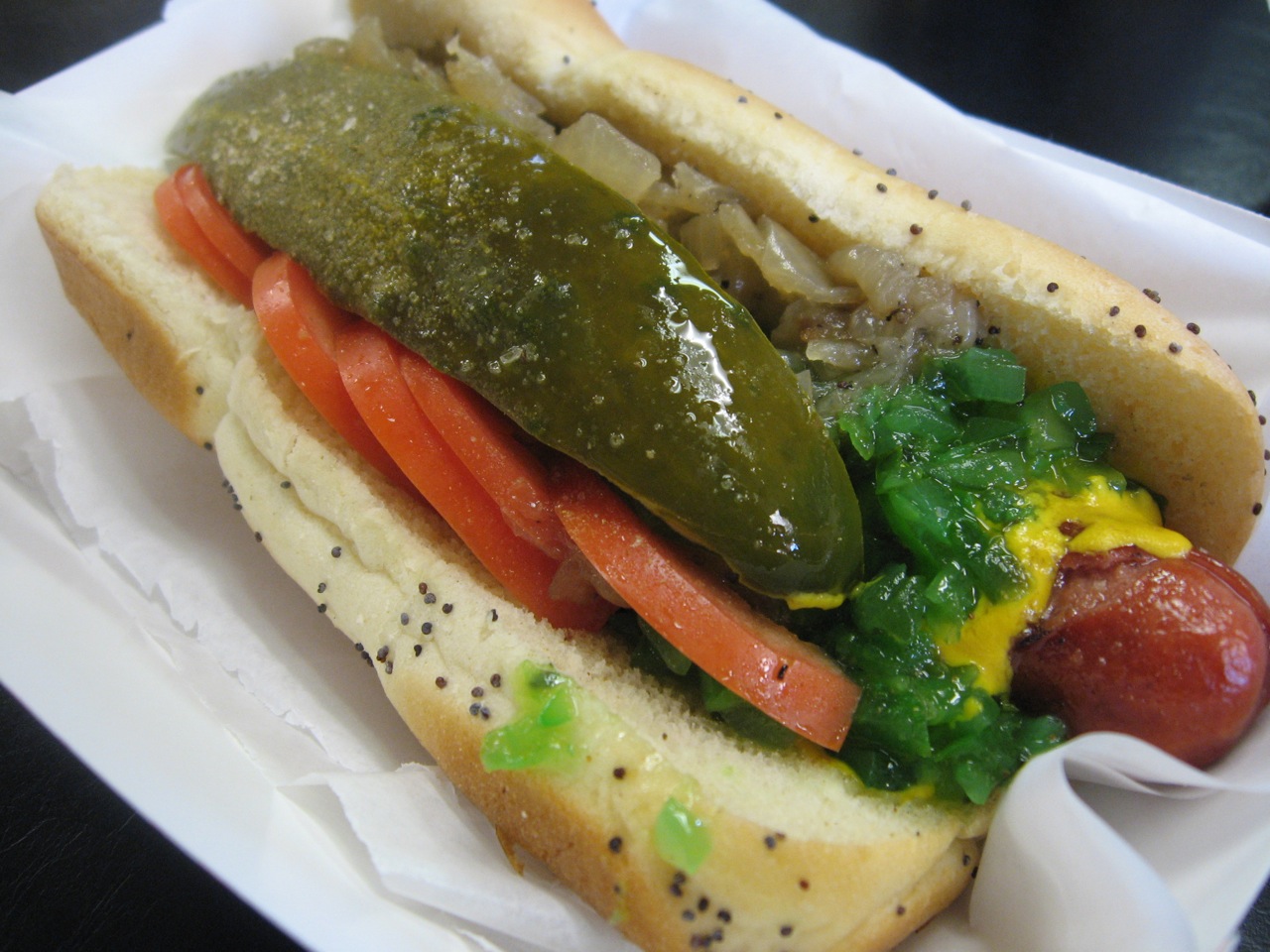
The magic of the Chicago Dog lies not in a single, dominant flavor, but in the harmonious interplay of its many components. It’s a delicate balance of savory, sweet, tangy, and spicy, creating an explosion of taste and texture with every bite. To truly appreciate this culinary masterpiece, one must understand each element that contributes to its iconic status. This isn’t just a hot dog; it’s a meticulously constructed edible work of art.
The Foundation: Frank and Bun
At the heart of every great Chicago Dog are two non-negotiable elements: the frankfurter and the bun.
First, the frankfurter itself. It must be an all-beef frankfurter, typically a natural casing hot dog that offers a satisfying “snap” when bitten. This isn’t just any hot dog; it’s a specific kind of frank, often sourced from local purveyors like Vienna Beef, a Chicago institution since 1893. The cooking method is also crucial: traditionally, Chicago hot dogs are steamed, boiled, or grilled, with steaming often preferred for its ability to keep the frank juicy and tender, allowing the natural casing to retain its distinctive pop. This commitment to an all-beef, natural casing frankfurter sets the stage for the flavorful toppings to come.
Next, the bun. Crucial to the Chicago Dog’s identity is the poppy seed bun. Lightly steamed, the bun becomes soft and pliable, perfectly cradling the hot dog and its generous array of toppings. The poppy seeds add a subtle nutty flavor and an appealing visual texture, distinguishing it from standard hot dog buns. The steaming process ensures the bun is warm and yielding, never dry or stiff, making it an integral part of the overall eating experience. Without the poppy seed bun, it’s simply not a true Chicago Dog.

The Essential Condiments: Mustard and Relish
These two ingredients provide the foundational tang and sweetness that define the Chicago Dog.
Yellow mustard is the only acceptable mustard for a Chicago Dog. Drizzled generously over the frank, its sharp, tangy notes cut through the richness of the beef, providing a classic contrast that is both invigorating and familiar. There’s no room for Dijon, honey mustard, or any other fancy variations; the simplicity of classic yellow mustard is paramount.
Alongside the mustard, the bright green sweet pickle relish is unmistakable. This isn’t your average relish; it’s a hyper-vibrant, almost neon-green condiment that immediately catches the eye. Its sweetness provides a delightful counterpoint to the mustard’s tang and the frank’s savory profile, adding another layer of complexity to the taste. The color itself is part of the Chicago Dog’s visual appeal, making it as photogenic as it is delicious – a perfect attraction for your travel blog’s food section.
The Freshness Factor: Onions and Tomatoes
Adding crunch, freshness, and a burst of juicy flavor are the raw vegetables, critical for balancing the richness of the frank.
Finely chopped white onions are scattered over the relish and mustard. These provide a sharp, pungent bite and a satisfying textural crunch that awakens the palate. The freshness of the raw onion is a key element, ensuring that the dog never feels overly heavy or one-dimensional.
Next comes the vibrant inclusion of fresh tomato slices or wedges. These are typically placed down the side of the bun, offering a juicy, slightly acidic burst that complements the other toppings. The sweetness and acidity of the tomato add a refreshing contrast, elevating the Chicago Dog beyond a simple hot dog into a complete culinary experience. It’s this thoughtful addition of fresh produce that makes the Chicago Dog feel more like a mini-salad on a bun, albeit a very delicious one.
The Zesty Kick: Pickles and Peppers
No Chicago Dog would be complete without its signature pickled elements, which deliver a crucial sour and spicy punch.
A full-sized dill pickle spear is tucked alongside the hot dog, providing a hearty crunch and a sour, briny counterpoint to the sweetness of the relish and the richness of the frank. This isn’t just a garnish; it’s a significant component, contributing both flavor and texture that cleanses the palate and adds depth.
The final flourish of spice comes from a couple of pickled sport peppers. These small, medium-hot chili peppers add a vinegary tang and a noticeable kick of heat, often the element that truly makes the “dragged through the garden” moniker make sense. They’re not overwhelmingly spicy, but they provide that essential zesty zing that cuts through the richness and sweetness of the other components.
The Finishing Touch: Celery Salt
To unify all these disparate flavors, a final dusting of celery salt is sprinkled over the entire ensemble. This subtle yet powerful seasoning provides an earthy, aromatic note that brings all the elements together, enhancing the overall savory profile without overpowering any single ingredient. It’s the invisible hand that ties the symphony of flavors into a cohesive whole, making each bite a perfectly balanced mouthful. This specific seasoning is a hallmark of the Chicago Dog and often overlooked by imitators, yet it’s absolutely essential for an authentic taste.
The Unwritten Rules: Why Ketchup is a Cardinal Sin
Perhaps no aspect of the Chicago Dog is more fiercely debated or rigidly enforced than the absolute prohibition of ketchup. For many Chicagoans, putting ketchup on a hot dog is not just a faux pas; it’s an act of culinary sacrilege. This isn’t a mere preference; it’s a deep-seated cultural rule that speaks volumes about Chicago’s food identity.
A Matter of Tradition and Taste
The “no ketchup” rule stems from a combination of tradition and an understanding of flavor balance. Chicagoans believe that the complex array of toppings on a Chicago Dog — the tangy mustard, sweet relish, crisp onions, juicy tomatoes, sour pickle, and spicy sport peppers — already creates a perfect flavor profile. The sweet, vinegary taste of ketchup, they argue, would overpower and disrupt this delicate balance, masking the nuanced flavors that make the Chicago Dog so special. It’s often said that ketchup is for children, or for masking the taste of a poor-quality hot dog, neither of which applies to the beloved Chicago Dog.

This culinary stance is so ingrained that many hot dog stands in Chicago won’t even offer ketchup to adults. Asking for it might earn you a raised eyebrow, a gentle lecture, or even a playful refusal. It’s a rite of passage for tourists and a point of pride for locals, symbolizing a commitment to culinary integrity. Embracing this rule is part of immersing yourself in the local culture and truly understanding the Chicago Dog experience.
Beyond the Dog: Exploring Chicago’s Culinary Landscape
While the Chicago Dog might be the most famous street food, Chicago’s culinary scene is vast and varied, offering much more to explore. From world-renowned fine dining restaurants to other iconic casual eats, the city is a paradise for food lovers. Think of the legendary deep-dish pizza from places like Lou Malnati’s or Giordano’s, the hearty Italian Beef sandwich, or the lesser-known but equally delicious Maxwell Street Polish. Each of these contributes to Chicago’s reputation as a top food destination, offering diverse flavors and unique traditions that reflect the city’s rich immigrant history and vibrant urban life. Exploring these other culinary landmarks offers a deeper understanding of Chicago’s food philosophy, one that values authenticity and bold flavors.
A Bite of Chicago History: The Origins of an Icon
The story of the Chicago Dog is intertwined with the history of Chicago itself, a tale of German immigrants, street vendors, and the city’s industrial boom. It’s a testament to how simple ingredients can evolve into a cherished local culture symbol.
From Pushcarts to Palaces: The Evolution
Hot dogs first arrived in the United States with German immigrants in the late 19th century. In Chicago, Jewish street vendors, often referred to as “hot dog men,” began selling them from pushcarts, especially around the stockyards and construction sites, providing quick, affordable, and nourishing meals to the working class. These early hot dogs were typically served with mustard and perhaps some onions.
The defining moment for the Chicago Dog as we know it today came during the Great Depression. With economic hardship, vendors needed to offer more value for money. They began “dragging” their hot dogs “through the garden” – loading them with a colorful array of fresh and pickled vegetables to make them a more substantial and visually appealing meal. The combination of seven distinct toppings became standard, creating a complete meal in a bun that was both inexpensive and incredibly satisfying. Establishments like Fluky’s, which opened in 1929, are credited with popularizing this loaded style, cementing the Chicago Dog’s place in the city’s culinary history.
Iconic Establishments: Where to Savor the Best
To truly appreciate the Chicago Dog, you need to visit the places that have perfected it over decades. These establishments are not just restaurants; they are landmarks in themselves, steeped in history and beloved by locals.
-
Portillo’s: Arguably the most famous Chicago hot dog chain, Portillo’s is a must-visit for any tourist. Known for its lively, nostalgic atmosphere and consistently excellent Chicago Dogs, Italian Beef, and chocolate cake shakes. It’s an entire experience that embodies Chicago casual dining. You’ll find locations throughout the city and even beyond, but nothing beats the original Chicago vibe.
-
Superdawg Drive-In: A classic Chicago institution since 1948, Superdawg offers a retro drive-in experience with towering hot dog figures on its roof. Their “Superdawg” is a slightly larger, specially formulated frank, served with their own unique pickled green tomato and other classic toppings. It’s a delightful step back in time.
-
Gene & Jude’s: For a no-frills, purist experience, Gene & Jude’s in River Grove is a legend. They serve their dogs in a simple paper bag, loaded with fries right on top, and without the tomato slices – a slight deviation from the classic, but equally celebrated for its authentic taste. It’s a truly local gem.
-
The Weiner’s Circle: Famous for its late-night “char dogs” and notoriously sassy staff, The Weiner’s Circle offers a unique, albeit perhaps not family-friendly, Chicago experience. Their char-grilled Chicago Dog provides a smoky flavor profile distinct from the steamed versions.
Visiting these places is more than just grabbing a bite; it’s engaging with the living history and vibrant street culture of Chicago. Each offers a slightly different take on the classic, but all uphold the essential spirit of the Chicago Dog.
The Chicago Dog Experience: More Than Just a Meal
The Chicago Dog is more than just a hot dog; it’s a cultural touchstone, a culinary adventure, and an essential part of the Chicago identity. For those planning their travels to the Midwest, understanding and savoring this iconic dish is as crucial as visiting Millennium Park or enjoying the architectural boat tour along the Chicago River.
A Local Culture Landmark
The Chicago Dog represents the city’s no-nonsense, hardworking ethos blended with a surprising flair for flavor and tradition. It embodies the concept of elevating simple street food to an art form. It’s democratizing, enjoyed by everyone from construction workers to CEOs, a common thread that binds the diverse populace of this bustling metropolis. It’s a casual, joyful indulgence that perfectly complements a day spent exploring attractions like the Art Institute of Chicago, strolling through Grant Park, or catching a Cubs game at Wrigleyville. Many hotels and resorts in Chicago will proudly point you towards the nearest hot dog stand, recognizing its importance to the local culture. It’s a food that generates passionate debate and fierce loyalty, a true symbol of Chicago pride.
Planning Your Chicago Culinary Adventure
When planning your trip to Chicago, make sure to allocate time for a dedicated culinary journey. Beyond the hot dog, you’ll find incredible diversity, from world-class steakhouses to vibrant ethnic cuisines. However, the Chicago Dog should be high on your list of must-try local foods. Consider staying in central Chicago, where many accommodation options, from luxury hotels to boutique apartments, put you within easy reach of top hot dog spots and other tourist attractions like Navy Pier or the magnificent views from the Willis Tower (formerly Sears Tower).
Don’t be afraid to try different hot dog stands; each might have its own subtle variation or signature charm. This exploration is part of the fun of traveling. Embrace the “no ketchup” rule, order your dog “dragged through the garden,” and prepare for a flavor sensation that will indelibly link the taste of this unique creation with your memories of the vibrant, dynamic city of Chicago. It’s an iconic taste that defines the heart and soul of the Windy City’s street food legacy.
LifeOutOfTheBox is a participant in the Amazon Services LLC Associates Program, an affiliate advertising program designed to provide a means for sites to earn advertising fees by advertising and linking to Amazon.com. Amazon, the Amazon logo, AmazonSupply, and the AmazonSupply logo are trademarks of Amazon.com, Inc. or its affiliates. As an Amazon Associate we earn affiliate commissions from qualifying purchases.