
Embarking on a journey to the vibrant metropolis of Chicago, whether for business or leisure, requires more than just knowing your flight details or hotel booking. Understanding “what time is Chicago time” is a fundamental piece of information that underpins the entire travel experience, impacting everything from seamless itineraries and timely arrivals to maximizing your exploration of this incredible city. As a global hub for travel, tourism, and lifestyle, Chicago operates on a specific time zone that plays a crucial role in its daily rhythm and the planning of countless visitors. This article delves into the intricacies of Chicago’s time, offering a comprehensive guide for travelers, hospitality professionals, and anyone planning to engage with the Windy City.
Understanding Chicago’s Place on the Global Clock
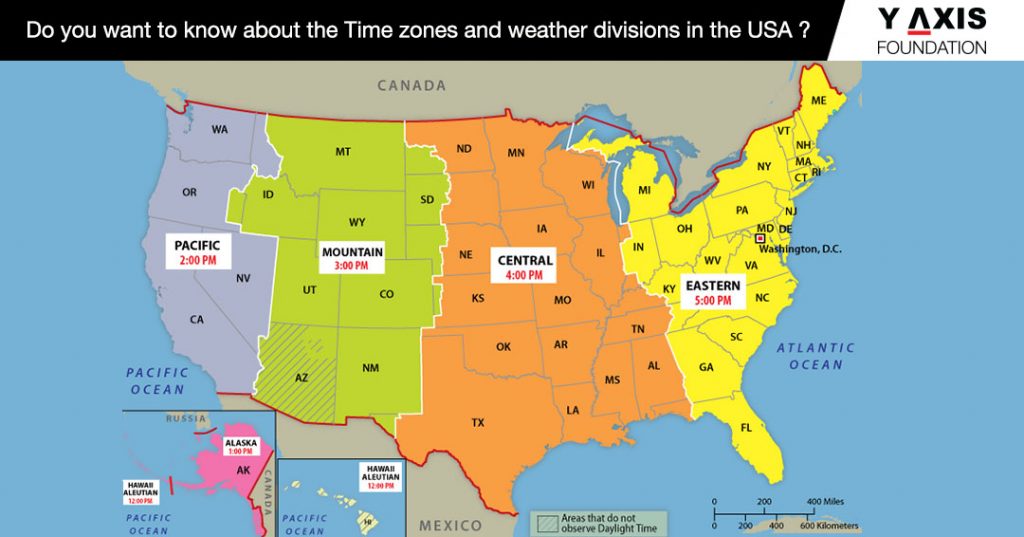
The first step to mastering Chicago’s time is to identify its position within the intricate global network of time zones. This understanding is not merely a matter of scientific curiosity but a practical necessity for anyone traveling across meridians.
Central Standard Time (CST) and Daylight Saving
Chicago, like much of the central United States, observes Central Standard Time (CST) during the fall and winter months. CST is a uniform time zone that is 6 hours behind Coordinated Universal Time (UTC-6). This means that when it is noon UTC, it is 6:00 AM in Chicago. The concept of standard time zones was introduced in the late 19th century to facilitate railway travel and improve communication across vast distances, with the United States officially adopting them in 1918.
However, the clock in Chicago isn’t static year-round. From early March until early November, the city switches to Central Daylight Time (CDT). This annual adjustment, commonly known as Daylight Saving Time, moves the clock forward by one hour, making Chicago 5 hours behind Coordinated Universal Time (UTC-5). The primary purpose of Daylight Saving Time is to make better use of daylight, shifting an hour of daylight from the morning to the evening, theoretically saving energy and encouraging outdoor activities later in the day. For travelers, this transition is particularly important, as miscalculations can lead to missed flights, appointments, or the inconvenience of arriving at a closed attraction. Always double-check whether Chicago is observing CST or CDT during your visit.

Why Time Zones Matter for Travelers
The seemingly simple act of changing a clock can have profound implications for travelers. The most immediate impact is often jet lag, a physiological condition resulting from alterations to the body’s circadian rhythms due to rapid long-distance travel across multiple time zones. Arriving in Chicago from a vastly different time zone can leave you feeling disoriented, fatigued, and affecting your appetite and sleep patterns. Understanding the time difference in advance allows you to mentally prepare and implement strategies to minimize its effects, such as adjusting your sleep schedule before departure or seeking out natural light upon arrival.
Beyond personal well-being, accurate time zone awareness is critical for logistical planning. This includes everything from coordinating flight connections at major hubs like O’Hare International Airport or Midway International Airport, to arranging airport transfers, or knowing the precise check-in time for your accommodation. Missing a flight or arriving too late for a hotel check-in due to a time zone miscalculation can be a costly and frustrating experience. For business travelers, accurate timekeeping is paramount for scheduling meetings, conferences, and presentations, ensuring they align with both local Chicago time and the time zones of their remote counterparts. For families, understanding the time shift helps in managing children’s routines, preventing meltdowns caused by disrupted sleep or meal times.
Navigating Chicago with Time in Mind: A Traveler’s Guide
Armed with a clear understanding of Chicago’s time zone, travelers can optimize every aspect of their visit, from transportation to sightseeing.
Seamless Travel Planning and Logistics
Effective travel planning begins long before you set foot in Illinois. When booking flights to Chicago, pay close attention to arrival and departure times, ensuring they are always quoted in local time. For connecting flights, verify that you have ample layover time to account for potential delays and the time needed to navigate large airports like O’Hare. Similarly, if you’re arriving by train via Amtrak at Union Station or using intercity bus services, confirm schedules in CST/CDT.
Your choice of accommodation and its check-in/check-out policies are also influenced by local time. Most hotels, from luxury resorts like The Langham Chicago to budget-friendly apartments, adhere to standard check-in times, typically in the afternoon, and check-out times in the late morning. If your flight arrives early, knowing Chicago time allows you to proactively arrange for early check-in or make plans for luggage storage, so you can begin exploring immediately. Conversely, a late departure might necessitate a late check-out or utilizing hotel amenities after checking out.
Maximizing Your Chicago Itinerary
Chicago boasts a plethora of attractions, each with its own operating hours. Understanding the city’s time allows you to craft an itinerary that makes the most of every hour.
- Attractions and their operating hours: World-renowned institutions like the Art Institute of Chicago, Field Museum, Shedd Aquarium, and Adler Planetarium all have specific opening and closing times. Landmark observation decks, such as the Skydeck Chicago at the Willis Tower or 360 Chicago at the 875 North Michigan Avenue (formerly John Hancock Center), offer breathtaking views that are best experienced at certain times, like sunset. Popular outdoor spaces like Millennium Park (home to Cloud Gate, also known as “The Bean”), Grant Park, and Lincoln Park Zoo often have extended hours or are accessible round-the-clock, providing flexibility for early risers or night owls.
- Dining Experiences: From Michelin-starred restaurants to casual deep-dish pizza joints, Chicago’s culinary scene is legendary. Reservations for popular restaurants, especially along the Magnificent Mile or in neighborhoods like West Loop, are often booked weeks in advance. Knowing the local meal times (e.g., peak dinner hours typically between 7:00 PM and 9:00 PM) helps you secure your spot.
- Live Events: Chicago is a hub for entertainment. Catching a Broadway in Chicago show, attending a concert at the United Center, or watching a sporting event at Wrigley Field (home of the Chicago Cubs), Guaranteed Rate Field (home of the Chicago White Sox), Soldier Field (home of the Chicago Bears), or the United Center (home of the Chicago Bulls and Chicago Blackhawks) requires careful time management to arrive well before the scheduled start.
- Family Travel Schedules: Traveling with children often means adhering to strict bedtimes and meal schedules. Being aware of the local time helps parents maintain a sense of routine, minimizing disruptions and ensuring a more enjoyable trip for everyone.
The Rhythm of the City: Experiencing Chicago by the Clock
Chicago’s vibrant energy ebbs and flows with the clock, offering distinct experiences depending on the time of day.
From Dawn Till Dusk: A Day in Chicago
- Morning (6:00 AM – 11:00 AM): Early risers can enjoy a peaceful stroll along the Chicago Riverwalk, grab a coffee at a local cafe, or catch the sunrise over Lake Michigan. Many museums and attractions open their doors around 9:00 AM or 10:00 AM, making for a perfect start before the crowds. This is also an ideal time for a Chicago Architecture Foundation Center River Cruise, offering stunning views before the afternoon heat.
- Mid-day (11:00 AM – 5:00 PM): This is prime time for sightseeing, shopping on the Magnificent Mile, exploring neighborhoods, or enjoying a leisurely lunch. Indoor attractions provide a respite from the weather, whether it’s summer heat or winter chill.
- Evening (5:00 PM – 11:00 PM+): As the city transitions to evening, Chicago truly comes alive. Happy hour specials entice after-work crowds, restaurants fill up, and theater districts buzz with activity. The city’s nightlife, from jazz clubs to rooftop bars, extends well past midnight, offering endless entertainment options. For those seeking late-night dining, many establishments cater to a later crowd, particularly on weekends.
Business Travel and Time Management in the Windy City
For business travelers, time in Chicago is often synonymous with productivity. The city is a major convention destination, and understanding its time zone is crucial for success. Meetings, conferences, and trade shows are meticulously scheduled, often starting early and extending into the evening. Planning your travel to arrive a day before your commitments can help you acclimate to the time zone, reduce jet lag, and be fully prepared. Networking events, which are a cornerstone of business culture, often take place in the early evening, necessitating a flexible schedule. Hotels frequently cater to business guests with amenities like 24-hour business centers, in-room workspaces, and early breakfast options to accommodate demanding schedules across time zones.
Accommodation and Time: Ensuring a Smooth Stay
Your hotel or accommodation choice is more than just a place to sleep; it’s your home base in Chicago, and its operations are intrinsically linked to the local time.
Checking In, Checking Out: Hotel Procedures
Standard check-in times at hotels in Chicago typically range from 3:00 PM to 4:00 PM CST/CDT, while check-out is usually between 11:00 AM and 12:00 PM. These times are established to allow staff to prepare rooms for new arrivals. If your flight lands early in the morning, an early check-in might be possible, but it’s essential to arrange this in advance with the hotel, as it often depends on availability and may incur an extra charge. Similarly, if your flight departs late, inquire about a late check-out option. Many hotels, especially those catering to business travelers or luxury segments like Hyatt Regency Chicago or The Palmer House Hilton, offer luggage storage services, allowing you to explore the city unencumbered after checking out. When booking online from a different time zone, always confirm that the times displayed are local Chicago time to avoid any misunderstandings.
Utilizing Hotel Amenities Around the Clock
Hotels offer a range of amenities designed to enhance your stay, and their availability is time-sensitive.
- Breakfast hours: Whether it’s a complimentary continental breakfast or a lavish buffet, breakfast service typically runs from early morning (e.g., 6:00 AM) until mid-morning (e.g., 10:30 AM). If you’re an early bird due to jet lag or an early departure, knowing these times is crucial.
- Fitness center access: Many modern hotels provide 24-hour access to their fitness centers, allowing guests to maintain their workout routines regardless of their schedule or time zone adjustment.
- Room service and dining: Room service menus often specify hours of operation for breakfast, lunch, dinner, and late-night options. Hotel restaurants and bars also adhere to specific opening and closing times, which are important to note for dining plans.
- Concierge services: The concierge desk is typically staffed during peak daytime and early evening hours to assist with bookings, recommendations, and logistical support. Planning your inquiries around these times ensures you receive prompt assistance.
Beyond the Clock: Embracing Chicago’s Unique Lifestyle
While understanding Chicago’s time is practical, appreciating how time shapes the city’s culture and lifestyle elevates your travel experience.
Local Culture and the Passage of Time
Chicago’s culture is a blend of bustling urban energy and Midwest charm, all flowing with the rhythm of the clock. The city experiences distinct rush hours, both in the morning and evening, reflecting the daily commute of its residents. Public transportation, particularly the ‘L’ train system, operates extensively but with varying frequencies throughout the day and night. Cultural events, from street festivals in summer to holiday markets in winter, are scheduled with local time in mind, often extending into the evening to capture larger audiences. Embracing these local rhythms—whether it’s an early morning jog along the lakefront or a late-night blues performance—allows you to immerse yourself more deeply in the Chicago experience.
Planning for Every Season: Time and Weather
The time of year significantly impacts daylight hours in Chicago, which in turn influences activities and planning.
- Summer (CDT): Long daylight hours mean more time for outdoor activities like visiting Navy Pier, enjoying boat tours on the Chicago River, or lounging on the city’s beaches along Lake Michigan. Sunsets occur much later, allowing for evening excursions with natural light.
- Winter (CST): Shorter daylight hours mean earlier sunsets and more time spent indoors. This shifts the focus to museums, indoor attractions, and cozy dining experiences. Planning outdoor activities for mid-day when daylight is strongest is advisable.
In conclusion, knowing “what time is Chicago time” is far more than a simple fact; it is a fundamental element of successful travel planning and a gateway to a richer, more enjoyable experience in the Windy City. By understanding CST and CDT, accounting for jet lag, meticulously planning itineraries, and respecting the city’s daily rhythms, you can ensure your visit to Chicago is seamless, memorable, and perfectly timed.
LifeOutOfTheBox is a participant in the Amazon Services LLC Associates Program, an affiliate advertising program designed to provide a means for sites to earn advertising fees by advertising and linking to Amazon.com. Amazon, the Amazon logo, AmazonSupply, and the AmazonSupply logo are trademarks of Amazon.com, Inc. or its affiliates. As an Amazon Associate we earn affiliate commissions from qualifying purchases.