
Planning a trip to the vibrant metropolis of Chicago, Illinois, involves many considerations, from booking your accommodation and mapping out your must-see landmarks to sampling the local cuisine. Yet, a fundamental piece of information that travelers often overlook, but which is crucial for a smooth and enjoyable experience, is understanding the local time zone. For Chicago, the answer is straightforward: the city operates on Central Time (CT). This single detail impacts everything from flight schedules and hotel check-ins to restaurant reservations and the timing of your visits to world-class attractions. Delving deeper into what Central Time entails, how it fluctuates with daylight saving, and why this knowledge is indispensable for both leisure and business travelers, will set you up for a seamless journey through the Windy City.
Understanding Chicago’s Time Zone: Central Time (CT)
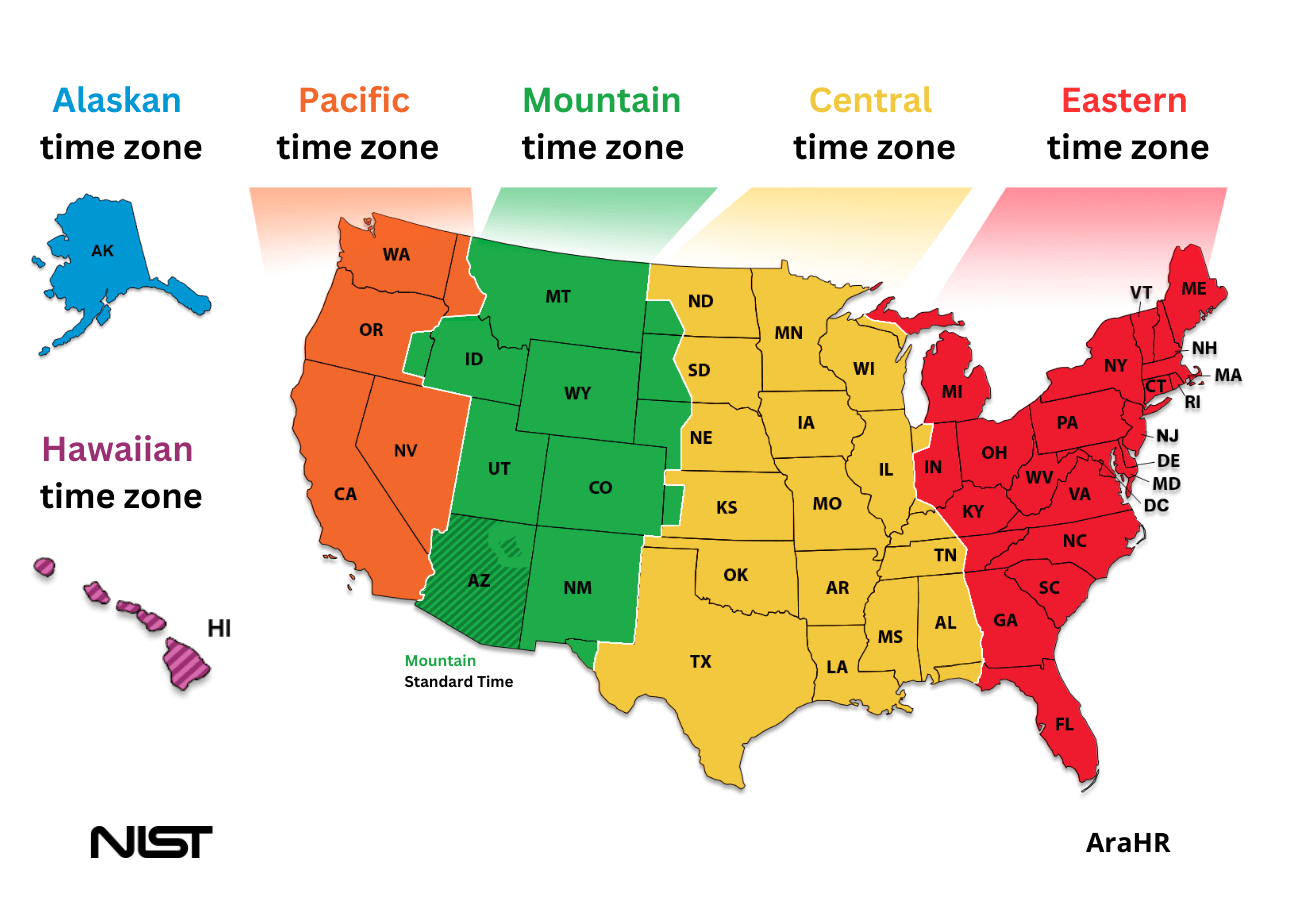
Chicago, like much of the Midwest in the United States, observes Central Time (CT). This time zone is six hours behind Coordinated Universal Time (UTC-6) during standard time and five hours behind (UTC-5) during daylight saving time. Understanding the nuances of Central Time is key to navigating your visit without a hitch.
Central Standard Time (CST) and Central Daylight Time (CDT)
The concept of Central Time isn’t static throughout the year. It’s divided into two distinct phases:
- Central Standard Time (CST): This is the base time for the zone, observed during the colder months, typically from early November to mid-March. When the clocks are set to CST, Chicago is UTC-6.
- Central Daylight Time (CDT): During the warmer months, the United States (and most regions within the Central Time zone) observes daylight saving time. Clocks “spring forward” one hour, shifting to CDT, making Chicago UTC-5. This change usually occurs on the second Sunday in March and reverts on the first Sunday in November.
This shift means that depending on when you travel, the actual time offset from UTC will differ. Always double-check whether it’s CST or CDT during your travel dates to avoid any confusion. Most modern smartphones and devices automatically adjust, but it’s always good practice to be aware, especially if you’re traveling from a region that doesn’t observe daylight saving time.
Central Time in a Broader Context
The Central Time zone spans across several states in the United States and parts of Canada and Mexico, primarily covering the central geographical band of North America. In the United States, states fully within Central Time include Illinois, Wisconsin, Missouri, Arkansas, Iowa, Minnesota, Oklahoma, and significant portions of Texas, Kansas, Nebraska, North Dakota, South Dakota, Tennessee, and Kentucky.
For travelers arriving from other major United States time zones:
- Eastern Time (ET): Chicago is one hour behind Eastern Time. So, if it’s 3:00 PM in New York City, it’s 2:00 PM in Chicago.
- Mountain Time (MT): Chicago is one hour ahead of Mountain Time. If it’s 1:00 PM in Denver, it’s 2:00 PM in Chicago.
- Pacific Time (PT): Chicago is two hours ahead of Pacific Time. If it’s 12:00 PM in Los Angeles, it’s 2:00 PM in Chicago.
Keeping these simple conversions in mind is a handy trick for planning your schedule, especially when coordinating with friends or colleagues in different parts of the country.
Why Time Zones Matter for Your Chicago Trip
Understanding Chicago’s time zone isn’t just an interesting fact; it’s a practical necessity that affects nearly every aspect of your travel experience. From the moment you begin planning to the final leg of your journey, keeping the local time in mind can prevent stress and maximize your enjoyment.
Planning Your Arrival and Departure
The most immediate impact of a time zone difference is on your travel logistics.
- Flight and Train Schedules: All flight and train departure and arrival times are typically listed in local time. When booking tickets, always confirm if the times displayed on your itinerary align with the local time zone of your departure and arrival cities. Missing a connection or arriving hours early/late at O’Hare International Airport or Midway International Airport due to a time zone miscalculation can be a frustrating start or end to your trip.
- Hotel Check-ins and Check-outs: Most hotels have strict check-in and check-out times. Arriving too early or too late can lead to waiting for your room or incurring extra fees. Ensure your arrival time aligns with your hotel’s policies, factoring in any time zone changes.
- Avoiding Jet Lag: For travelers coming from distant time zones, especially international visitors or those from the Pacific Time zone, jet lag can be a real concern. Knowing the time difference in advance allows you to mentally prepare and adjust your sleep schedule gradually before your trip, helping you hit the ground running upon arrival.
Maximizing Your Chicago Itinerary
Chicago is a city brimming with activities, from world-class museums to vibrant nightlife. Every planned activity is governed by the clock.
- Attraction Opening Hours: Whether you’re planning to explore the Art Institute of Chicago, ascend the Willis Tower Skydeck, or stroll through Millennium Park, all opening and closing times are in local Chicago time. Miscalculating these can lead to missed opportunities or unexpected closures.
- Dining Reservations: Chicago’s culinary scene is legendary, from its iconic deep-dish pizza to Michelin-starred restaurants. Popular eateries often require reservations, and showing up an hour late (or early) due to a time zone blunder can mean losing your table.
- Entertainment and Events: Catching a show at a historic theater, attending a concert, or cheering on one of Chicago’s many sports teams (Cubs, White Sox, Bulls, Blackhawks, Bears) requires precise timing. All event start times are local.
- Guided Tours: Many tourism experiences, such as architectural boat tours on the Chicago River or neighborhood walking tours, operate on strict schedules. Confirming your tour times in Chicago’s local time is essential.
Business and Communication
For business travelers or those needing to stay connected with work or family back home, time zone awareness is paramount.
- Scheduling Meetings: If you’re in Chicago for business, scheduling calls or virtual meetings with colleagues in different time zones requires careful planning. A meeting scheduled for “2 PM your time” could mean vastly different things depending on who “you” refers to.
- Family Check-ins: Keeping in touch with family and friends at home means being mindful of their local time. An untimely call can disrupt their day or night.
Chicago Beyond the Clock: Must-Visit Destinations and Experiences
While time zone awareness is fundamental, it’s merely a tool to better enjoy what Chicago truly offers. The city is a treasure trove of culture, history, stunning architecture, and vibrant lifestyle experiences, making it a premier travel destination.
Iconic Landmarks and Architecture
Chicago’s skyline is instantly recognizable, a testament to its rich architectural heritage.
- Willis Tower (formerly Sears Tower): A visit to the Skydeck Ledge on the 103rd floor offers breathtaking panoramic views of the city and four surrounding states on a clear day. Time your visit for sunset for an unforgettable spectacle.
- Millennium Park: Home to the iconic Cloud Gate sculpture (affectionately known as “The Bean”), Pritzker Pavilion, and the interactive Crown Fountain, this park is a hub of public art and outdoor events.
- Architectural Boat Tours on the Chicago River: These highly recommended tours offer a unique perspective on Chicago’s world-renowned architecture, detailing the history and design of its most famous buildings. Several companies offer tours throughout the day and into the evening.
- Museum Campus: Located on the shores of Lake Michigan, this picturesque area houses three of the city’s most prominent museums: the Field Museum (natural history), the Shedd Aquarium (aquatic life), and the Adler Planetarium (astronomy). Allocate ample time for each, as they are vast and engaging.
- Navy Pier: This historic landmark offers entertainment for all ages, with rides, restaurants, shops, and stunning views of the skyline and Lake Michigan.
Culinary Adventures and Nightlife
Chicago’s food scene is diverse and celebrated, offering something for every palate.
- Deep-Dish Pizza: A quintessential Chicago experience involves savoring a slice of deep-dish pizza. Famous establishments like Lou Malnati’s and Giordano’s are a must-try. Be prepared for a wait, especially during peak dining hours.
- Fine Dining: Beyond the deep dish, Chicago boasts an impressive array of Michelin-starred restaurants and innovative culinary experiences, particularly in neighborhoods like River North and the West Loop.
- Craft Beer and Cocktails: The city’s craft beer scene is thriving, with numerous breweries and taprooms. For cocktails, explore the sophisticated lounges around The Loop and River North.
- Blues and Jazz Clubs: Chicago is the birthplace of electric blues and a historic jazz hub. Spend an evening soaking in live music at legendary venues such as Kingston Mines or Buddy Guy’s Legends.
Accommodation for Every Traveler
Whether you’re looking for luxury travel, a budget-friendly stay, or a family trip, Chicago has an array of accommodation options.
- Luxury Hotels: For those seeking opulence and impeccable service, hotels like The Peninsula Chicago, The Langham Chicago, and the Four Seasons Hotel Chicago offer lavish suites, exquisite dining, and prime locations, often near the Magnificent Mile.
- Boutique Hotels: Unique and stylish options can be found across the city, providing a more personalized experience.
- Mid-Range and Budget-Friendly Stays: Numerous well-located hotels and apartments offer comfortable stays without breaking the bank, particularly in areas like the Loop or near public transportation hubs.
- Long-Term Stays and Apartment Rentals: For extended visits or those preferring a home-away-from-home feel, serviced apartments and vacation rentals are widely available, especially in residential-friendly neighborhoods like Lincoln Park or Wicker Park.
Practical Tips for a Seamless Chicago Experience
Beyond merely knowing the time zone, incorporating a few practical habits can ensure your Chicago travel experience is as smooth as possible.
Staying Connected and on Schedule
- Utilize Technology: Ensure your smartphone or travel clock is set to automatically update its time zone. Most devices will do this when connected to a local network.
- World Clock Apps: For frequent travelers or those managing complex itineraries, a world clock app can display multiple time zones simultaneously, making communication and scheduling easier.
- Confirm Everything in Local Time: When making reservations for dining, tours, or entertainment, always explicitly confirm the time in Chicago’s local time to avoid any ambiguity.
- Adjust Gradually: If you’re coming from a significantly different time zone, try to adjust your sleep schedule by an hour or two each day in the days leading up to your trip. This pre-adjustment can significantly reduce the effects of jet lag.
Navigating the City
- Public Transportation (CTA): Chicago’s comprehensive public transit system, the CTA, runs on a schedule. Familiarize yourself with train (“L” lines) and bus timings, especially during peak hours or late at night, to move efficiently between attractions and your accommodation.
- Traffic Considerations: While time zone changes don’t directly affect traffic, knowing the local time helps you anticipate rush hours (typically 7-9 AM and 4-6 PM on weekdays) when planning travel between different parts of the city.
- Optimal Visiting Times: Many of Chicago’s popular landmarks and attractions can get crowded. Visiting early in the morning or later in the afternoon (after the initial rush) can often enhance your experience. For instance, experiencing the Cloud Gate at sunrise offers a peaceful, less crowded encounter.
In conclusion, understanding that Chicago, Illinois, operates on Central Time – specifically Central Standard Time (CST) in winter and Central Daylight Time (CDT) in summer – is more than just a trivial detail. It’s an essential piece of information that underpins effective planning for any visit. By being mindful of the local time zone, you can ensure your flights align, your hotel check-ins are smooth, your dining reservations are honored, and you make the most of every moment exploring Chicago’s magnificent landmarks, diverse culinary scene, and vibrant culture. Equipped with this knowledge, you are well on your way to a perfectly timed and unforgettable travel experience in one of America’s most dynamic cities.
LifeOutOfTheBox is a participant in the Amazon Services LLC Associates Program, an affiliate advertising program designed to provide a means for sites to earn advertising fees by advertising and linking to Amazon.com. Amazon, the Amazon logo, AmazonSupply, and the AmazonSupply logo are trademarks of Amazon.com, Inc. or its affiliates. As an Amazon Associate we earn affiliate commissions from qualifying purchases.