
Chicago, a vibrant metropolis nestled on the shores of Lake Michigan in the United States Midwest, is renowned for its stunning architecture, world-class museums, diverse culinary scene, and a rich tapestry of neighborhoods. Whether you’re planning a thrilling Chicago getaway, considering a long-term stay, or simply curious about the city’s intricate local governance, understanding the concept of a “ward” can significantly enrich your experience. Far from being just a political demarcation, wards in Chicago often reflect distinct communities, each boasting its unique character, attractions, and local flavor.
For travelers, knowing your ward can be surprisingly useful. It can guide your choice of accommodation, help you discover hidden local gems, and even inform you about neighborhood-specific events and regulations. For those considering relocation or a longer visit, understanding the ward system is fundamental to engaging with local services, community initiatives, and the democratic process that shapes daily life in this dynamic city. This comprehensive guide will demystify Chicago’s ward system, explain its importance, and show you how to easily determine which ward you’re in, all while connecting it back to the diverse elements of travel, tourism, and lifestyle that make Chicago such an appealing destination.
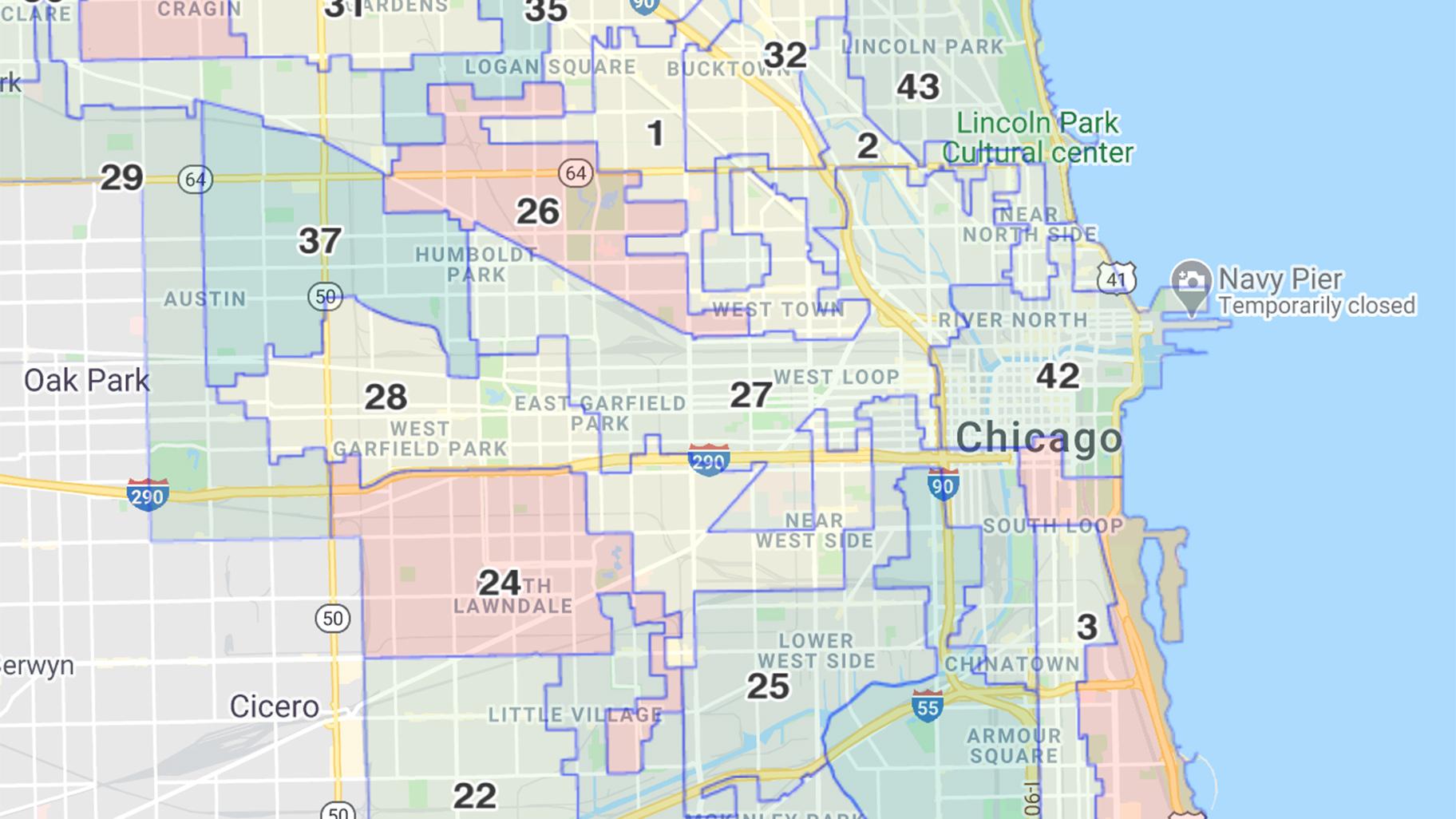
Decoding Chicago’s Wards: More Than Just Political Lines
At its core, a ward in Chicago is an electoral district. The city is divided into 50 wards, each represented by an alderman (or alderwoman) who serves on the Chicago City Council. These aldermen are elected by the residents of their respective wards and act as their local voice in city government. They are responsible for addressing local issues, approving zoning changes, overseeing city services within their ward, and playing a crucial role in the city’s legislative process. While the primary function of wards is political representation, their impact extends far beyond the ballot box, deeply influencing the fabric of Chicago’s neighborhoods.
The Significance of Wards for Travelers and Residents
Understanding Chicago’s wards offers a unique lens through which to view the city, enhancing both practical navigation and cultural immersion.
- Local Governance and Services: Aldermen have significant sway over local services. This includes everything from street maintenance and sanitation schedules to the placement of bike lanes and park improvements. For residents, this directly impacts quality of life. For visitors, well-maintained streets and parks contribute to a more pleasant and accessible travel experience. A ward’s alderman can advocate for improved public transport routes, which is vital for tourists exploring different attractions.
- Neighborhood Identity and Culture: Perhaps the most compelling reason for travelers to grasp the ward concept is its strong correlation with distinct neighborhood identities. While ward boundaries don’t always perfectly align with traditional neighborhood names (Lincoln Park, Pilsen, The Loop), they often encompass areas with shared cultural, historical, and economic characteristics. Exploring different wards means experiencing different facets of Chicago’s rich diversity, from the bustling financial district to vibrant ethnic enclaves and serene residential streets. This directly ties into the desire for authentic local culture and unique experiences.
- Zoning and Development: Aldermen play a critical role in zoning decisions, which dictate the type of development allowed in an area. This impacts everything from the height of buildings to the types of businesses that can operate. For those seeking accommodation, zoning influences the availability and style of hotels, apartments, and villas. A ward known for strict residential zoning might offer charming boutique hotels or bed-and-breakfasts, while a ward with more commercial zoning might feature towering resorts and high-rise suites.
- Community Events and Activities: Ward offices often promote or even organize local festivals, farmers’ markets, street fairs, and community gatherings. These events are fantastic opportunities for visitors to engage with local residents, sample regional food, and experience Chicago beyond its major tourist landmarks. Staying informed about the events in your specific ward (or a ward you plan to visit) can add unexpected delights to your itinerary.
- Understanding the City’s Political Landscape: For business travelers or those interested in civic engagement, understanding the ward system provides insight into Chicago’s political dynamics. It helps make sense of local policies, development projects, and the unique challenges and triumphs of different communities within the city.
How to Easily Find Your Chicago Ward
Determining which ward you are in, or which ward a specific address falls into, is surprisingly straightforward thanks to online resources.
Using Official Online Tools
The most reliable way to find your ward is through official city resources:
- City of Chicago website: The official City of Chicago website offers an interactive ward map or an address lookup tool. Simply enter a street address (including street number, street name, and “Chicago, Illinois“) into the designated search bar. The tool will then display the corresponding ward number, the name of the alderman, and often links to their ward office information. This is invaluable for both residents and visitors planning their stays.
- Chicago Board of Election Commissioners: While primarily focused on voter information, their website also typically includes a precinct and ward lookup tool that functions similarly to the general city website’s tool.
Practical Applications for Your Trip or Stay
- Before You Book Accommodation: If you have a specific neighborhood in mind for your hotel, apartment, or villa (booking sites often list neighborhoods), you can use the ward lookup tool to see which ward it belongs to. This might give you insights into local services or community events in that area.
- While Exploring: If you find yourself wondering about the local governance of a fascinating area you’re visiting, jot down an address and look it up later. This helps connect the physical space with its civic identity.
- For Long-Term Stays or Relocation: If you’re considering a move or a long-term accommodation in Chicago, knowing your ward is essential for voter registration, accessing local community programs, and understanding your local representation.
Exploring Chicago Through Its Ward-Defined Neighborhoods
While wards are administrative divisions, they frequently overlap with, or even define, many of Chicago’s most beloved and distinctive neighborhoods. By understanding this connection, visitors can tailor their travel plans to experience the specific lifestyle and culture they desire.
Downtown and Beyond: A Ward-by-Ward Glimpse
- The Loop (Often encompassing several wards): This is Chicago’s bustling central business district, home to iconic landmarks like Millennium Park (with its famous “Bean” sculpture), the Art Institute of Chicago, and the towering Willis Tower. Wards in this area cater to business stays with numerous high-end hotels and quick access to corporate offices. The vibe here is fast-paced, urban, and heavily focused on tourism and commerce. Visitors can find everything from luxury travel experiences to convenient transit connections to other parts of the city.
- River North and Gold Coast (Often within distinct wards): Just north of The Loop, these areas are synonymous with upscale lifestyle and luxury travel. Wards here host some of Chicago’s most prestigious hotels, designer boutiques along the Magnificent Mile, and a vibrant nightlife scene. Accommodation options range from lavish suites to sophisticated boutique properties, perfect for those seeking a high-end experience with access to fine dining and art galleries.
- Lincoln Park and Lakeview (Covering several northern wards): These neighborhoods offer a more residential feel while still boasting significant attractions. Wards in this region provide a greener, more laid-back atmosphere, ideal for family trips or travelers seeking a balance between city excitement and tranquil escapes. Here, you’ll find the free Lincoln Park Zoo, expansive parks along Lake Michigan, and charming tree-lined streets with a plethora of local food spots. Accommodation often includes boutique hotels or vacation rentals that offer a taste of local Chicago life. This area is also home to Wrigleyville, the vibrant district surrounding the historic Wrigley Field, a mecca for sports fans.
- Pilsen, Little Village, and Chinatown (Found in various southern and western wards): These neighborhoods offer incredibly rich cultural experiences. Wards here are characterized by their strong ethnic identities, vibrant street art (especially in Pilsen), authentic international food, and unique local shops. For visitors interested in immersing themselves in local culture and exploring diverse communities, these areas are must-visits. Accommodation may include more budget-friendly hotels or guesthouses, providing an excellent base for budget travel and authentic culinary adventures.
- Hyde Park (Southeastern wards): Home to the prestigious University of Chicago, this neighborhood blends academic gravitas with historical significance. Wards in Hyde Park boast cultural landmarks like the Museum of Science and Industry and a wealth of green spaces. It offers a distinct intellectual and historical lifestyle, appealing to those interested in history, education, and architecture. Accommodation here can range from charming bed and breakfasts to modern hotels catering to university visitors.
- West Loop and Fulton Market (Western wards near The Loop): These areas have undergone immense transformation, evolving from industrial districts to culinary hotbeds and trendy residential zones. Wards here showcase a modern, energetic lifestyle with some of Chicago’s most acclaimed restaurants, upscale boutiques, and stylish hotels and apartments. It’s a prime destination for food enthusiasts and those seeking a chic, urban experience.
- Logan Square, Wicker Park, and Bucktown (Northwest wards): Known for their artistic flair, vintage shops, and vibrant music scenes, these neighborhoods are popular with younger crowds and those seeking a bohemian lifestyle. Wards in these areas feature historic boulevards, lively nightlife, and a thriving independent food and arts scene. Accommodation typically includes independent hotels and numerous vacation rentals, offering a more local and personalized experience.
Choosing Your Accommodation Wisely: Leveraging Ward Knowledge
For travelers, understanding the ward system can be a powerful tool in selecting the perfect accommodation that aligns with their desired travel experience.
- For Business Stays: Focus on wards encompassing The Loop and River North for proximity to corporate offices, convention centers, and excellent transport links. Look for hotels with comprehensive amenities like business centers, meeting rooms, and executive suites.
- For Luxury Travel and High-End Experiences: Wards covering the Gold Coast and parts of River North offer opulent resorts and boutique hotels with concierge services, gourmet dining, and spa facilities. These areas provide unparalleled access to high-end shopping on the Magnificent Mile and fine dining.
- For Family Trips: Consider wards in Lincoln Park or Lakeview for their family-friendly atmosphere, parks, and attractions like the Lincoln Park Zoo or Navy Pier. Accommodation here might include apartment rentals or hotels with family suites and kid-friendly amenities. Proximity to cultural institutions such as the Shedd Aquarium, Field Museum, and the Museum of Science and Industry is also a strong draw.
- For Budget Travel and Cultural Immersion: Explore wards in neighborhoods like Pilsen or Chinatown for more affordable accommodation options and an authentic taste of local culture. These areas excel in offering diverse food experiences and unique local shops, providing excellent value for money while offering rich experiences.
- For Long-term Stay or Relocation: Focus on wards in residential neighborhoods such as Logan Square, Wicker Park, Bucktown, or Hyde Park. These areas often have a mix of apartments, villas, and house rentals, providing a more community-oriented lifestyle and access to local schools, parks, and services. Researching the specific ward’s alderman and community initiatives can provide valuable insights into the neighborhood’s future.
By using ward information as a guide, alongside traditional neighborhood research, you can make more informed decisions about where to stay, what to explore, and how to best experience the multifaceted city that is Chicago. The city’s official mapping tools and resources are your best friends in this endeavor, helping you seamlessly navigate its intricate civic landscape.
Conclusion
The question, “What ward am I in Chicago?” might initially seem purely administrative, but as we’ve explored, its answer unlocks a deeper understanding of this incredible city. From influencing the character of its vibrant neighborhoods and the services available to residents and visitors alike, to guiding your choices in accommodation and travel destinations, Chicago’s ward system is an integral part of its identity.
Whether you’re marveling at the architecture on a Chicago River cruise, enjoying the local food scene in Fulton Market, or seeking the perfect hotel for your family trip, being aware of the ward structure enriches your engagement with Chicago’s local culture and empowers you to make more informed travel tips and tourism decisions. So, the next time you visit or settle in this magnificent city, take a moment to discover your ward – it’s a key to truly experiencing Chicago like a local.
LifeOutOfTheBox is a participant in the Amazon Services LLC Associates Program, an affiliate advertising program designed to provide a means for sites to earn advertising fees by advertising and linking to Amazon.com. Amazon, the Amazon logo, AmazonSupply, and the AmazonSupply logo are trademarks of Amazon.com, Inc. or its affiliates. As an Amazon Associate we earn affiliate commissions from qualifying purchases.