
Nestled in the heart of the United States, Colorado is a state synonymous with majestic mountains, vibrant cities, and an unparalleled outdoor lifestyle. Its allure is undeniable, drawing millions of visitors each year to explore its rugged beauty, thrilling adventures, and rich cultural tapestry. But beyond the stunning landscapes and world-class attractions, lies a dynamic human story – the evolving narrative of Colorado’s population. Understanding the demographics of the Centennial State is not merely an exercise in numbers; it’s a window into the very essence of what makes Colorado such a sought-after destination for travelers, a thriving hub for tourism, and a unique place to call home. The people who live here, their diverse backgrounds, and where they choose to settle, profoundly shape the visitor experience, influencing everything from local culture and culinary scenes to the availability and type of accommodation options.
From the bustling streets of Denver to the serene mountain towns of Aspen and Vail, the population distribution tells a tale of economic opportunity, recreational pursuits, and a lifestyle deeply connected to nature. This comprehensive guide will delve into the current population of Colorado, explore its growth trends, and examine how these demographic shifts impact the state’s thriving tourism industry, diverse accommodation landscape, and distinctive lifestyle, offering insights for both prospective residents and eager travelers alike.

Colorado’s Demographic Landscape: A Growing Hub
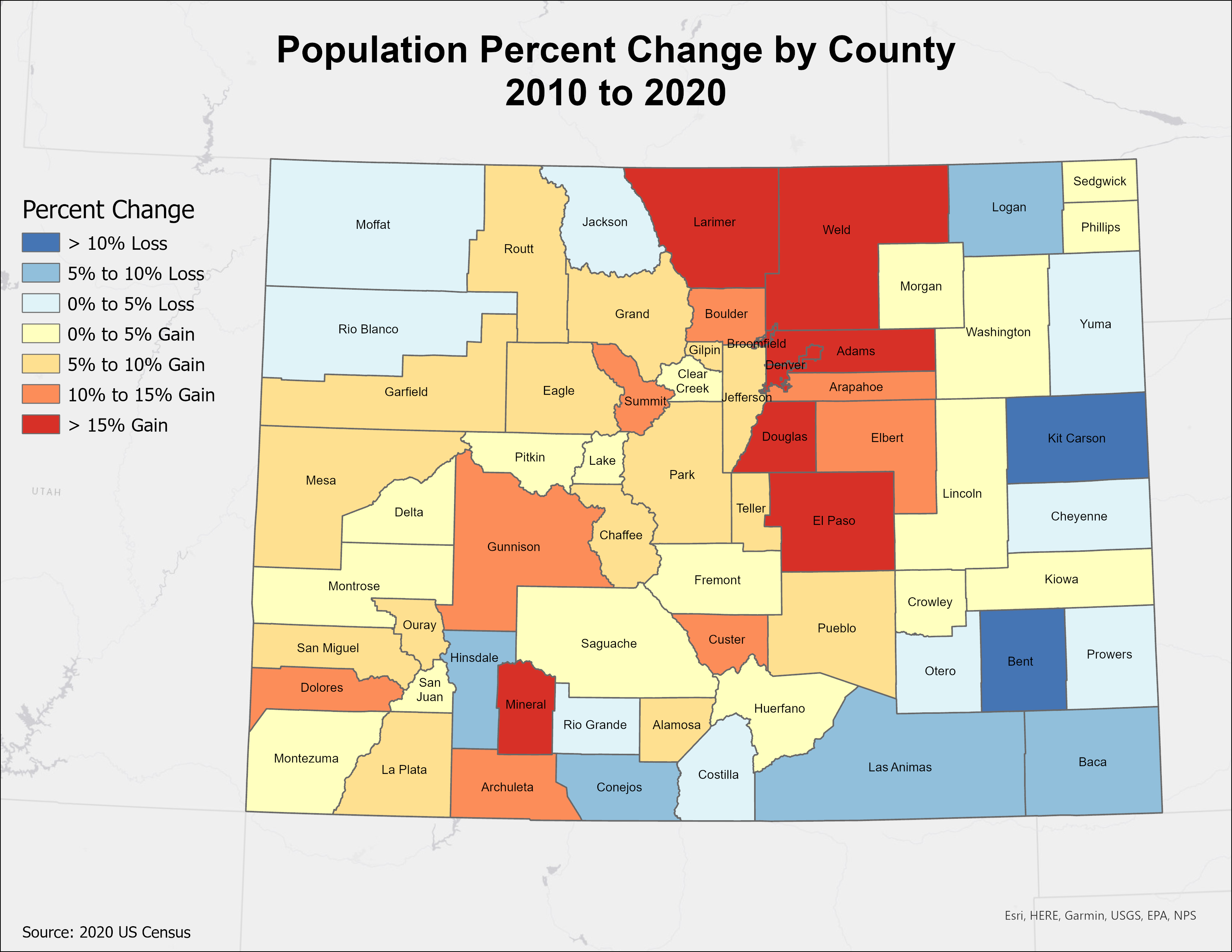
Colorado has consistently ranked among the fastest-growing states in the United States for decades, a testament to its strong economy, abundant natural beauty, and high quality of life. This steady influx of new residents has dramatically reshaped its demographic landscape, bringing with it both opportunities and challenges, particularly for the tourism and hospitality sectors.
Understanding the Numbers: Current Population and Growth Trends
As of recent estimates, the population of Colorado hovers around 5.8 to 5.9 million residents, making it the 21st most populous state in the United States. This figure represents a significant increase from just a few decades ago, illustrating a remarkable period of sustained growth. For context, in 2000, the state’s population was around 4.3 million, showcasing a growth rate that outpaces the national average. Factors contributing to this robust expansion include a strong job market, particularly in tech, aerospace, and energy sectors, coupled with the allure of an outdoor-centric lifestyle and 300 days of sunshine. The state has historically attracted individuals from more densely populated and expensive states like California and New York, alongside others from Texas, Arizona, and Florida, all seeking a balance of urban amenities and wilderness access. This demographic shift has created a vibrant, diverse, and often youthful population, contributing to a dynamic cultural scene that enriches the travel experience.

The rapid growth also translates into a robust workforce, which is crucial for supporting the expansive tourism infrastructure, from hotel staff to adventure guides. However, it also presents challenges such as increased demand for resources, infrastructure development, and the need to preserve the natural environment that attracts so many to Colorado in the first place. The median age of Colorado’s population is relatively young compared to the national average, reflecting a draw for young professionals and families. This youthful demographic often translates into a demand for active, experience-based tourism, influencing the types of attractions and activities that thrive in the state.
Where the People Live: Urban Centers vs. Mountain Retreats
The vast majority of Colorado’s population resides along the Front Range, a narrow corridor stretching from Fort Collins in the north, through Denver, Boulder, and Colorado Springs, down to Pueblo in the south. This region, nestled at the base of the majestic Rocky Mountains, is home to the state’s largest cities and economic powerhouses.
- Denver, the capital and largest city, is the undisputed urban heart of Colorado. Its metropolitan area boasts a population well over 2.9 million, making it a major hub for business, culture, and travel in the West. Visitors to Denver can explore its vibrant neighborhoods like LoDo (Lower Downtown Denver) and the River North Art District (RiNo), enjoy world-class dining, and experience attractions like Union Station, the Denver Art Museum, and Coors Field.
- Colorado Springs, situated at the base of Pikes Peak, is the state’s second-largest city. Its population of over 500,000 is drawn to its military presence (including the US Air Force Academy) and easy access to outdoor marvels like Garden of the Gods.
- Aurora, a large suburb bordering Denver, is the third most populous city, home to a diverse community and significant institutions like the Anschutz Medical Campus.
- Fort Collins, with its strong association with Colorado State University, and Boulder, home to the University of Colorado Boulder and known for its progressive culture and outdoor recreation, are other significant population centers along the Front Range. Cities like Greeley, supporting the University of Northern Colorado and agricultural industries, also contribute to this urban corridor.
Beyond the Front Range, population density significantly decreases, giving way to the vast expanses of the Rocky Mountains and the western slope. However, these less populated areas are home to iconic mountain towns and resort communities like Aspen, Vail, Breckenridge, and Telluride. While their permanent populations are smaller, they experience massive seasonal influxes of tourists and part-time residents, effectively swelling their numbers and impacting local services and accommodation options dramatically. Grand Junction, on the western slope, serves as a regional hub with a growing population supported by Colorado Mesa University and outdoor recreation. This distribution highlights a critical aspect for travelers: urban experiences are concentrated along the Front Range, while mountain adventures are found in areas with lower permanent populations but significant tourist infrastructure.
The Interplay of Population and Colorado’s Tourism Economy
The rapid growth and specific distribution of Colorado’s population are intricately linked to the health and evolution of its tourism economy. A burgeoning population not only contributes directly to the workforce necessary for a robust hospitality sector but also defines the local culture and services that visitors come to experience.
Fueling the Travel Industry: Workforce and Local Culture
Colorado’s growing population provides a vital labor pool for its expansive travel and tourism industry. From the ski instructors in Keystone to the chefs in Denver’s fine dining establishments, and the front-desk staff at a Four Seasons resort in Vail or a boutique hotel in Boulder, residents are the backbone of the visitor experience. A diverse population also means a diverse workforce, often bringing multilingual capabilities and cultural insights that enhance service quality for international travelers. Furthermore, the local culture is a direct reflection of its inhabitants. Colorado’s reputation for outdoor enthusiasm, craft breweries, farm-to-table dining, and a progressive mindset stems directly from the lifestyle choices and values of its residents. Tourists are not just visiting landmarks; they are immersing themselves in the vibrant lifestyle cultivated by the people of Colorado. This local flavor, from independent shops in LoDo (Lower Downtown Denver) to art galleries in Telluride, creates authentic experiences that generic tourist traps cannot replicate. The demographic mix, including a significant influx of young, educated professionals, fuels innovation in various sectors, including experiential tourism, leading to unique attractions and activities.
Demand for Accommodation: Hotels, Resorts, and Beyond
The sustained population growth, coupled with booming tourism, has put considerable pressure on Colorado’s accommodation sector. This increased demand has led to a surge in development, diversification of lodging options, and fluctuating pricing across the state. In major urban centers like Denver and Colorado Springs, new hotels are continually being built, ranging from budget-friendly options to luxurious urban retreats, including properties by major brands like Marriott and Hyatt. The demand is driven not only by leisure travelers but also by business visitors, conference attendees, and those visiting friends and family who have recently relocated to the state.
In mountain resort towns such as Aspen, Vail, Snowmass, and Breckenridge, the impact is even more pronounced. The limited land availability and high seasonal demand mean that luxury resorts like The Ritz-Carlton and St. Regis thrive, alongside a robust market for vacation rentals, private villas, and long-term apartment stays. These areas often see significant investment in high-end suites and resorts to cater to a discerning clientele. For travelers, this means a wide array of choices but also the necessity of booking well in advance, especially during peak seasons like winter ski months or summer hiking periods. Websites dedicated to accommodation comparison and reviews become essential tools for navigating the options. The population growth further translates into a need for more diverse lodging, from eco-lodges near Rocky Mountain National Park to family-friendly suites in suburban areas. Long-term stays are also gaining popularity, reflecting both the digital nomad lifestyle and seasonal workers in tourism hubs. The growth of companies offering extended-stay options and serviced apartments highlights this trend, catering to a transient population that contributes to both tourism and the local economy. Iconic hotels like The Broadmoor in Colorado Springs and The Stanley Hotel in Estes Park also continue to draw visitors, their historical significance adding to Colorado’s rich accommodation tapestry.
Exploring Colorado: Lifestyle, Landmarks, and Visitor Experiences
The identity of Colorado is profoundly shaped by its population, whose collective lifestyle, values, and recreational pursuits dictate the very experiences available to travelers. This synergy between residents and visitors transforms mere attractions into vibrant cultural encounters.
Lifestyle Influences: From Outdoor Enthusiasts to Urban Explorers
Colorado’s population is largely characterized by an active, health-conscious lifestyle, deeply rooted in outdoor recreation. This is not just a stereotype; it’s a fundamental aspect of life here, reflected in the state’s expansive network of trails, numerous ski resorts, and year-round opportunities for adventure. The state attracts people who value access to nature, leading to a strong community of hikers, skiers, snowboarders, mountain bikers, climbers, and rafters. For travelers, this means an abundance of guides, outfitters, and tour operators ready to facilitate any outdoor adventure, from a guided climb up Pikes Peak to a rafting trip down the Arkansas River. The “work hard, play hard” mentality is palpable, contributing to a vibrant social scene in urban centers with craft breweries, lively music venues, and diverse culinary experiences, particularly in Denver and Boulder.
Budget travelers can find numerous campgrounds and hostels, especially in national parks and forests, while luxury travelers can indulge in high-end spa resorts and gourmet dining in places like Aspen and Telluride. Family trips benefit from the plethora of kid-friendly activities, from the Denver Zoo to amusement parks like Elitch Gardens and interactive art experiences such as Meow Wolf Denver. Business stays are well-catered for in Denver’s convention district, offering seamless access to major hotels and transport links via Denver International Airport (DIA). The state’s residents are also known for their appreciation of local products, from artisanal foods to craft beverages, which is reflected in farmers’ markets, microbreweries, and distilleries that are popular attractions for tourists seeking an authentic taste of Colorado.
Iconic Landmarks: Shared Spaces for Residents and Tourists Alike
Colorado’s iconic landmarks are cherished by both its residents and the millions of visitors who flock to the state annually. These spaces serve as powerful magnets for tourism, but also as vital recreational and cultural hubs for the local population.
- Rocky Mountain National Park: One of the most visited national parks in the United States, this majestic wilderness is a playground for hikers, wildlife watchers, and photographers. Its proximity to the Front Range means residents often visit it multiple times a year, contributing to its bustling atmosphere alongside tourists from around the globe. The gateway town of Estes Park thrives on this dual patronage.
- Red Rocks Amphitheatre: An architectural and geological marvel carved into towering red rock formations near Morrison, this venue is legendary for its concerts and breathtaking views. It’s a beloved spot for Coloradons for exercise and events, offering a unique blend of nature and entertainment that attracts thousands of tourists seeking an unforgettable experience.
- Mesa Verde National Park: A UNESCO World Heritage Site in southwestern Colorado, it preserves the ancestral Puebloan cliff dwellings. This landmark offers a deep dive into ancient history and culture, drawing history buffs and curious travelers, while also being a point of pride for residents interested in their state’s heritage.
- Pikes Peak: Known as “America’s Mountain,” it’s one of Colorado’s most famous Fourteeners. Accessible by car, cog railway, or challenging hike from Manitou Springs, it’s a popular destination for both local families and international tourists seeking panoramic views from its summit. The nearby Garden of the Gods further enhances the area’s appeal.
- Other notable landmarks like Great Sand Dunes National Park and Preserve, Black Canyon of the Gunnison National Park, the Royal Gorge Bridge, and the therapeutic Glenwood Hot Springs baths, are all sustained by a combination of local appreciation and tourist dollars. The Denver Botanic Gardens offers an urban oasis of natural beauty, enjoyed by both residents and visitors seeking tranquility amidst the city bustle. These sites, whether natural wonders or man-made attractions, represent the shared identity of Colorado and are integral to its appeal as a premier travel destination.
The Future of Colorado: Sustaining Growth and Preserving Charm
The continued population growth in Colorado presents a complex future for the state, particularly concerning its tourism sector and the preservation of its distinctive charm. While a growing population brings economic vitality and cultural diversity, it also intensifies pressure on infrastructure, natural resources, and affordability. The challenge for [Colorado](https://lifeoutofthebox.com/colorado] will be to manage this growth sustainably, ensuring that its appeal for residents and tourists alike is maintained for generations to come. This involves strategic urban planning in areas like Denver and Colorado Springs, investing in public transportation, and implementing conservation efforts to protect the pristine Rocky Mountains and the Continental Divide.
For the tourism industry, this means an ongoing need to innovate and adapt. Diversifying attractions beyond the obvious, developing new eco-tourism initiatives, and promoting lesser-known destinations like the San Luis Valley or the Grand Mesa can help distribute visitor impact and offer unique experiences. The accommodation sector will need to balance new development with maintaining the state’s character, potentially through promoting sustainable hotel practices and supporting local, independently owned establishments. As Colorado continues to evolve, its population will remain at the heart of its story, shaping its future as a vibrant, resilient, and captivating destination for travelers worldwide. The ongoing influx of diverse individuals will continue to enrich the state’s lifestyle, ensuring that there’s always something new to discover, from the thriving arts scene in Golden to the historic mining towns of Cripple Creek and Ouray.
LifeOutOfTheBox is a participant in the Amazon Services LLC Associates Program, an affiliate advertising program designed to provide a means for sites to earn advertising fees by advertising and linking to Amazon.com. Amazon, the Amazon logo, AmazonSupply, and the AmazonSupply logo are trademarks of Amazon.com, Inc. or its affiliates. As an Amazon Associate we earn affiliate commissions from qualifying purchases.