
Navigating the intricacies of time zones is an often-overlooked but crucial aspect of travel planning, especially when your destination spans across more than one. South Dakota, a gem in the heart of the United States, presents precisely such a scenario. While its stunning landscapes, iconic monuments, and rich history draw countless visitors each year, understanding its dual time zone system is key to a seamless and stress-free adventure. From the rugged beauty of the Black Hills to the vibrant urban life of Sioux Falls, South Dakota offers a diverse range of experiences that require a little temporal foresight. This guide will not only demystify South Dakota’s time zones but also provide invaluable insights into planning your trip, ensuring you make the most of every precious moment in this remarkable state. Whether you’re a first-time visitor or a seasoned explorer, grasping the local time will enhance your ability to book accommodations, schedule activities, and truly immerse yourself in the local culture without missing a beat.
Decoding South Dakota’s Time Zones: A Traveler’s Essential Guide
South Dakota’s geographical position places it in a unique situation, straddling two primary time zones observed in the United States. This means that depending on where you are in the state, your clock might display a different time than someone just a few hours’ drive away. For travelers, this distinction is more than a mere curiosity; it’s a practical consideration that impacts everything from flight connections to dinner reservations. Being aware of this temporal divide is the first step towards a well-organized and enjoyable visit, allowing you to synchronize your plans with local schedules effortlessly.
Mountain Time vs. Central Time: Where the Lines Are Drawn
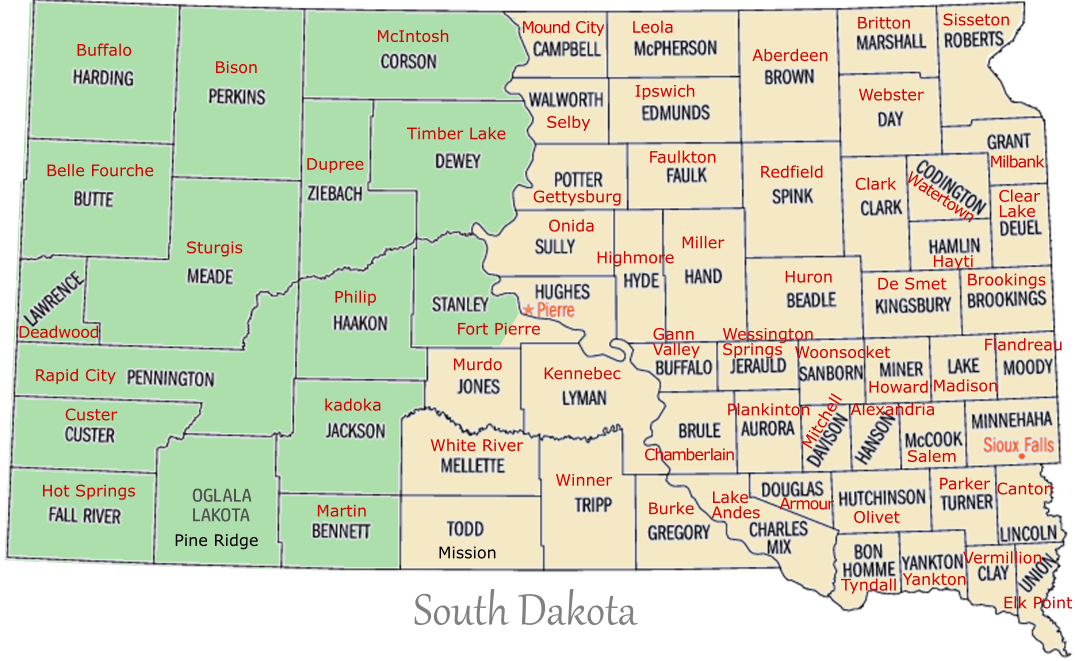
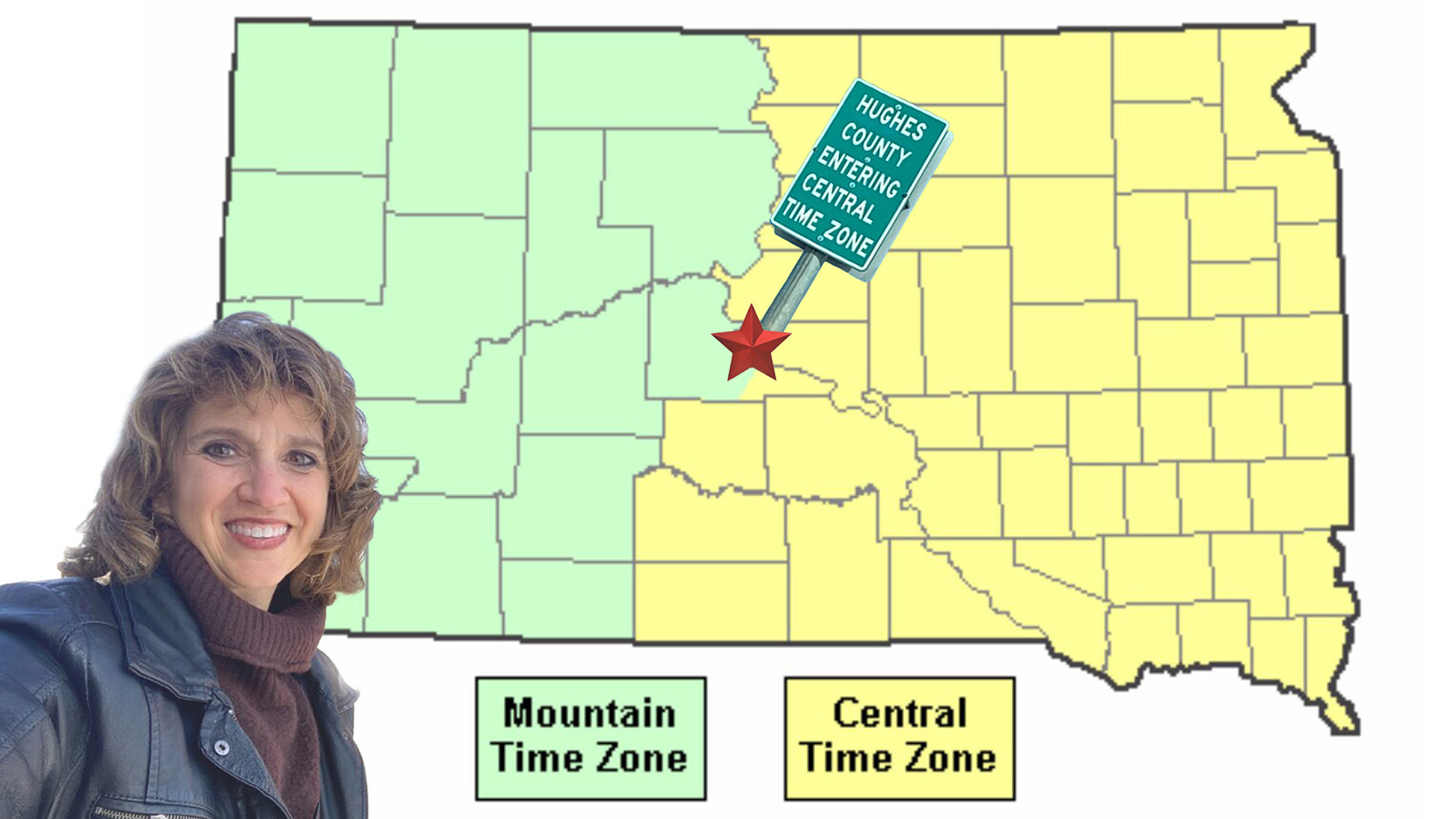
The vast majority of South Dakota operates on Central Time (CT), which is UTC-06:00. This includes the state’s largest city, Sioux Falls, and the state capital, Pierre, along with most of the eastern and central counties. However, a significant portion of the western part of the state observes Mountain Time (MT), which is UTC-07:00. This Western section encompasses the scenic Black Hills region, home to some of South Dakota’s most famous landmarks and tourist destinations. Key cities like Rapid City, Deadwood, and the areas surrounding Mount Rushmore National Memorial and Badlands National Park all fall within the Mountain Time zone.
The time zone boundary roughly follows the western edges of South Dakota’s central counties, effectively slicing the state vertically. When planning your itinerary, it’s crucial to identify which time zone your specific destinations fall into. For instance, if you’re flying into Sioux Falls and immediately driving to Rapid City, you’ll gain an hour upon arrival in Rapid City (or lose an hour on the return journey). This one-hour difference can significantly impact arrival times, hotel check-ins, and scheduled tours, making careful planning essential. Always double-check the time zone for any specific location or attraction you plan to visit, especially when crossing the invisible but impactful time zone line.
Navigating Daylight Saving Time in South Dakota
Adding another layer of consideration for travelers, South Dakota observes Daylight Saving Time (DST). This means that on the second Sunday in March, clocks “spring forward” by one hour, and on the first Sunday in November, they “fall back” by one hour. Both the Central Time and Mountain Time portions of the state adjust accordingly. During Daylight Saving Time, Central Time becomes Central Daylight Time (CDT), operating at UTC-05:00, and Mountain Time becomes Mountain Daylight Time (MDT), operating at UTC-06:00.
For travelers, Daylight Saving Time primarily affects the seasonal availability of daylight and, by extension, the operating hours of outdoor attractions. While the time difference between the eastern and western parts of South Dakota remains a constant one hour, the shift itself means adjusting your internal clock and confirming schedules. If you’re visiting during the spring or fall transition, ensure your smart devices automatically update and always verify booking times or event schedules with local providers. Being mindful of DST will help you avoid any missed appointments or early closures, allowing for a smoother travel experience as you explore the wonders of South Dakota.
Beyond the Clock: South Dakota’s Unforgettable Landmarks and Attractions
While understanding South Dakota’s time zones is a practical necessity, the true allure of the state lies in its rich tapestry of natural beauty, historical sites, and vibrant culture. South Dakota is a land of striking contrasts, from the sculpted peaks of the Black Hills to the sprawling prairies that whisper tales of pioneers and Native American heritage. Each region offers distinct experiences, and knowing which time zone each falls into will aid in planning your journey to these unforgettable landmarks.
Western Wonders in Mountain Time
The western half of South Dakota, operating on Mountain Time, is arguably the state’s most famous and visited region, drawing millions with its monumental attractions and rugged landscapes.
At the heart of the Black Hills lies the iconic Mount Rushmore National Memorial, where the faces of four American presidents are carved into granite. A visit here is a quintessential South Dakota experience, offering both patriotic reflection and breathtaking views. Just a short drive away, the Crazy Horse Memorial stands as an ongoing testament to Native American culture and history, depicting the Oglala Lakota warrior Crazy Horse in an equally ambitious mountain carving. Both memorials require time for exploration, including visitor centers, museums, and viewing areas, all operating on Mountain Time schedules.

Further south, Custer State Park beckons with its wild beauty, home to bison herds, winding scenic drives like the Needles Highway and the Wildlife Loop Road, and abundant opportunities for hiking and wildlife viewing. The park’s lodges, visitor centers, and activities also adhere to Mountain Time, making it crucial to plan your day trips and ensure you have ample daylight for exploration, especially during the shorter days outside of Daylight Saving Time.
East of the Black Hills, the otherworldly landscape of Badlands National Park captivates with its sharply eroded buttes, pinnacles, and spires. This ancient seabed offers incredible hiking trails and fossil beds, all under the Mountain Time clock. For those interested in a taste of the Old West, the historic town of Deadwood offers a vibrant glimpse into its gold rush past with casinos, saloons, and historical re-enactments, all running on the same time. The regional hub, Rapid City, provides convenient access to all these attractions, with a range of accommodation and dining options operating within the Mountain Time zone.
Eastern Experiences in Central Time
The eastern half of South Dakota, operating on Central Time, offers a different but equally compelling side of the state, characterized by rolling prairies, agricultural richness, and vibrant urban centers.
Sioux Falls, the largest city in South Dakota, serves as the cultural and economic hub of the eastern region. Visitors can explore Falls Park, where the Big Sioux River cascades over beautiful pink quartzite, providing a picturesque backdrop for strolls and photographs. The city also boasts the impressive SculptureWalk, an annual outdoor exhibit of sculptures transforming the downtown area into an open-air gallery. Dining, shopping, and entertainment venues throughout Sioux Falls all adhere to Central Time, making planning a breeze once you’re aware of the local hour.
Further west, but still within Central Time, is Pierre, the state capital. Here, you can tour the majestic South Dakota State Capitol Building, a beautifully preserved example of neoclassical architecture. The city’s location on the Missouri River also offers opportunities for fishing, boating, and enjoying the serene beauty of the river valley. Historical sites, museums, and local businesses in Pierre all operate on Central Time, ensuring consistency for visitors.
Beyond the major cities, eastern South Dakota invites exploration of its agricultural heritage, charming small towns, and recreational opportunities along the Missouri River and numerous lakes. Whether it’s visiting a pumpkin patch in the fall, enjoying a summer festival, or exploring local vineyards, activities in this region will be scheduled according to Central Time. Understanding this temporal framework will help you coordinate visits to farmers’ markets, historical societies, and other unique local attractions without missing out.
Planning Your South Dakota Adventure: Accommodation and Lifestyle Tips
Embarking on a journey through South Dakota is an experience filled with awe-inspiring sights and memorable activities. Beyond understanding the time zones, successful travel planning involves securing the right accommodations and adopting a mindset that embraces the local lifestyle. From luxurious resorts to rustic cabins, South Dakota offers a spectrum of lodging options to suit every preference and budget, ensuring your stay is as comfortable as it is enriching.
Choosing Your Stay: Hotels, Resorts, and Unique Accommodations
South Dakota caters to every type of traveler when it comes to accommodations. In the western Mountain Time zone, near the Black Hills and its national treasures, you’ll find a range of options from quaint boutique hotels in Deadwood to sprawling resorts with extensive amenities in Rapid City. For those seeking an immersive nature experience, consider booking a cabin or lodge within Custer State Park, offering unparalleled access to wildlife and outdoor activities. These accommodations are often booked far in advance, especially during peak season (summer), so early reservations are highly recommended. Always confirm check-in and check-out times, which will be dictated by the local Mountain Time zone.
In the eastern Central Time zone, Sioux Falls boasts a variety of modern hotels, from budget-friendly chains to upscale establishments offering suites and business facilities. For a more unique stay, look for charming bed and breakfasts in smaller towns or vacation rentals that allow you to experience local life. When making bookings, especially across time zones, it’s vital to clarify which time zone the reservation confirmation refers to. Reputable online booking platforms usually account for this, but a quick double-check can prevent any confusion upon arrival. Reading reviews and comparing amenities, such as swimming pools, complimentary breakfast, or pet-friendly policies, is also crucial for finding the perfect match for your travel style.
Navigating South Dakota: Practical Travel and Lifestyle Advice
Traveling through South Dakota is best done by car, as it offers the flexibility to explore at your own pace and access remote attractions. The state’s road network is well-maintained, but distances between major points of interest can be considerable. Therefore, factoring in driving times, and accounting for potential time zone changes, is essential for daily planning. A 3-hour drive from Sioux Falls (CT) to the time zone boundary will feel like 4 hours in terms of clock time if you are heading into Mountain Time, so adjust your expectations and schedules accordingly.
The best time to visit South Dakota is typically from late spring to early fall, when the weather is mild, and all attractions are open. However, each season offers a different charm, from the vibrant colors of autumn to the serene, snow-covered landscapes of winter. Regardless of when you visit, always confirm the operating hours of specific attractions, especially given the state’s observance of Daylight Saving Time. Many outdoor activities and parks have seasonal closures or reduced hours outside of peak summer.
Embracing the Midwestern lifestyle means enjoying hearty food, friendly hospitality, and a connection to the land. Don’t miss out on trying local specialties like buffalo burgers or chislic. Respect for Native American culture is also paramount, and opportunities abound to learn about their history and traditions through cultural centers and events. Whether you prefer luxury travel with high-end resorts and guided tours or budget travel focused on camping and self-guided exploration, South Dakota accommodates diverse travel lifestyles. The key to a fulfilling trip is meticulous planning, especially regarding the state’s unique time zone situation, ensuring every moment spent in this magnificent state is truly cherished.
In conclusion, while the question “What time zone is South Dakota?” yields a bifurcated answer – Central Time in the east and Mountain Time in the west – this minor complexity is easily overcome with a bit of foresight. South Dakota is a destination that promises unforgettable experiences, from the awe-inspiring carvings of Mount Rushmore National Memorial to the serene beauty of the Missouri River. By understanding and accounting for the time zones and the observance of Daylight Saving Time, you can seamlessly navigate your journey, ensuring that your accommodation bookings, attraction visits, and dining experiences are perfectly synchronized. So set your watches, pack your bags, and prepare to be enchanted by the timeless beauty and rich history of South Dakota.
LifeOutOfTheBox is a participant in the Amazon Services LLC Associates Program, an affiliate advertising program designed to provide a means for sites to earn advertising fees by advertising and linking to Amazon.com. Amazon, the Amazon logo, AmazonSupply, and the AmazonSupply logo are trademarks of Amazon.com, Inc. or its affiliates. As an Amazon Associate we earn affiliate commissions from qualifying purchases.