
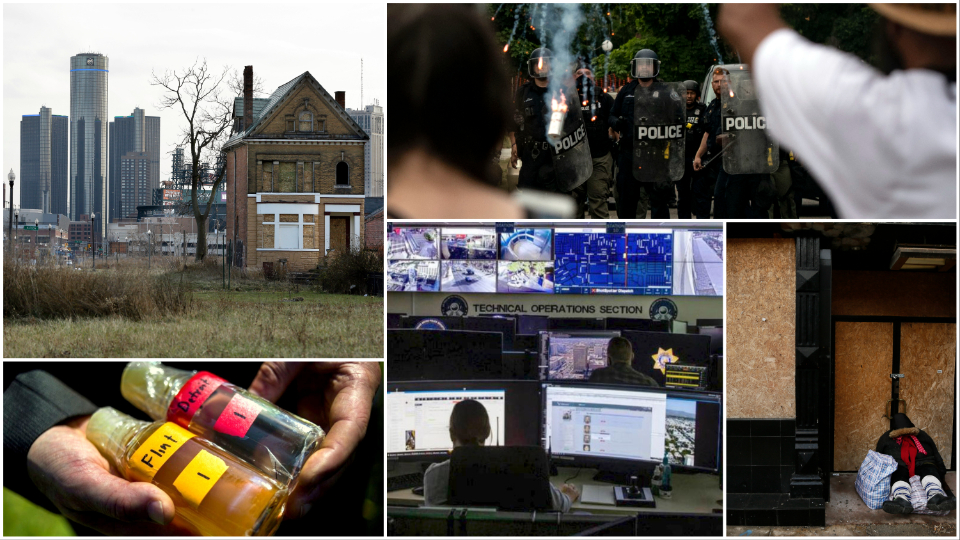
For decades, the mention of Detroit, Michigan, conjured images of urban decay, economic hardship, and high crime rates in the collective consciousness. The city, once the powerhouse of American industry, faced immense challenges, particularly after the decline of its automotive sector and the devastating impact of the Great Recession. However, to frame Detroit solely by its past is to miss the extraordinary narrative of a city in the midst of a powerful resurgence. Today, Detroit is a vibrant tapestry of innovation, culture, and community, attracting new residents, businesses, and, increasingly, discerning travelers. The question “Is Detroit, Michigan safe?” is more relevant than ever for those considering exploring this dynamic destination. The answer, much like the city itself, is nuanced and evolving, but overwhelmingly positive for the prepared and informed visitor.
Detroit’s Resurgence: A City Reimagined
The story of Detroit is one of profound transformation. While it faced significant obstacles, the city has embarked on a remarkable journey of revitalization, turning its narrative from one of struggle to one of hope and progress. This rebirth has been fueled by substantial investments, a thriving entrepreneurial spirit, and a deep commitment from its residents to rebuild and reimagine their beloved home.
From Industrial Hub to Cultural Renaissance
Detroit’s industrial zenith saw it as the “Arsenal of Democracy” and the undisputed capital of the automotive world, giving birth to iconic brands and revolutionizing manufacturing. This era also saw a booming population and a rich cultural scene, particularly the emergence of Motown music. However, economic shifts, suburbanization, and social challenges led to a significant downturn, culminating in the city’s historic bankruptcy in 2013.
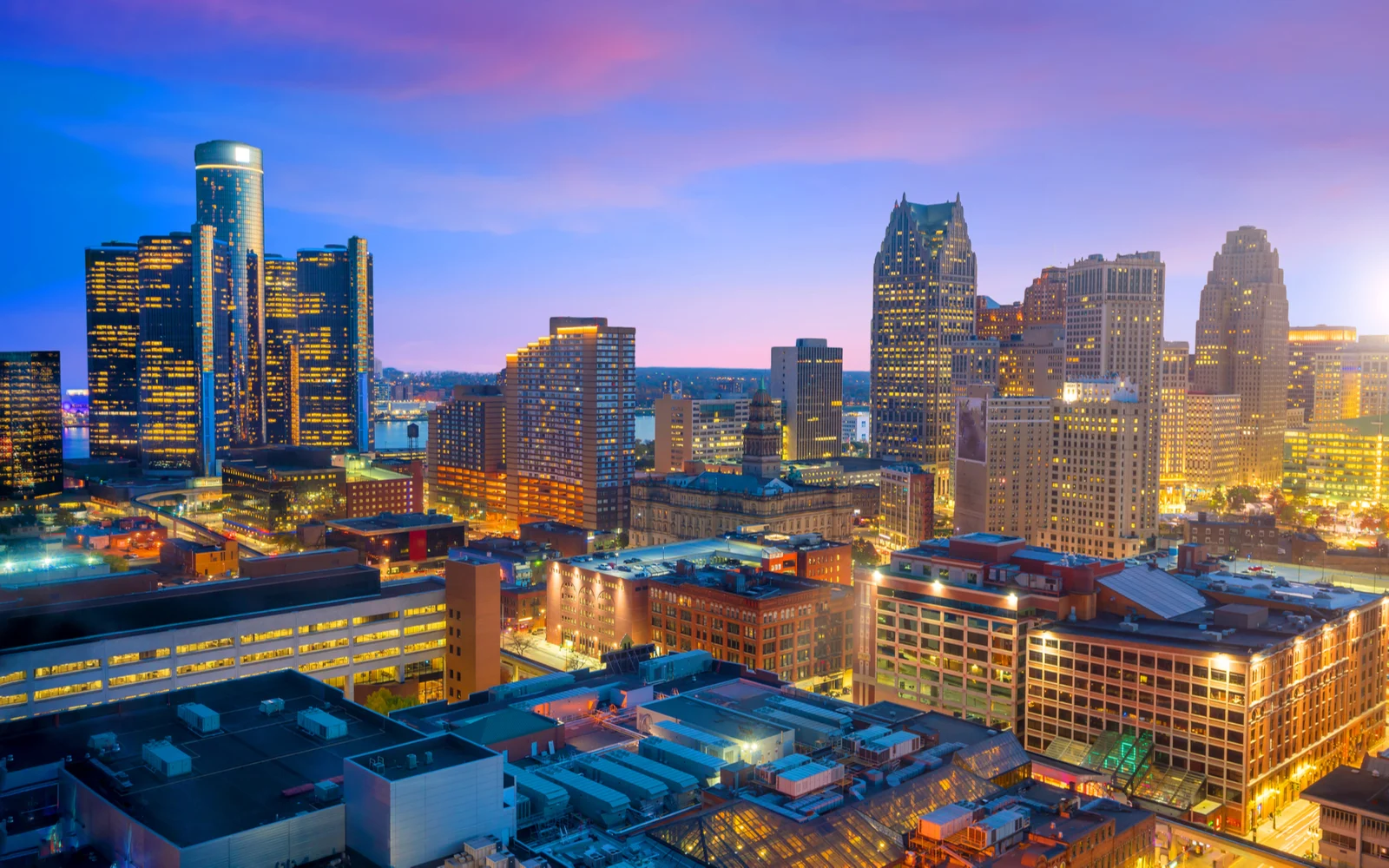
Yet, this nadir became a catalyst for change. The past decade has witnessed an incredible renaissance across Detroit. Downtown and Midtown, once struggling, are now buzzing with activity, new businesses, restaurants, and residential developments. Tech companies, startups, and creative enterprises have flocked to the city, drawn by its affordability, rich talent pool, and the palpable energy of innovation. Public and private partnerships have poured billions into infrastructure, parks, and cultural institutions, fundamentally reshaping the urban landscape. Landmarks like the Renaissance Center have been joined by new architectural marvels and restored historic buildings, attracting a diverse array of visitors seeking authentic experiences beyond typical tourist traps. This shift from an industrial hub to a burgeoning cultural and innovation center is at the heart of Detroit’s new identity as a premier travel destination in the United States.

Understanding Crime Statistics in Context
The perception of Detroit as an unsafe city often lags behind its current reality. Historical crime rates, particularly during its toughest years, cemented a reputation that has been slow to dissipate. However, official data from sources like the FBI and the Bureau of Justice Statistics consistently show a downward trend in violent and property crime in Detroit over the past decade. While crime rates remain higher than the national average in some categories, the improvements are significant and continuous.
Crucially, like any large metropolitan area, safety in Detroit is highly dependent on location. The revitalized areas frequented by tourists and residents alike – such as Downtown, Midtown, and Corktown – are generally well-patrolled, brightly lit, and equipped with surveillance. These areas have seen the most dramatic reductions in crime and offer a safe and welcoming environment for visitors. It is essential for travelers to approach Detroit with the same level of awareness and precaution they would apply to any major city, rather than relying on outdated stereotypes. Understanding the city’s geography and concentrating on its flourishing districts is key to a safe and enjoyable visit.
Navigating Detroit: Safety for Travelers
Traveling to any major urban center requires a certain degree of awareness and planning, and Detroit is no exception. With its sprawling layout and diverse neighborhoods, knowing where to go and what precautions to take can significantly enhance your experience and ensure your safety.
Exploring Detroit’s Safest and Most Vibrant Neighborhoods
For tourists, the majority of attractions and experiences are concentrated in areas that have benefited most from the city’s revitalization efforts and are generally considered safe:
- Downtown: This is the bustling heart of the city, home to major sports venues like Comerica Park and Little Caesars Arena, historic theaters such as the Fox Theatre, and vibrant public spaces like Campus Martius Park, Hart Plaza, Cadillac Square, Capitol Park, and Grand Circus Park. It’s well-lit, heavily policed, and teeming with pedestrian activity day and night.
- Midtown: Known as Detroit’s cultural center, Midtown boasts institutions like the Detroit Institute of Arts (DIA), the Motown Museum, and Wayne State University. It’s a lively district with a wealth of restaurants, cafes, and boutiques, making it very popular with students, artists, and families.
- Corktown: The city’s oldest surviving neighborhood, Corktown is famed for its historic Victorian homes and a burgeoning culinary scene. It’s a charming and welcoming area, home to some of Detroit’s most acclaimed eateries and a burgeoning nightlife.
- New Center: Anchored by the iconic Fisher Building, New Center is experiencing its own revival with new residential developments and businesses. It’s a significant commercial and cultural hub.
- Riverfront: The stunning Detroit Riverwalk offers miles of scenic pathways, parks, and attractions along the Detroit River. This area is incredibly popular for recreation and offers breathtaking views of Windsor, Ontario, Canada.
- Eastern Market: A historic public market dating back to 1891, Eastern Market is a vibrant hub for foodies, artists, and shoppers, particularly on market days. It’s a bustling and safe area during operating hours.
- Residential Historic Districts: Neighborhoods like Indian Village, Palmer Woods, Brush Park, and Woodbridge are renowned for their beautiful historic architecture and offer a glimpse into Detroit’s grand past. While generally safe for walking or driving during the day, they are primarily residential.
Areas Requiring Caution: What Travelers Should Know
While the areas above are safe for exploration, some districts on the city’s periphery still face significant challenges and are not recommended for tourists, especially after dark. These areas, such as Highland Park, Brightmoor, Osborn, and Warrendale, often have higher rates of poverty and crime. It’s also generally advisable to be cautious in any unfamiliar industrial or very sparsely populated areas, especially when walking alone. The famous 8 Mile Road, while a significant cultural reference, marks a dividing line in some areas, and visitors should exercise discretion beyond the core revitalized zones. Stick to well-trafficked, well-lit areas, and use reputable transportation services like ride-sharing apps or taxis.
Essential Safety Tips for Visitors
To ensure a safe and enjoyable trip to Detroit, consider these practical safety tips:
- Situational Awareness: Always be aware of your surroundings. Avoid distractions like constantly looking at your phone, especially in crowded or unfamiliar areas.
- Protect Valuables: Keep cash, jewelry, and electronics out of sight. Don’t flash large amounts of cash. A cross-body bag or money belt can offer extra security.
- Travel in Groups at Night: While Downtown and Midtown are lively after dark, it’s always safer to explore with companions, especially in less familiar areas.
- Reputable Transportation: Utilize ride-sharing services (Uber/Lyft), licensed taxis, or the Detroit People Mover for convenient and safe travel within the core areas. Avoid walking alone at night, particularly on deserted streets.
- Parking Smart: If driving, park in well-lit, secure parking garages or lots. Never leave valuables visible in your car.
- Emergency Contacts: Know how to contact local authorities (911 in the United States) and have important personal contacts easily accessible.
- Trust Your Gut: If a situation or an area feels unsafe, remove yourself from it. Your intuition is often your best guide.
Discovering Detroit’s Rich Tapestry: Attractions and Experiences
Beyond the question of safety, Detroit offers an incredible array of attractions and experiences that cater to diverse interests, making it a truly unique destination for travelers. The city’s history, vibrant arts scene, burgeoning culinary landscape, and friendly locals create an unforgettable journey.
Iconic Landmarks and Cultural Gems
Detroit’s cultural institutions and landmarks are world-class, reflecting its rich past and dynamic present:
- Motown Museum: “Hitsville U.S.A.” is a must-visit for music lovers, offering a nostalgic journey through the birthplace of the legendary Motown sound.
- Detroit Institute of Arts (DIA): Home to over 65,000 works of art, including Diego Rivera’s famous “Detroit Industry Murals,” the DIA is one of the premier art museums in the United States.
- Henry Ford Museum & Greenfield Village: Located just outside the city in Dearborn, this expansive complex explores American innovation, from cars and agriculture to historical buildings and machinery. It includes the Ford Piquette Avenue Plant, where the first Model T was built.
- Belle Isle Park: A stunning 982-acre island park designed by Frederick Law Olmsted, offering a conservatory, aquarium, museum, and spectacular views of the Detroit River and Windsor.
- Detroit Zoo: Located in Royal Oak, the Detroit Zoo is an expansive and respected institution focusing on animal welfare and conservation.
- Architectural Wonders: Explore the stunning Art Deco architecture of the Guardian Building and the Fisher Building, or marvel at the modern imposing presence of the Renaissance Center.
- Sports and Entertainment: Catch a game at Comerica Park (Tigers baseball) or Little Caesars Arena (Red Wings hockey, Pistons basketball), or experience a show at the historic Fox Theatre.
A Taste of Detroit: Dining, Entertainment, and Lifestyle
Detroit’s culinary scene is exploding, offering everything from classic coney dogs and deep-dish pizza to innovative fine dining experiences. Neighborhoods like Corktown, Mexicantown, and Midtown are gastronomic hotspots, featuring diverse cuisines and award-winning chefs. Craft breweries, distilleries, and trendy cocktail bars contribute to a dynamic nightlife, particularly in Downtown. For those seeking entertainment, Detroit boasts several casinos, including MGM Grand Detroit, MotorCity Casino, and Greektown Casino, offering gaming, live music, and diverse dining options. The city also hosts numerous festivals, concerts, and events throughout the year, celebrating its rich musical heritage and vibrant community spirit.
Accommodation Options for Every Journey
As a growing tourist destination, Detroit offers a wide range of accommodation options to suit every budget and travel style. From luxury resorts and boutique hotels to extended-stay apartments and budget-friendly choices, you’ll find comfortable lodgings primarily concentrated in the revitalized areas.
- Luxury & Boutique Hotels: Downtown and Midtown feature several upscale hotels that provide premium amenities, exquisite dining, and convenient access to attractions. These often blend historic charm with modern elegance.
- Mid-Range & Business Hotels: Many reputable hotel chains have a strong presence, offering comfortable and reliable stays for both leisure and business travelers. These are ideal for those seeking a balance of quality and value.
- Apartments & Extended Stays: For longer visits or those preferring a more home-like experience, furnished apartments and extended-stay options are available, particularly popular with families or business travelers seeking more space and amenities like kitchens.
- Unique Stays: Explore charming bed and breakfasts in historic neighborhoods or consider unique vacation rentals to experience Detroit’s local culture more intimately.
When booking accommodation, always prioritize hotels or apartments located in well-known, safe neighborhoods like Downtown, Midtown, or Corktown, ensuring easy access to public transport or well-lit parking facilities. Checking recent reviews and comparing options on travel websites can help in making an informed decision.
The Final Verdict: Is Detroit a Safe Destination?
The short answer is yes, Detroit is generally safe for tourists, provided you exercise common sense and stay within its revitalized and well-trafficked areas. The city has undergone an incredible transformation, shedding its former reputation and emerging as a dynamic, welcoming, and culturally rich destination. Its crime rates have significantly decreased, particularly in the areas where visitors spend most of their time.
By being informed about the different neighborhoods, practicing basic urban safety precautions, and focusing on the myriad of positive experiences it offers, travelers can confidently explore and enjoy Detroit. This is a city that thrives on resilience, creativity, and community, and it is ready to surprise and delight those willing to discover its true, vibrant spirit. Don’t let outdated perceptions deter you from experiencing one of America’s most fascinating and evolving urban landscapes. Detroit isn’t just safe; it’s waiting to be explored.
LifeOutOfTheBox is a participant in the Amazon Services LLC Associates Program, an affiliate advertising program designed to provide a means for sites to earn advertising fees by advertising and linking to Amazon.com. Amazon, the Amazon logo, AmazonSupply, and the AmazonSupply logo are trademarks of Amazon.com, Inc. or its affiliates. As an Amazon Associate we earn affiliate commissions from qualifying purchases.