
For many individuals seeking a fresh start or exploring the diverse landscapes of the Sunshine State, understanding the local laws and civic landscape is as crucial as finding the perfect beachfront accommodation or selecting the next iconic landmark to visit. Beyond the allure of Florida’s world-class attractions and vibrant tourism industry, lies a complex legal framework that governs the rights of its citizens, including those with past felony convictions. The question, “Can a felon vote in Florida?” isn’t just a matter of law; it’s a reflection of societal values, a journey of reintegration, and a topic that has significant implications for the lifestyle and opportunities available to returning citizens.
Whether you’re considering a permanent move to a bustling city like Miami, a serene retirement in Sarasota, or simply exploring the unique culture of the Florida Keys, being informed about the civic landscape is part of a complete understanding of your destination. For those with a felony on their record, the path to voting in Florida has undergone significant changes in recent years, evolving from one of the most restrictive systems in the United States to a more nuanced, albeit still challenging, process. This exploration delves into the historical context, the legislative shifts, and the practical implications for individuals seeking to re-engage with their civic duties in the state known for its inviting travel experiences and diverse lifestyle options. Understanding these intricacies provides a deeper appreciation for the local culture and the ongoing efforts to foster an inclusive society, making Florida not just a destination for leisure, but a place where the journey of personal growth and civic participation continues.

Navigating Civic Reintegration: Understanding Voting Rights in the Sunshine State
The story of felon voting rights in Florida is a compelling narrative of evolving perspectives on justice, rehabilitation, and the foundational principles of democracy. For returning citizens, the ability to vote is often seen as a crucial step in their reintegration into society, a mark of full citizenship that goes beyond mere physical presence in a community. It represents a restoration of dignity and a chance to contribute to the future of the state they call home, whether that home is a temporary stay in a boutique hotel during a job search or a long-term residence in a quiet suburban neighborhood. Understanding this journey is key to appreciating the complex social fabric of the Sunshine State.
The Journey to Amendment 4: A Landmark Shift
For over a century, Florida maintained one of the strictest felon disenfranchisement laws in the United States. Prior to 2018, felons in Florida faced permanent disenfranchisement upon conviction. The only pathway to restoring voting rights was through a lengthy and often arbitrary clemency process, which involved an application to the Florida Clemency Board. This board, composed of the Governor and Cabinet members, had sole discretion over rights restoration, leading to a system that many criticized as politically motivated and inconsistently applied. The backlog of applications was immense, and approval rates were notoriously low, leaving hundreds of thousands of Floridians without a voice in their government. This historical context is important for any traveler or prospective resident to grasp, as it highlights the profound impact of past policies on the lifestyle and civic engagement of a significant portion of the population.
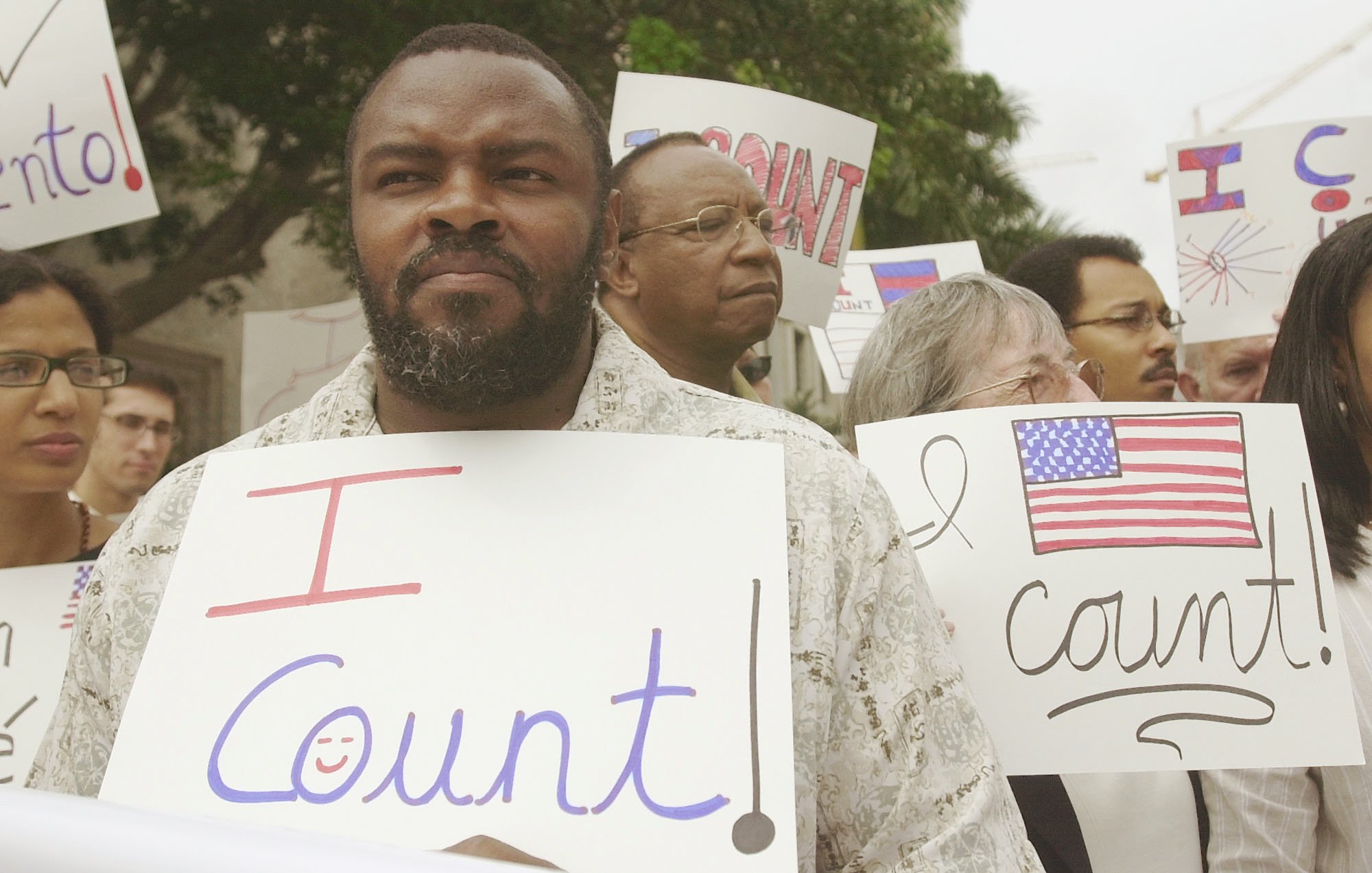
This restrictive landscape began to change dramatically with the passage of Amendment 4 in November 2018. This citizen-led ballot initiative garnered overwhelming support, with over 64% of Florida voters approving it. Amendment 4 fundamentally altered the state’s constitution, automatically restoring the voting rights of most felons upon completion of their entire sentence, including parole or probation. This was hailed as a monumental victory for civil rights advocates and a testament to the belief in restorative justice – the idea that once a debt to society has been paid, individuals should be allowed to fully participate in their communities. The passage of Amendment 4 promised to re-enfranchise an estimated 1.4 million Floridians, a number larger than the populations of many small states. It was seen as a beacon of hope, offering a renewed sense of belonging and the opportunity for countless individuals to shape the political future of their state, influencing everything from local governance to the broader tourism policies that define Florida as a destination.
The Legislative Nuances: SB 7066 and Its Impact
Despite the clear mandate of Amendment 4, its implementation was swiftly met with legislative interpretation that significantly complicated the process. In 2019, the Florida Legislature passed Senate Bill 7066 (SB 7066), which clarified the definition of “completion of sentence.” According to SB 7066, an individual’s sentence is not considered complete until all financial obligations – including fines, fees, and restitution – have been paid in full. This legislative act effectively introduced a “pay-to-vote” requirement, transforming the promised automatic restoration of rights into a conditional one for many.
This development ignited a fierce legal and political battle, with civil rights groups arguing that SB 7066 undermined the spirit and intent of Amendment 4 and created an unconstitutional wealth-based disenfranchisement system. Many returning citizens, already facing economic challenges, found themselves unable to afford the outstanding financial burdens, effectively blocking their path to the ballot box. This legislative nuance has created significant barriers, particularly for those who are struggling financially, impacting their overall lifestyle and ability to fully reintegrate. The practical implications are profound: a returning citizen might secure stable housing in a new city like Orlando, find meaningful employment, and contribute positively to their community, yet remain unable to vote due to outstanding court fees from decades prior.
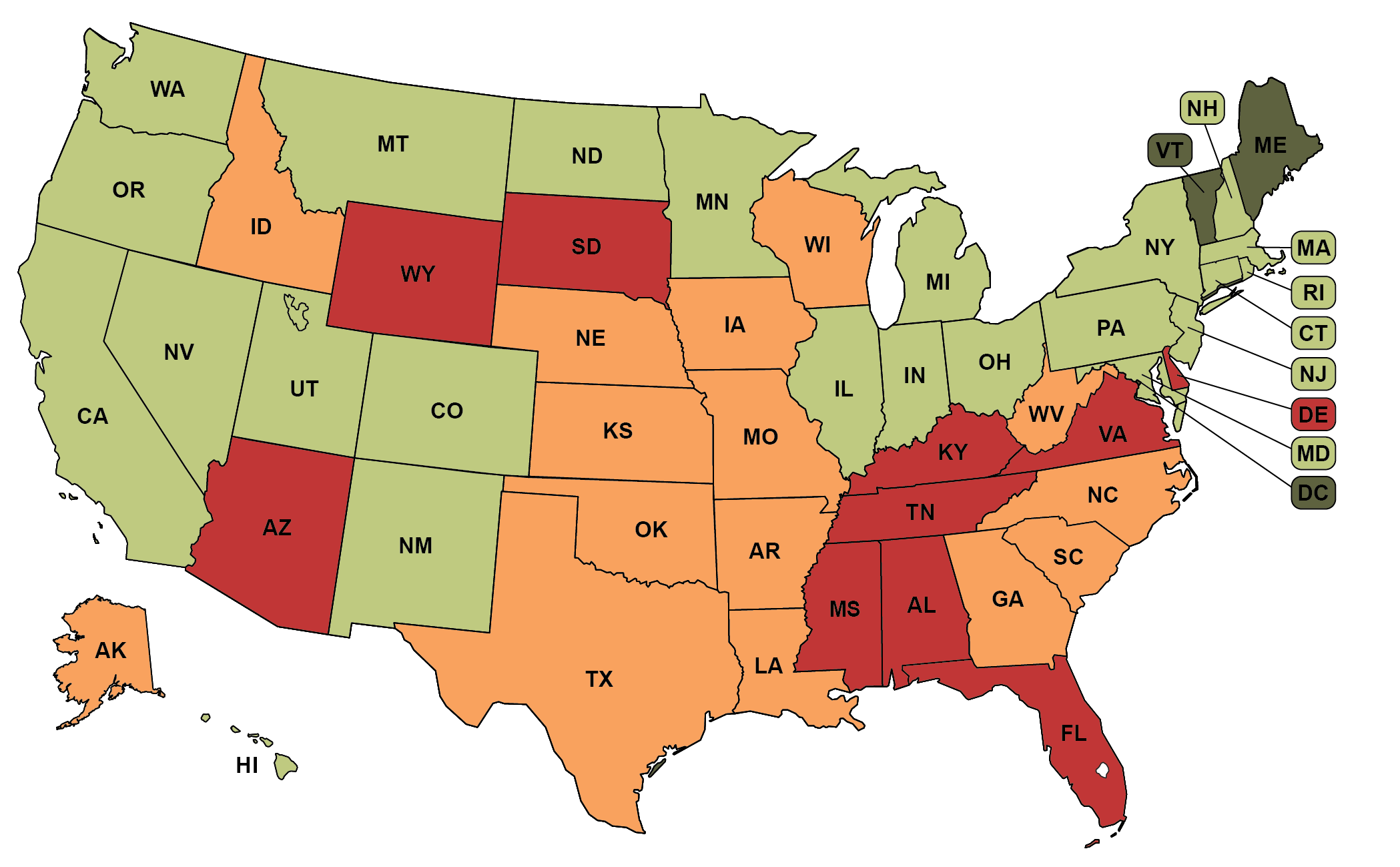
It’s also crucial to note the exceptions to Amendment 4. The amendment explicitly excludes individuals convicted of murder or sexual offenses from automatic rights restoration. For these specific crimes, the traditional clemency process remains the only pathway, reflecting a societal consensus on the severity of these offenses. The legal challenges surrounding SB 7066 eventually reached the Florida Supreme Court and federal courts. While initial federal court rulings offered some relief, ultimately, the U.S. Court of Appeals for the Eleventh Circuit upheld the constitutionality of SB 7066 in September 2020. This decision affirmed that the state could require felons to pay all financial obligations before their voting rights are restored. Consequently, the answer to “Can a felon vote in Florida?” hinges largely on the individual’s ability to satisfy these financial requirements, a significant hurdle for many.
Florida’s Diverse Landscape: Voting Rights and the Traveler’s Perspective
Florida’s reputation as a global travel destination is built on its diverse ecosystems, from the urban sprawl of Tampa to the natural wonders of the Everglades. However, behind the postcards and resort brochures, there’s a dynamic social and political landscape. For a traveler interested in more than just the superficial attractions, understanding the local civic issues, like felon voting rights, offers a deeper connection to the place and its people. It highlights how local laws can shape the daily lives and opportunities within different communities, adding another layer to the “lifestyle” aspect of Florida living or visiting.
Beyond the Beaches: Civic Engagement as a Part of Local Culture
While many visit Florida for its pristine beaches, vibrant nightlife, and family-friendly theme parks, an understanding of its civic engagement landscape enriches the overall experience. Laws like Amendment 4 and SB 7066 aren’t just abstract legal concepts; they directly impact the social fabric of cities and towns across the state. In metropolitan areas such as Miami, Orlando, and Tampa, where populations are diverse and community advocacy is strong, discussions around voting rights and criminal justice reform are integral to the local culture. Tourists who seek authentic experiences often engage with local issues, finding that the vitality of a destination extends beyond its scenic beauty to its social progress. For those considering relocating to Florida, understanding these dynamics is paramount to choosing a community that aligns with their values and expectations for a vibrant lifestyle.
Numerous community organizations and advocacy groups, such as the Florida Rights Restoration Coalition (FRRC), play a vital role in navigating this complex terrain. The FRRC, for instance, was instrumental in championing Amendment 4 and continues to assist returning citizens in determining their eligibility, verifying outstanding financial obligations, and finding resources to pay them. Their work showcases a powerful aspect of Florida’s local culture: a strong tradition of grassroots activism and community support. For anyone interested in the broader human story within a destination, these efforts provide a compelling glimpse into the resilience and dedication of its residents. It highlights how even in a state celebrated for its leisure, serious efforts are undertaken to ensure that all members of society can participate meaningfully, contributing to a truly inclusive “tourism” experience, broadly defined.
Lifestyle and the Cost of Re-enfranchisement: Implications for Planning Your Future in Florida
The financial considerations associated with SB 7066 extend far beyond the ballot box, deeply impacting the lifestyle and long-term planning of returning citizens in Florida. For many, outstanding fines and fees can amount to thousands of dollars, presenting a significant barrier to not only voting but also to achieving economic stability and upward mobility. This financial burden directly affects an individual’s budget, potentially limiting their ability to afford stable housing, pursue higher education, or even enjoy the leisure activities that define the Florida lifestyle. Imagine an individual saving for a much-needed family trip to a theme park or a weekend getaway to a charming bed and breakfast, only to find those funds diverted to clear a decades-old court debt for the right to vote.
The journey towards a stable and fulfilling lifestyle in Florida for returning citizens often involves navigating these financial challenges. It impacts their ability to secure good jobs, plan for their children’s future, and generally participate fully in the economic opportunities the state offers. While Florida is known for its attractive lifestyle, from luxury travel to budget-friendly family trips, the reality for some residents is one of ongoing financial strain due to past legal issues. Connecting civic participation with personal well-being and a sense of belonging is crucial. The psychological impact of being unable to vote, despite having served time, can be profound, fostering feelings of alienation and hindering full community integration. Resources such as local Clerk of Court offices, legal aid organizations, and non-profits like the FRRC are vital for guiding individuals through the process of determining their financial obligations and exploring avenues for assistance. For those considering moving to Florida or even investing in a vacation rental property, understanding the broader socio-economic landscape, including these challenges, adds to a more informed and empathetic perspective on the state’s character.
Planning Your Stay: Accommodation, Travel, and Informed Citizenship
When planning a trip or a new life in Florida, many focus on choosing the right accommodation, mapping out travel routes, and identifying must-see landmarks. Yet, for the truly informed traveler or prospective resident, understanding the state’s unique civic dynamics—including felon voting rights—is part of a holistic approach to engaging with a destination. This awareness deepens the experience, transforming a simple visit into a richer cultural immersion and a move into a more thoughtful transition.
From Key West to Jacksonville: Varying Local Contexts
Florida is a state of vast regional differences, and while state laws apply uniformly, the practical and social discussions around issues like felon voting rights can vary across its diverse communities. From the laid-back, inclusive vibe of Key West to the more conservative ethos of some northern Florida areas like Jacksonville, local communities often have different levels of engagement, resources, and public discourse surrounding these issues. A returning citizen in St. Petersburg, a city known for its progressive policies and arts scene, might find more readily available support and awareness campaigns than in a more rural county.
For individuals seeking to restore their rights, understanding these localized contexts can be beneficial. It emphasizes the importance of localized information, perhaps contacting local elections offices or community centers, rather than relying solely on generalized state guidance. Exploring Florida’s numerous landmarks and attractions—from the historic streets of St. Augustine to the vibrant nightlife of South Beach—can be done with an enhanced appreciation for the intricate social dynamics that underpin these places. Being an informed citizen, whether you’re a long-term resident or a temporary guest in a vacation rental, means recognizing that the beauty and charm of Florida are interwoven with its human stories and ongoing social developments.
The Broader Picture: Civic Rights, Tourism, and a Thriving Society
The conversation around felon voting rights in Florida extends beyond individual eligibility; it speaks to the broader picture of civic rights, the state’s appeal as a diverse destination, and what constitutes a truly thriving society. Inclusive policies that support reintegration can contribute to a more stable and vibrant community, which in turn can enhance the overall experience for residents and visitors alike. A society where former offenders can regain their voice is often one that values rehabilitation, second chances, and the full potential of its citizens. This positively impacts the quality of life, which is a key factor for those considering long-term stays or business investments in Florida.
Ultimately, Florida continues to be an attractive destination for millions, offering unparalleled travel experiences, diverse accommodation options, and a lifestyle that caters to many. For those with a felony conviction, the path to voting is clearer than it once was, thanks to Amendment 4, but remains contingent on fulfilling all aspects of their sentence, including financial obligations, as defined by SB 7066. Encouraging informed travel and engagement with local issues, whether it’s understanding election laws or supporting community initiatives, allows individuals to connect more deeply with the places they visit or choose to call home. Florida’s journey with felon voting rights is an ongoing testament to the complex interplay between law, justice, and the aspiration for a truly inclusive society, ensuring it remains a place of both stunning beauty and profound civic engagement.
LifeOutOfTheBox is a participant in the Amazon Services LLC Associates Program, an affiliate advertising program designed to provide a means for sites to earn advertising fees by advertising and linking to Amazon.com. Amazon, the Amazon logo, AmazonSupply, and the AmazonSupply logo are trademarks of Amazon.com, Inc. or its affiliates. As an Amazon Associate we earn affiliate commissions from qualifying purchases.