
Florida, affectionately known as the Sunshine State, beckons with its vibrant culture, stunning natural beauty, and a lifestyle that promises warmth and relaxation. Whether you’re considering a permanent relocation to cities like Miami, Orlando, or Tampa, planning an extended stay, or are a long-time resident, understanding the intricacies of securing disability benefits is a crucial aspect of responsible planning and ensuring your well-being. Navigating the process of applying for disability can be complex, but with the right information and a methodical approach, it’s a manageable journey. This comprehensive guide aims to demystify the process for filing for disability in Florida, helping you understand your options, the steps involved, and how to best prepare for a successful claim, ultimately contributing to a secure and fulfilling lifestyle amidst the palm trees and ocean breezes.
Understanding Disability Benefits in Florida
Before diving into the application process, it’s essential to distinguish between the primary types of disability benefits available through the federal government, which are administered to eligible residents across Florida. While Florida doesn’t have its own state-run cash benefit disability program in the same vein as federal programs, its residents are fully eligible for the two main Social Security Administration (SSA) programs: Social Security Disability Insurance (SSDI) and Supplemental Security Income (SSI). Understanding the differences is paramount as eligibility criteria and benefit structures vary significantly.
Social Security Disability Insurance (SSDI)
SSDI is a federal insurance program designed for individuals who have worked a sufficient number of years and paid Social Security taxes. It’s akin to an insurance policy you’ve been contributing to throughout your working life. To qualify, you must have a medical condition that meets the Social Security Administration’s definition of disability and have accumulated enough “work credits.” These credits are earned based on your annual earnings, and the number required depends on your age when your disability began. For most adults, this typically means having worked for five out of the last ten years prior to becoming disabled. Benefits are generally paid to you and certain members of your family if you are “insured” under the Social Security system. For someone considering a long-term stay or permanent move to the Sunshine State, ensuring your work history and contributions align with these requirements is a vital first step. Whether you’re living in the bustling urban centers or the serene coastal towns, your eligibility hinges on your national work contributions, not solely on your residency in Florida.
Supplemental Security Income (SSI)
Unlike SSDI, SSI is a needs-based federal program that provides financial assistance to disabled adults and children who have limited income and resources, regardless of their work history. This program is funded by general tax revenues, not by Social Security taxes. Eligibility for SSI is determined by your financial situation; you must meet strict income and asset limits. For instance, if you are single, your countable resources generally cannot exceed $2,000, and for a couple, $3,000. Many people confuse SSI and SSDI, but they serve different populations based on their contributions to the system versus their financial need. For individuals in Florida who may not have a robust work history but find themselves unable to work due to a disability, SSI can provide a critical safety net. This is particularly relevant in a state known for its diverse demographic, including many retirees, seasonal workers, and new residents who might have varied financial backgrounds.
Florida State Disability Programs
While Florida does not operate a general state-funded cash benefit disability program comparable to SSDI or SSI, it does offer various support services and programs for individuals with disabilities through agencies like the Florida Department of Children and Families and the Agency for Persons with Disabilities. These programs typically focus on vocational rehabilitation, independent living services, mental health support, and developmental disability services. For example, the Florida Vocational Rehabilitation program assists eligible individuals with disabilities in obtaining and maintaining employment. While these programs do not provide direct cash benefits for general disability, they are invaluable resources for enhancing the quality of life and promoting independence for disabled individuals residing in the state, complementing the federal disability benefits. Understanding these state-level supports is crucial for anyone navigating the broader landscape of disability resources in Florida.
Navigating the Application Process: A Step-by-Step Guide
The journey to securing disability benefits can be lengthy and requires meticulous attention to detail. The Social Security Administration has a stringent process for evaluating claims, and understanding each step is key to a successful application, especially for those who might be new to Florida or unfamiliar with local resources.
Initial Application
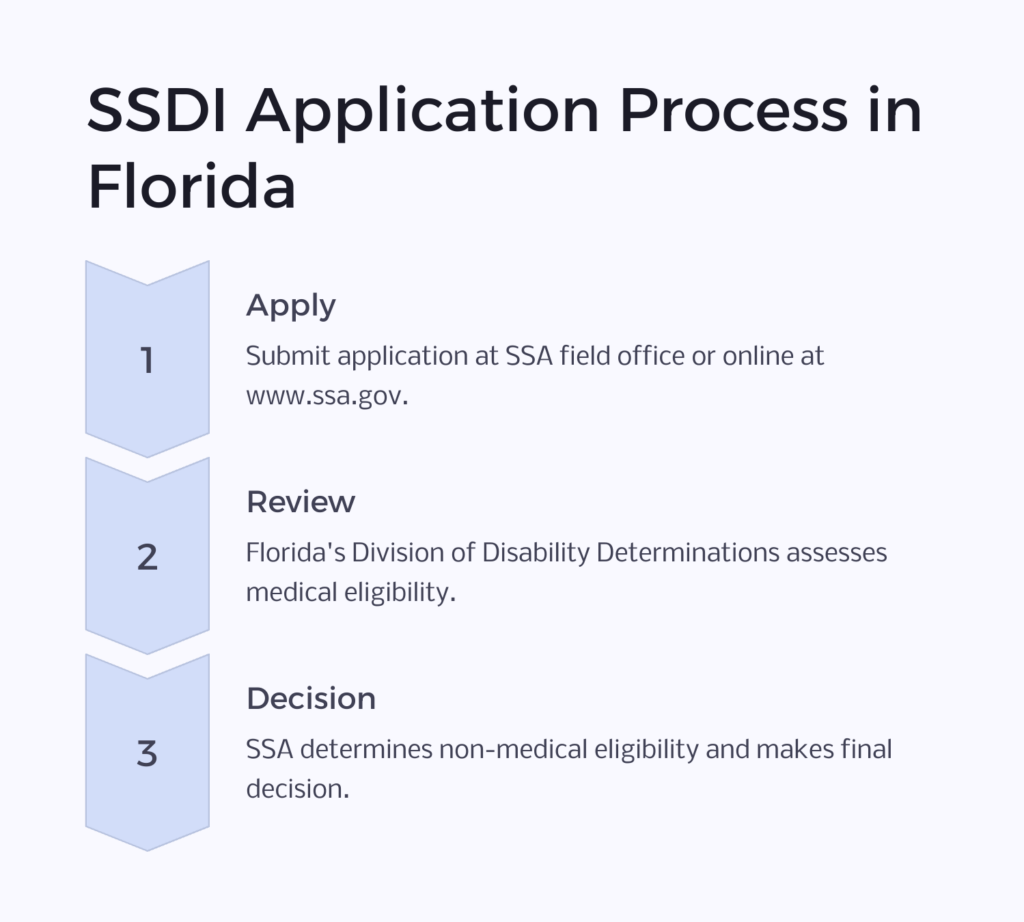
The first step involves submitting your initial application. You have several options for doing this:
- Online: The easiest and often quickest method is to apply online through the SSA’s official website. The online application is comprehensive and guides you through the necessary sections.
- By Phone: You can call the SSA directly to start your application process. A representative will help you complete the required forms over the phone.
- In-Person: For those who prefer face-to-face interaction or require assistance, you can visit a local Social Security Administration office. Florida has numerous offices strategically located in major cities such as Jacksonville, Orlando, Miami, Tampa, and Fort Lauderdale. Bringing your essential documents, such as your Social Security card, birth certificate, proof of U.S. citizenship or lawful alien status, W-2 forms or self-employment tax returns, and medical records, is highly recommended for an in-person visit. The application will request extensive details about your medical condition, treatment history, work experience, and financial situation (for SSI). Providing accurate and complete information from the outset is crucial to avoid delays.
The Role of the Disability Determination Services (DDS)
Once your application is submitted, the Social Security Administration sends your file to Florida’s Disability Determination Services (DDS). The DDS is a state agency, funded by the federal government, responsible for making the initial medical determination of disability for both SSDI and SSI claims. A claims examiner, along with a medical consultant (typically a doctor or psychologist), will review all the medical evidence you’ve provided. They may also contact your doctors, hospitals, or other medical sources to obtain additional information. If necessary, they might arrange for you to undergo a “consultative examination” (CE) with a physician or psychologist chosen and paid for by the DDS. These examinations are crucial for obtaining current medical information and clarifying aspects of your condition. For example, individuals in areas like Gainesville, known for its prominent medical institutions like UF Health Shands Hospital, might find that their medical records are readily accessible and comprehensive, aiding the DDS in their evaluation. The DDS focuses on whether your medical condition prevents you from engaging in “substantial gainful activity” (SGA) and is expected to last for at least 12 months or result in death.
Gathering Comprehensive Medical Evidence
The cornerstone of a successful disability claim is robust medical evidence. It’s not enough to simply state you have a disability; you must provide documented proof. This includes:
- Diagnoses: Official medical diagnoses from licensed healthcare professionals.
- Treatment History: Records of all treatments, therapies, medications, and surgeries you’ve undergone, including dates and outcomes.
- Prognoses: Statements from your doctors detailing the expected course of your condition and its impact on your ability to work.
- Test Results: X-rays, MRIs, CT scans, blood tests, psychological evaluations, and any other objective medical evidence.
- Doctor’s Notes: Detailed notes from your treating physicians explaining your symptoms, limitations, and functional impairments.
- Hospitalization Records: Any records from hospital stays related to your condition.
It is highly advisable to gather all relevant medical records from your Florida-based doctors, specialists, clinics, and hospitals before or concurrently with your application submission. The more comprehensive and detailed your medical file, the stronger your claim will be. The SSA relies heavily on the opinions of your treating physicians, so maintaining consistent medical care and clear communication with your doctors about your limitations is essential. Many Florida Medical Group clinics, for instance, are accustomed to providing these types of records to patients for disability claims.

What to Do If Your Claim is Denied: The Appeals Process
It’s important to be prepared for the possibility of an initial denial. A significant percentage of disability claims are denied at the initial application stage. However, this is not the end of the road. The Social Security Administration has a multi-tiered appeals process designed to give claimants ample opportunity to present their case.
Reconsideration
The first step in the appeals process is to request “Reconsideration.” This must be done within 60 days of receiving your denial letter. During reconsideration, your file is reviewed by a different claims examiner and medical consultant at the DDS, who were not involved in the initial decision. This is your opportunity to submit any new medical evidence that has emerged since your initial application or any evidence you might have overlooked. For instance, if you’ve undergone new treatments, seen additional specialists, or received new test results in Florida hospitals like AdventHealth Orlando, this is the time to include them. While the standard for approval at this stage is still high, presenting a stronger, more complete case can sometimes reverse the initial denial.
Hearing Before an Administrative Law Judge (ALJ)
If your claim is denied again at the reconsideration level, the next step is to request a hearing before an Administrative Law Judge (ALJ). This is often the most critical stage of the appeals process and where many successful claims are ultimately approved. You must request an ALJ hearing within 60 days of your reconsideration denial. ALJ hearings are typically held at local SSA offices throughout Florida, such as those in West Palm Beach or Pensacola. During the hearing, you will have the opportunity to testify about your disability and how it affects your daily life and ability to work. A vocational expert and/or a medical expert may also be present to provide testimony. This is where legal representation becomes invaluable; a disability attorney can present your case, cross-examine experts, and ensure all relevant evidence is properly submitted and argued. The ALJ is an independent adjudicator who will make a fresh decision based on all the evidence and testimony presented.
Appeals Council and Federal Court Review
Should the ALJ deny your claim, you have two further levels of appeal. The first is to request a review by the Social Security Administration’s Appeals Council. The Appeals Council will review the ALJ’s decision for any legal errors or if it was supported by substantial evidence. If the Appeals Council denies your request for review or upholds the ALJ’s decision, your final recourse is to file a lawsuit in a federal district court. While navigating these higher levels of appeal can be daunting, it underscores the importance of persistent advocacy and often requires the expertise of a seasoned disability lawyer familiar with federal court procedures.
Essential Tips and Resources for Florida Applicants
Securing disability benefits in Florida involves more than just filling out forms; it requires strategic planning, diligent record-keeping, and often, professional guidance. For those considering long-term stays, retirement, or relocating to the Sunshine State due to health reasons, these tips can pave the way for a smoother application experience.
Seek Professional Assistance
One of the most crucial pieces of advice for any disability applicant is to consider hiring a qualified disability lawyer or advocate. While it’s possible to navigate the process independently, statistics show that applicants with legal representation have a significantly higher success rate, especially at the ALJ hearing stage. A good attorney, particularly one based in Florida, will be familiar with the local SSA offices, judges, and typical practices. They can help you:
- Gather and organize medical evidence.
- Fill out complex paperwork accurately.
- Prepare you for interviews or hearings.
- Represent you at hearings, cross-examining witnesses, and arguing your case.
- Handle appeals if necessary.
Many disability lawyers work on a contingency basis, meaning they only get paid if you win your case, and their fees are capped by law, making their services accessible. Firms like Sunshine Disability Advocates, a fictional example of a dedicated Florida-based firm, specialize in guiding applicants through these challenging waters.
Maintain Thorough Records
From the moment you consider applying, start meticulously documenting everything. Keep copies of all medical records, letters from the SSA, treatment plans, medication lists, and communications with your doctors or legal representatives. An organized file not only makes the application process smoother but also ensures you have immediate access to information if questions arise or if you need to appeal a decision. Consider creating a dedicated folder, either physical or digital, for all your disability-related documents. This diligence will prove invaluable throughout the lengthy application and appeal process.
Understand Waiting Periods
It’s important to be aware of the waiting periods associated with disability benefits. For SSDI, there is a mandatory five-month waiting period after your established onset date of disability before benefits can begin. This means you will not receive payments for the first five full months of your disability. Additionally, eligibility for Medicare coverage typically begins 24 months after your entitlement to SSDI benefits starts. For SSI, there is no waiting period for benefits to begin once approved, but Medicaid eligibility often starts concurrently with your SSI payments. Understanding these timelines is critical for financial planning, especially when considering the cost of living and healthcare in Florida.
Community and Lifestyle Considerations
Beyond the legal and medical aspects, securing disability benefits is about maintaining a quality of life. For residents and visitors alike, Florida offers a diverse range of environments, from the vibrant arts scene in St. Petersburg to the tranquil luxury of Naples and Sarasota. Understanding your benefits can open doors to various lifestyle choices. Many Florida beaches now offer accessibility features, and resorts like the Accessible Florida Resort (a testament to growing accessibility in tourism) are increasingly catering to guests with specific needs, ensuring that disability does not equate to isolation. From exploring the historic charm of St. Augustine to enjoying the natural wonders of the Everglades National Park, a secure financial foundation allows you to fully engage with the state’s offerings. Even world-renowned attractions like the Walt Disney World Resort in Orlando have comprehensive accessibility guides, reflecting a broader commitment to inclusive tourism and lifestyle experiences. Having your disability benefits in place means you can plan for accessible accommodation, engage in local culture, and make the most of Florida’s unique attractions without undue financial stress.
Conclusion
Filing for disability in Florida is a significant undertaking that requires patience, perseverance, and a thorough understanding of the requirements. By familiarizing yourself with the types of benefits available, meticulously preparing your application, gathering comprehensive medical evidence, and understanding the appeals process, you significantly improve your chances of a successful outcome. Whether you are a lifelong resident or are drawn to the Sunshine State for its promise of a new beginning, securing your disability benefits is a vital step toward ensuring your financial stability and maintaining a fulfilling lifestyle. Do not hesitate to seek professional assistance and utilize the available resources to navigate this journey effectively, allowing you to focus on your well-being and enjoy all that Florida has to offer.
LifeOutOfTheBox is a participant in the Amazon Services LLC Associates Program, an affiliate advertising program designed to provide a means for sites to earn advertising fees by advertising and linking to Amazon.com. Amazon, the Amazon logo, AmazonSupply, and the AmazonSupply logo are trademarks of Amazon.com, Inc. or its affiliates. As an Amazon Associate we earn affiliate commissions from qualifying purchases.