
Navigating the evolving landscape of cannabis laws can be complex, especially for travelers and residents alike. In the Sunshine State, a popular destination known for its pristine beaches, vibrant cities, and world-class attractions, understanding the legality of products like Delta 9 THC is paramount. Whether you’re planning a relaxing getaway to Miami, exploring the magic of Orlando, or soaking up the history in St. Augustine, knowing the legal status of hemp-derived products can significantly impact your experience. This guide will delve into the nuances of Delta 9 THC legality in Florida, providing clarity on current regulations, potential changes, and essential tips for responsible consumption and travel within this dynamic state.
Currently, Delta 9 THC products derived from hemp are legal in Florida, provided they adhere to specific concentration limits. This legal status is primarily a ripple effect of the federal 2018 Farm Bill, which distinguished hemp from marijuana. For visitors and locals interested in exploring wellness trends or simply curious about the legal boundaries, understanding these regulations is crucial. From the bustling streets of Tampa to the serene shores of the Florida Keys, the presence of legal hemp-derived products is becoming increasingly common, influencing everything from local commerce to the overall tourist experience.

Understanding Delta 9 THC and Florida’s Cannabis Landscape
The journey of Delta 9 THC’s legality in Florida is intertwined with a broader national and state-level re-evaluation of cannabis and its derivatives. To grasp the current situation, it’s essential to differentiate between hemp and marijuana, and how federal legislation has shaped state policies.
The Federal Framework: The 2018 Farm Bill
The landmark 2018 Farm Bill fundamentally reshaped the legal status of hemp in the United States. Prior to this legislation, all forms of cannabis, including hemp, were classified as Schedule I controlled substances under the Controlled Substances Act, primarily due to their association with marijuana. The 2018 Farm Bill changed this by federally legalizing hemp, defining it as any part of the cannabis sativa plant containing less than 0.3% Delta 9 THC on a dry weight basis. This crucial distinction removed hemp from the list of controlled substances, thereby permitting its cultivation, processing, and sale across the country.
The intent behind the 2018 Farm Bill was largely to promote the agricultural and industrial uses of hemp, opening doors for industries ranging from textiles to biofuels. However, an unintended consequence was the emergence of various hemp-derived cannabinoids, including naturally occurring Delta 9 THC (within the 0.3% limit) and other novel cannabinoids like Delta 8 THC and THC-O. These products offer effects similar to traditional marijuana but remain federally legal as long as they meet the Delta 9 THC threshold. This federal framework provides the foundation upon which states like Florida have built their specific regulations.
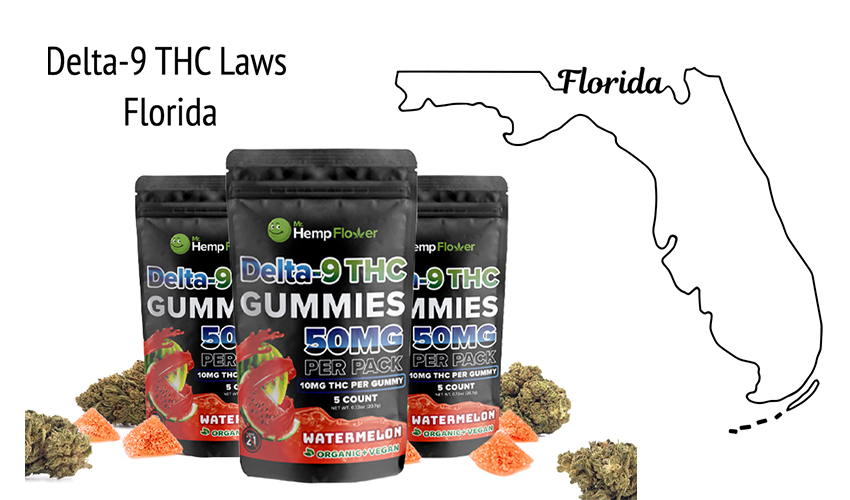
Florida’s Approach to Hemp and Delta 9
Following the federal lead, Florida quickly moved to establish its own regulatory framework for hemp. In 2019, the state passed Senate Bill 1020, which aligned Florida law with the 2018 Farm Bill. This bill officially legalized the cultivation of hemp and the sale of hemp-derived products, including those containing Delta 9 THC, as long as they comply with the 0.3% dry weight total Delta 9 THC limit. The Florida Department of Agriculture and Consumer Services (FDACS) was tasked with overseeing the state’s hemp program, establishing rules for cultivation, processing, testing, and labeling.
For consumers, this means that hemp-derived Delta 9 THC products are widely available in Florida through various retail channels, including specialty hemp stores, vape shops, and even some mainstream retailers. These products typically come in forms such as edibles, tinctures, and vapes. It’s crucial to understand that while these products may contain trace amounts of Delta 9 THC, they are distinct from medical marijuana products, which are regulated under Florida’s medical cannabis program and require a doctor’s recommendation. The presence of these legal hemp products has added a new dimension to Florida’s tourism and lifestyle offerings, appealing to visitors seeking alternative wellness options or simply curious about the burgeoning hemp market.
Navigating the Legalities: What Travelers and Residents Need to Know
While hemp-derived Delta 9 THC is legal in Florida under specific conditions, navigating the market requires awareness and adherence to state guidelines. Both visitors and long-term residents must understand the fine print to ensure compliance and a safe experience.
The Importance of THC Content
The cornerstone of Delta 9 THC legality in Florida rests entirely on its THC concentration. As mandated by both federal and state law, any hemp product, regardless of its form (edible, tincture, vape), must contain no more than 0.3% total Delta 9 THC on a dry weight basis. This percentage is crucial because it legally differentiates hemp from marijuana. Products exceeding this limit are considered illicit marijuana under state law, even if they are derived from a hemp plant initially.
This regulation means that consumers need to carefully check product labels and, ideally, Certificates of Analysis (COAs) provided by third-party testing labs. Reputable brands will make this information readily available, confirming that their products meet Florida’s stringent requirements. For example, a gummy weighing 5 grams could legally contain up to 15 milligrams of Delta 9 THC (0.3% of 5000mg). However, if the same gummy contains 20mg of Delta 9 THC, it would be illegal despite its hemp origin. This nuance is especially important for travelers who might be unfamiliar with Florida’s specific rules and could inadvertently purchase non-compliant products elsewhere. Always verify the THC content to avoid legal issues, particularly when enjoying a vacation in vibrant cities like Jacksonville or relaxing in the coastal beauty of Sarasota.
Where to Purchase Legal Delta 9 Products in Florida
The availability of legal hemp-derived Delta 9 THC products across Florida is extensive, reflecting the state’s embrace of the hemp market. Consumers can find these products in a variety of retail environments. Dedicated hemp and CBD stores are perhaps the most common, offering a wide selection of edibles, tinctures, topicals, and vaporizers, often with knowledgeable staff to guide purchases. Many vape shops and smoke shops also carry a range of hemp-derived cannabinoids, including Delta 9 THC.
Beyond specialized stores, some health and wellness retailers, natural food stores, and even gas station convenience stores have started stocking these products, especially in tourist-heavy areas like Daytona Beach or Fort Lauderdale. Online retailers are another significant source, often providing the broadest selection and competitive pricing, though it’s crucial to choose reputable online vendors who provide transparent third-party lab testing results. When purchasing, always prioritize vendors who are transparent about their sourcing, manufacturing processes, and lab testing. Look for clear labeling that indicates the total Delta 9 THC content and ideally, a scannable QR code linking to a COA. This due diligence ensures that you are purchasing legal, safe, and accurately labeled products, whether you’re exploring the historic streets of Key West or enjoying a stay in a luxury hotel in Miami Beach.
Potential Future Changes and Considerations
The legal status of Delta 9 THC in Florida is not static. The hemp industry is relatively new, and lawmakers frequently propose new legislation to address perceived loopholes, enhance consumer safety, or regulate the market more tightly. Staying informed about these potential changes is important for both businesses and consumers.
Proposed Legislative Amendments and Their Impact
In recent legislative sessions, Florida lawmakers have introduced several bills aimed at modifying the state’s hemp laws. For instance, House Bill 1613 and its Senate counterpart, Senate Bill 1698, sparked considerable debate. These bills, though ultimately not passed in their initial forms, sought to significantly restrict the sale of certain hemp-derived THC products. Key provisions included raising the legal age for purchase from 18 to 21, banning or severely limiting the sale of intoxicating hemp products (even those within the 0.3% Delta 9 THC limit), and imposing strict caps on the amount of total THC in individual servings or packages.
Had these bills passed, the impact on Florida’s hemp market would have been profound. Many currently legal products could have become prohibited, forcing businesses to adapt or cease operations. Consumers would have seen a drastic reduction in product availability and potentially higher prices due to increased regulatory burdens. While these specific bills did not become law, their introduction signals an ongoing legislative interest in tightening regulations. Future legislative sessions in Tallahassee will likely see similar proposals, reflecting a continuous effort to balance industry growth with public health concerns and the growing medical marijuana program. Keeping an eye on legislative developments is crucial for anyone involved with or interested in Florida’s hemp and cannabis market.

The Broader Implications for Florida’s Tourism and Economy
The legal status of hemp-derived Delta 9 THC has significant implications for Florida’s robust tourism industry and overall economy. As a leading travel destination, Florida attracts millions of visitors annually to iconic spots like Walt Disney World, Universal Studios, and the pristine sands of Clearwater Beach. The availability of legal hemp products adds another layer to the state’s diverse offerings, appealing to a segment of tourists interested in wellness, alternative relaxation methods, or simply exploring local specialties.
The hemp industry itself contributes significantly to the state’s economy through cultivation, processing, manufacturing, and retail sales. Businesses generate jobs, contribute tax revenue, and foster innovation within the agricultural and consumer product sectors. Any changes to the legal framework could either bolster or hinder this economic growth. Stricter regulations, for example, might deter some visitors from choosing Florida if they perceive the legal landscape to be overly restrictive compared to other states with more liberal cannabis laws. Conversely, clear and stable regulations could provide a predictable environment for businesses to thrive, ensuring product quality and consumer confidence. The state’s balance between nurturing a growing industry and addressing potential public health concerns will ultimately shape the future of Delta 9 THC in Florida and its impact on visitors seeking everything from adventure at the Kennedy Space Center to relaxation on South Beach.
Responsible Consumption and Travel Tips
For those looking to enjoy hemp-derived Delta 9 THC products in Florida, responsible consumption and adherence to travel guidelines are paramount. Understanding dosage, potential effects, and legal boundaries will ensure a safe and enjoyable experience, whether you’re a local or a tourist exploring the state’s many wonders.
Safety and Awareness
Responsible consumption begins with education. Even though hemp-derived Delta 9 THC products are legal in Florida within the 0.3% limit, they can still produce intoxicating effects, especially for individuals sensitive to THC or when consumed in larger quantities. Always start with a low dose, especially if you are new to THC products, and wait to understand how your body reacts before consuming more. Edibles, in particular, can have a delayed onset (30 minutes to 2 hours) and longer-lasting effects. Avoid combining THC products with alcohol or other substances.
It’s also crucial to remember that while these products are legal, they are not regulated by the FDA in the same way as pharmaceuticals. Therefore, sourcing products from reputable vendors who provide third-party lab testing for potency and purity is essential to avoid contaminants or mislabeled concentrations. Pay attention to warnings, potential side effects, and keep all THC products out of reach of children and pets. When enjoying Florida’s attractions, from the natural beauty of Everglades National Park to the bustling nightlife of South Beach, exercise discretion and never operate a vehicle or heavy machinery under the influence. Your safety and the safety of those around you should always be the top priority.
Traveling with Delta 9 Products in Florida
For travelers, understanding the rules for carrying Delta 9 THC products is critical. Within Florida’s borders, transporting legally compliant hemp-derived Delta 9 THC products (i.e., those containing less than 0.3% Delta 9 THC) is generally permissible. However, it’s always advisable to keep them in their original packaging, clearly labeled, and with access to their Certificate of Analysis if questioned. This documentation serves as proof of their legal status.
The situation becomes significantly more complex when traveling across state lines or by air. Despite the federal legality of hemp, individual state laws vary widely. What is legal in Florida might be illegal in a neighboring state, such as Georgia or Alabama. This creates a legal minefield for interstate travel. Federal agencies like the DEA and TSA (Transportation Security Administration) operate under federal law, which still prohibits marijuana. While hemp-derived products are distinct, their resemblance to marijuana and the difficulty of in-the-moment THC concentration testing can lead to complications, delays, or even legal trouble. Therefore, the safest advice for air travel or crossing state borders is to leave all THC products at home. If you are traveling solely within Florida, for example, from Orlando to the Panhandle, ensuring your products are compliant and properly packaged is key to an uninterrupted and enjoyable journey.
LifeOutOfTheBox is a participant in the Amazon Services LLC Associates Program, an affiliate advertising program designed to provide a means for sites to earn advertising fees by advertising and linking to Amazon.com. Amazon, the Amazon logo, AmazonSupply, and the AmazonSupply logo are trademarks of Amazon.com, Inc. or its affiliates. As an Amazon Associate we earn affiliate commissions from qualifying purchases.