
The sunshine state of Florida is renowned for its stunning beaches, vibrant cities, and world-class attractions, drawing millions of travelers each year. From the magical theme parks of Orlando to the lively streets of Miami and the historic charm of Key West, the state offers an unparalleled array of experiences. However, for those planning a visit or considering a longer stay, a common question often arises: what time zone does Florida observe? The answer, while seemingly straightforward, carries a nuance that every traveler and resident should understand.
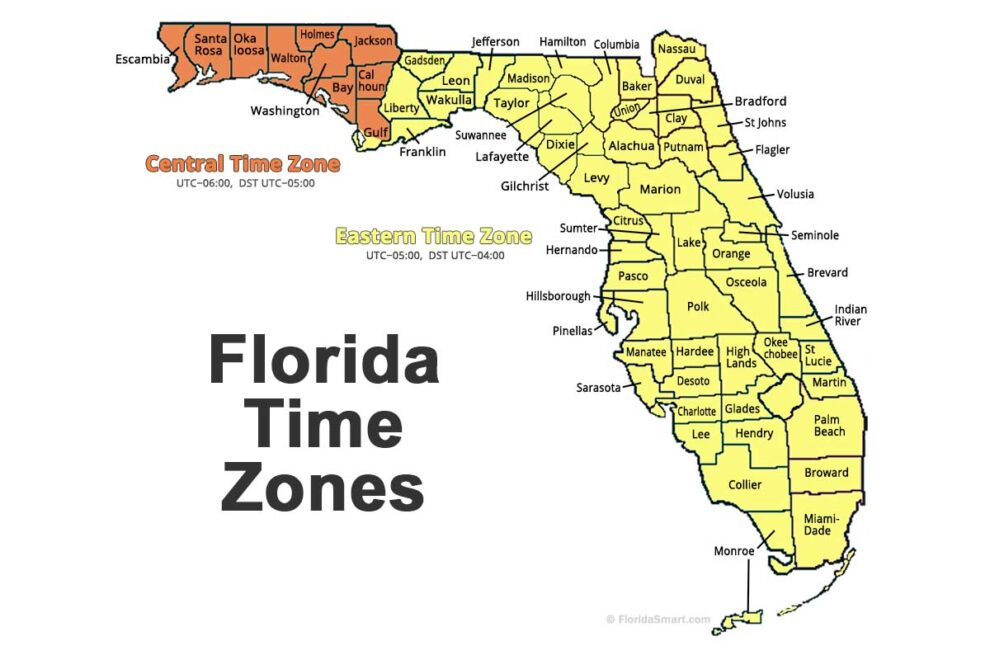
Predominantly, Florida operates on Eastern Standard Time (EST), which is UTC-5 during standard time and Eastern Daylight Time (EDT), or UTC-4, during Daylight Saving Time. This aligns the majority of the state with the Eastern Seaboard of the United States, encompassing major population centers, tourist hotspots, and business hubs. Yet, there’s a distinct geographical exception that introduces a second time zone into the mix, primarily affecting the western reaches of the Florida Panhandle.
Understanding this time zone division is crucial for seamless travel planning, managing hotel bookings, scheduling activities, and simply appreciating the local lifestyle without a hitch. Whether you’re flying into Miami International Airport, exploring Walt Disney World Resort, or enjoying the white sands of Pensacola Beach, being aware of the local time ensures that your journey remains as sunny and stress-free as the Florida weather itself. This article delves into the intricacies of Florida’s time zones, offering comprehensive insights for every aspect of your experience, from travel logistics to embracing the local culture.
Decoding Florida’s Time Zones: A Geographical Perspective
Florida’s unique geographical shape, stretching from its southern tip into the northwestern Gulf of Mexico, necessitates a division in its time observance. This distinction is primarily driven by proximity to neighboring states and natural geographical markers, impacting a significant portion of the Florida Panhandle.
The Dominance of Eastern Standard Time
For the vast majority of its landmass and population, Florida firmly resides within the Eastern Time Zone. This includes iconic destinations such as:
- Miami and South Florida: The vibrant metropolitan area, famous for its beaches, nightlife, and cultural diversity.
- Orlando and Central Florida: Home to the world-renowned theme parks like Walt Disney World Resort and Universal Studios Florida, attracting millions of families annually.
- Jacksonville and Northeast Florida: A major port city offering a blend of urban amenities and natural beauty.
- Tampa and St. Petersburg: Bustling cities on the Gulf Coast known for their cultural attractions and beautiful waterfronts.
- Key West and the Florida Keys: The archipelago offering unique island life, water sports, and stunning sunsets.
- Tallahassee: The state capital, located in the eastern part of the Panhandle, also observes Eastern Standard Time.
When visiting these regions, you can expect to set your watch to the same time as cities like New York, Boston, and Washington D.C.. This consistency makes planning trips to multiple Eastern Seaboard destinations much simpler, as flight schedules, hotel check-ins, and tour timings will all operate on the same clock. It also means that live events, national broadcasts, and business hours will generally align with the broader eastern U.S. calendar, simplifying communication and scheduling.
The Panhandle’s Central Time Exception
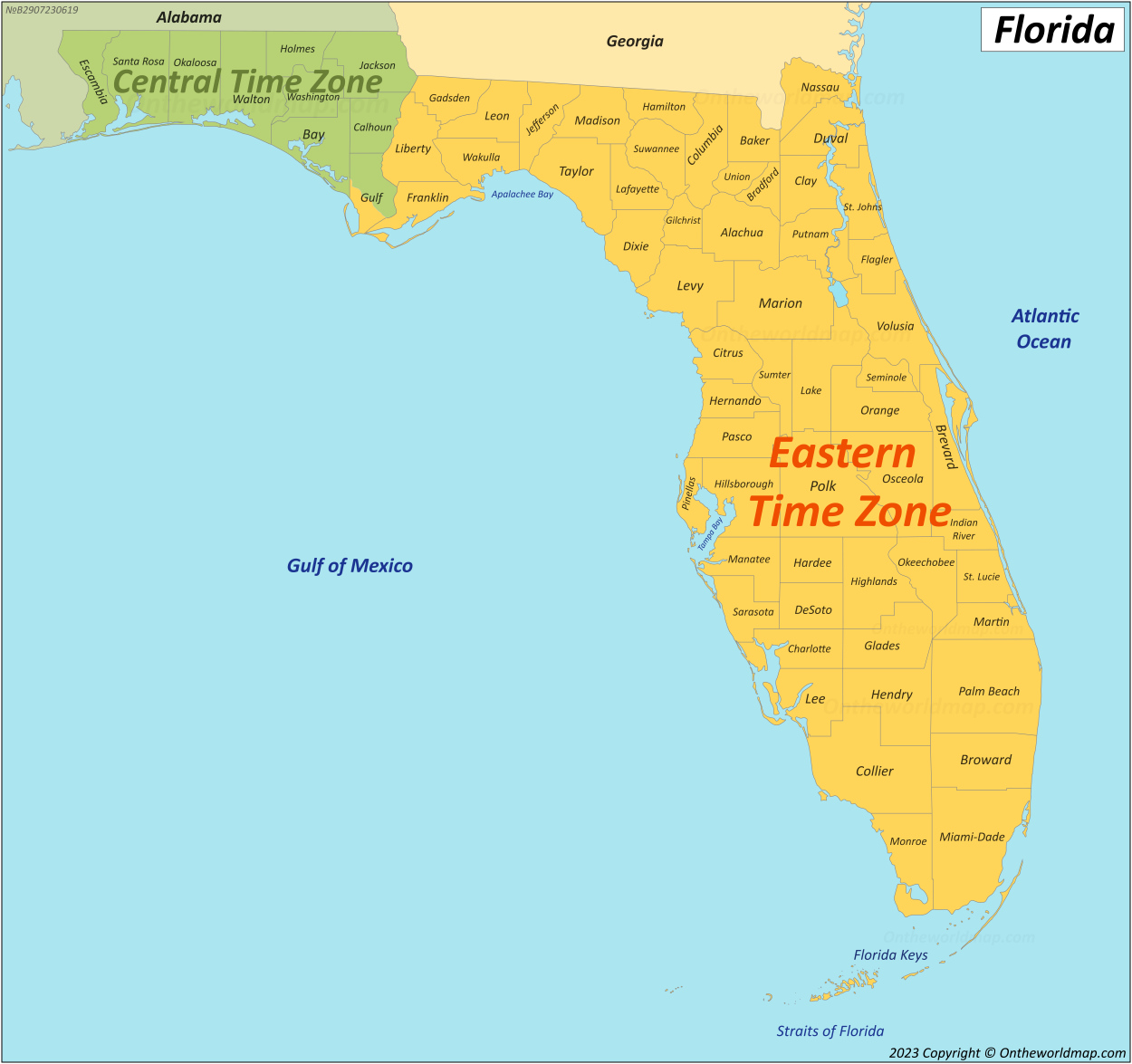
The notable exception to Florida’s Eastern Standard Time rule lies in the western part of the Florida Panhandle. This area observes Central Standard Time (CST), which is UTC-6 during standard time, and Central Daylight Time (CDT), or UTC-5, during Daylight Saving Time.
The dividing line for these time zones is generally considered to be the Apalachicola River. West of this river, including counties such as Escambia, Santa Rosa, Okaloosa, and Walton, you will find yourself in the Central Time Zone. Popular cities and attractions in this zone include:
- Pensacola: A historic city known for its beautiful beaches and naval aviation history.
- Destin: Famous for its stunning emerald waters and sugar-white sands.
- Fort Walton Beach: A family-friendly destination offering various attractions and outdoor activities.
- Panama City and Panama City Beach: Well-known for spring break and beautiful coastal resorts.
This shift means that these western Panhandle areas are one hour behind the rest of Florida. For travelers crossing this invisible line, it’s essential to adjust your watches and schedules accordingly. The reason for this deviation is primarily geographical and logistical; these counties share borders and cultural ties more closely with Alabama and other states in the Central Time Zone than with Florida’s eastern metropolitan centers. This arrangement helps streamline operations for businesses, transportation, and daily life in the region, ensuring better integration with neighboring economies.
Navigating Time for Travelers and Tourists
For visitors to Florida, understanding the time zone situation isn’t just a matter of trivia; it’s a practical necessity that can significantly impact the success and enjoyment of their trip. From flight arrivals to theme park visits, every aspect of travel is time-sensitive.
Planning Your Itinerary Across Time Zones
When mapping out your Florida adventure, particularly if it involves traversing the state from east to west or vice-versa, time zone awareness becomes paramount.
-
Flight and Transportation Schedules: Booking flights to and from airports like Miami International Airport (MIA) or Orlando International Airport (MCO) will operate on Eastern Standard Time. However, if your itinerary includes flying into Destin-Fort Walton Beach Airport (VPS) or Pensacola International Airport (PNS), remember that these airports are on Central Standard Time. A connecting flight between Orlando and Pensacola, for instance, will involve a one-hour time difference that must be factored into layovers and arrival times. Always double-check your boarding passes and confirmations, as they typically display local times. For road trips, crossing the Apalachicola River means losing or gaining an hour; adjusting your GPS and phone settings manually might be necessary to avoid confusion.
-
Multi-City Tours and Excursions: Many travelers enjoy combining different regions of Florida, perhaps starting with the attractions in Orlando and then heading to the beaches of Destin. When scheduling day trips, guided tours, or dinner reservations across the time zone boundary, always confirm the local time for each specific booking. A 7 PM dinner reservation in Destin will feel like 8 PM if you just arrived from Orlando, potentially leading to missed reservations or unnecessary rushes. Tour operators, especially those offering multi-region packages, are generally accustomed to this and will communicate times clearly, but personal vigilance is key.
-
International Travel Connections: For those using Florida as a gateway to Bahamas, Caribbean, or Mexico cruises or flights, the consistent Eastern Standard Time in South Florida major ports like Miami and Fort Lauderdale simplifies coordination with international schedules. However, remember to factor in potential international time zone changes on top of domestic ones if your journey is complex.
The Impact on Attractions and Activities
Florida’s allure largely stems from its diverse range of attractions. From world-famous theme parks to serene national parks, time zones play a subtle but crucial role in how you experience them.
-
Theme Park and Attraction Operating Hours: In Orlando, all major parks, including Epcot, Magic Kingdom, Hollywood Studios, Animal Kingdom, Universal Studios Florida, Universal’s Islands of Adventure, and Volcano Bay, as well as Busch Gardens Tampa Bay and SeaWorld Orlando, operate on Eastern Standard Time. This simplifies planning for visitors staying in the Orlando area. However, if you are driving from the Panhandle for a day trip to these parks, remember the one-hour difference. An early start from Pensacola at 6 AM CST means it’s already 7 AM EST by the time you’re on the road, effectively shortening your day by an hour before you even arrive.
-
Natural Landmarks and Outdoor Activities: Visiting Everglades National Park or the Kennedy Space Center Visitor Complex in Eastern Standard Time requires similar time awareness. Activities like airboat tours, ranger-led programs, or launch viewing schedules will strictly adhere to EST/EDT. Conversely, charter fishing trips or sunset cruises departing from Destin or Panama City will be based on Central Standard Time/CDT. Always confirm meeting times and operational hours directly with providers.
-
Special Events and Festivals: Florida hosts countless festivals, concerts, and cultural events throughout the year. The start times for these events will always be advertised in local time. If you’re traveling from one time zone to attend an event in another, factor in the time shift. Missing the opening act of a concert or the start of a parade because of a time zone miscalculation can be disappointing. Checking event websites or local tourism guides for the precise local time is highly recommended.
Practical Implications for Accommodation and Lifestyle
Beyond immediate travel logistics, Florida’s dual time zones also have practical implications for accommodation choices and for immersing oneself in the local lifestyle. Hotels, resorts, and vacation rentals are central to the travel experience, and their operations are inextricably linked to local time.
Hotel Bookings and Check-Ins
For many travelers, the hotel is their home base, and managing check-in/check-out times is a critical part of a smooth trip.
-
Reservation Accuracy: When booking a hotel, suite, resort, or vacation apartment, particularly online, the reservation will automatically reflect the local time zone of the property. For example, if you book a stay at The Breakers Palm Beach in Palm Beach, your 3 PM check-in time will be in Eastern Standard Time. If you then book a stay at the Roseate Hotel in Pensacola, its 3 PM check-in will be in Central Standard Time. Double-checking the time zone displayed during booking, especially when dealing with aggregator sites that might default to your current location’s time, is a good habit.
-
Early Arrivals and Late Departures: Many resorts and hotels, especially luxury properties like the Ritz-Carlton Orlando, Grande Lakes or The Don CeSar in St. Petersburg, offer flexibility for early check-in or late check-out, often for an additional fee. If you’re arriving from a different time zone within Florida, communicate your expected arrival time accurately in the hotel’s local time. Arriving at a Central Time Zone hotel “an hour early” because you forgot to adjust for Eastern Standard Time can mean an unexpected wait for your room, whereas arriving “an hour late” from CST into EST could mean you’ve missed a complimentary amenity or simply have less time to settle in before your evening plans.
-
Amenities and Services: Hotel amenities such as breakfast hours, spa appointments, kids’ club schedules, and restaurant reservations will always be based on the local time of the property. A 7 AM breakfast at Loews Portofino Bay Hotel in Orlando (EST) is a different experience from a 7 AM breakfast at a boutique hotel like The Inn on Fifth in Naples, or a hypothetical resort in Destin (CST). Always consider how the local time might shift your internal clock, especially if you’re sensitive to time changes.
Embracing Local Lifestyle and Events
For those seeking to truly experience Florida’s local culture, understanding time zones extends beyond mere logistics to embracing the rhythm of daily life.
-
Dining and Nightlife: Restaurant opening hours, happy hour specials, and bar closing times will naturally follow the local time. In Miami, a vibrant nightlife might kick off late, well into Eastern Standard Time evening hours, while in a smaller Panhandle town, dinner might be served earlier in Central Standard Time. Adjusting your internal clock to the local rhythm can prevent arriving too early or too late for dining experiences.
-
Cultural Attractions and Community Events: Local markets, historical site tours in St. Augustine, festivals in Amelia Island, or live music performances in Key West will all operate on Eastern Standard Time. In the Panhandle, events in Pensacola or Panama City will be on Central Standard Time. Being mindful of this ensures you don’t miss out on unique local experiences. For example, if you’re staying in Tallahassee and plan a day trip to the beach in Destin, remember that an hour’s drive might mean a two-hour effective loss or gain in beach time due to the time zone change.
-
Business Stays and Meetings: For business travelers, adhering to local time is non-negotiable. Scheduling virtual meetings with colleagues in different parts of Florida or external partners requires precise time zone conversion. A conference call scheduled for 10 AM EST means it’s 9 AM for a participant in Pensacola. Confirming the exact time zone for all participants before sending invites is standard professional practice. Many digital calendars automatically adjust for time zones, but a quick manual check is always prudent.
Daylight Saving Time: An Annual Shift
Adding another layer of complexity to Florida’s time observance is Daylight Saving Time. Like most of the United States, Florida participates in this annual practice, which shifts clocks forward by one hour in the spring and back by one hour in the fall.
Understanding the Spring Forward and Fall Back
During Daylight Saving Time:
- The majority of Florida moves from Eastern Standard Time (UTC-5) to Eastern Daylight Time (UTC-4).
- The western Florida Panhandle moves from Central Standard Time (UTC-6) to Central Daylight Time (UTC-5).
The one-hour difference between the two regions of Florida remains constant during Daylight Saving Time. The “spring forward” typically occurs on the second Sunday in March, and the “fall back” on the first Sunday in November. These changes mean that, twice a year, everyone must adjust their clocks.
While devices like smartphones and computers automatically update, it’s wise for travelers to double-check their analog watches, car clocks, and any other manual timekeeping devices. For arrivals or departures around these transition dates, confirming the current time zone (Standard vs. Daylight) is crucial to avoid missing flights, check-in windows, or important appointments. Many hotels will display notices or remind guests about the time change during these periods, especially if it affects services like breakfast times.

There has been ongoing discussion in Florida about making Daylight Saving Time permanent, which would essentially keep the state on Eastern Daylight Time year-round. While a bill (the “Sunshine Protection Act”) to this effect passed the Florida Legislature and was signed into law by the governor, it requires federal approval from the United States Congress to take effect. As of now, Florida continues to observe the seasonal shift, making annual adjustments a part of planning for both residents and visitors. Should this change be enacted federally, it would simplify the annual time adjustments but would not eliminate the existing time zone split in the Panhandle, which would continue to observe Central Daylight Time permanently.
Conclusion: Syncing with the Sunshine State
In conclusion, the question “Is Florida Eastern Standard Time?” elicits an answer that is largely yes, but with a significant geographical caveat. The vast majority of the state, including its most popular destinations like Orlando, Miami, and the Florida Keys, operates on Eastern Standard Time (or Eastern Daylight Time during warmer months). This aligns it with major cities along the Atlantic Ocean coast, from Georgia up to Maine. However, for travelers venturing into the western reaches of the Florida Panhandle, cities such as Pensacola and Destin observe Central Standard Time (or Central Daylight Time).
For a seamless and enjoyable travel experience in the Sunshine State, vigilance regarding these time zone differences is key. This holds true whether you’re meticulously planning a multi-city itinerary, making hotel reservations, scheduling attraction visits, or simply trying to catch a sunset cruise. Always confirm the local time for any booking or activity, especially if your journey involves crossing the Apalachicola River.
Embracing this understanding will not only prevent scheduling mishaps but also enhance your overall appreciation of Florida’s diverse geography and its practical implications for daily life and tourism. With this knowledge in hand, you are well-equipped to navigate the vibrant landscapes and experiences Florida has to offer, ensuring your trip is perfectly timed, from sunrise to sunset.
LifeOutOfTheBox is a participant in the Amazon Services LLC Associates Program, an affiliate advertising program designed to provide a means for sites to earn advertising fees by advertising and linking to Amazon.com. Amazon, the Amazon logo, AmazonSupply, and the AmazonSupply logo are trademarks of Amazon.com, Inc. or its affiliates. As an Amazon Associate we earn affiliate commissions from qualifying purchases.