
The question “Is Florida sinking?” often conjures images of Atlantis, a land slipping beneath the waves. While such a dramatic collapse isn’t scientifically accurate, the reality facing the Sunshine State is no less pressing. Florida, a crown jewel of travel, tourism, and lifestyle in the United States, is indeed battling significant challenges posed by rising sea levels and its unique geological makeup. This phenomenon isn’t just a concern for residents; it impacts every aspect of the travel experience, from the pristine beaches to the bustling urban centers, influencing accommodation choices, landmark preservation, and future tourism strategies. Understanding this complex issue is crucial for anyone planning a visit, considering a move, or simply curious about the future of one of the world’s most beloved destinations.
The Unsettling Truth: Geological Vulnerability and Rising Tides
Florida’s seemingly idyllic landscape belies a profound geological vulnerability that makes it exceptionally susceptible to the effects of climate change. Far from being a state that is actively “sinking” due to tectonic plates, its challenges stem from a combination of global sea-level rise and its distinctive porous foundation.
Florida’s Unique Foundation: A Porous Predicament
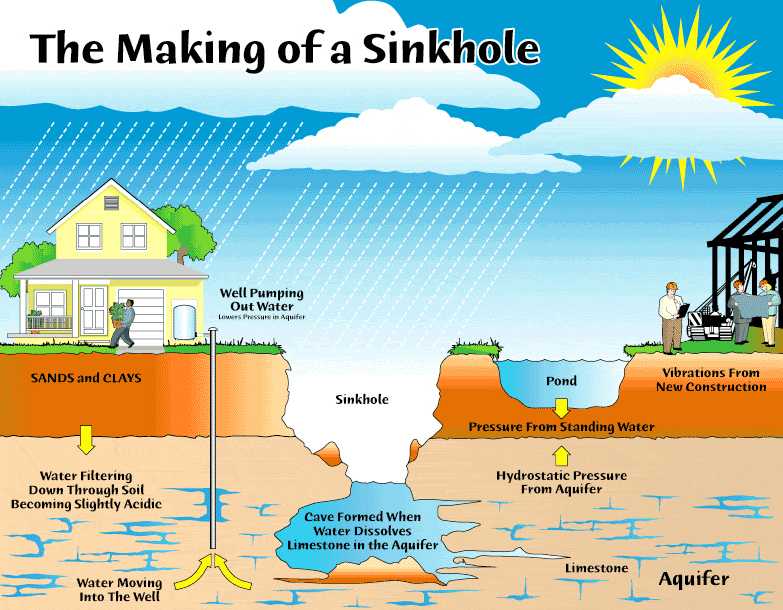
At its core, Florida rests upon an extensive, highly porous limestone bedrock. This ancient rock, formed from the skeletal remains of marine organisms over millions of years, acts like a sponge, allowing water to flow both into and through it with relative ease. Unlike regions with solid, impermeable bedrock, Florida’s foundation offers little resistance to encroaching saltwater. This natural characteristic means that rising seas don’t just inundate the coastline from above; they also seep in from below, through subterranean channels and cracks in the limestone.
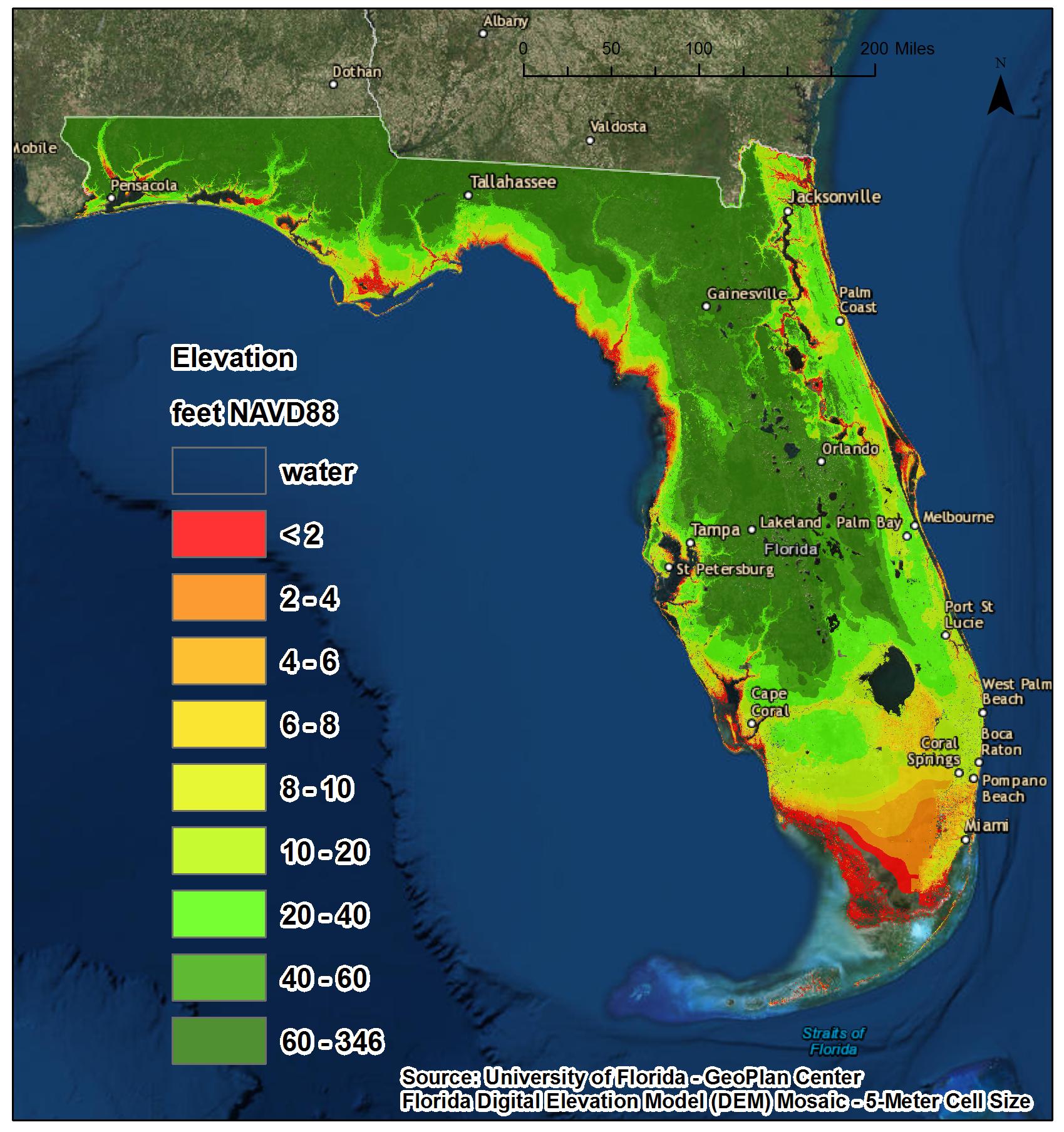
This geological reality is why parts of Florida are uniquely vulnerable, even compared to other low-lying coastal areas globally. While cities like Venice or Jakarta face subsidence primarily due to the compaction of sediments or excessive groundwater extraction, Florida is tectonically stable. The “sinking” narrative for Florida is not about the land mass itself dropping dramatically due to geological faults, but rather about the land being so low-lying and permeable that even modest increases in sea level have outsized effects. The average elevation of the state is remarkably low, with vast stretches of its coastal areas just a few feet above current sea level, making it inherently precarious in an era of rising oceans. This natural susceptibility fundamentally shapes the conversation around development, infrastructure, and the long-term viability of coastal communities across the state, from the bustling shores of Miami Beach to the tranquil reaches of the Florida Keys.
Decoding Sea Level Rise: Global Phenomenon, Local Impact
The primary driver behind Florida’s coastal challenges is global sea-level rise, an undeniable consequence of climate change. This phenomenon is largely attributed to two main factors:
- Thermal Expansion: As the ocean warms from increasing global temperatures, the water expands, taking up more space. This thermal expansion alone accounts for a significant portion of observed sea-level rise.
- Melting Ice: The melting of glaciers, ice caps, and vast ice sheets in regions like Greenland and Antarctica adds tremendous volumes of water to the oceans, contributing further to rising levels.
While sea-level rise is a global issue, its impact is not uniform across the planet. Local factors can amplify or mitigate its effects. In Florida, several local dynamics exacerbate the problem:
- Ocean Currents: Changes in major ocean currents, like the Gulf Stream which flows just offshore, can temporarily pile up water along the coast, leading to higher localized sea levels.
- Land Subsidence: Though not tectonically sinking, portions of Florida experience slight land subsidence. This is partly due to a phenomenon called glacial isostatic adjustment – the slow rebound of landmasses elsewhere that were once depressed by ancient ice sheets, subtly shifting the Earth’s crustal dynamics. Additionally, compaction of sediments and historical groundwater extraction in some areas can contribute to localized sinking.
The combined effect of these global and local factors means that Southeast Florida, for instance, has observed sea levels rising at an accelerated rate, experiencing approximately one inch every three years. Projections by the National Oceanic and Atmospheric Administration (NOAA) indicate that sea levels could rise by an additional 10-17 inches by 2040, potentially reaching up to two feet by 2060. These are not distant threats; they are current realities altering the landscape, influencing urban planning, and reshaping the future of travel and lifestyle in one of the United States’ most popular states.
The Tangible Impacts: A State Under Siege
The scientific reality of rising seas and Florida’s geological vulnerabilities translate into very real, tangible impacts across the state. These challenges directly affect residents, businesses, and the millions of tourists who flock to its shores annually, redefining what it means to experience the Sunshine State.
From Beaches to Backyards: Inundation, Erosion, and Saltwater Intrusion
The most visible impact of rising sea levels is the increased frequency and severity of inundation. Low-lying coastal communities are experiencing more frequent flooding, not just during hurricanes or severe storms, but increasingly during routine high tides, often referred to as “King Tides”. These events, once rare, now regularly submerge streets, parking lots, and even ground-floor properties in areas like Miami Beach and Key West. For travelers, this means potential disruptions to itineraries, submerged attractions, and a growing awareness of the delicate balance of coastal life.
Beyond surface flooding, coastal erosion is relentlessly reshaping Florida’s iconic beaches. The very strips of sand that draw millions of tourists each year are slowly but surely being reclaimed by the ocean. This impacts not only the aesthetic appeal but also vital economic engines like beachfront hotels and resorts. Efforts to replenish sand are costly and temporary, highlighting the ongoing battle to preserve these natural assets that are fundamental to Florida’s travel industry.
Perhaps less visible but equally critical is saltwater intrusion. Due to Florida’s porous limestone bedrock, rising sea levels push saltwater further inland, contaminating freshwater aquifers. The Biscayne Aquifer, a primary source of drinking water for Miami-Dade County and South Florida, is particularly vulnerable. This not only threatens drinking water supplies but also impacts agriculture, as saltwater renders fertile land unusable. For the tourism sector, ensuring access to clean, potable water for hotels, restaurants, and attractions is a growing operational challenge and cost.

Protecting Paradise: Infrastructure Under Pressure
Florida’s extensive infrastructure, built largely at or near sea level, is increasingly under threat. Roads, bridges, sewer systems, and stormwater drains were not designed for constant inundation by saltwater. When streets flood, traffic grinds to a halt, affecting accessibility to hotels, attractions, and airports like Miami International Airport or Fort Lauderdale-Hollywood International Airport. Sewer systems struggle to cope, leading to backups and environmental hazards. Underground utilities, including power lines and communication cables, are corroding faster due to saltwater exposure, leading to costly repairs and service disruptions.
The economic implications are immense. Property values in vulnerable coastal areas face downward pressure, and insurance premiums for homes and businesses are skyrocketing, impacting the affordability of living and operating in these desirable locations. For investors in hotels and vacation rentals, these factors introduce new layers of risk and necessitate significant capital investments in adaptation measures. The long-term livability and economic vitality of communities from Tampa Bay to Key Biscayne hinge on their ability to protect and adapt their critical infrastructure.
Nature’s Warning: Ecosystems at Risk
Florida’s natural wonders, integral to its appeal as a tourist destination, are also feeling the profound effects of rising seas. The Everglades National Park, a unique wetland ecosystem and a UNESCO World Heritage Site, is particularly vulnerable. Saltwater intrusion alters the delicate balance of freshwater habitats, threatening iconic species like the Florida panther, alligators, and numerous bird species. The iconic sawgrass marshes, fundamental to the ecosystem, are slowly being replaced by saltwater-tolerant mangroves, fundamentally changing the character of this vast natural landmark.
Furthermore, Florida’s precious coral reefs, which support diverse marine life and attract countless divers and snorkelers to the Florida Keys and along the Atlantic Ocean coast, are under immense stress. Beyond temperature increases and ocean acidification, increased turbidity from erosion and changes in water chemistry due to saltwater intrusion further diminish their chances of survival. The degradation of these natural landmarks represents a significant loss not only for biodiversity but also for the state’s nature-based tourism, impacting everything from dive shops to eco-tour operators. Preserving these ecosystems is not just an environmental imperative; it’s an economic one for Florida’s travel and tourism industry.
Adapting to a New Reality: Florida’s Fight for Survival
Despite the daunting challenges, Florida is not succumbing without a fight. Cities and communities across the state are implementing ambitious adaptation strategies, investing heavily in engineering solutions, and engaging in long-term planning to protect their citizens, their infrastructure, and their vital tourism economy. This proactive stance is shaping the future of travel and lifestyle in the state, offering both challenges and innovative opportunities.
Innovative Solutions: Engineering Resilience in Coastal Cities
Cities on the front lines of sea-level rise are leading the charge in implementing innovative engineering solutions. Miami Beach, for example, has embarked on a multi-million dollar project—exceeding $400 million—to raise roads, install massive pumping stations, and elevate seawalls. These pumps are designed to rapidly remove floodwaters from streets during high tides and heavy rain, while elevated roads maintain critical access for residents and tourists alike. Such projects are complex, expensive, and sometimes controversial, but they represent a tangible commitment to staying ahead of the rising waters.
Similarly, Fort Lauderdale is investing in solutions to protect its drinking water supply from saltwater intrusion, reinforcing its freshwater wells and developing alternative water sources. Key West, facing constant inundation of its historic streets, is meticulously elevating infrastructure and exploring nature-based solutions to buffer its coastline. These efforts involve extensive urban planning, advanced hydrological modeling, and significant financial investment.
Beyond the visible infrastructure projects, there are also updates to building codes requiring new constructions to be elevated above base flood elevations, particularly for hotels, resorts, and multi-story accommodations. Communities are also preserving natural barriers like mangrove forests and coral reefs, recognizing their critical role in dissipating storm surge energy and preventing erosion. These natural defenses are often more cost-effective and environmentally friendly than purely engineered solutions. This blend of “gray” and “green” infrastructure is crucial for building long-term resilience.
Preserving Florida’s Allure: What This Means for Travelers
For travelers, Florida remains an incredibly attractive destination, offering a diverse array of experiences from the theme parks of Orlando to the tranquil beaches of Amelia Island. However, awareness of the state’s climate challenges is growing, influencing how and where people travel.
Travelers should be aware of:
- Infrastructure Improvements: While some areas might experience temporary disruptions due to construction projects aimed at flood mitigation, these efforts ultimately aim to enhance the long-term visitor experience by ensuring reliable access and reducing flood risks. For example, guests staying in Miami or Fort Lauderdale might see elevated roads or new pumping stations, a testament to the city’s commitment to resilience.
- Eco-Tourism and Conservation: The heightened awareness of environmental vulnerabilities also spurs growth in eco-tourism. Travelers interested in natural landmarks like the Everglades or the Florida Keys may find more opportunities for educational tours focused on conservation efforts and sustainable practices. Many resorts and hotels are also adopting greener initiatives in response to these environmental pressures.
- Booking and Planning: While concerns are real, they are unlikely to deter visitors from enjoying Walt Disney World or Universal Orlando Resort in Orlando, which are further inland. Coastal destinations like St. Augustine, Sarasota, and Naples are actively adapting, ensuring their attractions, hotels, and vibrant local cultures remain accessible and enjoyable. Travelers should consider checking local advisories, particularly during hurricane season, and utilize robust accommodation booking platforms to understand specific property features, such as elevated construction, that might offer peace of mind.
Ultimately, Florida’s ongoing efforts mean that while the landscape might be subtly changing, the core experiences—from luxury travel to family trips—are being adapted and secured for future generations of visitors.
Beyond the Horizon: Long-Term Outlook for the Sunshine State
The long-term outlook for Florida is one of continuous adaptation and strategic planning. The battle against rising sea levels is not a one-time fix but an ongoing process that will require sustained investment, innovation, and collaboration between state and local governments, the private sector (including hotel chains, resorts, and tourism operators), and communities.
While the existential threat of “sinking” isn’t literal, the economic, environmental, and social pressures are immense. Property values and insurance costs will continue to be significant considerations, influencing decisions about where to live, invest, and develop. The state’s appeal as a top destination for travel and tourism will increasingly depend on its ability to demonstrate resilience and maintain its iconic attractions and natural beauty. This includes protecting historical landmarks in places like St. Augustine and the vibrant urban landscapes of Miami, Coral Gables, and Coconut Grove.
The narrative of Florida is shifting from one solely focused on pristine beaches and endless sunshine to one that also highlights human ingenuity and determination in the face of environmental change. Far from simply sinking, Florida is actively rising to the challenge, transforming its infrastructure, re-evaluating its approach to development, and leveraging its status as a global hub for innovation to secure its future. For travelers, this means a Florida that is more conscious, more resilient, and perhaps, even more fascinating to explore. The Sunshine State will undoubtedly continue to evolve, but its spirit of vibrancy and its allure as a premier destination remain undimmed, backed by robust efforts to ensure its enduring presence on the map.
LifeOutOfTheBox is a participant in the Amazon Services LLC Associates Program, an affiliate advertising program designed to provide a means for sites to earn advertising fees by advertising and linking to Amazon.com. Amazon, the Amazon logo, AmazonSupply, and the AmazonSupply logo are trademarks of Amazon.com, Inc. or its affiliates. As an Amazon Associate we earn affiliate commissions from qualifying purchases.