
The question “Are the fires still burning in California?” is one frequently asked by prospective travelers and those with an eye on the Golden State’s magnificent landscapes. It’s a vital concern for anyone planning a trip, given the dramatic headlines that often accompany California’s wildfire seasons. The short answer is nuanced: while California is a vast state, and wildfires are an ongoing ecological reality, widespread, catastrophic fires are not a constant state of affairs. Instead, the situation varies significantly by season, region, and year. For those dreaming of a quintessential California experience – exploring its vibrant cities, tranquil coastal areas, towering forests, and world-class attractions – understanding the current wildfire landscape is key to safe and enjoyable travel.

California remains one of the world’s most sought-after destinations, renowned for its diverse tourism offerings. From the bustling streets of Los Angeles and the iconic charm of San Francisco to the serene beauty of Yosemite National Park and the sun-drenched vineyards of Napa Valley, the state offers an unparalleled array of experiences. This article serves as a comprehensive guide for navigating travel in California, addressing wildfire concerns, and highlighting how visitors can still enjoy its wonders responsibly.
Understanding California’s Wildfire Dynamics
Wildfires are a natural, albeit increasingly intense, part of California’s ecosystem. The state experiences a distinct fire season, typically from late spring through autumn, peaking in late summer and early fall when conditions are driest and winds are strongest. Factors like drought, climate change, and forest management practices have contributed to larger and more destructive fires in recent decades.
However, it’s crucial to remember that California is an enormous state, stretching over 800 miles from north to south. A fire burning in one region, say the remote Shasta-Trinity National Forest in Northern California, typically has no impact on travel plans for a beach vacation in San Diego or a theme park adventure at Disneyland Resort in Southern California. While headlines might paint a broad picture, the reality on the ground is often localized. Most major population centers and popular tourist destinations remain unaffected for the majority of the year, even during active fire seasons.
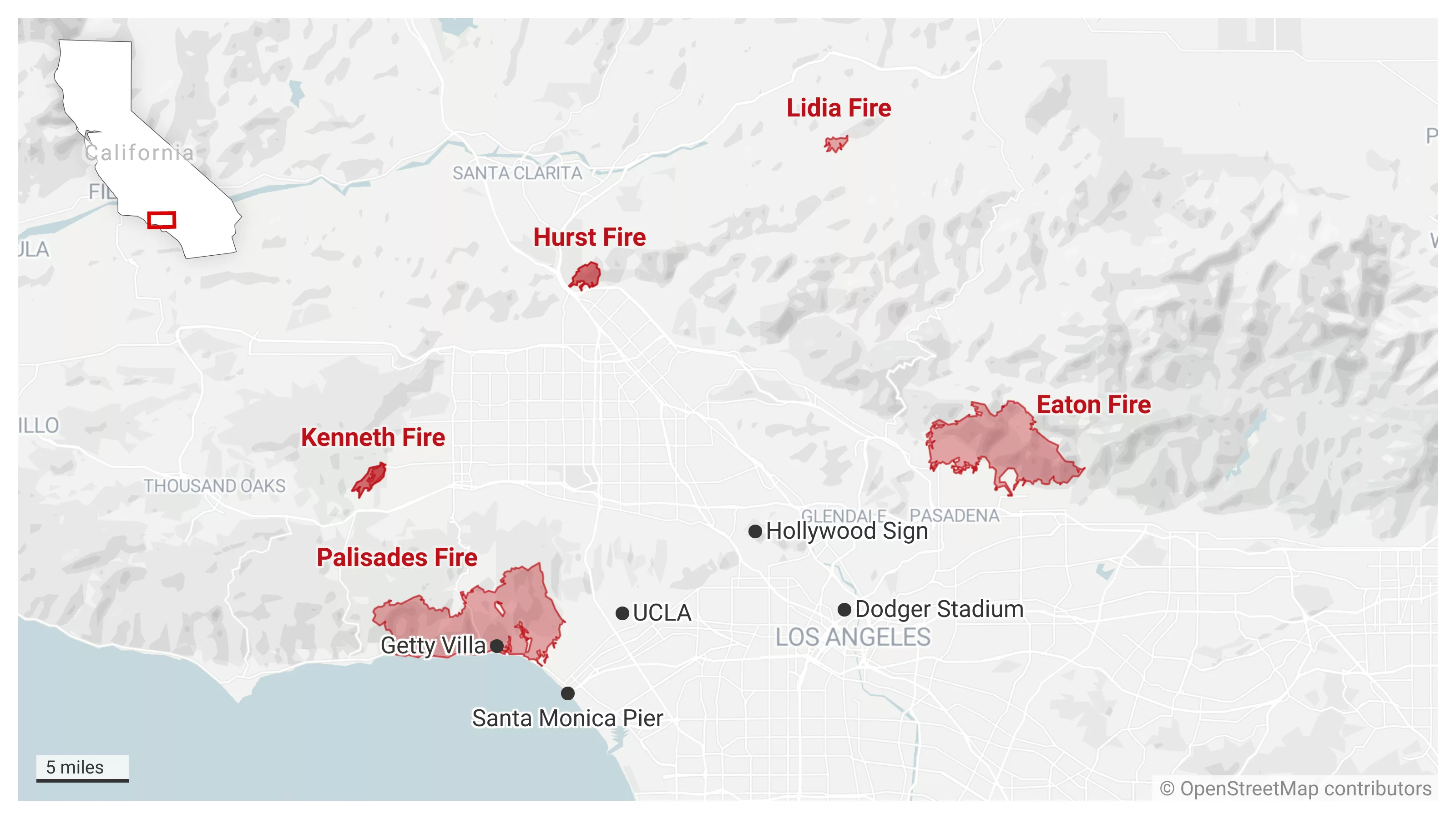
Staying Informed: Key Resources for Travelers
For travelers, accurate and up-to-date information is paramount. Before and during your trip, it’s essential to consult official sources for real-time updates on wildfires, air quality, and road closures. These include:
- CalFire: The California Department of Forestry and Fire Protection provides current incident information, maps, and statistics.
- National Park Service: For those visiting national parks like Yosemite, Sequoia National Park, or Joshua Tree National Park, their official websites offer specific alerts and closures.
- AirNow.gov: This federal website provides real-time air quality data, which is crucial as smoke from distant fires can sometimes affect air quality even in unaffected areas.
- Caltrans: The California Department of Transportation offers current road conditions and closures, vital for planning routes.
By utilizing these resources, travelers can make informed decisions, ensuring their safety and maximizing their enjoyment of California’s diverse offerings.
Planning Your California Adventure Safely Amidst Fire Concerns
Even with the ongoing presence of wildfires in some regions, California remains an extraordinary place for all types of travel and lifestyle preferences. From luxury travel to budget-friendly family trips, informed planning can mitigate risks and ensure a memorable journey.
Choosing Your Destinations Wisely
Many of California’s most beloved landmarks and attractions are far removed from typical wildfire zones. Coastal cities such as Santa Barbara, Santa Monica, and Laguna Beach offer stunning beaches, vibrant local culture, and world-class hotels and resorts with minimal fire risk. Urban centers like Los Angeles and San Francisco, with their iconic structures like the Golden Gate Bridge and Hollywood Sign, are generally unaffected by the direct impacts of wildfires.
For those venturing into nature, flexibility is key. If a particular national park or forest is experiencing fire activity or poor air quality, consider alternative wilderness destinations. California boasts numerous state parks and less-traveled areas that offer similar beauty. For instance, if Lake Tahoe experiences smoke, the Central Coast offers a different, yet equally captivating, natural escape. Areas like Palm Springs and the Mojave Desert, including Joshua Tree National Park, are typically less prone to the same types of forest fires that impact mountainous regions.
Accommodation and Booking Considerations
When booking accommodation – whether it’s a luxury suite in Beverly Hills, a charming boutique hotel in Sonoma, a villa overlooking the Pacific, or a long-term stay apartment for a business trip – always check cancellation policies. Many hotels and vacation rental platforms offer flexible booking options, which can be invaluable during fire season. Consider purchasing travel insurance that covers unforeseen events, including natural disasters, to protect your investment.
Some resorts and hotels, particularly those in or near forested areas, have enhanced their fire safety measures and communication protocols. For example, a luxury resort like Post Ranch Inn in Big Sur will have robust emergency plans in place, and their staff will be well-informed about local conditions. Don’t hesitate to contact your chosen hotel or accommodation provider directly to inquire about local conditions and their specific safety measures.
California’s Resilience: Tourism Beyond the Flames
California’s spirit of resilience is evident in its tourism sector. Even in areas that have experienced wildfires, recovery efforts are often swift, and communities are eager to welcome visitors back. By choosing to travel responsibly, you can play a crucial role in supporting these communities and their local economies.
Supporting Local Communities and Sustainable Tourism
One of the most impactful ways to visit California responsibly is to patronize local businesses in areas that are open and safe. Enjoying local food, staying in locally-owned hotels, and engaging in activities offered by local guides contributes directly to the economic recovery and vitality of these regions.
Many areas in California are also at the forefront of sustainable tourism initiatives. Visitors can participate in eco-friendly tours, explore protected natural habitats, and learn about conservation efforts. This approach not only minimizes environmental impact but also fosters a deeper appreciation for the state’s natural beauty and the challenges it faces. For example, many wineries in Napa Valley and Sonoma have invested heavily in fire-resistant landscaping and sustainable farming practices, making them not only safe to visit but also pioneers in environmental stewardship.
Exploring Recovered and Unaffected Gems
The narrative of California should not solely be defined by wildfires. The vast majority of its incredible destinations remain untouched and continue to offer unparalleled experiences.
- The Vibrant Cities: San Francisco with its cable cars, Alcatraz Island, and diverse neighborhoods is always a bustling hub. Los Angeles offers the glitz of Hollywood, world-class museums like The Getty Center, and the vibrant Santa Monica Pier. San Diego boasts beautiful beaches, the Gaslamp Quarter, and the renowned San Diego Zoo.
- Stunning Coastlines: Drive the iconic Pacific Coast Highway through Big Sur (checking for current road conditions), explore the dramatic cliffs of Mendocino, or relax on the sands of Malibu.
- Deserts and Vineyards: Discover the unique ecosystems of Joshua Tree National Park or indulge in wine tasting in Napa Valley, Sonoma, or the Temecula Valley, most of which quickly recover and continue operations post-fire.
- Mountain Escapes (with caution): While mountain areas are more prone to fires, places like Mammoth Lakes offer year-round activities from skiing to hiking, often outside the immediate fire zones or during seasons of lower risk.
The key is to remember that California is a land of incredible contrasts and vast distances. A wildfire is a serious event, but it does not engulf the entire state. With careful planning, flexibility, and reliance on official information, travelers can confidently explore the wonders of this United States jewel.
In conclusion, the fires in California are not a constant, monolithic presence across the entire state. They are seasonal, regional, and manageable with proactive planning. For travelers, this means staying informed, choosing destinations wisely, ensuring flexible accommodation options, and supporting the resilient communities that make California such a captivating place to visit. The Golden State awaits, with its unparalleled beauty and diverse experiences, ready to welcome informed and responsible adventurers.
LifeOutOfTheBox is a participant in the Amazon Services LLC Associates Program, an affiliate advertising program designed to provide a means for sites to earn advertising fees by advertising and linking to Amazon.com. Amazon, the Amazon logo, AmazonSupply, and the AmazonSupply logo are trademarks of Amazon.com, Inc. or its affiliates. As an Amazon Associate we earn affiliate commissions from qualifying purchases.