
Planning a trip to the vibrant city of Tampa, Florida? Whether you’re coming for the sun-kissed beaches, world-class attractions, or a crucial business meeting, understanding the local time zone is a fundamental first step. Tampa, a jewel on Florida’s Gulf Coast, operates within a specific time framework that influences everything from flight schedules to dining reservations and the timing of your daily adventures. For travelers originating from different parts of the United States or international destinations, adjusting to Tampa’s time zone is key to a seamless and enjoyable experience. This guide will clarify Tampa’s time zone, delve into the implications for your travel plans, and offer insights into how to make the most of your visit, ensuring every moment is spent soaking up the best this dynamic city has to offer.
Navigating Time in the Sunshine State: Tampa’s Official Clock
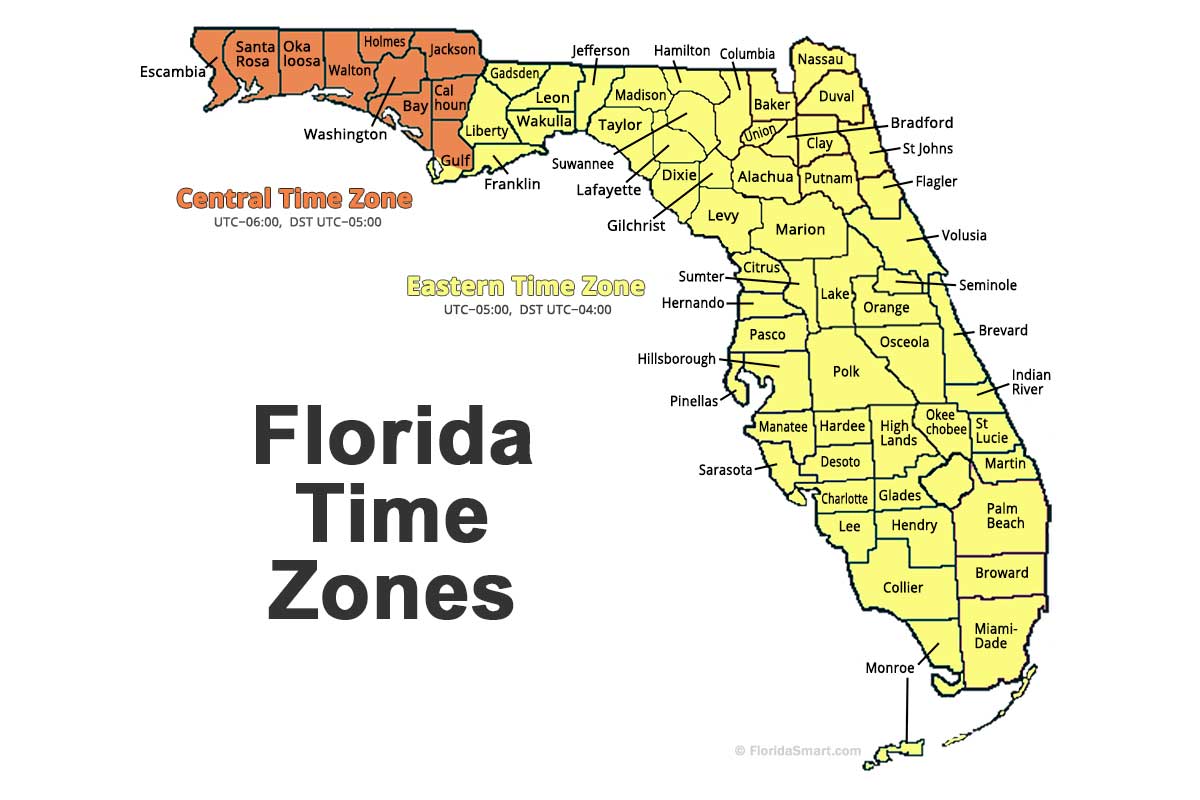
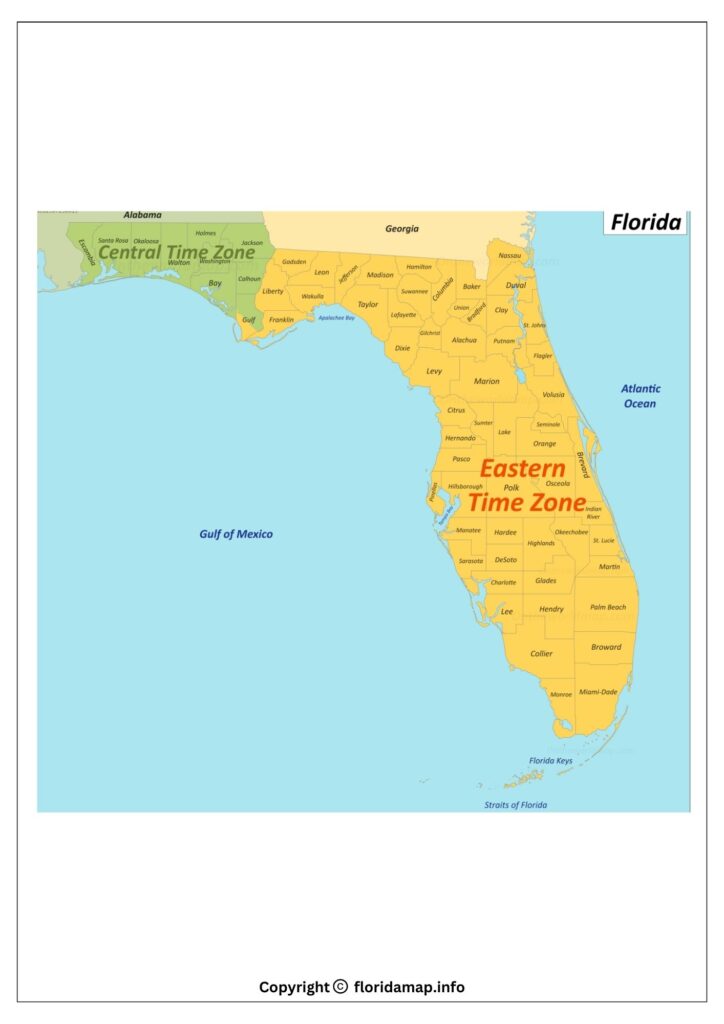
At its core, understanding Tampa’s time zone is straightforward: it aligns with the Eastern Time Zone, which encompasses a large portion of the East Coast of the United States and Canada. However, like many regions, Tampa observes Daylight Saving Time, meaning its actual time designation shifts throughout the year.
Eastern Standard Time (EST) and Eastern Daylight Time (EDT) Explained
During the cooler months, generally from early November to mid-March, Tampa adheres to Eastern Standard Time (EST). This is designated as UTC-5, meaning it is five hours behind Coordinated Universal Time. As spring arrives, typically on the second Sunday in March, Tampa transitions to Eastern Daylight Time (EDT), shifting forward by one hour to UTC-4. This change provides an extra hour of daylight in the evenings, a beloved aspect for both locals and tourists eager to enjoy Tampa’s outdoor attractions. The clock “falls back” to EST on the first Sunday in November, marking the end of Daylight Saving Time.
For travelers, recognizing this biannual shift is crucial. While most modern devices automatically update, it’s always wise to double-check, especially if you have tightly scheduled connections, tours, or appointments. For those traveling from time zones like the Central Time Zone (one hour behind), Mountain Time Zone (two hours behind), or Pacific Time Zone (three hours behind), a simple adjustment is required. International visitors, particularly those from Europe or Asia, will experience a more significant time difference, necessitating careful planning to mitigate potential jet lag and ensure smooth transitions. Understanding EST/EDT is the first step in aligning your internal clock with Tampa’s rhythm, setting the stage for a relaxed and well-organized visit.
Time Zone’s Impact on Your Tampa Travel Experience
The practical implications of Tampa’s time zone extend far beyond simply knowing what time it is. From the moment you book your flight to the last souvenir purchase, the time difference can influence your itinerary, energy levels, and overall enjoyment. Thoughtful consideration of the time zone ensures a smoother, more enriching travel experience, especially when dealing with the intricacies of travel logistics and local activities.
Planning Your Arrival and Departure: Flights and Accommodation
One of the most immediate impacts of a time zone difference is on your travel schedule. Flights into Tampa International Airport (TPA) are scheduled according to local Eastern Time. If you’re flying from the West Coast of the United States, for instance, a 9:00 AM departure might mean a 5:00 PM arrival in Tampa local time, accounting for the flight duration and the three-hour time jump. This can affect your plans for the arrival day, potentially limiting your immediate activities if you arrive late.
Similarly, coordinating hotel check-in and check-out times with your flight schedule is crucial. Most hotels, from luxurious resorts like The Vinoy Resort & Golf Club in nearby St. Petersburg or the modern elegance of JW Marriott Tampa Water Street, have standard check-in times around 3:00 PM or 4:00 PM and check-out times around 11:00 AM or noon. If your flight lands early in the morning, you might need to arrange for early check-in or plan activities to fill the gap. Conversely, a late departure might necessitate a late check-out arrangement or baggage storage. Business travelers, in particular, must consider time zone differences when scheduling meetings and conferences, ensuring they are punctual and well-rested for critical engagements within the Westshore Business District or Downtown Tampa.
Managing jet lag is another significant consideration, especially for long-haul travelers. Arriving from a distant time zone can disrupt your body’s natural circadian rhythm, leading to fatigue, difficulty sleeping, and reduced alertness. Strategies like gradually adjusting your sleep schedule before departure, staying hydrated, avoiding excessive caffeine and alcohol, and exposing yourself to natural light upon arrival in Tampa can help minimize the effects of jet lag, allowing you to quickly immerse yourself in the local experience.
Maximizing Your Itinerary: Attractions, Dining, and Events
Tampa boasts an impressive array of attractions, a vibrant culinary scene, and a packed calendar of events. Your awareness of the local time zone directly impacts your ability to experience these to the fullest. Popular theme parks like Busch Gardens Tampa Bay and family-friendly destinations such as The Florida Aquarium and ZooTampa at Lowry Park all operate on specific schedules. Their opening and closing times are set in Eastern Time, and missing a crucial window can mean missing out on an experience.
Dining in Tampa offers diverse options, from casual eateries to fine dining establishments in historic Ybor City or along the picturesque Tampa Riverwalk. Reservations for popular restaurants, especially during peak dinner hours (7:00 PM to 9:00 PM EST/EDT), are highly recommended and must be made with the local time in mind. Similarly, planning a night out to catch a show at the Straz Center for the Performing Arts or exploring the nightlife in the Channelside District requires attention to event start times. Even a relaxing dolphin cruise from nearby Clearwater Beach will have departure times strictly tied to the Eastern Time Zone, often optimized for sunset views.
For those interested in museums and cultural institutions like the Tampa Museum of Art or the Henry B. Plant Museum located at the University of Tampa, checking their operating hours is essential. Many close by late afternoon or early evening, and some may have specific days closed to the public. Being mindful of the time allows you to create an efficient itinerary, grouping nearby attractions and ensuring you arrive with ample time to enjoy each activity without feeling rushed or missing crucial closing times.
Beyond the Clock: Tampa’s Allure for Every Traveler
While the time zone provides the framework, it’s the rich tapestry of Tampa’s offerings that truly defines a visit. The city caters to every preference, from luxury seekers to budget-conscious families, blending historical charm with modern vibrancy.
Diverse Accommodation Options for Every Lifestyle
Tampa’s hospitality landscape is as varied as its attractions. For those seeking opulence, properties like The EDITION Tampa offer unparalleled luxury, while nearby Sarasota boasts the prestigious Ritz-Carlton, Sarasota. Mid-range options abound, with stylish boutique hotels such as Hotel Haya in Ybor City or the convenient Embassy Suites by Hilton Tampa Downtown Convention Center. Other notable stays include the Epicurean Hotel for foodies and the Seminole Hard Rock Hotel & Casino Tampa for entertainment. For longer stays or a more independent experience, numerous apartments and villas are available for rent, providing a home-away-from-home feel.
Regardless of your choice, understanding Tampa’s seasons is important for booking. Peak tourist season, typically from January to April, coinciding with cooler Florida weather and events like the Gasparilla Pirate Festival, often sees higher prices and lower availability. Booking accommodation well in advance, and being aware of the local time for any booking deadlines or special offers, is a smart strategy to secure your preferred lodging and potentially save on costs.
Exploring Tampa’s Rich Culture, Cuisine, and Landmarks
Tampa is a city steeped in history and vibrant culture. The cobblestone streets of Ybor City tell tales of its Cuban heritage and cigar factories, offering a unique glimpse into the city’s past and present. The Tampa Riverwalk serves as a scenic artery, connecting many of the city’s key attractions, from Sparkman Wharf‘s outdoor dining and entertainment to the museums and convention center.
The culinary scene in Tampa is a reflection of its diverse population. From fresh Gulf seafood to authentic Cuban sandwiches and a burgeoning craft brewery scene, there’s a flavor for every palate. Exploring neighborhoods like Hyde Park Village offers upscale dining and boutique shopping experiences.
For sports tourism enthusiasts, Tampa Bay is a hub of champions. Catch an NFL game with the Tampa Bay Buccaneers at Raymond James Stadium or witness the thrilling action of the Tampa Bay Lightning (NHL) at Amalie Arena. These events, like all others, adhere to the Eastern Time Zone, so knowing kickoff or puck drop times is essential for planning.
Beyond Tampa itself, day trips to nearby destinations like the pristine beaches of Clearwater Beach, the cultural offerings of St. Petersburg, or even the world-famous theme parks of Orlando are easily accessible. Each of these destinations also operates on Eastern Time, simplifying multi-city itineraries within central Florida.
Practical Tips for a Seamless Tampa Trip
A successful trip to Tampa relies not just on knowing the time zone, but on how effectively you integrate that knowledge into your travel planning and on-the-ground experience.
Time Management for Business and Leisure
For business travelers, managing time zones is paramount. If you’re coordinating with colleagues in different parts of the United States or internationally, explicitly stating the time zone (e.g., “3:00 PM EST”) for meetings or calls avoids confusion. Synchronizing all your devices – phone, laptop, smartwatch – to the local Eastern Time upon arrival is a simple yet effective step. Leisure travelers can leverage the time zone to their advantage; early risers can enjoy attractions before the crowds, while those who prefer a relaxed pace can plan their days around leisurely mornings and vibrant evenings, especially during Eastern Daylight Time when daylight extends longer. Consider using apps or online tools that display multiple time zones to help with scheduling.
Staying Informed and Prepared
Before your trip, it’s always a good idea to check local event calendars for Tampa and the surrounding Tampa Bay area. This not only helps you discover unique experiences like food festivals, concerts at Amalie Arena, or art shows but also helps you anticipate potential crowds or road closures that might affect your schedule. Being aware of peak seasons versus off-peak seasons can influence both the cost and the pace of your trip. While Tampa is generally safe, always follow general travel safety tips, and remember that local emergency services operate on Eastern Time. Keep important contact numbers readily accessible. A well-prepared traveler, mindful of the time and local nuances, is poised to have the most fulfilling experience in Tampa.
In conclusion, Tampa, Florida, proudly operates on the Eastern Time Zone, observing both Eastern Standard Time (UTC-5) and Eastern Daylight Time (UTC-4) throughout the year. Understanding this crucial detail is the bedrock of planning a successful journey, impacting everything from your flight connections and accommodation logistics to your daily itinerary filled with attractions, culinary delights, and cultural explorations. By aligning yourself with Tampa’s clock, you unlock the full potential of your visit, ensuring every moment is spent enjoying the warm sun, rich history, and vibrant energy of this captivating Florida destination. So set your watches, synchronize your plans, and prepare for an unforgettable adventure in the heart of the Sunshine State!
LifeOutOfTheBox is a participant in the Amazon Services LLC Associates Program, an affiliate advertising program designed to provide a means for sites to earn advertising fees by advertising and linking to Amazon.com. Amazon, the Amazon logo, AmazonSupply, and the AmazonSupply logo are trademarks of Amazon.com, Inc. or its affiliates. As an Amazon Associate we earn affiliate commissions from qualifying purchases.