
Orlando, Florida, often dubbed “The Theme Park Capital of the World,” is a magnet for travelers from across the globe. Millions flock here annually, drawn by the enchanting allure of its world-class attractions, vibrant entertainment, and diverse culinary scene. From the magical realms of Walt Disney World Resort to the cinematic adventures at Universal Orlando Resort and the marine wonders of SeaWorld Orlando, there’s an endless array of experiences waiting to be discovered. However, one of the most crucial elements to consider when planning an Orlando adventure is its distinctive weather. Understanding Orlando’s climate is not just about knowing whether to pack shorts or a jacket; it’s about optimizing your travel plans, ensuring comfort, and making the most of every moment in this sun-drenched destination.

The weather in Orlando plays a significant role in shaping the visitor experience, influencing everything from what activities are enjoyable to the best time to book accommodation and how to pack. Its subtropical climate is characterized by hot, humid summers and mild, drier winters, creating distinct seasons that each offer unique advantages and challenges for tourists. Whether you’re seeking a luxury travel experience or a budget-friendly family trip, knowing what the skies hold can transform a good vacation into an unforgettable one. This comprehensive guide delves into the intricacies of Orlando’s weather patterns, providing insights, tips, and essential information to help you plan your perfect getaway.
Understanding Orlando’s Climate
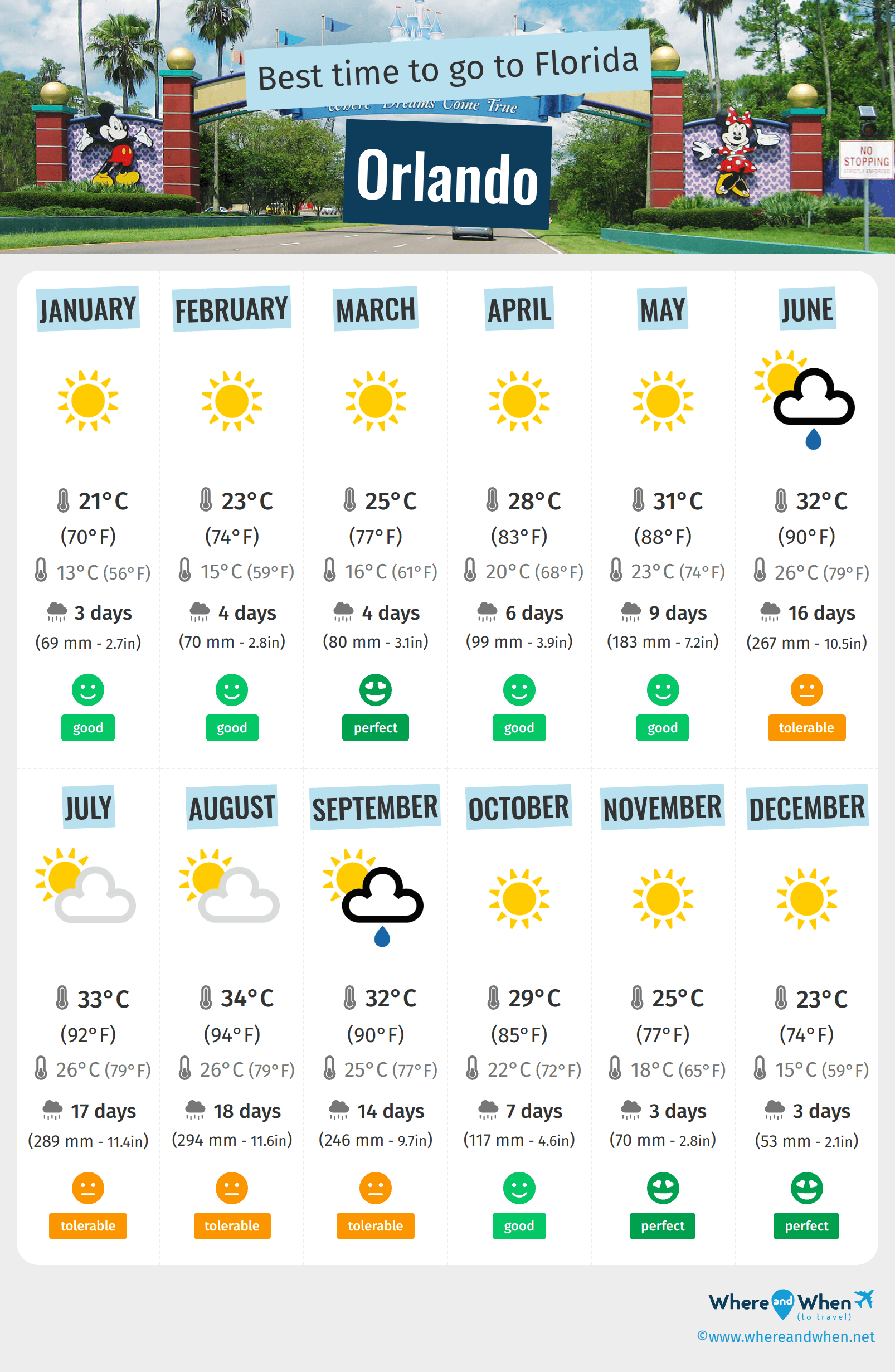
Orlando’s geographical location in central Florida, away from the immediate coastal influences of the Atlantic Ocean and the Gulf of Mexico, gives it a classic humid subtropical climate. This means you can expect generous amounts of sunshine year-round, but also a noticeable distinction between its warm, rainy season and its cooler, drier period. The average annual temperature hovers around a comfortable 72°F (22°C), but daily highs and lows vary significantly throughout the year, impacting daily activities and sightseeing choices.
Subtropical Charm: A Year-Round Destination
One of the greatest appeals of Orlando’s climate is its ability to be a year-round destination. While many northern climates experience harsh winters that limit outdoor activities, Orlando remains largely accessible and enjoyable throughout all four traditional seasons. This consistent warmth makes it an ideal choice for those looking to escape colder temperatures, ensuring that attractions like Lake Eola Park, the various theme parks, and even nearby natural landscapes remain vibrant and welcoming. The subtropical nature means lush vegetation, vibrant flora, and an abundance of outdoor recreational opportunities are always on the agenda, contributing to the city’s lively atmosphere. However, “year-round” doesn’t mean “uniform.” Each season presents its own set of weather characteristics that savvy travelers should be prepared for, especially concerning activities, attire, and even choice of accommodation amenities. Resorts with extensive indoor facilities or water parks become particularly attractive during the hotter months, offering a respite from the midday sun.
The Wet and Dry Seasons: What to Expect
Orlando experiences two primary seasons: a wet season and a dry season, which are more pronounced than the traditional four seasons. The wet season typically runs from June through September, aligning with summer. During this period, the city is characterized by high heat and humidity, with frequent afternoon thunderstorms. These storms, while often intense, are usually brief, clearing the air and sometimes bringing a welcome drop in temperature before the sun re-emerges. This is also the peak of hurricane season, a critical consideration for travelers during these months. The dry season, spanning from October through May, encompasses fall, winter, and spring. This period sees significantly less rainfall, lower humidity, and generally more moderate temperatures, making it a favorite for many visitors. The skies are often clearer, and the air feels fresher, providing ideal conditions for exploring Orlando’s extensive outdoor attractions and dining al fresco. Understanding these two overarching seasons is fundamental to planning a seamless and enjoyable trip, from packing the right attire to making smart decisions about booking and activities.
Seasonal Breakdown: Planning Your Orlando Adventure
Each season in Orlando presents a unique climatic personality, directly impacting crowd levels, hotel prices, and the overall experience. By aligning your visit with the weather conditions that best suit your preferences and planned activities, you can unlock the full potential of your Orlando vacation.
Summer (June-September): The Hot and Humid Peak
Summer in Orlando is defined by its intense heat and oppressive humidity. Daily high temperatures routinely soar into the low to mid-90s Fahrenheit (32-35°C), with “real feel” temperatures often exceeding 100°F (38°C) due to the high humidity. Mornings might start bright and sunny, but by early to mid-afternoon, dramatic thunderstorms become a daily occurrence. These storms can bring heavy rain, lightning, and strong winds, but they typically pass within an hour or two, leaving behind refreshed air and often a double rainbow. This period also coincides with the Atlantic hurricane season, which officially runs from June 1st to November 30th. While direct hurricane strikes are rare in central Florida, the potential for tropical storms, which can bring several days of heavy rain and wind, should be monitored.
Despite the challenging weather, summer is peak season for families, largely due to school holidays. Visitors during this time should prioritize staying hydrated, wearing light and breathable clothing, and making good use of water parks like Universal’s Volcano Bay or the splash zones within the theme parks. Many resorts offer fantastic pool complexes and indoor amenities, providing a welcome escape from the heat and rain. Planning indoor activities or shows for the afternoon hours is a smart strategy. Early mornings and evenings are the most comfortable times for outdoor park exploration.
Fall (October-November): A Pleasant Transition
As summer gives way to fall, Orlando’s weather undergoes a delightful transformation. October and November are often considered some of the best months to visit, offering a much-needed respite from the summer’s heat and humidity. Average high temperatures settle into the low to mid-80s Fahrenheit (27-30°C) in October, dropping further into the 70s (21-26°C) by November. Humidity levels significantly decrease, and the frequency of afternoon thunderstorms lessens dramatically. The skies become clearer, and the air feels crisp and comfortable, perfect for extended outdoor excursions.
This season is ideal for enjoying all the theme parks, as walking around feels much more manageable. Fall also ushers in a host of special events, such as Epcot’s International Food & Wine Festival at Walt Disney World Resort and Halloween Horror Nights at Universal Orlando Resort, which are made even more enjoyable by the pleasant weather. This period is highly popular for tourism, so booking accommodation and attractions well in advance is advisable, especially if you’re looking for a luxury travel experience or specific hotel suites. Exploring downtown Orlando or visiting attractions on International Drive becomes particularly appealing without the oppressive heat.
Winter (December-February): Mild and Delightful
Orlando’s winter is a stark contrast to the severe cold experienced in many other parts of the world, making it a hugely popular destination for those seeking winter sun. Temperatures during December, January, and February are generally mild and comfortable, with average highs ranging from the upper 60s to low 70s Fahrenheit (19-23°C). Nights can be cool, occasionally dipping into the 40s (4-9°C), especially in January, so packing layers is essential. Rainfall is at its lowest during these months, and humidity is typically very low, resulting in abundant sunshine and clear skies.
This “dry season” is considered prime time for many visitors, particularly those interested in exploring theme parks, golfing, or enjoying other outdoor activities without the risk of overheating. The mild weather makes it perfect for longer stays and exploring beyond the theme parks, perhaps visiting nearby areas like Kissimmee or taking a day trip to the Kennedy Space Center Visitor Complex. Christmas and New Year’s are exceptionally popular, leading to higher prices and larger crowds, but the festive atmosphere, combined with pleasant weather, creates an undeniable magic. Even during the winter, most hotels and resorts maintain heated pools, ensuring that swimming remains an option for relaxation and leisure.
Spring (March-May): Warmth and Sunshine Return
Spring in Orlando is characterized by a gradual warming trend and increasing sunshine, offering another fantastic window for travel. March and April are typically gorgeous, with average highs in the mid-70s to low 80s Fahrenheit (24-28°C) and low humidity. Rainfall remains relatively infrequent compared to summer, but the occasional spring shower might occur. By May, temperatures climb higher, nearing summer levels in the mid to upper 80s (29-31°C), and humidity begins to creep up as the wet season approaches.
Spring is a popular time for college spring breakers and families on Easter holidays, meaning crowds can be substantial, especially during late March and early April. The pleasant weather makes it ideal for enjoying outdoor attractions, water parks as they start to warm up, and simply lounging by the pool at your resort. It’s a fantastic time for exploring the botanical gardens or engaging in nature-based tourism activities outside of the major parks. As May progresses, the increasing warmth serves as a gentle prelude to the more intense summer conditions, making the early part of spring particularly appealing for those who prefer comfortable warmth without the full force of summer humidity.
Preparing for Orlando’s Weather: Essential Tips for Travelers
No matter when you decide to visit, being well-prepared for Orlando’s climate will significantly enhance your travel experience. Thoughtful packing and smart planning are key to navigating the city’s unique weather patterns.
Packing Smart for Every Season
Summer: Focus on light-colored, moisture-wicking, breathable fabrics (cotton, linen, athletic wear). Include swimwear, sunglasses, a wide-brimmed hat, and waterproof shoes or sandals. A compact umbrella or lightweight rain poncho is indispensable for sudden downpours.
Fall & Spring: Layers are your best friend. While days are warm, evenings can be cooler, especially in late fall and early spring. Pack shorts, t-shirts, but also long-sleeved shirts, light sweaters, or a jacket. Swimwear is still recommended.
Winter: Pack long pants, long-sleeved shirts, sweaters, and a medium-weight jacket or coat, especially for evenings. While some days may be warm enough for shorts, don’t rely on it. Closed-toe shoes are generally more comfortable.
Year-round: Regardless of the season, comfortable walking shoes are a must for exploring the vast theme parks. Sunscreen is non-negotiable due to Florida’s strong UV index.
Hydration and Sun Protection are Key
With abundant sunshine and often high temperatures, staying hydrated is paramount. Carry a reusable water bottle and refill it frequently at water fountains or quick-service restaurants in the parks (which often offer free ice water). Many resorts also provide water stations. Apply and reapply high-SPF sunscreen throughout the day, even on cloudy days, and seek shade whenever possible. Sunglasses protect your eyes, and a hat provides additional facial sun protection. These simple measures can prevent heatstroke, sunburn, and dehydration, ensuring you can fully enjoy your activities without discomfort.
Navigating Thunderstorms and Hurricane Season
Thunderstorms: While disruptive, Orlando’s afternoon thunderstorms are typically brief. Use this time to take a break, enjoy an indoor show, grab a meal, or shop. Theme parks are well-equipped with indoor attractions and covered walkways. Don’t let a sudden downpour spoil your day; embrace it as a temporary pause.
Hurricane Season: If traveling between June and November, stay informed by checking reputable weather forecasts before and during your trip. Consider travel insurance that covers weather-related disruptions, especially if you’re traveling during the peak hurricane months (August and September). While direct hits are rare, tropical systems can cause flight delays, park closures, and heavy rainfall. Most hotels and airlines have flexible cancellation policies during severe weather events, but it’s always wise to confirm.
Leveraging Accommodation and Attractions for Comfort
When booking accommodation, consider properties that offer amenities catering to the weather. Resorts with multiple pools, lazy rivers, or even indoor water parks provide excellent ways to cool off during hot days. Many hotels feature spacious suites or villas, offering ample room to relax and escape the elements. Look for hotels with good air conditioning, especially during the summer. Beyond the parks, explore indoor attractions such as museums, shopping malls, and dinner shows. Leverage early park entry for resort guests to get a head start before the midday heat and crowds, or plan to stay late into the evening when temperatures cool down and the parks come alive with spectacular nighttime entertainment.
In conclusion, Orlando’s weather is as dynamic and diverse as its attractions. From the humid, thundery summers that are perfect for water park enthusiasts to the blissfully mild and dry winters ideal for extensive park exploration, each season offers a unique charm. By understanding these patterns, preparing adequately with smart packing and hydration, and strategically utilizing the city’s vast array of accommodations and activities, you can ensure your trip to Orlando, Florida, is nothing short of magical, regardless of when you choose to visit.
LifeOutOfTheBox is a participant in the Amazon Services LLC Associates Program, an affiliate advertising program designed to provide a means for sites to earn advertising fees by advertising and linking to Amazon.com. Amazon, the Amazon logo, AmazonSupply, and the AmazonSupply logo are trademarks of Amazon.com, Inc. or its affiliates. As an Amazon Associate we earn affiliate commissions from qualifying purchases.