
For the seasoned globetrotter, the curious explorer, or the business professional preparing for a pivotal meeting, understanding the local time is far more than a trivial detail – it’s the cornerstone of a successful and seamless travel experience. When you ask, “What time is it in Florida USA right now?”, you’re not just seeking a number on a clock; you’re unlocking a world of planning, anticipation, and practical considerations that can profoundly shape your journey to the Sunshine State.
Florida, a vibrant tapestry of sun-drenched beaches, bustling cities, enchanting theme parks, and serene natural landscapes, offers a diverse array of experiences. But to fully immerse yourself in its rhythm, from catching the perfect sunrise over the Atlantic Ocean to making your dinner reservation in South Beach or synchronizing your family’s visit to Walt Disney World Resort, mastering its time zones is paramount. This guide delves into the nuances of Florida’s timekeeping, exploring how it impacts everything from booking the ideal accommodation to navigating peak tourist seasons, ensuring your visit is as smooth and enjoyable as the state’s tranquil Gulf waters.
Understanding Florida’s Time Zones: A Traveler’s Essential Guide
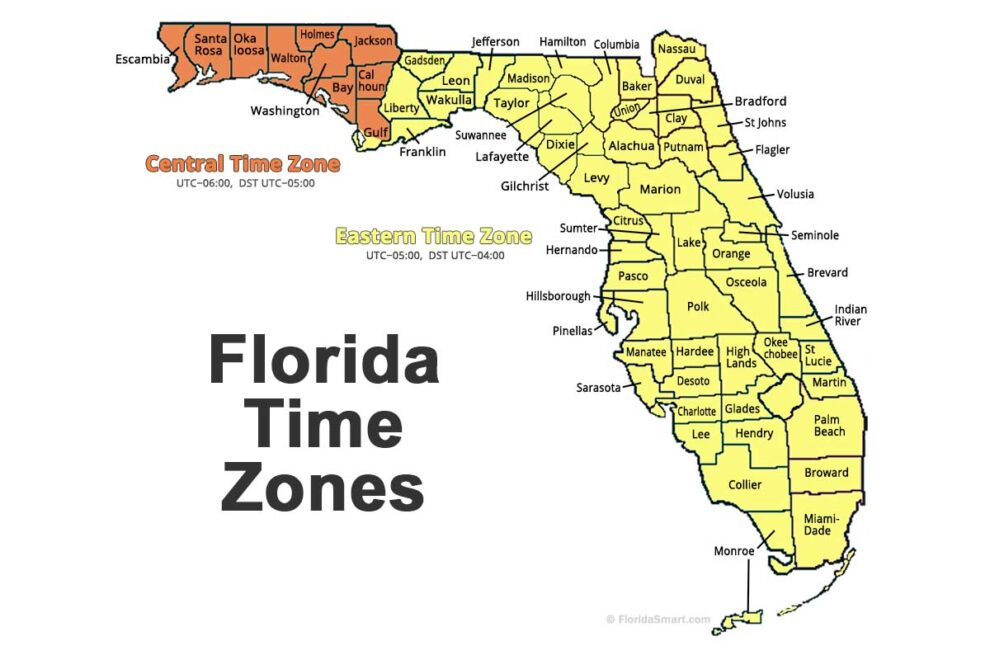
Florida primarily observes one time zone, but like many geographically expansive regions, it has a notable exception that travelers must be aware of. This dual-zone reality is crucial for planning internal travel, coordinating with different parts of the state, and ensuring you’re always on schedule.
The Eastern Standard Time Dominance
The vast majority of Florida, including its most popular tourist destinations and major cities, operates on Eastern Standard Time (EST) during standard hours and Eastern Daylight Time (EDT) during Daylight Saving Time. This covers iconic locales such as Miami, Orlando, Tampa, Jacksonville, Key West, Fort Lauderdale, Naples, and St. Augustine. When you hear “what time is it in Florida?” most people are referring to EST/EDT, which is five hours behind Coordinated Universal Time (UTC-5) during standard time and four hours behind (UTC-4) during daylight saving.
This uniformity across the peninsula simplifies planning for those focused on the major attractions. Theme parks like Universal Orlando Resort and Legoland Florida Resort, famous beaches like Clearwater Beach and Daytona Beach, and historical sites like the Castillo de San Marcos in St. Augustine all adhere to this primary time zone. This means less confusion for travelers hopping between different parts of central and southern Florida.
The Panhandle’s Central Time Zone Slice
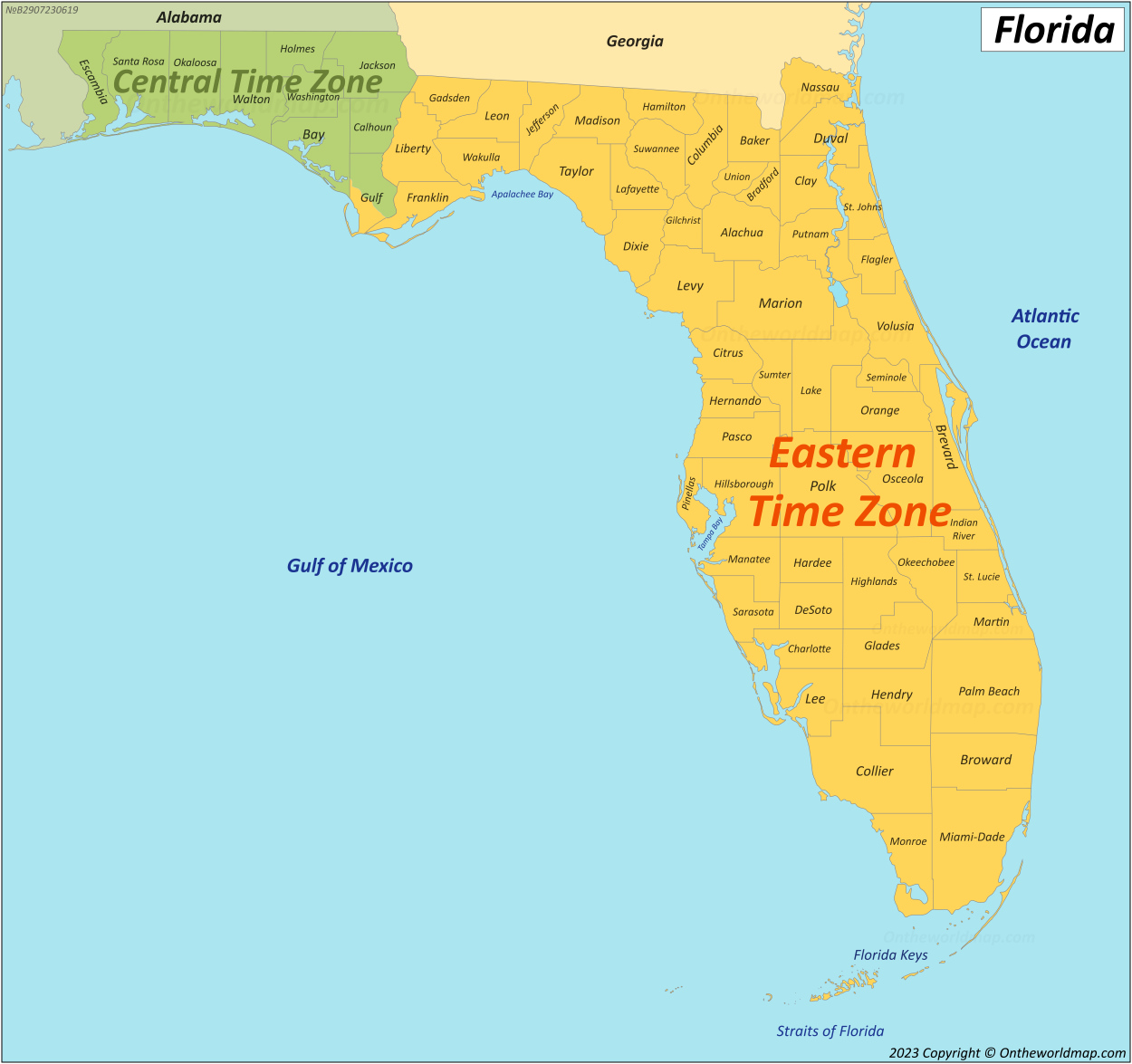
The exception lies in the western part of the Florida Panhandle. Counties west of the Apalachicola River, including Escambia, Santa Rosa, Okaloosa, and Walton counties, and portions of Bay County (specifically west of Mexico Beach and Port St. Joe), observe Central Standard Time (CST) and Central Daylight Time (CDT). This places them one hour behind the rest of the state (UTC-6 for CST, UTC-5 for CDT). Cities like Pensacola and Destin, popular for their pristine Gulf of Mexico beaches, fall within this time zone.
For travelers driving across the Panhandle from Tallahassee (EST) towards Pensacola (CST), it’s crucial to remember that you’ll “gain” an hour. Conversely, traveling east means “losing” an hour. This time change can impact everything from flight connections at Pensacola International Airport to making check-in times at resorts along Panama City Beach. Always double-check local times, especially if your itinerary bridges these two zones.
Daylight Saving Time: Spring Forward, Fall Back
Like most of the USA, Florida observes Daylight Saving Time. Clocks “spring forward” one hour on the second Sunday in March and “fall back” one hour on the first Sunday in November. This adjustment means that during the warmer months, Florida enjoys extended daylight evenings, perfect for outdoor activities, sunset cruises, and late-night strolls along the beach.
For international travelers, or those arriving from states that do not observe Daylight Saving Time (such as Arizona or Hawaii), this shift requires an additional adjustment. It’s always wise to verify the current time, especially when planning arrivals and departures, as airline schedules and hotel check-in/check-out times rigidly adhere to the prevailing local time. This seasonal change significantly impacts tourism, influencing everything from attraction operating hours to the best times to enjoy Florida’s vibrant nightlife.
Why Time Matters: Maximizing Your Florida Experience
Beyond simply knowing the current hour, understanding Florida’s time framework is a strategic advantage for any traveler. It’s about optimizing your itinerary, minimizing stress, and fully embracing the myriad experiences the state has to offer.
Planning Your Arrival and Accommodations
The moment your flight lands or your road trip concludes, time becomes a critical factor. If you’re flying into Orlando International Airport from California, you’ll be crossing three time zones, leading to a significant time difference that can impact your energy levels upon arrival. Similarly, an international journey from Europe or Asia to Miami International Airport will involve even greater adjustments.
Accommodation Check-ins: Most hotels, resorts, apartments, and villas in Florida have standard check-in times, typically in the afternoon (e.g., 3:00 PM or 4:00 PM local time). Arriving too early due to an incorrect time conversion or jet lag might mean a long wait for your room, unless you’ve pre-arranged an early check-in (which might incur an extra fee) or your chosen accommodation, such as The Breakers Palm Beach or Ritz-Carlton Orlando Grande Lakes, offers amenities like a guest lounge for early arrivals. Conversely, misjudging the time on your departure day could lead to late check-out fees. For longer stays in vacation rentals, understanding the local rhythm for grocery deliveries, maintenance, or local events is equally important.
Synchronizing with Attractions and Activities
Florida’s top attractions operate on strict schedules, and missing them due to a time zone miscalculation can be disappointing.
Theme Parks: Walt Disney World Resort and Universal Orlando Resort open early and close late, with parade times, show schedules, and ride queues all dependent on the clock. Early park entry for resort guests is time-sensitive and can offer a huge advantage.
Landmarks & Museums: Visiting the Kennedy Space Center Visitor Complex requires adherence to specific launch schedules or tour times. Museums like the Salvador Dalí Museum in St. Petersburg or the Florida Museum of Natural History in Gainesville have set operating hours. Arriving an hour late can mean missing out on a significant portion of your planned experience.
Nature & Wildlife: For experiences like airboat tours in Everglades National Park or snorkeling trips in the Florida Keys (perhaps even a day trip to Dry Tortugas National Park), departure times are fixed. Wildlife viewing, such as birdwatching or spotting manatees, is often best at certain times of day, like early morning or late afternoon.
Dining and Entertainment: Timing is Everything
Florida’s culinary scene and nightlife are as diverse as its landscapes, but their enjoyment is highly time-dependent.
Restaurant Reservations: In popular dining destinations like Miami’s Little Havana or Orlando’s Winter Park, securing a table at sought-after restaurants, from Versailles Restaurant to high-end dining at Fontainebleau Miami Beach, often requires reservations made well in advance, for specific times. Missing these slots due to a misread clock can lead to disappointment.
Nightlife and Shows: Whether it’s catching a concert at the Dr. Phillips Center for the Performing Arts in Orlando, experiencing the vibrant clubs on Ocean Drive in Miami Beach, or enjoying live music on Duval Street in Key West, these activities follow specific schedules. Being punctual ensures you get the best seats or don’t miss the opening acts.
Local Culture & Food Tours: Many local experiences, such as food tours in St. Augustine Historic District or cultural walking tours in Ybor City (Tampa), run at set times. Participating in these local insights often means adhering to a precise schedule to fully appreciate the local culture and cuisine.
Beyond the Clock: Embracing Florida’s Lifestyle and Rhythms
While the practical aspects of time zones are critical, “what time is it?” also encourages a deeper understanding of Florida’s unique pace and lifestyle. It’s about aligning your visit with the natural rhythms and cultural heartbeat of the destination.
Sunrise to Sunset: Iconic Moments and Natural Beauty
Florida is renowned for its spectacular sunrises and sunsets. Catching the sunrise over the Atlantic on Cocoa Beach or Amelia Island, or watching the sunset over the Gulf of Mexico from Siesta Key or Key West’s Mallory Square, are quintessential Florida experiences. These are precise, fleeting moments dictated by the sun’s journey, making awareness of local time (and celestial calendars) essential.
Photography enthusiasts, in particular, will appreciate knowing the “golden hours” for capturing landmarks like the Art Deco Historic District in Miami Beach or the historic streets of St. Augustine. These natural light conditions create stunning visual memories, often best enjoyed in the tranquil early mornings or late afternoons, before or after peak crowds.
Navigating Peak Seasons and Local Events
The concept of “time” in Florida extends beyond the hour to encompass seasons and event schedules.
Peak vs. Off-Peak: Knowing the time of year is crucial for budgeting and crowd avoidance. Winter months (November to April) are generally peak season, especially for destinations like South Florida and the Florida Keys, attracting visitors escaping colder climates. During this “time,” accommodation prices (suites, resorts, villas) are higher, and attractions are more crowded. Summer, while hot and humid, can offer better deals on hotels and flights, especially for family trips to theme parks.
Festivals and Events: Florida hosts a vibrant calendar of events. From the Epcot International Food & Wine Festival at Walt Disney World Resort to Miami Art Basel, the Gasparilla Pirate Festival in Tampa, or Fantasy Fest in Key West, these events attract massive crowds and significantly impact local hotel availability and prices. Planning your visit to coincide (or intentionally avoid) these times is a key lifestyle choice, whether you’re seeking luxury travel experiences or budget-friendly options.
Balancing Business and Leisure Across Time Zones
For business travelers, understanding Florida’s time is paramount. Coordinating meetings with clients or colleagues across different time zones, whether within the USA or internationally, requires careful attention. A conference call scheduled for 9:00 AM EST might be 6:00 AM in California or 2:00 PM in London, affecting availability and productivity.
Many business travelers combine work with leisure, and synchronizing these two aspects is vital. Finishing a morning meeting in Miami and then planning an afternoon leisure activity in Fort Lauderdale or a quick trip to the beaches of Biscayne Bay requires awareness of travel times and ensuring your personal activities fit within the local schedule. Business hotels often cater to these needs, offering amenities like 24-hour business centers and flexible check-in/check-out options, but knowing the local time is still your primary tool for effective planning.
Essential Tips for Time-Savvy Travelers to Florida
To ensure your Florida adventure is flawless, keep these time-related tips in mind.
Staying Connected Across Time Zones
- Set your devices to automatic time: Modern smartphones and smartwatches automatically adjust to the local time zone, which is incredibly helpful. However, always manually double-check, especially if you’re venturing into the Panhandle’s Central Time Zone.
- Communicate clearly: When arranging meet-ups or calls, always specify the time zone (e.g., “10 AM EST” or “10 AM CST”) to avoid any ambiguity, especially with people outside Florida.
- Consider a travel clock: A simple analog or digital travel clock can be a reliable backup, especially if you prefer to keep your main devices on your home time for family communication.
Health and Well-being: Beating Jet Lag
Traveling across multiple time zones can lead to jet lag, impacting your enjoyment.
- Adjust gradually: Before you travel, try to shift your sleep schedule by an hour or two each day to align with Florida’s time.
- Hydrate and avoid excessive caffeine/alcohol: These can exacerbate jet lag symptoms.
- Embrace the local time immediately: Upon arrival, try to eat and sleep according to local Florida time, even if you’re not tired. Sunlight exposure in the morning can help reset your body clock. Many resorts and hotels, such as the Four Seasons Resort Orlando at Walt Disney World Resort, offer wellness amenities that can aid recovery.
Making Every Moment Count in the Sunshine State
Ultimately, knowing “What time is it in Florida USA right now?” is your key to unlocking a truly memorable trip. It empowers you to:
- Plan efficient itineraries: Group activities geographically and chronologically to minimize travel time and maximize experiences.
- Optimize bookings: Secure flights, hotels (whether luxury suites or budget apartments), and attraction tickets at the most advantageous times, avoiding peak surges or ensuring availability for your preferred dates.
- Immerse yourself culturally: Participate in local events, enjoy meals at authentic times, and experience the state’s natural beauty during its most captivating moments.
From the vibrant energy of Miami to the enchanting worlds of Orlando, and the serene beaches of Anna Maria Island or Sanibel Island, Florida awaits. With a clear understanding of its time zones and rhythms, you’re not just visiting; you’re truly connecting with the spirit of the Sunshine State, ensuring every moment counts.
LifeOutOfTheBox is a participant in the Amazon Services LLC Associates Program, an affiliate advertising program designed to provide a means for sites to earn advertising fees by advertising and linking to Amazon.com. Amazon, the Amazon logo, AmazonSupply, and the AmazonSupply logo are trademarks of Amazon.com, Inc. or its affiliates. As an Amazon Associate we earn affiliate commissions from qualifying purchases.