
For any traveler embarking on a journey, understanding the local time zone of their destination is far more than a mere detail; it’s a foundational piece of information that can dictate everything from flight schedules and hotel check-ins to dining reservations and the timing of local attractions. When planning a trip to Pensacola, Florida, a city renowned for its stunning white-sand beaches, rich history, and vibrant culture, one might assume it shares a time zone with the rest of the Sunshine State. However, Florida is a unique state, straddling two distinct time zones, and Pensacola falls into one that often surprises first-time visitors.
Pensacola operates on the Central Time Zone. This means it is typically one hour behind the majority of Florida, which observes the Eastern Time Zone. Throughout the year, Pensacola observes Central Standard Time (CST) during the winter months and switches to Central Daylight Time (CDT) during the spring and summer, in observance of Daylight Saving Time. This seemingly simple fact carries significant implications for travel planning, coordination, and ensuring a seamless experience in this beautiful Gulf Coast destination. Whether you’re flying in from across the United States or driving from another part of Florida, being aware of Pensacola’s time zone is the first step toward a well-organized and stress-free adventure.
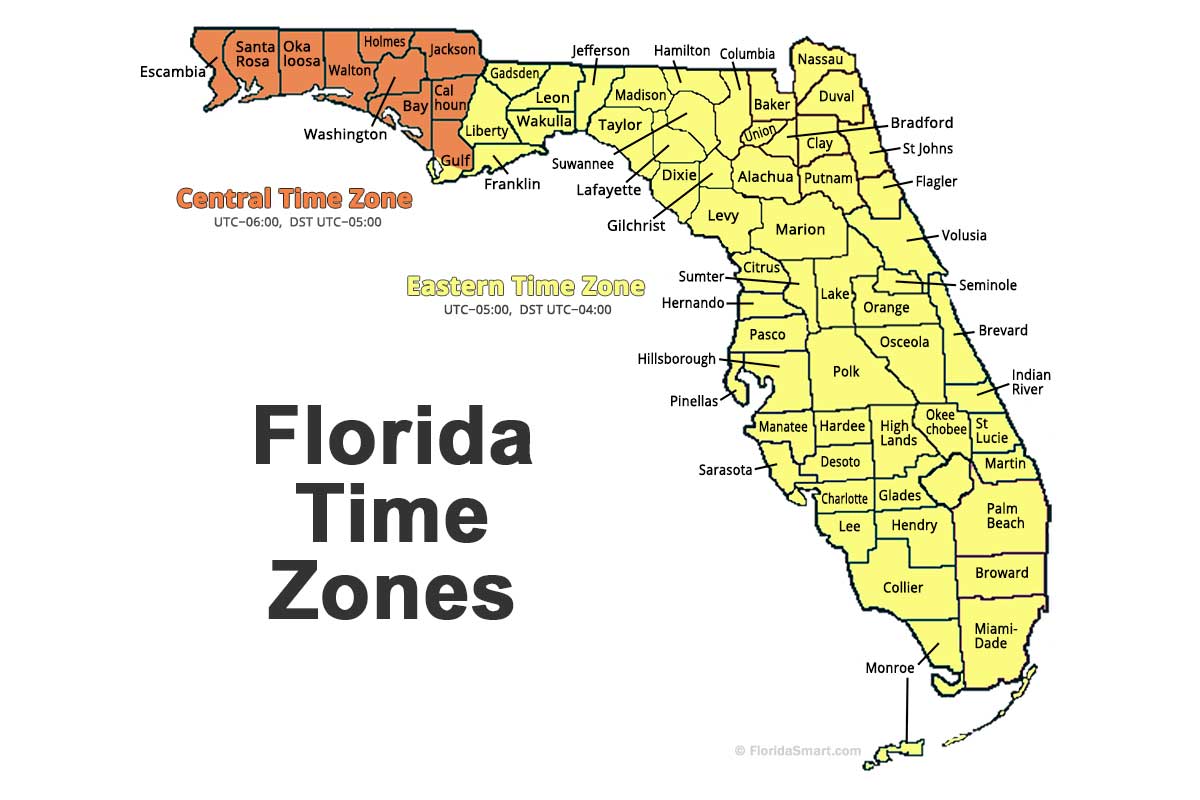
Decoding Pensacola’s Time Zone: Central Time (CT)
At its core, Pensacola’s position in the Central Time Zone dictates its daily rhythm. This time zone is observed by a significant portion of the central United States, from the Gulf Coast states like Louisiana, Mississippi, and Alabama up through states like Tennessee, Illinois, and Texas. Understanding the nuances of CST and CDT, and Pensacola’s geographical placement, illuminates why this coastal city ticks differently from its eastern counterparts.
The Basics: Central Standard Time (CST) and Central Daylight Time (CDT)
During the non-Daylight Saving Time months, typically from early November to mid-March, Pensacola operates on Central Standard Time (CST). This is defined as UTC Offset -6, meaning it is six hours behind Coordinated Universal Time. When Daylight Saving Time begins, usually on the second Sunday in March, the clocks “spring forward” one hour, shifting Pensacola to Central Daylight Time (CDT). CDT is UTC Offset -5, and this remains in effect until the first Sunday in November, when clocks “fall back” to CST.
This transition is crucial for travelers, particularly those crossing time zones. An hour difference might seem minor, but it can disrupt sleep patterns, impact arrival times for flights, and even cause missed appointments if not accounted for. For instance, if you’re flying from a city in the Eastern Time Zone to Pensacola during Daylight Saving Time, your flight might leave at 10:00 AM ET but land at 10:00 AM CT, effectively giving you an extra hour in your day. Conversely, if you’re flying east, you “lose” an hour. Being aware of these shifts is fundamental for accurate itinerary planning and a smooth travel experience.
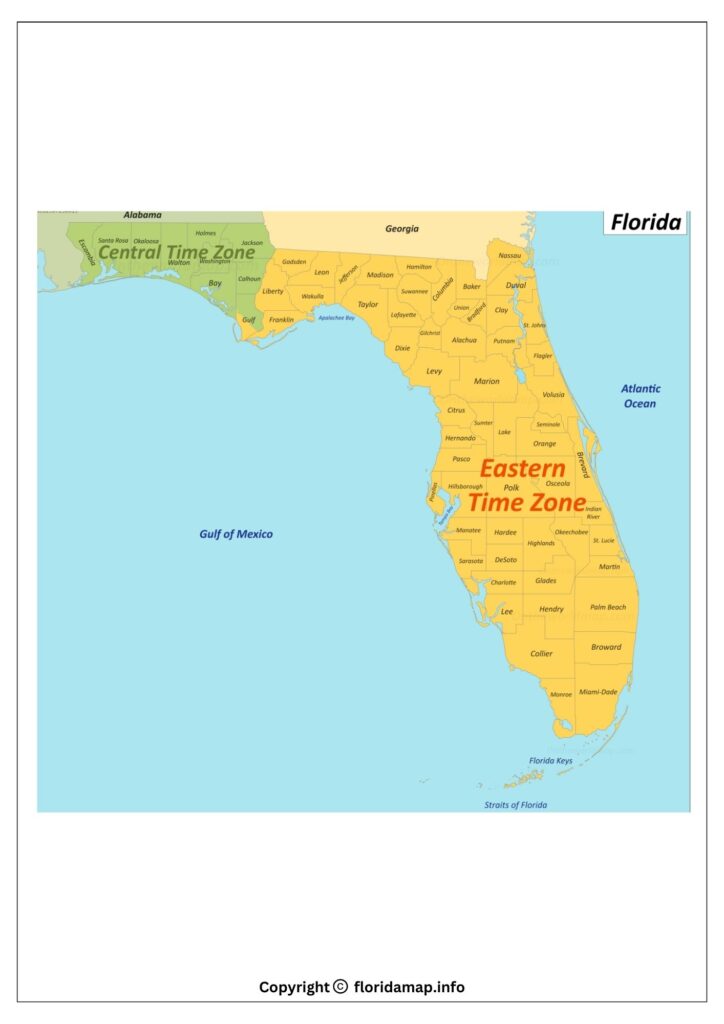
Where Pensacola Sits: The Florida Panhandle and Time Zone Borders
Pensacola’s location within the Florida Panhandle is key to its time zone status. The Florida Panhandle is the northwestern strip of the state, often feeling more akin to its deep Southern neighbors like Alabama and Mississippi than to the peninsula of Florida itself. Geographically, Pensacola is in Escambia County, which, along with several other western Panhandle counties, officially observes the Central Time Zone.
The time zone line in Florida is fascinating. It generally follows the Apalachicola River, meaning that counties west of the river, including Escambia County, Santa Rosa County, Okaloosa County, Walton County, Bay County, and part of Gulf County, are in the Central Time Zone. East of the river, the majority of the state shifts into the Eastern Time Zone. This unique geographical division means that a short drive eastward can literally put you an hour ahead in time! For visitors traveling along the Gulf Coast, especially from destinations like Destin or Panama City Beach (both in CT) towards Apalachicola or Mexico Beach (which straddle the line or are in ET), this time zone boundary is a tangible reality that requires attention.
The Broader Picture: Florida’s Dual Time Zones
Florida’s status as one of the few states in the United States to operate under two different time zones adds an intriguing layer to travel planning. While the vast majority of the state, including major metropolitan areas like Miami, Orlando, and Jacksonville, adheres to the Eastern Time Zone, the Florida Panhandle maintains its allegiance to Central Time Zone. This creates a distinct regional identity and practical considerations for both residents and tourists.
The East vs. The Panhandle: Eastern Time Zone vs. Central Time Zone
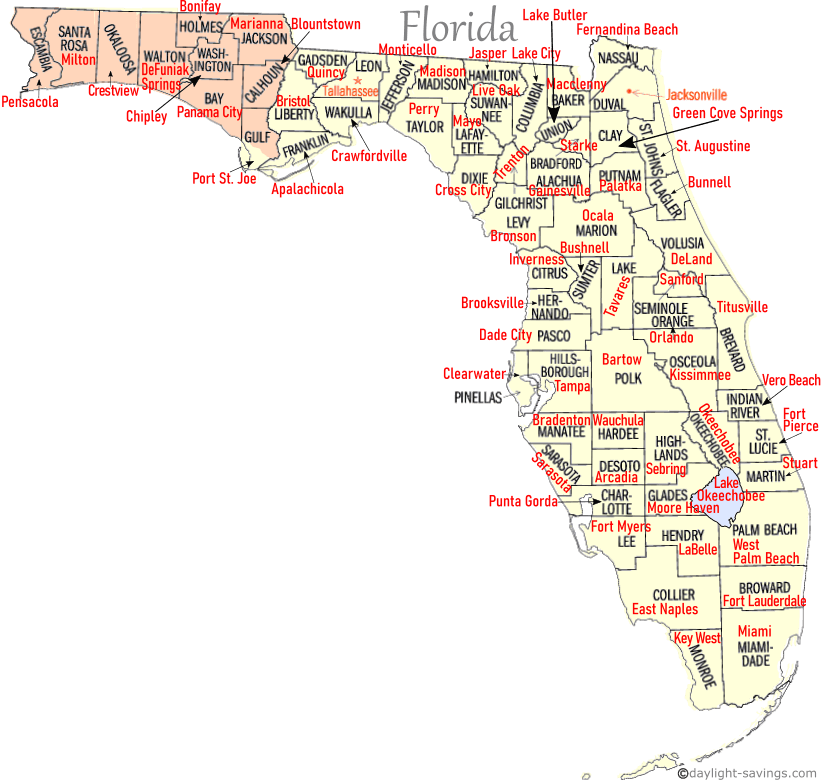
To be precise, the counties of Escambia County, Santa Rosa County, Okaloosa County, Walton County, and Bay County are entirely within the Central Time Zone. Gulf County is famously split, with the western portion (including Port St. Joe) in CT and the eastern portion (including Wewahitchka) in ET, with the Apalachicola River serving as the natural boundary. All counties east of Gulf County and the Apalachicola River are in the Eastern Time Zone.
This division has historical roots, primarily stemming from the patterns of settlement and economic ties. The Florida Panhandle historically had stronger connections to Alabama and Mississippi, states that are firmly in the Central Time Zone. Its isolation from the peninsula’s major population centers also played a role. For travelers traversing the state, this means being prepared to reset watches and mental clocks when crossing the Apalachicola River or heading south from Georgia (which is in ET) into the Panhandle.
Historical Context and Practical Implications
The dual time zone system in Florida has periodically sparked discussions about standardizing the state to a single time zone. Arguments often center on simplifying business operations, government coordination, and public convenience. However, the strong regional identities and practical ties to neighboring states have kept the current system in place.
From a practical standpoint, the implications are diverse. For businesses, especially those operating across the state, coordinating meetings and deadlines requires careful attention. For residents of the Panhandle with family or professional ties to eastern Florida, constant awareness of the one-hour difference is a daily reality. This extends to coordinating school schedules, medical appointments, and even calls to relatives. For tourists, it adds a layer of complexity that, while manageable, requires forethought. A flight from Miami to Pensacola might show a travel time of 1 hour and 30 minutes, but due to the time zone change, the clock on your phone will only show a 30-minute difference in local time between departure and arrival. Similarly, driving from Orlando to Pensacola will involve a shift backward in time, giving you an “extra” hour upon arrival.
Why Time Zones Matter for Your Pensacola Travel Experience
Beyond the simple fact of knowing the time, understanding Pensacola’s Central Time Zone is critical for optimizing your entire travel experience. From the moment you begin planning to the last minute of your departure, time zone awareness impacts logistics, scheduling, and your ability to fully immerse yourself in local activities.
Planning Your Pensacola Itinerary: Flights, Check-ins, and Attractions
Careful attention to the time zone can save you from missed flights, late check-ins, or arriving after an attraction has closed.
- Flights and Transportation: When booking flights into Pensacola International Airport, always confirm the arrival and departure times are listed in local time. If you have connecting flights, especially through hubs in different time zones, double-check that your layover times are sufficient after accounting for any time changes. For road trips, particularly those originating from Eastern Time Zone states or the majority of Florida, remember to adjust your estimated arrival time. GPS systems typically do this automatically, but it’s wise to be manually aware.
- Accommodation Bookings: Hotel check-in and check-out times are strictly adhered to in local time. If your itinerary involves an early morning arrival from an Eastern Time Zone flight, you might arrive an hour “earlier” than expected relative to your departure time, potentially allowing you to start your day sooner, but also potentially facing an earlier check-out on your departure day than you might anticipate if you leave early to an ET destination. Always confirm with your hotel or vacation rental. Major resorts like Hilton Pensacola Beach or Portofino Island Resort operate precisely on Central Time Zone schedules.
- Attraction Timings: Pensacola’s many attractions, from the pristine sands of Pensacola Beach and Navarre Beach to historical sites like the National Naval Aviation Museum and Historic Pensacola Village, all operate on Central Time Zone hours. If you’ve planned your day based on ET, you might arrive an hour late for a tour, a museum opening, or a scheduled beach activity. Always consult the official websites or call ahead to verify operating hours in local time.
Navigating Events and Local Schedules
Beyond daily attractions, understanding Pensacola’s time zone is crucial for participating in local events, making reservations, and enjoying the city’s vibrant lifestyle.
- Restaurant Reservations: Planning a special dinner at one of Pensacola’s acclaimed seafood restaurants? A reservation for 7:00 PM ET would actually mean 6:00 PM CT in Pensacola, potentially leading to a missed booking or an awkward early arrival. Always confirm your reservation time in the local Central Time Zone.
- Local Events and Festivals: Pensacola hosts numerous events throughout the year, from cultural festivals like Pensacola Mardi Gras to air shows featuring the Blue Angels, and concerts at the Pensacola Bay Center or Saenger Theatre. The published schedules for these events will always be in Central Time Zone. Arriving an hour early or late can impact your experience, from securing good seats to missing the start of a parade.
- Communicating with Home: For travelers coordinating with family, friends, or colleagues in other time zones (especially the Eastern Time Zone or further west), remembering the one-hour difference is key. A convenient 8:00 PM call to the East Coast would be 7:00 PM in Pensacola, but an 8:00 PM call from someone on the East Coast would arrive at 7:00 PM in Pensacola. This also applies to business travelers needing to connect with offices or clients.
To mitigate any confusion, travelers should always:
- Set their devices to automatically update time zones. Most smartphones and smartwatches will adjust upon arrival.
- Double-check all booking confirmations to ensure the times are for the correct local time zone.
- Use a world clock app to easily compare times with other locations.
- Communicate clearly with travel companions and local contacts, specifying “CT” when discussing times.
Beyond the Clock: Maximizing Your Visit to Pensacola
While navigating time zones is a practical necessity, it’s merely a backdrop to the incredible experiences awaiting you in Pensacola. Once you’ve mastered the clock, you’re free to dive into the rich tapestry of this historic city and stunning coastal environment.
Top Attractions and Activities in Pensacola
Pensacola offers a diverse array of attractions that cater to every interest, from history buffs and beach lovers to foodies and adventure seekers. The area boasts some of the most beautiful beaches in the United States, notably along Pensacola Beach and Perdido Key, which are part of the pristine Gulf Islands National Seashore. Here, visitors can indulge in swimming, sunbathing, paddleboarding, and kayaking in the emerald waters of the Gulf of Mexico.
History comes alive in Pensacola, known as “The City of Five Flags” due to its rich colonial past. A visit to Historic Pensacola Village offers a glimpse into centuries of history, with beautifully preserved homes and museums. Don’t miss Fort Barrancas, a meticulously restored brick fort offering panoramic views of Pensacola Bay, or the iconic Pensacola Lighthouse & Museum, where climbing to the top rewards you with breathtaking vistas. For aviation enthusiasts, the National Naval Aviation Museum is a must-see, featuring over 150 aircraft and often offering glimpses of the Blue Angels practicing.
Downtown Pensacola, particularly along Palafox Street, is a bustling hub of activity, offering an eclectic mix of art galleries, boutiques, live music venues, and a vibrant culinary scene. From fresh Gulf seafood to Southern comfort food and international flavors, Pensacola’s dining options are sure to satisfy any palate.
Accommodation and Dining in Pensacola
Pensacola offers a wide range of accommodation options to suit every budget and travel style, from luxurious beachfront resorts to charming boutique hotels and cozy vacation rentals. Travelers can choose to stay directly on Pensacola Beach at properties like the Hilton Pensacola Beach or the expansive Portofino Island Resort, offering direct access to the sand and stunning Gulf views. For those seeking a more urban experience, downtown Pensacola provides options within walking distance of historical sites, cultural attractions, and a lively nightlife. Many accommodations offer amenities like pools, spas, and on-site dining, ensuring a comfortable and convenient stay.
The dining scene in Pensacola is a highlight for many visitors. Given its coastal location, fresh seafood is a staple, with numerous restaurants serving up Gulf shrimp, oysters, snapper, and more, often with a Southern twist. Beyond seafood, the city boasts a diverse culinary landscape, from casual eateries and food trucks to upscale dining experiences, reflecting a blend of Southern charm and diverse influences. Remember, all restaurant operating hours and reservation times will be in Central Time Zone, so plan your gastronomic adventures accordingly.
Day Trips and Cross-Time Zone Adventures
Pensacola’s strategic location in the Florida Panhandle makes it an excellent base for day trips and exploring the wider Gulf Coast. Within the same Central Time Zone, you can easily visit neighboring coastal towns like Navarre Beach, Destin, and Panama City Beach to the east, or cross into Alabama to explore Orange Beach and Gulf Shores to the west, all without changing your watch.
For those adventurous enough to embrace the time zone shift, a journey east across the Apalachicola River opens up opportunities to experience the charming Forgotten Coast communities like Apalachicola and Mexico Beach, where you’ll gain an hour upon arrival. These trips require a bit more planning to account for the time change, but they offer a unique perspective on Florida’s diverse geography and culture.
In conclusion, while the simple answer to “What time zone is Pensacola, Florida?” is the Central Time Zone, the implications for travelers are far-reaching. By understanding this crucial detail and its impact on your itinerary, bookings, and local experiences, you can ensure a smooth, enjoyable, and fully optimized visit to this gem of the Florida Panhandle. So, set your clocks, pack your bags, and get ready to discover the timeless beauty and vibrant energy of Pensacola.
LifeOutOfTheBox is a participant in the Amazon Services LLC Associates Program, an affiliate advertising program designed to provide a means for sites to earn advertising fees by advertising and linking to Amazon.com. Amazon, the Amazon logo, AmazonSupply, and the AmazonSupply logo are trademarks of Amazon.com, Inc. or its affiliates. As an Amazon Associate we earn affiliate commissions from qualifying purchases.