
Florida, the Sunshine State, beckons millions of travelers each year with its dazzling beaches, thrilling theme parks, vibrant cities, and breathtaking natural wonders. But as you plan your dream getaway, a crucial question might arise: “What zone am I in Florida?” This seemingly simple query opens up a fascinating exploration into the state’s diverse facets, encompassing geographical regions, practical considerations for travel, and even lifestyle distinctions that shape your experience. Understanding these various “zones” is key to unlocking the perfect Florida adventure, ensuring you’re in the right place at the right time for your unique travel style.
From the laid-back Panhandle to the tropical Florida Keys, and from the bustling theme park capital of Orlando to the sophisticated shores of Palm Beach, Florida is a tapestry of distinct environments and experiences. This guide will help you decipher the different “zones” of Florida, providing invaluable insights for planning your itinerary, booking your accommodation, and immersing yourself in the local culture, whether you’re seeking luxury travel, a budget-friendly escape, or an unforgettable family trip.

Geographical and Tourism Zones: Discovering Florida’s Diverse Landscapes
When most travelers ask “What zone am I in Florida?”, they are often referring to the state’s distinct geographical and tourism regions. Florida is remarkably varied, offering everything from pristine white-sand beaches to sprawling wetlands and historic cities. Understanding these regional divisions is fundamental to choosing the destination that best aligns with your travel desires.
The Panhandle: Pristine Beaches and Southern Charm
Stretching along the Gulf Coast in the northwestern part of the state, the Florida Panhandle is renowned for its sugar-white sands and emerald green waters, earning it the nickname “Emerald Coast“. This region offers a distinct blend of Southern charm and stunning coastal beauty. Cities like Pensacola, Destin, and Panama City Beach are popular destinations, offering everything from bustling boardwalks and family-friendly attractions to serene stretches of the Gulf Islands National Seashore. Here, you can find a range of accommodations, from sprawling resorts and hotels with Gulf views to charming vacation rentals perfect for a long-term stay. The lifestyle here is generally more relaxed, focusing on beach activities, fresh seafood, and outdoor adventures like fishing and boating.
North Florida: Historic Cities and Natural Springs
Moving east from the Panhandle and extending towards the Atlantic coast, North Florida presents a different character. This zone is a treasure trove of history, natural springs, and a more temperate climate than its southern counterparts. Jacksonville, the state’s largest city by land area, offers a vibrant urban experience, while St. Augustine captivates visitors as America’s Oldest City, boasting centuries of Spanish colonial history, iconic landmarks, and unique architecture. Further inland, Gainesville is a lively college town surrounded by lush landscapes and natural springs perfect for swimming and kayaking. The St. Johns River, Florida’s longest river, also winds through this region, offering opportunities for boating and wildlife viewing. This zone is ideal for travelers interested in history, nature exploration, and a slightly cooler winter escape compared to South Florida.
Central Florida: The Theme Park Capital and Beyond
Undoubtedly the most famous “zone” for many, Central Florida is synonymous with world-class theme parks and family entertainment. Orlando stands as the epicenter, home to the magical Walt Disney World Resort, the thrilling Universal Orlando Resort, and numerous other attractions. Beyond the theme parks, cities like Tampa on the Gulf Coast offer a blend of urban sophistication, cultural attractions like Busch Gardens Tampa Bay, and beautiful beaches. The Kennedy Space Center Visitor Complex on the Space Coast provides an awe-inspiring glimpse into space exploration. This zone caters to families, adventure-seekers, and anyone looking for high-energy experiences. Accommodation options are vast, ranging from luxurious resorts with extensive amenities to budget-friendly hotels and vacation apartments, allowing travelers to compare and find the perfect fit for their stay.
Southwest Florida: Gulf Coast Sanctuaries and Island Escapes
Along the Gulf of Mexico, Southwest Florida offers a more tranquil and upscale experience, characterized by pristine beaches, abundant wildlife, and elegant communities. Destinations like Naples, Fort Myers, and Sarasota are celebrated for their natural beauty, cultural attractions, and sophisticated charm. The barrier islands of Sanibel Island and Captiva Island are famous for their shelling opportunities and untouched natural landscapes. Further south, the western edge of Everglades National Park provides unparalleled opportunities for eco-tourism and wildlife viewing. This zone appeals to those seeking relaxation, outdoor activities like golf and fishing, and a taste of refined coastal living, often featuring luxurious resorts and villas.
Southeast Florida: Glamour, Culture, and Coastal Cities
The Southeast Florida zone, stretching along the Atlantic coast, is a dynamic hub of culture, luxury, and vibrant nightlife. Miami stands as an international city, famous for its iconic South Beach, the colorful Art Deco Historic District, and a melting pot of Latin American and Caribbean influences. Fort Lauderdale, often called the “Venice of America” due to its extensive canal system, offers beautiful beaches and a lively arts scene. Further north, Palm Beach is synonymous with opulence, high-end shopping, and luxurious resorts. This zone is perfect for travelers seeking a vibrant social scene, diverse culinary experiences, art and culture, and upscale accommodations, from boutique hotels to grand resorts.
The Florida Keys: Tropical Paradise at the Southern Tip
At the southernmost tip of Florida, the Florida Keys offer a truly unique, bohemian, and tropical island experience. Connected by the scenic Overseas Highway, this chain of islands includes popular destinations like Key Largo, Islamorada, and the legendary Key West. The lifestyle here is distinctly laid-back, centered around watersports like diving, snorkeling, fishing, and sailing amidst stunning coral reefs. Key West offers a rich history, charming Victorian architecture, and attractions such as the Hemingway Home and Museum. This zone is ideal for those seeking an escape from the ordinary, with a focus on marine life, quirky local culture, and sunset celebrations. Accommodation ranges from charming guesthouses and boutique hotels to larger resorts.
Practical Zones for Travelers: Time, Climate, and Safety
Beyond geographical divisions, there are other crucial “zones” travelers need to be aware of when visiting Florida. These practical considerations can significantly impact your travel planning, from scheduling activities to ensuring your safety.
Florida’s Time Zones: Eastern vs. Central
A common question for anyone traveling across state lines is regarding time zones. Most of Florida operates on the Eastern Time Zone (ET). However, there’s a notable exception in the Florida Panhandle. Specifically, counties west of the Apalachicola River (which include Calhoun County, Bay County, Walton County, Holmes County, Washington County, Jackson County, Escambia County, Okaloosa County, and Santa Rosa County, as well as parts of Franklin County) observe the Central Time Zone (CT). This distinction is vital for travelers, especially when coordinating flights, hotel check-ins, or appointments. Always double-check the local time when moving between the Panhandle and the rest of the state to avoid any scheduling mishaps.
Hurricane and Evacuation Zones: Staying Safe in Storm Season
Florida is located in a region prone to tropical storms and hurricanes, particularly during the Atlantic hurricane season, which runs from June 1st to November 30th. For residents and visitors alike, understanding hurricane and evacuation zones is paramount for safety. Local emergency management agencies designate specific evacuation zones (often A, B, C, etc.) based on storm surge risk, not wind strength. These zones help authorities efficiently evacuate coastal and low-lying areas when a hurricane threatens.
As a traveler, knowing about these zones is crucial. If you plan to visit during hurricane season, it’s wise to:
- Know your zone: Familiarize yourself with the evacuation zone of your chosen destination and accommodation.
- Stay informed: Monitor local weather forecasts and official emergency announcements. Most hotels and resorts will have contingency plans and provide guidance to guests.
- Consider travel insurance: Policies that cover weather-related disruptions can provide peace of mind.
- Have a flexible plan: Be prepared for potential changes to your itinerary, including early departures or extended stays. Many accommodations offer flexible booking policies during these months.
USDA Plant Hardiness Zones: Understanding Florida’s Diverse Climates
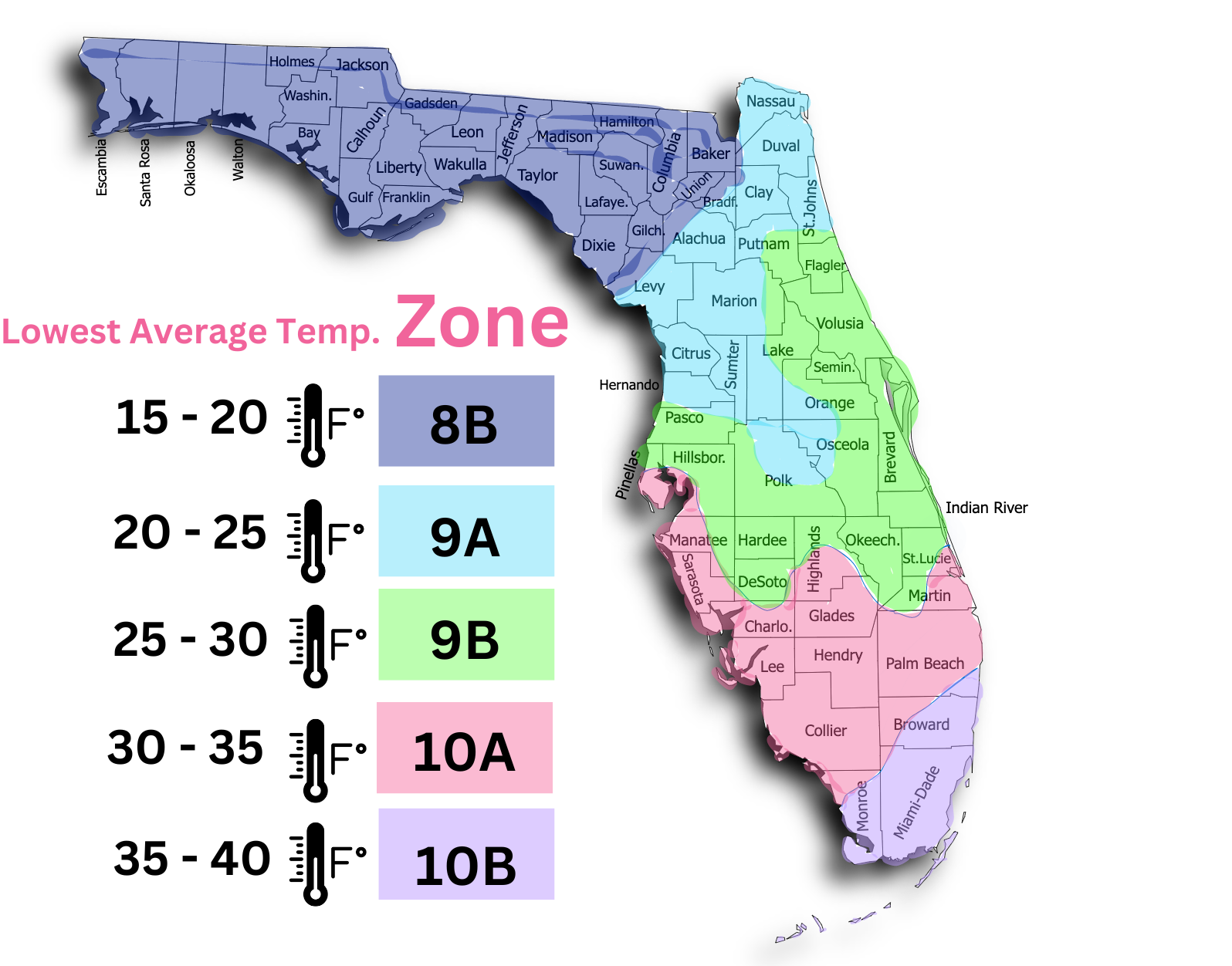
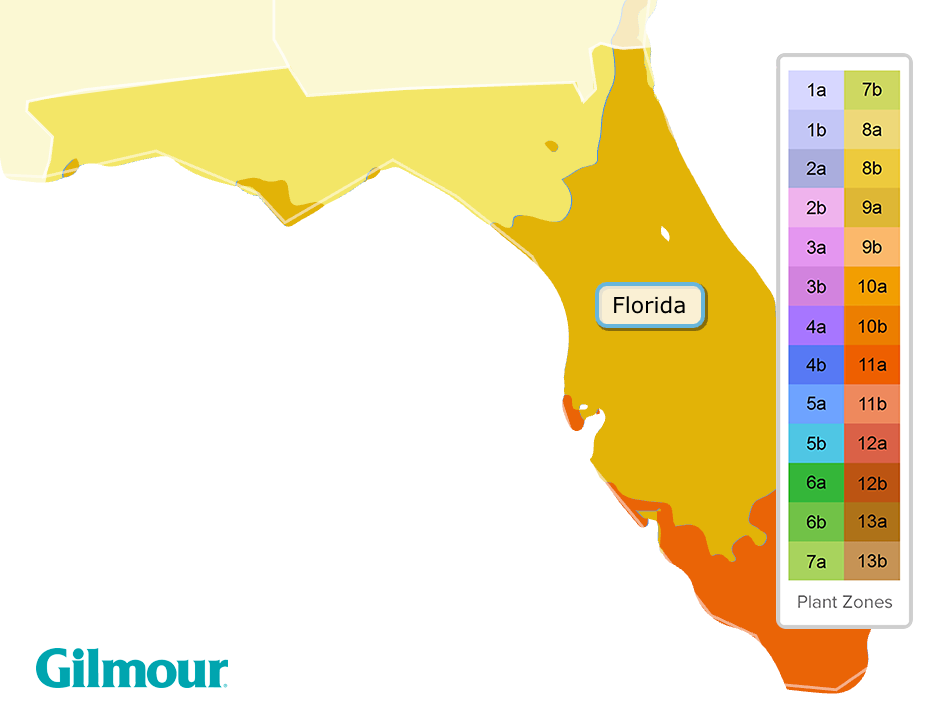
While primarily for gardening, the USDA Plant Hardiness Zones offer an excellent proxy for understanding the varied climates across Florida. These zones indicate the average annual extreme minimum winter temperature. Florida spans several zones, from 8b in parts of North Florida (experiencing occasional freezing temperatures) to a tropical 11a in the southernmost Florida Keys (where frost is extremely rare).
For travelers, this translates to:
- Different flora: Explains why you see palm trees thriving in Miami year-round, while Jacksonville might have more temperate deciduous trees and experience cooler winters.
- Activity considerations: The warmer, more stable climate of South Florida makes it ideal for watersports and beach activities even in winter, whereas North Florida might be better suited for hiking and exploring during milder seasons.
- Best travel times: If you’re sensitive to heat, understanding these zones can guide you to cooler parts of the state or inform your decision on the best time of year to visit specific regions.
Lifestyle Zones: Tailoring Your Florida Experience
Beyond geographical and practical distinctions, Florida also offers various “lifestyle zones,” catering to every type of traveler and desired experience. Whether you dream of opulent stays, thrilling family adventures, deep dives into nature, or budget-conscious explorations, Florida has a zone for you.
Luxury and High-End Zones
For those seeking the finer things in life, Florida boasts several zones synonymous with luxury. Palm Beach is legendary for its upscale resorts, designer boutiques on Worth Avenue, and exquisite dining experiences. Naples offers a sophisticated yet relaxed atmosphere with world-class golf courses, pristine beaches, and elegant hotels. In Miami, particularly on South Beach, you’ll find chic hotels, vibrant nightlife, and a high-fashion scene. These zones are perfect for luxury travel, offering premium accommodation options, gourmet food, and exclusive experiences.
Family-Friendly Adventure Zones
Florida is a paradise for families, with specific zones designed for unforgettable adventures. Orlando is the quintessential family destination, with its unparalleled collection of theme parks like Walt Disney World Resort and Universal Orlando Resort, as well as countless water parks and entertainment venues. Coastal areas like Panama City Beach and Fort Myers Beach offer kid-friendly beaches, watersports, and attractions. These zones provide a wide array of family-oriented hotels, resorts, and vacation rentals, often featuring amenities like kids’ clubs and multiple swimming pools, making family trips easy and enjoyable.
Nature and Eco-Tourism Zones
For nature lovers and eco-tourists, Florida’s diverse ecosystems offer unique exploration opportunities. The expansive Everglades National Park is a UNESCO World Heritage Site, offering airboat tours, wildlife viewing (including alligators!), and birdwatching across its vast wetlands. The Ocala National Forest provides opportunities for hiking, camping, and swimming in crystal-clear springs like Juniper Springs and Silver Glen Springs. Florida’s Springs in North Central Florida, such as Blue Spring State Park (a popular manatee viewing spot), are perfect for kayaking, snorkeling, and diving. These zones are ideal for those seeking outdoor activities, a connection with local nature, and perhaps more rustic accommodation options like cabins or camping.
Budget-Friendly Escape Zones
Traveling in Florida doesn’t always have to break the bank. There are plenty of budget-friendly escape zones and strategies. Exploring smaller towns away from major tourist hubs often yields more affordable hotels and dining. Utilizing Florida’s extensive network of state parks offers low-cost entry to stunning natural attractions and affordable camping options. Visiting less frequented beaches or traveling during the shoulder seasons (spring and fall, outside of major holidays) can significantly reduce costs on flights and accommodation. Opting for self-catering apartments or villas can also save on food expenses, allowing travelers to enjoy the Sunshine State without overspending.
Ultimately, “What zone am I in Florida?” is a question with many answers, each revealing a different facet of this incredible state. By understanding its geographical regions, practical considerations like time and safety, and the various lifestyles it caters to, you can make informed decisions that transform your trip from good to extraordinary. Whether you’re chasing thrills in Orlando, unwinding on a pristine Panhandle beach, or exploring the historic streets of St. Augustine, Florida offers a diverse array of zones waiting to be discovered. Plan wisely, explore boldly, and prepare for an unforgettable journey through the heart of the Sunshine State.
LifeOutOfTheBox is a participant in the Amazon Services LLC Associates Program, an affiliate advertising program designed to provide a means for sites to earn advertising fees by advertising and linking to Amazon.com. Amazon, the Amazon logo, AmazonSupply, and the AmazonSupply logo are trademarks of Amazon.com, Inc. or its affiliates. As an Amazon Associate we earn affiliate commissions from qualifying purchases.