
Planning a trip to Orlando, Florida, often dubbed the “Theme Park Capital of the World,” brings with it a myriad of exciting decisions. From selecting the perfect Walt Disney World Resort hotel to deciding which thrilling rides at Universal Orlando Resort to conquer, every detail contributes to an unforgettable experience. However, one fundamental aspect that can significantly influence your entire travel plan and on-the-ground enjoyment is often overlooked in the initial excitement: the weather. Understanding [Orlando]’s climate patterns isn’t just about packing appropriate attire; it’s about optimizing your itinerary, choosing suitable accommodation, and embracing the local lifestyle to ensure a seamless and magical visit.
[Florida], known as the Sunshine State, generally conjures images of endless sunny days and balmy temperatures. While this idyllic picture holds true much of the time, [Orlando]’s specific subtropical climate comes with its own nuances across the seasons. As a premier destination for global tourism, whether you’re a family seeking adventure, a couple on a romantic getaway, or a business traveler, knowing what to expect from the skies above [Orlando] is paramount. This comprehensive guide delves into the specifics of [Orlando]’s weather year-round, offering insights to help you plan the perfect trip, regardless of when you decide to visit this enchanting city in the United States.Unpacking Orlando’s Climate: A Year-Round Perspective
[Orlando]’s climate is officially classified as humid subtropical, characterized by hot, humid summers and warm, mild winters. This classification largely dictates the rhythm of life and tourism in the city. Unlike many other major travel destinations that experience distinct four-season changes with dramatic temperature swings, [Orlando]’s variation is primarily in temperature and humidity levels, with a pronounced wet season and a drier period.Sunshine State Stereotypes: Fact vs. Fiction
The “Sunshine State” moniker isn’t just a marketing slogan; it’s a reflection of [Florida]’s high number of sunny days. [Orlando], in particular, boasts an impressive average of 230 days of sunshine per year. This abundant sun is a major draw for tourists seeking to escape colder climates, and it’s a key factor in the outdoor-centric nature of most [Orlando] attractions. However, the stereotype sometimes overlooks the reality of afternoon thunderstorms, especially during the summer months. These aren’t typically all-day washouts but rather intense, brief downpours that clear up quickly, often leaving behind a refreshing coolness and vibrant skies. Understanding this distinction is crucial for visitors, as it means planning indoor activities for late afternoons or simply bringing a light rain jacket.
The Subtropical Scoop: Defining Orlando’s Weather
The “humid” aspect of [Orlando]’s subtropical climate means that while temperatures can be high, the air often carries a significant amount of moisture. This is especially true in the summer, where the combination of heat and humidity can make it feel even hotter. The Atlantic Ocean and Gulf Coast, while not directly adjacent to landlocked [Orlando], significantly influence its weather patterns, contributing to the humidity and providing the moisture for those summer storms. This makes hydration and sun protection non-negotiable for anyone visiting, especially when spending long days at outdoor [landmarks] like Epcot or Universal Studios Florida. The good news is that most resorts and attractions are well-equipped to handle this climate, with ample air conditioning and shaded areas.
Seasonal Breakdown: Planning Your Orlando Adventure
Understanding the weather by season is vital for tailoring your [Orlando] experience, from booking flights and accommodations to packing your suitcase and scheduling your days. Each season offers a distinct flavor of [Orlando], impacting crowd levels, pricing, and the types of activities that are most enjoyable.
Winter Wonders (December – February): Mild & Magical
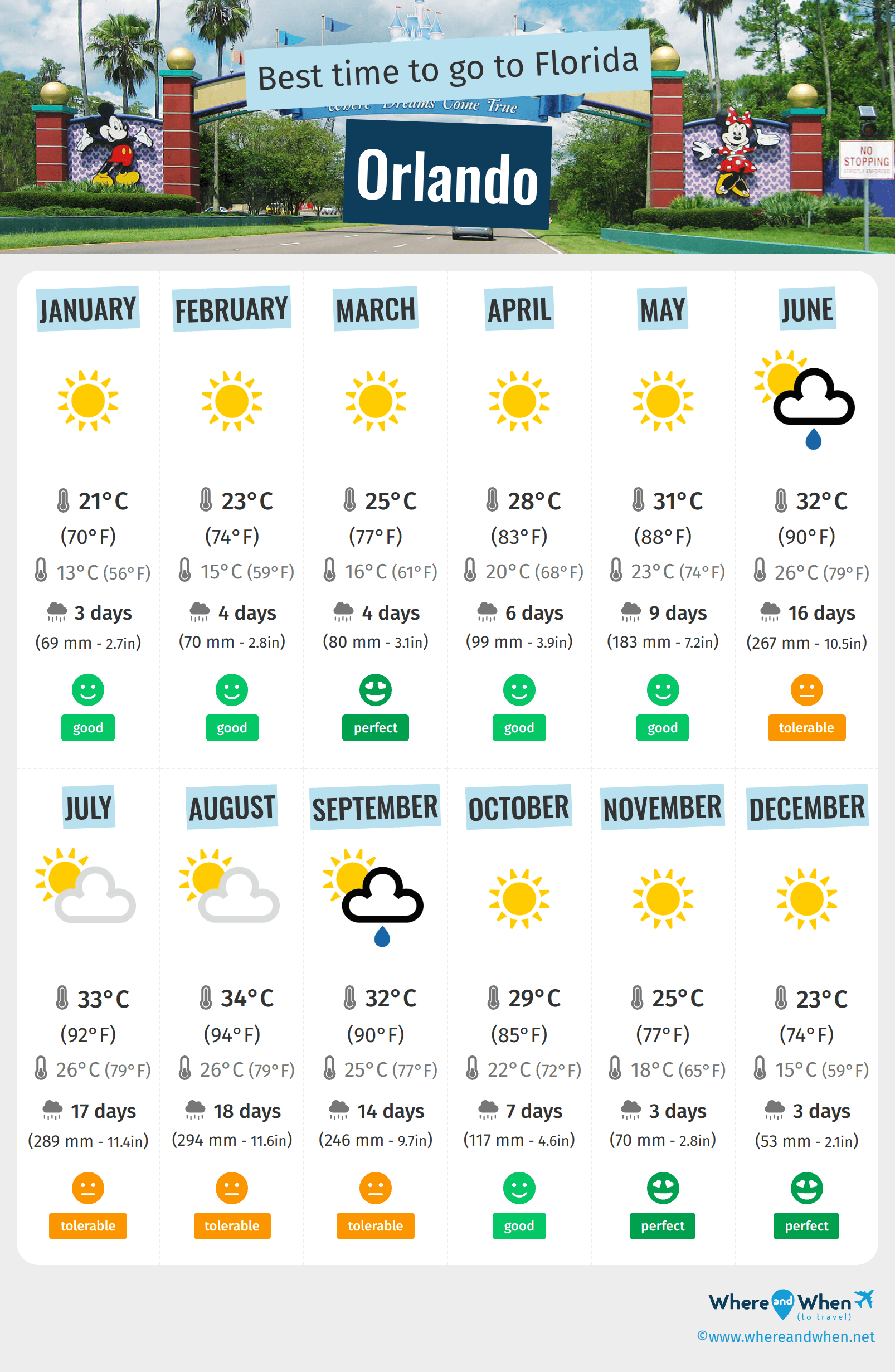
Winter in [Orlando] is arguably the most pleasant time for many visitors, especially those escaping colder climes. Average high temperatures range from the low to mid-70s Fahrenheit (21-24°C), with lows in the 50s F (10-15°C). Humidity is relatively low, and rainfall is minimal. This makes for ideal conditions for exploring outdoor attractions without the intense heat.
- Travel & Tourism: This is a peak season, particularly around holidays like Christmas and New Year’s, and during school breaks. The mild weather is perfect for long days at Magic Kingdom, Animal Kingdom, or SeaWorld Orlando. You can comfortably walk through Disney Springs or Universal CityWalk in the evenings.
- Hotels & Accommodation: Expect higher hotel rates and fuller resorts. Booking well in advance is crucial, especially if you’re looking for specific suites, villas, or resorts with particular amenities. Many accommodations will have heated pools, which are a welcome luxury after a day of exploration.
- Lifestyle: This season is ideal for families with young children and anyone sensitive to heat. It’s also a popular time for luxury travel, with many seeking festive holiday experiences or a mild escape from winter. Budget travelers might find better deals in early December or late January/early February, outside of major holiday weeks.
Spring’s Sweet Spot (March – May): Perfect Park Weather
Spring in [Orlando] continues the trend of beautiful weather, gradually transitioning from mild to warmer temperatures. Highs typically range from the mid-70s to high 80s F (24-31°C), with humidity slowly increasing but still manageable. Rainfall remains relatively low compared to summer.
- Travel & Tourism: Spring break periods in March and April bring significant crowds, but May often sees a dip before the summer rush. The weather is fantastic for theme parks, water parks like Volcano Bay, and outdoor activities. It’s also a great time to visit attractions like the Kennedy Space Center Visitor Complex or explore downtown [Orlando] at Lake Eola Park.
- Hotels & Accommodation: Like winter, spring break periods command higher prices for resorts and suites. However, late April and May can offer slightly better value. Look for accommodations with excellent pool areas, as the weather is perfect for swimming and sunbathing.
- Lifestyle: This is a fantastic time for all types of travelers, from families to couples. The comfortable temperatures allow for extended outdoor enjoyment, making it ideal for those who prioritize park experiences and outdoor dining.
Summer Sizzles (June – August): Heat, Humidity, and Afternoon Showers
Summer in [Orlando] lives up to [Florida]’s reputation for heat and humidity. Highs consistently reach the low 90s F (32-34°C), and humidity levels are very high, making the “feels like” temperature even warmer. This season is also the wettest, with daily afternoon thunderstorms being a common occurrence. These storms are usually brief but intense, offering a temporary reprieve from the heat.
- Travel & Tourism: Despite the heat, summer is a major peak season due to school holidays. Visitors should plan park visits for mornings and evenings, utilizing air-conditioned indoor attractions or water parks during the hottest parts of the day. Be prepared for rain with ponchos or umbrellas. Attractions like Discovery Cove become incredibly popular.
- Hotels & Accommodation: Resorts and hotels are typically full, and prices are often at their peak. Ensure your accommodation has excellent air conditioning and a fantastic pool area. Opting for a resort with a lazy river or an extensive water park can be a lifesaver.
- Lifestyle: Summer is prime time for family trips, embracing water-based activities, and enjoying extended park hours. Business travelers might find it less ideal for outdoor networking, but conference facilities are always climate-controlled. Budget travelers might find some deals in late August as school starts to resume.
Autumn’s Appeal (September – November): Cooling Down for Festivities
Autumn in [Orlando] brings a welcome cooldown and a decrease in humidity, especially as October progresses. September can still feel quite summery, with highs in the high 80s F (31°C) and continued afternoon showers. However, by October and November, highs drop to the mid-70s to low 80s F (24-29°C), and the air becomes noticeably drier.
- Travel & Tourism: This is a fantastic shoulder season, especially from mid-September through November. Crowds are generally lighter than summer, and the weather becomes increasingly pleasant. It’s a popular time for special events like [Epcot]’s Food & Wine Festival or Halloween Horror Nights at Universal’s Islands of Adventure.
- Hotels & Accommodation: Hotel prices often become more reasonable, making it an excellent time for budget-conscious travelers or those looking for more luxury for their dollar. Many resorts begin to transition their decor for fall and winter holidays, adding to the ambiance.
- Lifestyle: Ideal for couples, foodies, and those who enjoy a festive atmosphere without the extreme summer heat. Family trips can also be very enjoyable during this period, with comfortable temperatures for exploring.
Beyond the Forecast: How Weather Shapes Your Orlando Trip
Understanding [Orlando]’s climate is just the first step. The real art of planning lies in how you use that knowledge to enhance your travel experience, ensuring comfort, convenience, and maximum enjoyment.
Packing Smart for Every Season
Your packing list will vary significantly based on the season.
- Year-Round Essentials: Sunscreen (SPF 30+), hats, sunglasses, comfortable walking shoes, light layers, and a refillable water bottle are non-negotiable. The [Florida] sun is strong year-round.
- Summer: Light, breathable fabrics (cotton, linen), swimsuits, and rain gear (poncho or compact umbrella) are a must. Bring multiple changes of clothes due to humidity and potential showers.
- Winter: While mild, evenings can be cool. Pack a light jacket, sweater, or hoodie, especially for late-night park visits or outdoor dining. Long pants will also be more comfortable.
- Spring/Autumn: Layers are key. You might start your day in a light jacket, shed it by midday, and put it back on in the evening. Swimsuits are still relevant for hotel pools.
Adapting Activities: Indoor Fun and Water Park Bliss
[Orlando]’s attractions are designed to be enjoyed in various weather conditions. On hot summer days, prioritize indoor shows, air-conditioned queues, and dining experiences during the peak heat (typically 1 PM – 4 PM). Water parks like LEGOLAND Florida Resort’s water park or [Volcano Bay] at [Universal Orlando Resort] offer refreshing escapes. For those inevitable afternoon thunderstorms, consider exploring The Mall at Millenia for some retail therapy, catching a movie, or enjoying one of the many indoor attractions at ICON Park on International Drive. During cooler winter months, outdoor experiences like airboat tours or exploring natural parks become more appealing.Accommodation Choices: Air Conditioning and Poolside Retreats
The importance of climate-controlled accommodation cannot be overstated in [Orlando]. Every reputable hotel, suite, and resort will offer air conditioning, but ensure it’s effective, especially during summer. A resort with a fantastic pool area, perhaps with a lazy river or a splash pad for kids, can transform your trip from merely enduring the heat to embracing it as part of the fun. Consider properties that offer suites or apartments, which provide more space and often kitchenettes, allowing you to prepare light meals and escape the midday sun. For long-term stays, villas with private pools offer unparalleled comfort and privacy. Always check reviews for comments on room temperature and comfort.
Making the Most of Any Weather in Orlando
Regardless of when you visit, [Orlando] offers an abundance of activities. The key is to be prepared and flexible, allowing the weather to guide, rather than dictate, your itinerary.
Navigating Peak Seasons and Off-Peak Perks
Weather often correlates with crowd levels and pricing. Peak seasons (mid-winter holidays, spring break, summer) bring larger crowds and higher prices, often coinciding with desirable weather or school holidays. During these times, planning meticulously, using mobile ordering for food, and taking advantage of early park entry or extended evening hours can help mitigate crowds. Off-peak times, such as late January, May (before Memorial Day), and most of September and October, often combine pleasant weather with fewer crowds and better deals on hotels and flights, providing a more relaxed and budget-friendly experience.
Weather-Proofing Your Theme Park Experience
Theme parks are at the heart of the [Orlando] experience. During summer, dress in quick-drying clothes, hydrate frequently, and take advantage of indoor shows and attractions. Many rides at Hollywood Studios or [Universal Studios Florida] are indoors, offering a cool respite. During the brief afternoon storms, don’t rush for the exit; instead, find an indoor show, ride, or restaurant. Often, the parks clear out significantly after a rain shower, leaving you with shorter lines. In cooler months, bring layers, and consider starting your day a little later to let the morning chill dissipate. Even during winter, the sun is strong, so continue to use sunscreen.
Enjoying Local Culture and Culinary Delights Rain or Shine
[Orlando] is more than just theme parks. Its diverse culture and culinary scene thrive regardless of the weather. On a rainy day, explore the numerous indoor entertainment complexes, museums, or the vibrant food scene. From fine dining on [International Drive] to casual eateries in [Winter Park], there’s always something delicious to discover. Many of the city’s best restaurants are indoors, offering a comfortable atmosphere to enjoy local flavors. Historical excursions to nearby St. Augustine or a day trip to the beaches of Cocoa Beach or Daytona Beach can also be tailored to the forecast, with indoor activities available even at coastal destinations.Conclusion: Your Ultimate Orlando Weather Guide
The weather in [Orlando], [Florida], is generally warm and sunny, contributing significantly to its allure as a top travel destination. However, a nuanced understanding of its humid subtropical climate, particularly the seasonal variations in temperature, humidity, and precipitation, empowers visitors to plan a truly optimal trip. Whether you prefer the mild, dry winters, the pleasant spring, the vibrant but warm summers, or the comfortable autumn, [Orlando] offers unique experiences throughout the year. By packing smart, choosing appropriate accommodations, and embracing flexibility in your itinerary, you can ensure that the weather enhances, rather than hinders, your magical [Orlando] adventure. From the moment you land at Orlando International Airport until your departure, being prepared for the weather will allow you to fully immerse yourself in all the wonders this incredible city has to offer.
LifeOutOfTheBox is a participant in the Amazon Services LLC Associates Program, an affiliate advertising program designed to provide a means for sites to earn advertising fees by advertising and linking to Amazon.com. Amazon, the Amazon logo, AmazonSupply, and the AmazonSupply logo are trademarks of Amazon.com, Inc. or its affiliates. As an Amazon Associate we earn affiliate commissions from qualifying purchases.