
For many, Florida evokes images of pristine beaches, thrilling theme parks, and vibrant cultural scenes. It’s a premier destination for travelers seeking diverse experiences, from the magic of Orlando to the Art Deco allure of Miami. Yet, beyond the allure of tourism, the Sunshine State is also a dynamic community where civic engagement plays a crucial role in shaping the very environment that attracts millions each year. Whether you’re a long-term visitor considering a more permanent stay, a snowbird enjoying extended periods in warmer climes, or a resident deeply invested in your community, understanding the mechanics of voting in Florida is an essential aspect of living an informed and engaged lifestyle.
Your ability to cast a ballot in Florida isn’t just a political right; it’s a powerful tool that directly influences the policies, infrastructure, and unique charm that make this state such a beloved travel destination. From the funding of local parks and historical preservation efforts to the development of transportation networks and environmental protection laws, voter decisions ripple through every facet of the Florida experience. For those passionate about sustainable tourism, maintaining high-quality accommodations, or ensuring the preservation of the state’s natural landmarks, knowing “when can I vote in Florida?” becomes a question of personal impact and community stewardship. This comprehensive guide will demystify the process, exploring eligibility, registration, key dates, and how your participation in democracy can help shape your lifestyle and travel adventures in the Sunshine State.
Understanding Your Civic Privileges in the Sunshine State
Engaging with the local democratic process in Florida begins with understanding the fundamental criteria for participation. While the state is renowned for its welcoming atmosphere for visitors, the right to vote is reserved for a specific segment of its population, underscoring the distinction between temporary enjoyment and long-term civic responsibility. For many who fall in love with Florida during their travels and consider making it their home, grasping these requirements is the first step toward becoming a fully integrated member of the community and having a say in its future. This civic engagement is not just about political power; it’s about investing in the quality of life, the beauty of the surroundings, and the efficiency of the services that make Florida such an attractive place to live and visit.
Who is Eligible to Vote in Florida?
To be eligible to vote in Florida, you must meet several key criteria, primarily focused on citizenship, age, and residency. These requirements are standard across the United States but have specific applications within Florida law.
First and foremost, you must be a citizen of the United States. This means possessing a birth certificate from the United States or having successfully completed the naturalization process through agencies like the U.S. Citizenship and Immigration Services. This foundational requirement ensures that the democratic process is guided by those with a permanent stake in the nation’s future.
Secondly, you must be at least 18 years old. While you can pre-register to vote when you are 16 years old, you cannot cast a ballot until you have reached the age of majority. This age requirement acknowledges a level of maturity and understanding deemed necessary for informed decision-making in the electoral process.
Finally, and perhaps most crucially for travelers and those considering relocation, you must be a legal resident of Florida and of the county in which you intend to register. The concept of “legal residency” in Florida for voting purposes generally means that you consider Florida your permanent home and intend to return to it whenever you are away. This is often evidenced by actions such as obtaining a Florida driver’s license, registering your vehicle in the state, establishing bank accounts, or filing taxes from a Florida address. For many snowbirds or those who own property in multiple states, establishing Florida as their primary residence is a deliberate choice with implications not only for voting but also for tax purposes and other legal matters, reflecting a deep commitment to a Florida lifestyle. Certain past criminal convictions, particularly felony convictions, may impact eligibility, though Florida has specific laws, outlined in the Florida Statutes, allowing for the restoration of voting rights for most felons who have completed all terms of their sentence, including parole or probation.

The Importance of Voter Registration
Once eligibility is confirmed, the next critical step is voter registration. This administrative process is what formally adds your name to the official list of eligible voters in your county, allowing you to cast a ballot in elections. The importance of registration cannot be overstated; without it, even the most eligible citizen cannot participate.
Florida offers several convenient methods for voter registration, aligning with modern lifestyle flexibility. You can register online through the Florida Department of State website, which simplifies the process for those comfortable with digital platforms. Traditionalists or those preferring a tangible record can register by mail using a printable form, ensuring accessibility for all demographics. Furthermore, the Motor Voter Act allows individuals to register to vote when applying for or renewing their driver’s license at any Florida Department of Highway Safety and Motor Vehicles office. This integrated approach highlights the state’s commitment to making civic participation as seamless as possible, reflecting a focus on community convenience that also benefits tourists accessing state services.
Crucially, there are strict deadlines for voter registration. To be eligible to vote in any given election, you must be registered at least 29 days before that election. This deadline is essential for county Supervisor of Elections offices to process applications, verify eligibility, and prepare accurate voter rolls. Missing this deadline means you will be unable to vote in that specific election, regardless of your eligibility. For those who frequently travel or have dynamic schedules, setting reminders or opting for online registration well in advance can prevent missed opportunities to influence local policies, from beachfront development to funding for arts and culture initiatives in cities like St. Augustine or Key West. Establishing your voter registration is a definitive step in integrating into the community and actively participating in shaping the unique identity and future of your chosen Florida locale.
Navigating Florida’s Election Calendar and Voting Methods
Once you’re registered, the next step in active civic participation is knowing when and how to cast your ballot. Florida’s election calendar is dynamic, featuring a mix of federal, state, and local contests that occur at different intervals. For residents, particularly those who embrace a mobile lifestyle or are often away for travel, understanding these cycles and the available voting methods is key to ensuring their voice is heard. The way elections are structured and conducted directly impacts local governance, which in turn influences everything from urban planning in Tampa to the preservation of natural wonders in the Everglades – issues that resonate deeply with both residents and visitors who appreciate Florida’s unique appeal.
Key Election Dates and Cycles
Florida participates in the full spectrum of American elections, each with its own significance and schedule.
- Presidential Elections: Held every four years, these elections determine the President and Vice President of the United States. While national in scope, the outcomes significantly affect federal funding for state programs, tourism initiatives, and even international travel policies that impact Florida’s economy.
- Midterm Elections: Occurring in the middle of a President’s term (every two years), these elections typically decide seats in the U.S. House of Representatives, one-third of the U.S. Senate, and numerous state-level offices, including the Governor of Florida, state legislators, and cabinet members. These races are particularly impactful for state-specific issues, such as environmental regulations, educational funding, and infrastructure projects like road improvements and airport expansions in Jacksonville or Miami, all of which are crucial for a thriving tourism industry.
- Local Elections: These often occur in odd-numbered years or alongside state/federal elections, depending on the municipality. They cover mayoral races, city council members, school board representatives, county commissioners, and various ballot initiatives. Local elections have the most direct and tangible impact on daily life and the visitor experience. Decisions made at this level affect everything from zoning laws that determine hotel development, public safety services crucial for tourist areas, and local taxes that can influence the cost of accommodation and attractions. For instance, a local vote might decide funding for a new public park, the renovation of a historic district, or regulations on short-term vacation rentals, directly shaping the local culture and offerings that make a destination unique.
- Primary Elections: Before general elections, Florida holds primary elections, usually in August of even-numbered years, to determine which candidates from each party will appear on the general election ballot. These are crucial opportunities to influence who will represent your interests from the outset.
Staying informed about these dates, which are publicly available through your county’s Supervisor of Elections office and the Florida Department of State, is paramount. Many offices offer email or text alerts, making it easier for residents, especially those with busy travel schedules, to mark their calendars.
Diverse Ways to Cast Your Ballot
Florida offers several convenient and secure methods for casting your vote, catering to various preferences and ensuring broad participation, even for those with an active lifestyle that includes frequent travel.
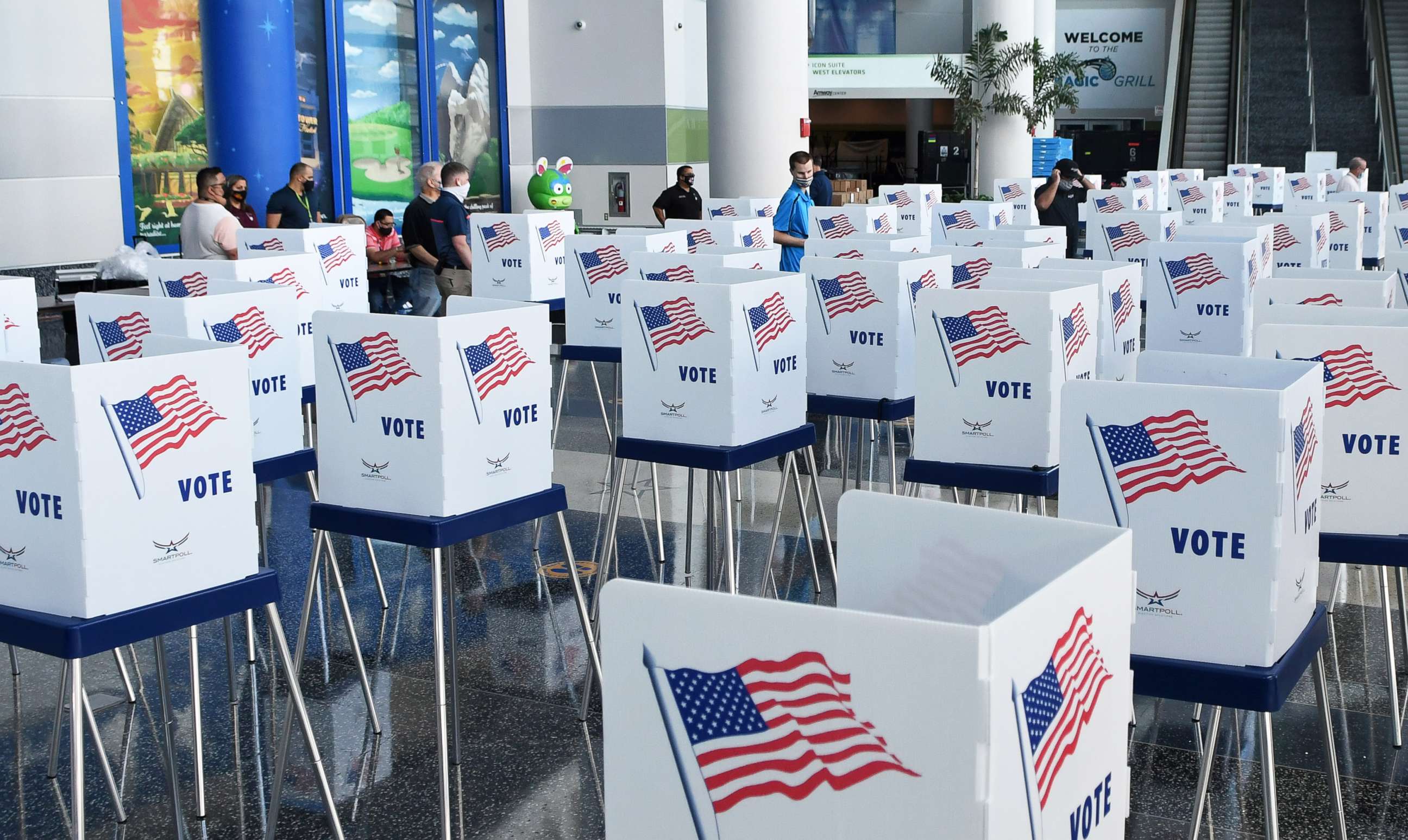
- Voting on Election Day: The traditional method involves visiting your assigned polling place on Election Day. Polls are typically open from 7 AM to 7 PM. This method offers a sense of community and the direct experience of participating in democracy. Your polling place information is usually sent to you via mail or can be easily found on your county’s Supervisor of Elections website.
- Early Voting: For those who prefer to avoid crowds or have scheduling conflicts on Election Day, Florida offers early voting. This period typically begins 10 to 15 days before Election Day and ends a few days prior. During early voting, registered voters can cast their ballot in person at designated early voting sites within their county. These sites are often conveniently located at libraries, community centers, or government buildings, offering flexible hours. Early voting is an excellent option for business travelers or families on vacation who want to ensure their vote is counted without impacting their plans.
- Vote-by-Mail (Absentee Voting): This method provides the utmost flexibility, allowing registered voters to receive their ballot by mail and return it via postal service, secure drop box, or in person to the Supervisor of Elections office. Any registered voter can request a vote-by-mail ballot, and a request can cover all elections for the next two general election cycles. This is particularly beneficial for snowbirds, students studying abroad, military personnel, or anyone who might be traveling outside their county or state during an election. It ensures that even if you’re exploring the Panhandle or on an international trip, your civic duty can still be fulfilled. Ballots must be received by the Supervisor of Elections by 7 PM on Election Day to be counted.
Each method offers security measures to protect the integrity of the vote. By providing these diverse options, Florida aims to accommodate the varied lifestyles of its residents, ensuring that participation in democracy is accessible to all eligible citizens, regardless of their commitments or travel plans.
The Broader Impact of Your Vote: Shaping Florida’s Future (and Your Travel Experience)
While the act of voting may seem like a singular event, its repercussions are far-reaching, particularly in a state as economically and environmentally diverse as Florida. Your vote is a direct investment in the future quality of life for residents and the continued appeal of Florida as a world-class travel destination. From the sparkling waters of the Atlantic Ocean and the Gulf of Mexico to the vibrant urban cores and historical districts, every aspect of the Florida experience is, to some degree, shaped by the decisions made by elected officials and through ballot initiatives. Understanding this profound connection can transform the abstract concept of civic duty into a tangible commitment to the places and experiences you cherish.
How Local Politics Influence Tourism and Attractions
The health and vibrancy of Florida’s tourism industry are intricately linked to local and state political decisions. When you vote, you contribute to electing leaders who make critical choices about:
- Infrastructure Development: Roads, bridges, public transportation systems, and airport expansions – like those serving Orlando or Miami – are often funded by state and local budgets approved by elected officials or through specific bond measures put to voters. A well-maintained infrastructure ensures seamless travel for tourists heading to Disney World, Universal Studios, or the Kennedy Space Center, enhancing their overall experience.
- Environmental Protection: Florida’s natural beauty is its greatest asset. Votes on conservation funding, land acquisition for state parks, water quality regulations, and coastal protection measures directly impact the pristine condition of beaches, the health of marine ecosystems, and the survival of unique habitats like the Everglades. These environmental protections are vital for eco-tourism and for maintaining the allure of destinations across the state.
- Promotion and Marketing: State and local tourism boards, like Visit Florida, receive funding that is often subject to legislative appropriations. Your vote for officials who champion tourism helps ensure that Florida continues to attract visitors from around the globe, supporting local businesses, hotels, and attractions.
- Cultural and Historical Preservation: Many of Florida’s unique destinations, such as St. Augustine with its rich history, rely on local government support for the preservation of historical sites and the promotion of cultural events. Your vote can help elect leaders committed to safeguarding these invaluable landmarks and experiences.
Your Vote’s Role in Accommodation and Lifestyle
The impact of your vote extends directly to the quality and availability of accommodation options and the overall lifestyle enjoyed by residents and long-term visitors.
- Zoning and Development: Local planning and zoning boards, whose members are often elected or appointed by elected officials, determine where hotels, resorts, apartments, and villas can be built. They influence density, height restrictions, and the type of amenities available, directly affecting the landscape of cities like Tampa or Jacksonville. Your input through voting can help shape whether an area develops into a sprawling resort complex or maintains a quaint, boutique charm.
- Public Services and Safety: The efficiency of public services – from waste management to emergency response – impacts cleanliness, safety, and the overall guest experience in hotels and resorts. Funding for these services comes from local taxes, which are approved by elected officials or through voter-approved referendums. A vote for responsible governance translates into a cleaner, safer, and more enjoyable environment for everyone.
- Tourism Taxes and Local Economies: Many Florida counties collect a “resort tax” or “tourist development tax” on short-term rentals, including hotels and vacation homes. The allocation of these funds, often decided by county commissioners or state legislators, can go towards promoting tourism, improving local infrastructure, or supporting cultural facilities. Your vote influences who decides how these significant revenues are spent, directly affecting the local economy and the visitor experience.
Protecting Florida’s Natural Wonders and Landmarks
Beyond the immediate economic impacts, your vote is a vital tool for the long-term protection of Florida’s irreplaceable natural wonders and cherished landmarks.
- Conservation Initiatives: Ballot measures or legislative actions often propose funding for conservation lands, restoration projects for fragile ecosystems like the Everglades or Busch Gardens’ wildlife programs, and the establishment of new state parks. Your vote can secure the future of these unique environments for generations to come, ensuring that Florida remains a prime destination for nature lovers and adventurers.
- Water Resources: As a peninsula surrounded by the Atlantic Ocean and the Gulf of Mexico, Florida’s water resources are paramount. Votes on water management districts, water quality standards, and aquifer protection directly influence the health of rivers, springs, and coastal waters – all critical for recreational activities like swimming, fishing, and boating, which are central to the Florida lifestyle.
- Historic Preservation: Across Florida, from the forts of St. Augustine to the vibrant architecture of Miami’s Art Deco district, historic landmarks are protected by local ordinances and state funding. Elected officials can champion policies that safeguard these sites, ensuring they remain accessible and preserved for their educational and cultural value, enriching the travel experience for all.
In essence, deciding “when can I vote in Florida?” is more than just marking a calendar; it’s an opportunity to actively participate in the stewardship of a state cherished by millions. Whether you’re drawn to its sun-kissed beaches, thrilling attractions, or vibrant communities, your engagement in the democratic process ensures that the Florida you love today will continue to thrive for future travelers and residents alike.
LifeOutOfTheBox is a participant in the Amazon Services LLC Associates Program, an affiliate advertising program designed to provide a means for sites to earn advertising fees by advertising and linking to Amazon.com. Amazon, the Amazon logo, AmazonSupply, and the AmazonSupply logo are trademarks of Amazon.com, Inc. or its affiliates. As an Amazon Associate we earn affiliate commissions from qualifying purchases.