
The allure of California, with its sun-drenched beaches, towering redwoods, bustling cities, and serene deserts, draws millions of travelers each year. From the iconic landmarks of Los Angeles and San Francisco to the natural wonders of Yosemite National Park and the vibrant culture of San Diego, the Golden State offers an unparalleled array of experiences. For anyone planning a journey to this diverse and expansive state, a fundamental question often arises: “What time zone is California in?” The answer is simple yet crucial for seamless travel planning: California observes the Pacific Time Zone (PT).
Understanding the intricacies of the Pacific Time Zone – including its standard and daylight saving variations – is not merely a matter of curiosity; it’s an essential piece of information that profoundly impacts every aspect of a traveler’s itinerary. From managing jet lag upon arrival and coordinating hotel bookings to scheduling tours, dining reservations, and connecting with loved ones back home, the time zone dictates the rhythm of your California adventure. This guide delves into everything you need to know about California’s time zone, offering insights and practical tips to ensure your trip is as smooth and enjoyable as possible, aligning perfectly with the themes of travel, accommodation, tourism, and lifestyle that define the ultimate travel experience.
Understanding Pacific Time (PT) and Its Impact on Travel
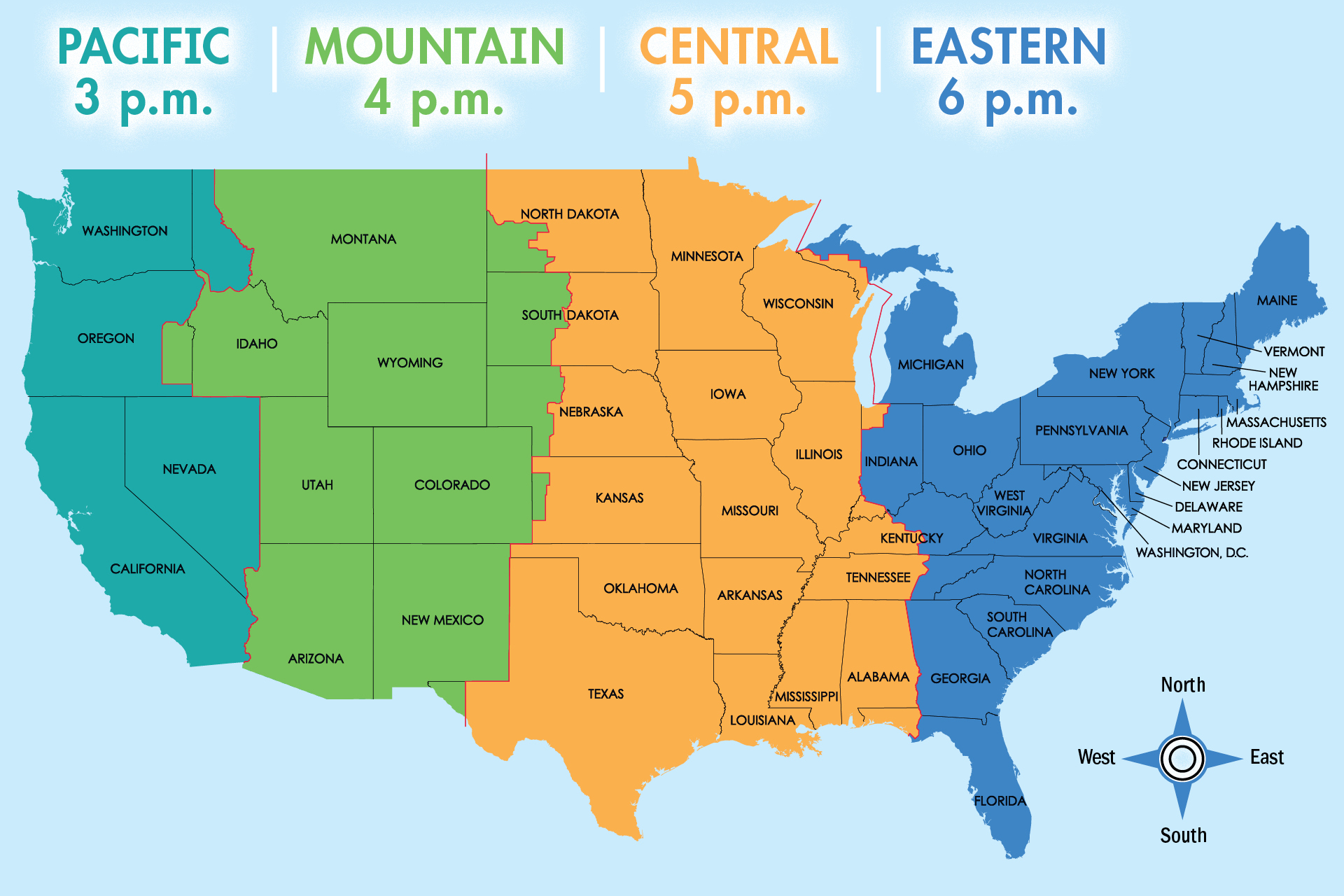
The Pacific Time Zone is a geographical region that observes a uniform standard time. Its influence extends beyond California, covering western regions of North America. For travelers, knowing how PT operates is the first step toward a well-organized and stress-free journey.
The Basics: PST vs. PDT
The Pacific Time Zone primarily operates under two designations throughout the year:
- Pacific Standard Time (PST): This is observed during the fall and winter months. PST is UTC-8, meaning it is eight hours behind Coordinated Universal Time (UTC).
- Pacific Daylight Time (PDT): This is observed during spring and summer due to Daylight Saving Time (DST). PDT is UTC-7, making it seven hours behind UTC.
In the United States, Daylight Saving Time typically begins on the second Sunday in March, when clocks “spring forward” one hour, and ends on the first Sunday in November, when clocks “fall back” one hour. This seasonal adjustment means that during your visit, depending on the time of year, you might experience either PST or PDT.
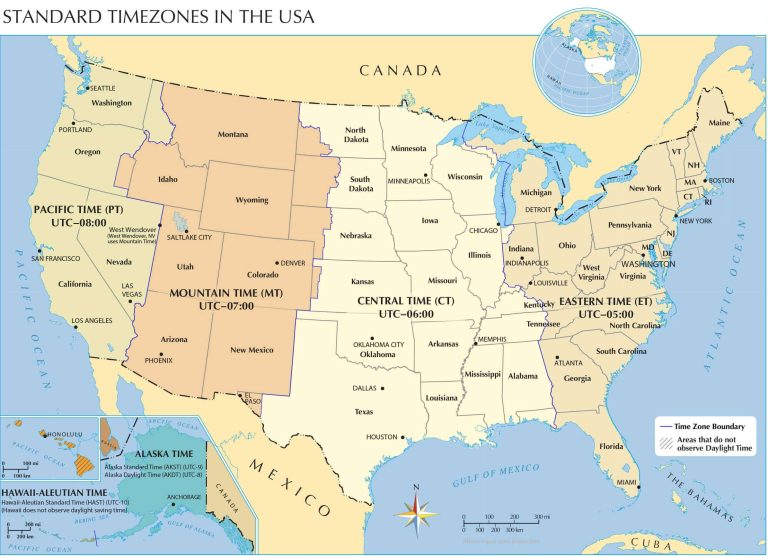
Beyond California, other states and regions also observe Pacific Time, including most of Nevada and Oregon, and Washington, along with parts of Idaho, Canada, and Mexico. While there has been ongoing discussion and legislative efforts in California to potentially abolish Daylight Saving Time, as of now, the state continues to observe the biannual clock change. For travelers, this means always verifying the current local time upon arrival and ensuring all devices are set to update automatically.
The Jet Lag Factor: Navigating Cross-Country and International Arrivals
For many travelers, particularly those arriving from distant time zones, the shift to Pacific Time can introduce the unwelcome phenomenon of jet lag. The difference can be significant:
- East Coast (Eastern Time): A three-hour difference (e.g., 3 PM EST is 12 PM PST).
- Central Time: A two-hour difference.
- Mountain Time: A one-hour difference.
- International Travel: Much larger differences, often 8-12+ hours for destinations in Europe or Asia.
Jet lag can manifest as fatigue, disorientation, sleep disturbances, and digestive issues, potentially impacting the first few days of your vacation. However, with a few strategic approaches, you can minimize its effects:
- Pre-Adjust: Start shifting your sleep schedule by an hour or two each day in the days leading up to your trip, aligning closer to California time.
- Hydrate: Drink plenty of water before, during, and after your flight to combat dehydration, which can worsen jet lag symptoms.
- Embrace Sunlight: Upon arrival, expose yourself to natural sunlight, especially in the morning. Sunlight helps regulate your body’s natural circadian rhythm. Take a stroll along Santa Monica Beach or explore the early morning markets in San Francisco.
- Strategic Flight Times: If possible, choose flights that arrive in California in the afternoon, allowing you to have dinner and go to bed at a reasonable local hour.
- Initial Accommodation: Consider booking a comfortable hotel or resort that allows for relaxation and easy adjustment. Many hotels like the Fairmont San Francisco or the Waldorf Astoria Beverly Hills offer excellent amenities conducive to recovery from travel, such as spas and quiet rooms. A luxury travel experience can often soften the blow of jet lag.
Planning Your California Itinerary: Time Zone Considerations for Destinations & Activities
The beauty of California lies in its diverse offerings, from theme parks and bustling city life to serene natural landscapes. Each experience, however, operates strictly on Pacific Time, and a good understanding of this will enhance your travel logistics.
Synchronizing with Iconic California Attractions
When planning visits to California’s myriad attractions, every scheduled activity, from opening hours to show times, will adhere to Pacific Time.
- Theme Parks: Disneyland Park in Anaheim and Universal Studios Hollywood in Los Angeles open their gates early. For travelers from the East Coast, these early mornings might feel like a natural start due to the time difference, allowing you to be among the first in line and maximize your time. However, remember that your body might still be on its previous time, making late evenings harder.
- Performances and Shows: Catching a concert at the Hollywood Bowl, a Broadway show in San Francisco, or a late-night comedy club means you’ll be operating on the local clock. A 7 PM show might feel like 10 PM to someone from New York City, so plan your pre-show dining and energy levels accordingly.
- National Parks and Outdoor Activities: When exploring vast natural landmarks like Yosemite National Park or the magnificent Redwood National Park, understanding local sunrise and sunset times (in Pacific Time) is crucial for planning hikes, photography sessions, or guided tours. A sunrise hike at Half Dome will demand an extremely early local start. Always check the local park services for specific timings for optimal safety and enjoyment.
- Dining Reservations: California’s culinary scene is world-renowned. Booking reservations at popular restaurants, whether in Beverly Hills, Napa Valley, or La Jolla, will always be in Pacific Time. Avoid any confusion by double-checking confirmation emails and setting reminders to local time.
Business Travel and Remote Work in the Golden State
For those traveling to California for business or digital nomads enjoying an extended stay, the time zone difference introduces a layer of complexity for professional life. California is a hub for technology, entertainment, and innovation, attracting many business travelers.
- Meeting Coordination: If your colleagues are based on the East Coast, a 9 AM EST meeting means a very early 6 AM start for you in California. Conversely, an afternoon meeting in California might run late into the evening for your counterparts. Tools like world clock apps and diligent calendar management are indispensable.
- Productivity Window: The time difference can work both ways. Early risers in California can often enjoy a few hours of uninterrupted work before the East Coast business day even begins. This offers a unique advantage for focusing on deep work or personal projects.
- Client Management: When dealing with clients or partners in different time zones, clear communication about availability and response times is paramount. Ensuring your communication strategy accounts for these differences will maintain professionalism and efficiency.
- Long-Term Stays: For those considering extended stays or remote work from California, perhaps in an apartment or villa booked through a long-term accommodation provider, establishing a routine that respects both local time and your remote work obligations is key to a balanced lifestyle.

Accommodation and Logistics: Booking Smart in the Pacific Time Zone
When it comes to booking hotels, resorts, or other forms of accommodation, every detail, from check-in to airport transfers, is anchored in the local Pacific Time Zone. Precision in understanding these timings is crucial for a smooth arrival and departure.
Hotels and Check-in/Check-out Times
All timings provided by hotels, whether a bustling downtown San Francisco hotel, a serene Napa Valley resort, or a budget-friendly motel along Highway 1, are based on local Pacific Time.
- Standard Check-in/Check-out: Typically, check-in is around 3 PM or 4 PM PT, and check-out is by 11 AM or 12 PM PT. If you are arriving early in the morning from the East Coast, your body might feel like it’s mid-afternoon, making the wait for your room seem longer.
- Early Check-in/Late Check-out: If your flight schedule dictates an early arrival or a late departure, inquire about the possibility of early check-in or late check-out when you book your accommodation. Many hotels, especially luxury properties or those frequented by business travelers, may offer this service for an additional fee or as a perk for loyalty members. Booking an extra night, especially for very early arrivals, can sometimes be a worthwhile investment for immediate access to your room and proper rest.
- Hotel Amenities: Be mindful of the operating hours for hotel amenities like breakfast service, fitness centers, pools, or spa appointments. A 7 AM breakfast will be 7 AM Pacific Time, which might feel like 10 AM if you’re still mentally on Eastern Time.
- Booking Platforms: When using accommodation booking platforms, always confirm that the times displayed for availability, special offers, or cancellations are clearly stated as local Pacific Time. This eliminates any potential discrepancies that could arise from different system defaults.
Communication and Connectivity for a Seamless Experience
Beyond hotel logistics, the time zone affects almost all aspects of connectivity and external coordination during your trip.
- Device Settings: The simplest and most effective tip is to ensure your smartphone, smartwatch, and other electronic devices are set to automatically update their time zone. This prevents any manual errors and keeps you in sync with local time.
- Coordinating with Home: When calling or messaging family and friends outside of California, remember the time difference. A quick call in the evening from California could be well past bedtime for loved ones on the East Coast or in Europe.
- Transportation Schedules: All flight departure and arrival times, train schedules, and rental car pickup/drop-off times will be listed in local Pacific Time. Double-check these to avoid missing a flight or reservation, particularly for connecting flights or if crossing into other time zones (e.g., from Nevada’s Mountain Time portion).
- Emergency Contacts: Keep in mind the time difference when noting emergency contacts or travel assistance numbers. If you need to reach them, consider their local time.
- Travel Insurance: Policies related to flight delays, cancellations, or other time-sensitive claims will always refer to the local time of the event. Understanding this can be critical if you ever need to file a claim.
Embracing the California Lifestyle, in Time
California’s lifestyle is often romanticized, synonymous with sunshine, outdoor activities, and a laid-back attitude. While the pace might seem relaxed, every activity unfolds within the confines of the Pacific Time Zone. Embracing this local rhythm is key to fully experiencing the Golden State.
From Sunrise Surfing to Sunset Dinners
The Pacific Time Zone shapes the daily routine and cultural experiences of California.
- Morning Rituals: The early morning hours often see surfers catching waves at Malibu or Huntington Beach, hikers hitting the Griffith Park trails in Los Angeles, and yoga enthusiasts welcoming the day with sun salutations. For visitors struggling with jet lag, these early starts can actually align perfectly with an internal clock still set to an earlier time zone, allowing you to experience California mornings like a local.
- Afternoon Delights: The afternoon offers wine tasting tours in Sonoma or Napa Valley, exploring museums like the Getty Center, or strolling through the diverse neighborhoods of San Francisco. These activities are timed for maximum enjoyment under the pleasant California sun.
- Evening Experiences: California comes alive in the evening with exquisite dining experiences, vibrant nightlife, and breathtaking sunsets. Whether you’re enjoying a gourmet meal overlooking the Pacific Ocean in Carmel or catching a show in Hollywood, remember that these evening events in Pacific Time might feel quite late to your body’s internal clock if you’re coming from afar. Adapting to the local dinner schedule (which can be later than in other parts of the United States) is part of immersing yourself in the California lifestyle.
Seasonal Considerations: Daylight Hours and Activities
The transition between Pacific Standard Time and Pacific Daylight Time significantly impacts the amount of daylight available, influencing the planning of outdoor activities and overall tourism experiences.
- Summer (PDT): During Pacific Daylight Time from spring through early fall, California enjoys extended daylight hours. This means more time for exploring beaches, hiking trails, outdoor dining, and evening excursions. Long, golden evenings are perfect for capturing stunning photographs or enjoying al fresco meals. Travelers often plan summer trips to take full advantage of this extra light for sightseeing and outdoor adventures.
- Winter (PST): In the winter months under Pacific Standard Time, days are shorter, with earlier sunsets. This might mean adjusting your itinerary to start activities earlier in the day to make the most of the daylight. However, shorter days also bring unique charm, like cozy evenings by a fireplace in a mountain lodge or experiencing California’s holiday festivities under twinkling lights.
Understanding these seasonal shifts in daylight, along with the consistent rhythm of Pacific Time, allows you to better plan your visit, ensuring that your chosen activities align with the available light and your preferred pace. Whether it’s a family trip to a theme park, a romantic escape to a coastal resort, or an adventurous journey through the state’s national parks, aligning with the local time is a small but mighty detail that elevates the entire experience.
In conclusion, California is firmly situated in the Pacific Time Zone, transitioning between PST and PDT with the seasons. For every traveler, from the casual tourist to the seasoned business professional, a thorough understanding of this time zone is indispensable. It impacts everything from combating jet lag and booking accommodations to scheduling your day’s adventures and staying connected with the outside world. By embracing the rhythm of Pacific Time and incorporating these practical tips into your travel planning, you’re not just adjusting your clock; you’re setting the stage for an unforgettable and seamless experience in the magnificent Golden State.
LifeOutOfTheBox is a participant in the Amazon Services LLC Associates Program, an affiliate advertising program designed to provide a means for sites to earn advertising fees by advertising and linking to Amazon.com. Amazon, the Amazon logo, AmazonSupply, and the AmazonSupply logo are trademarks of Amazon.com, Inc. or its affiliates. As an Amazon Associate we earn affiliate commissions from qualifying purchases.