
The question “When is the next hurricane in Florida?” is one that naturally arises for any traveler planning a trip to the Sunshine State, especially during certain times of the year. While no one can predict the precise timing or path of a future storm, understanding Florida’s hurricane season, its historical patterns, and effective preparedness strategies can transform potential anxiety into informed planning. Florida remains one of the world’s premier travel destinations, offering everything from theme park thrills at Walt Disney World Resort and Universal Orlando Resort to the pristine sands of Miami Beach and the unique ecosystems of Everglades National Park. Its vibrant cities like Orlando, Miami, Tampa, and Key West draw millions of visitors annually, making it essential for tourists to understand how weather phenomena, particularly tropical storms and hurricanes, might intersect with their travel plans.
This article delves into the realities of hurricane season, not to deter your travel but to empower you with the knowledge and tools to plan a safe, enjoyable, and flexible Florida vacation. We’ll explore the official season, peak months, the impact on various travel sectors – from flights and hotels to attractions and cruises – and provide actionable advice on booking accommodation, securing travel insurance, and staying informed. Whether you’re considering a luxurious stay at a Marriott International resort, an adventurous trip through the Florida Keys, or a family-friendly escapade to Central Florida’s theme parks, being prepared is key to navigating the potential challenges and still making the most of your adventure.
Understanding Florida’s Hurricane Season: What Travelers Need to Know
For travelers considering a visit to Florida, understanding the dynamics of hurricane season is the first step toward smart planning. While the thought of a hurricane might seem daunting, it’s crucial to remember that these events are relatively infrequent, and most of the season passes without significant impact. However, being informed allows you to make decisions that minimize risk and maximize enjoyment.
The Calendar of Storms: Peak Months and Beyond
Florida’s hurricane season officially runs from June 1st to November 30th each year. This six-month window covers a period when conditions in the Atlantic Ocean, Caribbean Sea, and Gulf of Mexico are most conducive to tropical cyclone formation. However, it’s not a uniform threat throughout these months. Historically, the season tends to ramp up in intensity during the latter half, with the peak months typically falling between mid-August and late October. This period accounts for the majority of named storms and hurricane landfalls.
For instance, September is statistically the most active month for hurricane activity in the Atlantic basin. This doesn’t mean every September day will bring a storm, but rather that the atmospheric and oceanic conditions are most favorable for development during this time. Early season storms in June and July are less common, often forming closer to the United States coast or in the western Caribbean, and typically tend to be weaker. Late-season storms in November are also less frequent but can still occur. When planning your trip, particularly to coastal areas like Miami Beach, Fort Lauderdale, Sarasota, Naples, or the Florida Keys, being aware of these peak months is particularly important. Inland destinations, such as Orlando, while not immune, generally face different risks, primarily heavy rainfall and wind, rather than storm surge.

The Unpredictable Nature of Tropical Systems
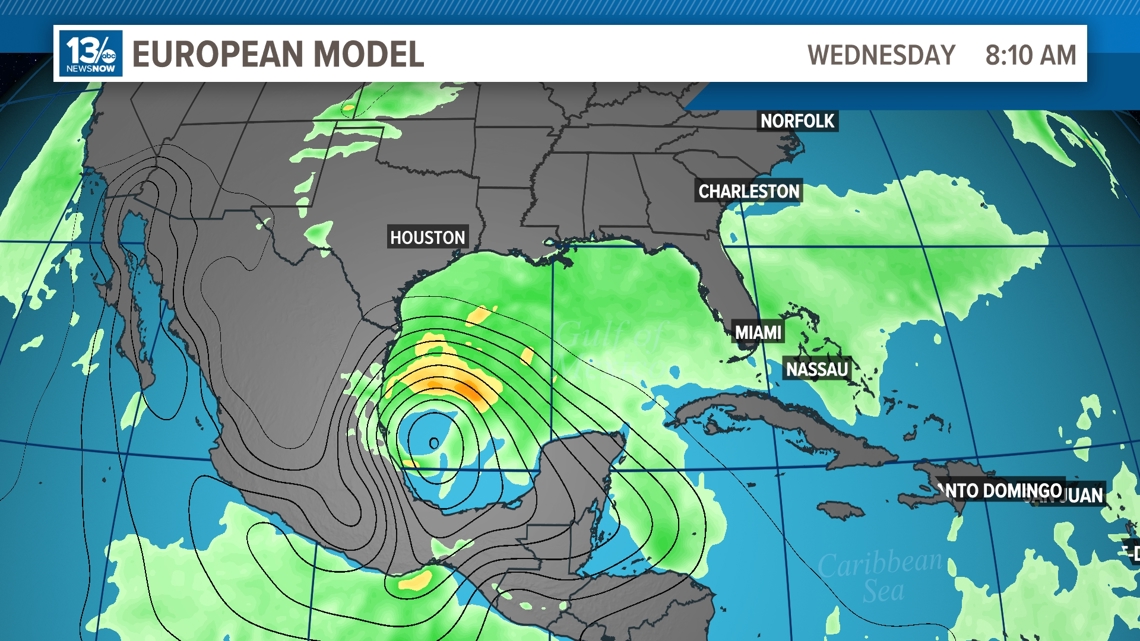
One of the biggest challenges in planning around hurricanes is their inherent unpredictability. While meteorologists at the National Hurricane Center employ advanced technology and models to track and forecast storms, tropical systems can rapidly intensify, change direction, or dissipate. A storm that looks like a minor threat on Monday could become a major hurricane by Wednesday. This rapid evolution means that last-minute changes to travel plans are sometimes unavoidable.
Past hurricanes like Hurricane Irma in 2017, Hurricane Michael in 2018, and Hurricane Ian in 2022 serve as powerful reminders of the potential for widespread impact, affecting everything from international airports like Miami International Airport and Orlando International Airport to cruise ports such as PortMiami and Port Canaveral. However, it’s equally important to note that many hurricane seasons pass with minimal direct impact on the state. Travelers shouldn’t necessarily cancel a trip if it falls within hurricane season, but rather plan with flexibility and stay vigilant about weather forecasts. The unpredictability underscores the value of travel insurance, flexible booking options, and a proactive approach to monitoring weather developments as your departure date approaches and throughout your stay.
Navigating Your Florida Trip: Impact on Travel, Hotels, and Experiences
A looming hurricane, or even the threat of one, can significantly impact various facets of a Florida vacation. Understanding these potential disruptions is vital for any traveler planning their dream getaway, ensuring they can mitigate risks and make informed decisions about their itinerary and accommodation.
Safeguarding Your Itinerary: Flights, Cruises, and Attractions
Hurricanes can have a cascading effect on transportation and leisure activities across Florida. Air Travel is often among the first to be affected. Major hubs like Orlando International Airport (MCO), Miami International Airport (MIA), and Tampa International Airport (TPA) may experience delays, cancellations, or even temporary closures as a storm approaches. Airlines prioritize passenger and crew safety, often preemptively canceling flights to and from affected regions. Travelers should closely monitor their airline’s advisories and consider booking flights with flexible change policies when traveling during hurricane season.
Cruise Lines operating from Florida’s bustling ports, including PortMiami, Port Canaveral, and Port Everglades in Fort Lauderdale, also face significant disruptions. Ships may alter itineraries, skip ports of call, or even cancel sailings entirely to avoid dangerous seas or direct storm paths. Passengers typically receive updates directly from their cruise line, but proactive checking of cruise line websites is always recommended.
Tourist Attractions and Landmarks are also vulnerable. Iconic theme parks like Walt Disney World Resort, Universal Orlando Resort, and Busch Gardens Tampa Bay have well-established hurricane policies and typically close for safety when a storm threatens. Similarly, museums, beaches, state parks, and landmarks like the Kennedy Space Center Visitor Complex might close their doors. These closures, while temporary, can significantly impact a meticulously planned itinerary. Coastal activities, particularly those involving water sports, fishing charters, or beach days in destinations like Clearwater Beach or St. Petersburg, are usually suspended or deemed unsafe.
Accommodation Resilience: Booking Smart in Storm Season
Choosing and booking accommodation during hurricane season requires a strategic approach. Hotels, resorts, apartments, and villas in Florida are generally built to stringent codes designed to withstand high winds, especially newer constructions. However, the primary concern for guests often revolves around cancellation policies, evacuation orders, and the availability of amenities during and after a storm.
When booking your stay, prioritize properties with flexible cancellation policies. Many hotels, including major chains like Hilton Worldwide and independent resorts, offer free cancellation up to a certain point before check-in, or even special hurricane waivers if an official warning is issued for the area. Always read the fine print regarding weather-related cancellations. If an evacuation order is issued for your location, you will be required to leave, and your accommodation provider may issue a refund for unused nights, but this is not always guaranteed without travel insurance.
For those considering a long-term stay or an apartment rental, understanding the building’s specific hurricane preparedness plan is crucial. Some modern resorts in cities like Orlando are designed to “shelter in place” for minor storms, offering amenities like generators to maintain essential services. However, in major hurricane situations, evacuation is typically the safest course of action for coastal and vulnerable areas, including the Florida Keys and South Florida. Researching the resilience of your chosen accommodation and discussing their hurricane procedures with staff before booking can provide peace of mind. Websites like lifeoutofthebox.com can offer guides and reviews to help you compare properties based on their amenities and location-specific advice.
Smart Planning for a Florida Vacation During Hurricane Season
While the potential for hurricanes is a reality, it doesn’t mean you should avoid Florida during these months. In fact, many travelers successfully enjoy wonderful trips. The key lies in smart, proactive planning that prioritizes flexibility, safety, and informed decision-making.
Essential Preparations: Insurance, Monitoring, and Flexibility
One of the most crucial steps for any traveler during hurricane season is to invest in comprehensive travel insurance. Look for policies that include “Cancel For Any Reason” (CFAR) coverage, as standard travel insurance often only covers cancellations due to officially declared storms or evacuation orders. CFAR gives you the flexibility to cancel your trip for any personal reason, including an elevated risk perception, though it typically needs to be purchased soon after your initial trip deposit and reimburses a percentage, not 100%, of your non-refundable costs. Be sure to understand what your policy covers regarding flight delays, missed connections, accommodation refunds, and emergency medical treatment or evacuation.
Monitoring reliable weather forecasts is non-negotiable. Follow updates from the National Hurricane Center (NHC) and local news channels in your destination. Begin monitoring the weather at least two weeks before your trip and continue daily. The NHC provides cone of uncertainty forecasts, advisory discussions, and probability maps that are invaluable for understanding a storm’s potential trajectory and intensity.

Finally, prioritize flexible bookings for all aspects of your trip. Opt for airlines that allow fee-free changes, and choose hotels with generous cancellation policies. If renting a car, understand the cancellation or modification terms. Having the option to change dates or destinations without significant penalties provides immense peace of mind and financial protection if a storm forces a change in plans. Many attractions, especially the major theme parks, also offer flexibility on ticket usage in case of storm-related closures.
Embracing the Off-Peak Charm: Perks and Precautions
Despite the hurricane risk, traveling to Florida during hurricane season, particularly outside the peak August-October window, offers several attractive advantages. These months are generally considered the “off-peak” season, which often translates to:
- Lower Prices: Airfares and hotel rates tend to be significantly lower than during the bustling winter and spring breaks. Luxury resorts and hotels, which might be out of budget during peak times, become more accessible.
- Fewer Crowds: Attractions, beaches, and restaurants are typically less crowded, allowing for a more relaxed and enjoyable experience. You might find shorter lines at Walt Disney World Resort or more serene beach days on the Gulf Coast.
- Good Weather: While tropical systems are a possibility, many days during hurricane season are still beautiful, warm, and sunny. You can enjoy the vibrant lifestyle of Miami, the historic charm of Key West, or the natural beauty of North Florida without the intense humidity of summer or the chill of winter.
However, embracing these perks requires continued precautions. Always have an emergency plan. If you are driving, know your evacuation routes. If flying, have contact numbers for your airline, hotel, and travel insurance provider readily available. Pack a basic emergency kit with essentials like a first-aid kit, flashlight, portable charger, important documents (copies), and any necessary medications. While unlikely to be needed, being prepared allows you to fully enjoy the advantages of traveling during this quieter, often more affordable, time in Florida.
What to Do If a Storm Threatens Your Florida Getaway
Even with the best planning, sometimes a storm develops that could directly impact your Florida vacation. Knowing what steps to take before you depart and while you are on the ground can significantly reduce stress and ensure your safety.
Before You Go: Pre-Travel Checks and Contingency Plans
If a hurricane is forecast to potentially affect your destination before you depart, the first step is to check with your airline and accommodation provider immediately. Airlines often issue travel waivers, allowing you to change your flight without fees or offering refunds for cancellations. Hotels may also provide flexibility or refunds under similar circumstances. Understand their policies and your options. If you have travel insurance, contact them to understand what is covered. Do not wait until the last minute, as communication channels can become overloaded closer to a storm’s arrival.
Review your contingency plans. Do you have an alternative destination in mind, perhaps an inland area like Orlando that might be less affected, or even a different state? If you decide to proceed with your trip, ensure all bookings are confirmed and that you have a way to receive real-time updates. If the forecast indicates a direct hit or a high probability of severe impact, seriously consider postponing or canceling your trip. No vacation is worth risking your safety. Many tour operators, from those running excursions in the Everglades to airboat rides, will also offer refunds or rescheduling options if weather conditions are unsafe.
On the Ground: Staying Safe and Informed
If you are already in Florida when a storm threatens, your immediate priority is to stay informed and follow official guidance. Local authorities, emergency management agencies, and the National Hurricane Center are your primary sources of information. Tune into local news, weather radio, or download official emergency alert apps.
If an evacuation order is issued for your area, leave immediately and follow designated evacuation routes. Do not attempt to “ride out” a major hurricane in an evacuated zone, especially in coastal areas or the Florida Keys, which are particularly vulnerable. Your hotel or resort will also provide guidance on evacuation procedures. Ensure your vehicle has a full tank of gas and carry essential supplies (water, snacks, medications, important documents).
If you are in an area not under an evacuation order and plan to shelter in place for a less severe storm, follow your accommodation’s safety instructions. Stay indoors, away from windows, and be prepared for potential power outages. Have a supply of water, non-perishable food, flashlights, and a fully charged cell phone. After the storm passes, continue to follow local advisories regarding safety, road conditions, and the availability of services. Be patient, as recovery efforts can take time, especially after a significant event like Hurricane Ian.
In conclusion, while the precise timing of “the next hurricane in Florida” remains unknown, informed travelers can confidently plan their trips by understanding the season, leveraging flexible booking options, securing appropriate travel insurance, and staying vigilant with weather updates. Florida’s allure as a travel destination is undeniable, and with careful preparation, you can enjoy its many treasures, even during hurricane season, turning potential worries into well-managed travel experiences.
LifeOutOfTheBox is a participant in the Amazon Services LLC Associates Program, an affiliate advertising program designed to provide a means for sites to earn advertising fees by advertising and linking to Amazon.com. Amazon, the Amazon logo, AmazonSupply, and the AmazonSupply logo are trademarks of Amazon.com, Inc. or its affiliates. As an Amazon Associate we earn affiliate commissions from qualifying purchases.