
The very idea of snow falling in Florida often elicits a chuckle or a raised eyebrow. Synonymous with sunshine, pristine beaches, and perpetual warmth, the Sunshine State is the quintessential escape for those seeking to flee the frigid grip of winter. Its postcard-perfect image rarely includes snowflakes, icy roads, or the bundling up in heavy coats. Yet, despite this enduring tropical reputation, there have been rare, almost mythical instances where Florida has indeed witnessed the ethereal descent of snow. These fleeting moments become indelible memories for locals and fascinating footnotes in the state’s storied meteorological history, offering a stark and beautiful contrast to its usual vibrant palette.
For visitors planning a trip, the prospect of snow in Florida might seem like a bizarre paradox, perhaps even something to factor into packing decisions. However, understanding these occurrences reveals them to be extreme anomalies rather than a seasonal expectation. The allure of Florida’s year-round warmth is precisely what draws millions of tourists, from families eager to explore world-renowned theme parks to couples seeking romantic beachfront getaways, and business travelers attending conferences in bustling metropolitan centers. While a dusting of white might make for a unique photo opportunity, it’s the consistent sunshine, the vibrant cultural tapestry, and the boundless opportunities for adventure that define the true Florida experience.

A Glimpse into Florida’s Rare Winter Wonderland
Florida’s climate is predominantly subtropical, characterized by hot, humid summers and mild, dry winters. This consistent warmth is due to its southerly latitude and the moderating influence of the Atlantic Ocean and the Gulf of Mexico. The chances of temperatures dropping low enough for snow to form and reach the ground are incredibly slim, requiring a confluence of very specific atmospheric conditions that rarely materialize over the peninsula.
The Unlikeliest of Weather Events
The phenomenon of snow in Florida is so uncommon that it often catches residents and visitors alike by complete surprise, turning ordinary days into memorable events. Unlike states further north in the United States where snow is an annual affair, a snowflake in Florida is a headline-grabbing rarity. The state’s geographical position means that cold air masses from the Arctic typically lose much of their punch by the time they reach Florida, warming considerably as they pass over land and water. For snow to occur, a deep dip in the jet stream must pull exceptionally cold air far south, combining with sufficient moisture – a combination that is as rare as it is spectacular.
When it does happen, it’s usually in the northern parts of the state, particularly in cities like Jacksonville or Tallahassee, which share a similar latitude with more traditionally “winter” states. Even then, the snow is typically light, often more like flurries that melt upon contact with the ground or accumulate only minimally on elevated surfaces like car roofs and grassy areas. The image of palm trees dusted with a thin layer of white is often more surreal than picturesque, a fleeting moment captured by excited residents before the sun quickly reclaims its dominance.
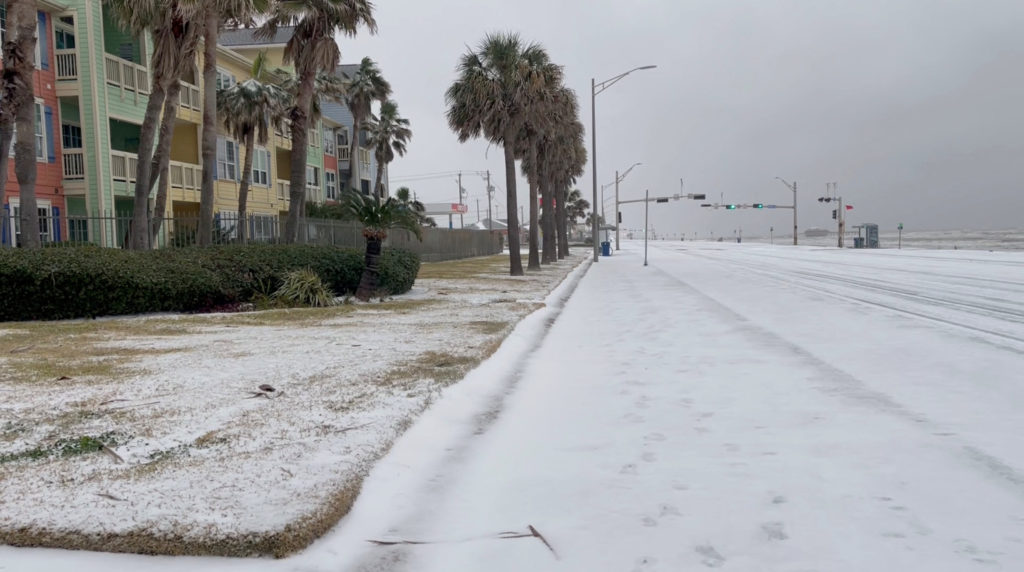
When the Sunshine State Dusted White
Throughout history, several notable snow events have punctuated Florida’s warm climate narrative, etching themselves into local lore. One of the most famous occurrences was on January 19, 1977, when snow fell as far south as Miami, marking the only time in recorded history that the city witnessed snow. While it was a light dusting that didn’t accumulate, the sheer shock and wonder of seeing snowflakes against a backdrop of palm trees created an unforgettable moment for residents who had never before experienced such a phenomenon. Photos from that day often show bewildered Floridians marveling at the white specks, a testament to the event’s extraordinary nature.
Other significant snowfalls have been recorded further north. In December 1989, a severe cold snap brought snow to much of northern and central Florida, including parts of Orlando and Tampa. While not a blizzard, the accumulation was noticeable enough to disrupt traffic and temporarily transform landscapes usually associated with warmth into a surprising winter tableau. More recently, in January 2018, cities across northern Florida, including Tallahassee, Pensacola, and Gainesville, experienced significant snowfall, with some areas seeing several inches accumulate. This event brought a mix of excitement and mild disruption, prompting school closures and creating a rare opportunity for snowmen-building in what is typically flip-flop weather.
These instances are cherished anomalies, providing a unique snapshot of Florida’s weather capabilities. They serve as a reminder that even in the most predictable climates, nature can always deliver a surprise. For tourism, these events are curiosities rather than deterrents, often generating widespread media attention that, ironically, reinforces the state’s primary identity as a sunny haven.
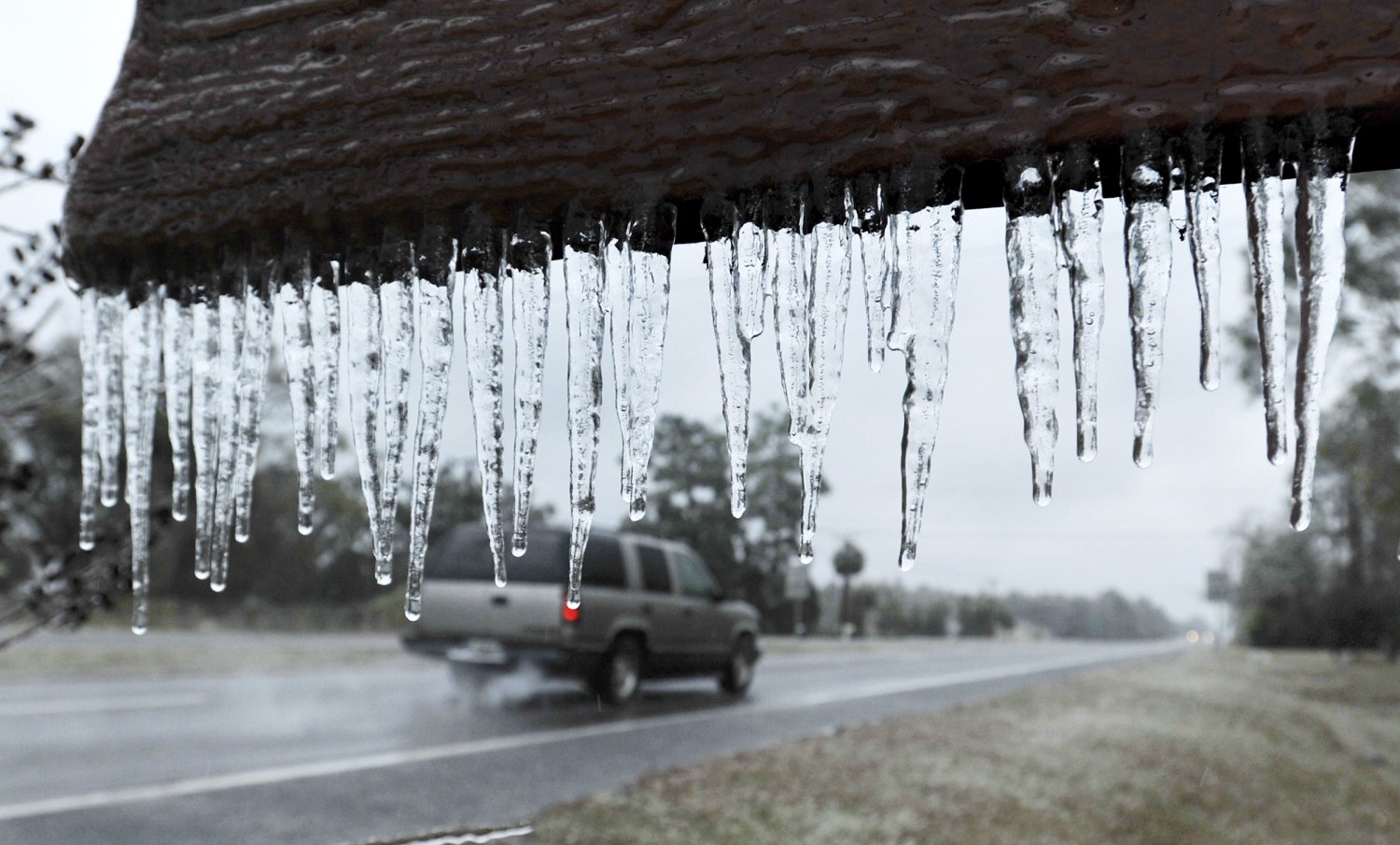
Beyond the Flurries: Florida’s Year-Round Appeal
While the occasional snowflake might offer a brief moment of novelty, it’s crucial to emphasize that these occurrences are exceptions, not the rule. The true essence of Florida lies in its unwavering commitment to warmth, sunshine, and an endless array of activities that thrive under blue skies. This consistent appeal is why Florida remains one of the world’s most popular travel destinations, drawing visitors from across the globe throughout all seasons.
Why Tourists Flock to the Sunshine State
Florida’s primary draw is its idyllic climate, offering a respite from colder regions. The state boasts an impressive roster of attractions that cater to every taste and age group. Families flock to Orlando, the theme park capital of the world, home to giants like Walt Disney World Resort, featuring its iconic parks such as Magic Kingdom and Epcot, and Universal Studios Florida, known for its thrilling rides and immersive worlds. Beyond the theme parks, the state’s coastline offers thousands of miles of stunning beaches, from the powdery white sands of Clearwater Beach on the Gulf Coast to the vibrant shores of South Beach in Miami.
The array of outdoor activities is staggering: world-class golf courses, deep-sea fishing charters, leisurely boating excursions, and opportunities for paddleboarding and kayaking in serene springs and coastal waters. For those seeking cultural enrichment, cities like St. Augustine, the nation’s oldest continuously inhabited European-established settlement, offer a rich tapestry of history and architecture. The vibrant arts scene in Miami, the historical treasures of Key West, and the natural wonders of the Everglades National Park all contribute to Florida’s multifaceted appeal.
Diverse Destinations and Experiences
Florida’s geographical diversity further enhances its attraction. The Panhandle, with cities like Pensacola and Destin, offers a taste of Southern charm and stunning Gulf Coast beaches, often with a slightly cooler climate than the peninsula. Central Florida is a hub for family entertainment and nature parks. South Florida, including Miami, Fort Lauderdale, and Palm Beach, boasts a distinctly tropical vibe, influenced by Caribbean and Latin American cultures, evident in its cuisine, music, and architecture.
Whether you’re looking for luxury travel, a budget-friendly family trip, or a romantic escape, Florida provides a setting for every lifestyle. The state’s natural landscapes, from the pristine beaches of Siesta Key Beach to the unique ecosystem of Sanibel Island, provide endless opportunities for exploration and relaxation. Food lovers can indulge in fresh seafood, famous Key Lime Pie, and a diverse culinary scene ranging from Cuban-inspired dishes in Little Havana to upscale dining in coastal cities. This kaleidoscope of experiences ensures that Florida’s appeal extends far beyond its rare flirtations with snow.
Planning Your Florida Escape: Accommodation and Activities
When planning a trip to Florida, the focus inevitably shifts to securing the perfect accommodation and curating an itinerary filled with memorable activities. The state’s robust tourism infrastructure ensures a vast selection of options, catering to every preference, budget, and travel style.
Finding Your Perfect Stay
Florida’s accommodation landscape is as diverse as its attractions. For those seeking unparalleled luxury, resorts like The Breakers Palm Beach offer opulent experiences with world-class amenities, private beaches, and exceptional service. In Orlando, the Ritz-Carlton Grande Lakes Orlando or Walt Disney World Swan and Dolphin Resort provide a blend of luxury and proximity to theme parks. Miami boasts iconic hotels such as the Fontainebleau Miami Beach, known for its stunning architecture and vibrant pool scene, nestled within the famous Art Deco Historic District.
Families often opt for spacious suites or resorts with extensive children’s programs and water parks. Vacation rentals, from cozy apartments in coastal towns to sprawling villas near theme parks, offer flexibility and a home-away-from-home feel, especially for longer stays. Budget travelers will find numerous motels and mid-range hotels, particularly in areas like Daytona Beach or Ocala, that provide comfortable lodgings without breaking the bank. For unique experiences, boutique hotels in Key West or historic inns in St. Augustine offer charm and local character. Booking in advance, especially during peak seasons like spring break or winter holidays, is highly recommended to secure the best rates and preferred locations.
Embracing Florida’s Unique Culture and Nature
Beyond the major attractions, Florida invites travelers to delve deeper into its rich local culture and breathtaking natural beauty. Explore the vibrant Cuban heritage in Miami’s Little Havana, where the aroma of coffee fills the air and salsa music drifts from open doorways. Discover the Southern hospitality and Spanish colonial history of St. Augustine, wandering its cobblestone streets and visiting its ancient fort.
Nature enthusiasts can paddle through the mangrove tunnels of Biscayne National Park, observe manatees in crystal-clear springs like those near Ocala, or take an airboat ride through the Everglades National Park to spot alligators and diverse birdlife. The stunning beaches of the Gulf Coast offer tranquil escapes, while the Atlantic Coast provides opportunities for surfing and observing rocket launches from Cape Canaveral at the Kennedy Space Center Visitor Complex. A trip to the remote Dry Tortugas National Park provides an unparalleled snorkeling and historical adventure. Food tours, art walks, and local festivals offer immersive ways to connect with the state’s diverse communities. Regardless of whether a rare flurry happens, the richness of Florida’s offerings guarantees an unforgettable experience.
The Impact on Lifestyle and Tourism
The occasional snowfall in Florida, while meteorologically significant, has a rather unique impact on both local lifestyle and the broader tourism industry. It’s a fleeting moment that generates more awe and amusement than widespread disruption, ultimately reinforcing the state’s primary identity as a warm-weather paradise.
A Moment of Wonder and Mild Disruption
For Floridians, especially those who have lived in the state their entire lives, seeing snow is a truly novel experience. Children rush outside to catch snowflakes on their tongues, families gather to take photos of snow-dusted palm trees, and social media lights up with excited posts. It’s a collective moment of wonder, a break from the norm that brings a sense of childlike joy. However, the mild disruption it causes can also be a challenge. With little infrastructure designed for snow or ice, even a light dusting can lead to school closures, traffic slowdowns, and cautious driving conditions, especially in the northern parts of the state where it’s more likely to accumulate. Road crews are not equipped with plows, and residents often lack appropriate footwear or winter gear. Yet, these inconveniences are typically short-lived, as the warm Florida sun quickly returns to melt away any lingering traces of winter.
Economically, the impact of a rare snow event is minimal, if not slightly positive due to the novelty factor. Businesses might see a temporary dip in activity due to travel disruptions, but this is usually offset by the quick return to normal. The unusual nature of the event often generates significant media coverage, which, in a strange way, can even serve as a marketing tool, highlighting Florida’s unique position where such extremes are possible yet highly improbable.
Reinforcing Florida’s Sunny Image
Ironically, the rarity of snow in Florida serves to reinforce its iconic sunny image. When snow falls, it becomes a story precisely because it is so un-Floridian. This contrast underscores the state’s typical climate, reminding everyone that such cold snaps are fleeting exceptions. The vast majority of the time, Florida lives up to its “Sunshine State” moniker, offering endless opportunities for outdoor recreation and relaxation under clear, warm skies.
The tourism industry, the lifeblood of Florida’s economy, remains largely unaffected in the long term. Travelers seeking warmth and sunshine know that the chances of encountering snow are negligible. Instead, they focus on the guaranteed delights: the theme parks of Orlando, the vibrant culture of Miami, the historical charm of Amelia Island, and the breathtaking beaches of the Gulf Coast. The image of snow in Florida might be a curious footnote, but it doesn’t detract from the state’s consistent appeal as a premier destination for those craving warmth, adventure, and an escape from winter’s chill. Florida’s resilience and inherent charm ensure its place as a top travel destination, no matter how briefly the snowflakes may dance.
LifeOutOfTheBox is a participant in the Amazon Services LLC Associates Program, an affiliate advertising program designed to provide a means for sites to earn advertising fees by advertising and linking to Amazon.com. Amazon, the Amazon logo, AmazonSupply, and the AmazonSupply logo are trademarks of Amazon.com, Inc. or its affiliates. As an Amazon Associate we earn affiliate commissions from qualifying purchases.