
Living in Hawaii is a dream for many, evoking images of pristine beaches, lush landscapes, and a vibrant island culture. The allure of the Aloha State is undeniable, promising a lifestyle often associated with perpetual vacation. However, beneath the surface of this tropical paradise lies a significant reality: the cost of living in Hawaii is among the highest in the United States. For those considering a long-term stay, whether for work, retirement, or simply a change of scenery, understanding the financial commitment is paramount. This comprehensive guide delves into the various facets of Hawaiian living expenses, offering insights to help you budget for your island life.
The Allure and the Albatross: Understanding Hawaii’s High Costs
Hawaii’s unique geographical location, being the most isolated population center on Earth, is the primary driver of its elevated costs. Nearly everything, from food to building materials, must be imported, typically across thousands of miles of ocean. This logistical challenge, coupled with high demand for limited resources and a thriving tourism industry, inflates prices across the board. While the breathtaking natural beauty and unparalleled lifestyle are often deemed priceless, the practicalities of daily expenses necessitate a clear-eyed assessment.
The draw of the islands extends beyond picturesque scenery; it encompasses a distinct cultural experience, a slower pace of life, and an abundance of outdoor activities. From surfing at Waikiki Beach on Oahu to hiking the volcanic landscapes of the Big Island, the opportunities for recreation and cultural immersion are endless. However, these experiences often come with a premium, from the price of a local plate lunch to the cost of a long-term rental. Our exploration will focus on breaking down these costs, helping prospective residents navigate the financial currents of island life.
Major Cost Categories: Housing, Food, and Transportation
When evaluating the cost of living anywhere, certain categories consistently represent the largest expenditures. In Hawaii, these categories are not just significant; they are often startlingly high compared to the US Mainland. Understanding these core expenses is crucial for anyone planning to make the islands their home.
Accommodation: The Biggest Hurdle
Housing is, without a doubt, the single largest expense for residents in Hawaii. Both rental prices and property values far exceed national averages, especially in popular urban centers and desirable coastal areas.
Rental Market Realities
For renters, the median rent for a one-bedroom apartment in Honolulu, the state capital and largest city, can easily range from $1,800 to $2,500 or more, depending on location and amenities. Larger units or those closer to tourist hubs like Waikiki can command even higher prices. Moving to other islands or less populated areas might offer some relief, but not dramatically. For instance, a one-bedroom in Kailua-Kona on the Big Island or Kapaa on Kauai could still be in the $1,500 to $2,000 range. When considering long-term stay accommodation, it’s vital to research specific neighborhoods and factor in additional costs like parking, which can be an expensive commodity, especially in denser areas. Many expatriates or new residents often start with short-term rentals or even hotels like a budget-friendly option in Honolulu to get acquainted with the area before committing to a long-term lease. However, even these temporary solutions can be costly, highlighting the importance of thorough planning.
Homeownership Aspirations
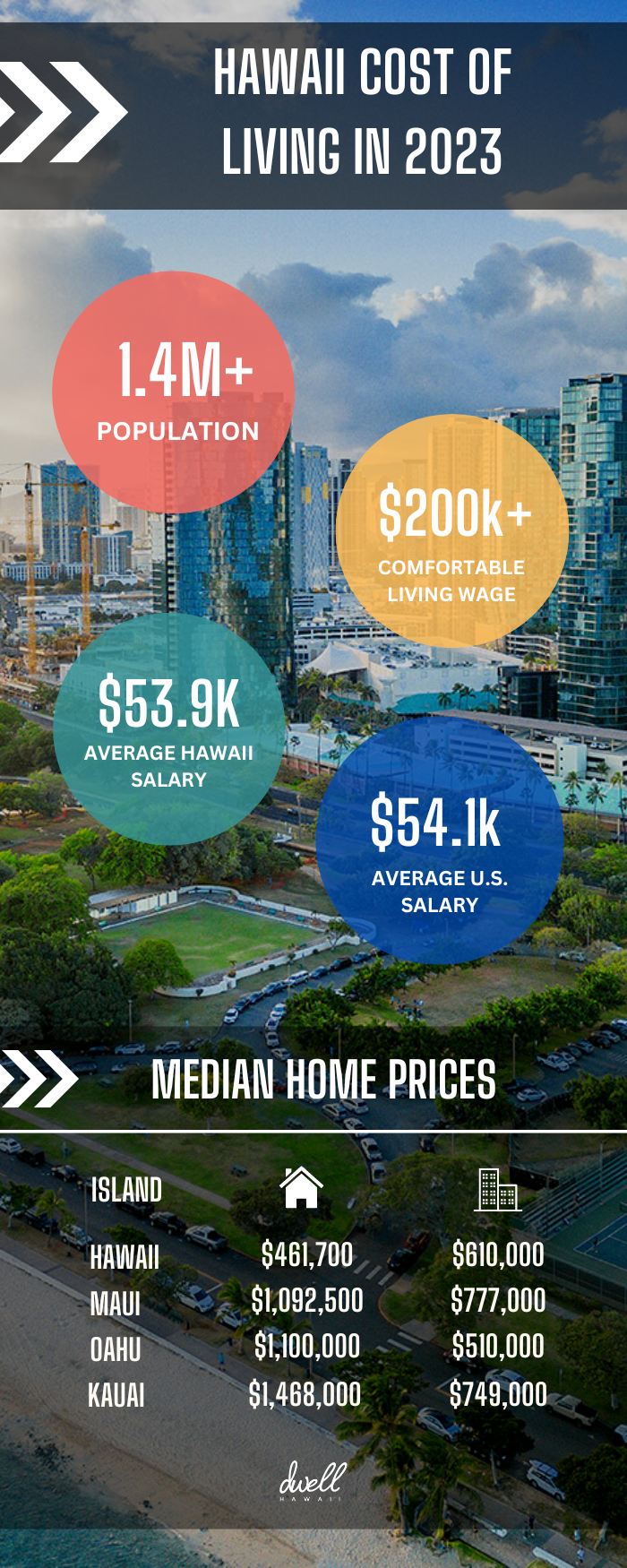
Purchasing a home in Hawaii requires a substantial financial commitment. Median home prices across the state are often double or even triple the national average. In Honolulu, the median price for a single-family home can easily surpass $1 million, and condominiums aren’t far behind. Areas like Wailea on Maui or Princeville on Kauai feature luxurious villas and resorts, pushing property values even higher. While there are more affordable pockets, often inland or in less developed regions, they still represent a significant investment. Beyond the purchase price, homeowners must contend with property taxes, which, while lower than some mainland states, are still substantial given the high property values, as well as high insurance costs due to natural disaster risks. Programs like those offered by the Department of Hawaiian Home Lands exist to help Native Hawaiians achieve homeownership, but options for the general public are limited, often leading individuals to explore alternative housing solutions.
Groceries and Dining Out
Food costs in Hawaii are notoriously high due to the reliance on imported goods. Expect to pay 30-50% more for groceries than on the US Mainland. Staple items like milk, bread, and meat can be significantly more expensive.
Navigating the Supermarket
Smart shopping strategies are essential. Buying local produce, especially at farmers’ markets, can offer some savings and a taste of local culture. Stores like Costco also provide bulk purchasing options that can help mitigate costs. However, even with these strategies, a weekly grocery bill for a family can easily reach $200-$300 or more. For context, a gallon of milk might cost upwards of $7-9, and a loaf of bread $5-7.
The Dining Experience
Eating out is a common activity and a fantastic way to experience local Hawaiian food and diverse culinary traditions. However, restaurant prices reflect the high cost of ingredients and labor. A casual lunch can easily cost $15-25 per person, while a mid-range dinner for two with drinks could be anywhere from $60 to $100+. Fine dining experiences, particularly at upscale resorts like the Hyatt Regency Maui Resort and Spa or The Royal Hawaiian, will naturally be much higher. Embrace local plate lunch spots and food trucks for more budget-friendly and authentic culinary adventures.
Getting Around the Islands
Transportation costs in Hawaii primarily revolve around car ownership, gas prices, and inter-island travel.
Car Ownership
While public transportation options exist, particularly TheBus on Oahu and the Maui Bus on Maui, many residents find a car necessary, especially for exploring beyond urban centers or for those with families. Shipping a car to Hawaii from the mainland can cost $1,500-$2,500, plus registration fees. Buying a car on the islands also comes with higher prices for both new and used vehicles due to shipping and demand.
Fuel and Maintenance
Gasoline prices in Hawaii are consistently among the highest in the nation, often exceeding $5-6 per gallon. Car insurance rates are also elevated. Furthermore, vehicle maintenance and repairs can be more expensive due to higher labor costs and the need to import parts. Ride-sharing services like Uber and Lyft are available in major tourist areas but can add up quickly for daily commutes. For those seeking budget travel options, exploring destinations like Pearl Harbor or Diamond Head via public transport is feasible on Oahu, but venturing into more remote areas like the Hana Highway on Maui typically requires a rental car.
Inter-Island Travel
Living in Hawaii often involves exploring its diverse islands. Airfare between islands can range from $50 to $150 or more for a round trip, depending on the destination and how far in advance you book. Regular inter-island travel, for leisure or work, adds another layer to the cost of living. Major airports like Daniel K. Inouye International Airport in Honolulu, Kahului Airport on Maui, Kona International Airport on the Big Island, and Lihue Airport on Kauai serve as vital hubs.
Beyond the Basics: Utilities, Healthcare, and Lifestyle Expenses
While housing, food, and transportation form the bedrock of living costs, other essential services and lifestyle choices significantly impact the overall budget in Hawaii.
Utilities and Communication
Electricity bills are considerably higher in Hawaii than on the US Mainland due to the state’s reliance on imported oil for power generation. Air conditioning use, especially during warmer months, can lead to steep energy costs. A typical monthly electricity bill for a modest apartment can easily be $150-$300. Water, sewer, and trash services are also higher than average. Internet and cell phone services, while comparable in price to mainland rates, can still be a significant monthly expense.
Healthcare
Healthcare costs in Hawaii are also above the national average, encompassing everything from insurance premiums to medical procedures and prescription drugs. While the state has a strong healthcare system, obtaining adequate coverage is crucial. Employers often provide good health benefits, but for self-employed individuals or retirees, navigating options like Medicare, Medicaid, or plans through the Affordable Care Act marketplace can be expensive. Access to specialists might also require inter-island travel for residents of smaller islands.
Education and Childcare
For families, the cost of education and childcare in Hawaii is a major consideration. Public schools are available, but many families opt for private education, which can range from $10,000 to over $25,000 per year per child. Childcare and preschool services are also very expensive, with monthly costs often exceeding $1,000-$1,500 for full-time care.
Leisure and Entertainment
The beauty of Hawaii is that many of its best attractions – its beaches, hiking trails, and natural landmarks like Waimea Canyon or Mauna Kea – are free or low-cost. However, specific activities, tourism experiences, and dining out can add up quickly. A luau, a popular cultural activity, can cost $100-200 per person. Surfing lessons, snorkeling tours, or visits to attractions like the Polynesian Cultural Center or the USS Arizona Memorial also come with price tags. For a comfortable lifestyle, budgeting for occasional splurges on unique Hawaiian experiences is essential.
Island-Specific Cost Variations
While the overall cost of living in Hawaii is high, there are notable differences between the major islands, influencing accommodation, goods, and services.
Oahu: The Urban Hub
Oahu, home to Honolulu and the majority of the state’s population, is generally the most expensive island. Housing costs, both for rent and purchase, are at their peak here. However, Oahu also offers the most job opportunities, diverse dining options, and public transportation. For those seeking a vibrant city life with access to world-class attractions and amenities, Oahu remains a prime, albeit costly, choice. Resorts like the Four Seasons Resort Oahu at Ko Olina exemplify the luxury travel segment that drives up demand.
Maui: The Valley Isle
Maui is renowned for its stunning beaches, luxurious resorts in areas like Wailea and Lahaina, and natural wonders such as Haleakala National Park. The cost of living on Maui is very high, often rivaling or even surpassing Oahu in certain luxury segments, particularly for housing. Groceries and services can also be slightly higher due to fewer large retailers. However, the lifestyle is generally more relaxed, attracting those seeking a blend of upscale living and natural beauty.
Big Island (Hawaii Island): The Island of Discovery
The Big Island offers the most diverse landscape, from volcanic deserts to lush rainforests, including Hawaii Volcanoes National Park. Housing costs, particularly in towns like Hilo or more rural areas, can be comparatively lower than on Oahu or Maui. Kailua-Kona on the west side tends to be more expensive due to its resort atmosphere. Transportation costs can be higher due to the sheer size of the island and longer driving distances. It’s often considered a more affordable option for those seeking space and a closer connection to nature.
Kauai: The Garden Isle
Kauai is celebrated for its dramatic cliffs, pristine beaches, and lush interior, offering a more serene and natural environment. Housing costs are substantial, especially in desirable areas like Princeville or coastal towns. Groceries and goods can be pricier due to fewer large stores and shipping costs. However, for those prioritizing a quiet, nature-immersed lifestyle, the investment might be worthwhile. Job opportunities are more limited, primarily revolving around tourism and local services.
Strategies for Affordable Hawaiian Living
While the sticker shock of Hawaiian living costs is real, several strategies can help mitigate expenses and make the dream of living in paradise more attainable.
Budgeting and Financial Planning
The first step is a meticulous budget. Track every expense, identify areas for savings, and set realistic financial goals. Consider a significant emergency fund to cover unexpected costs. Many long-term residents stress the importance of understanding the local economy before making a permanent move.
Embrace Local Living and Frugal Habits
- Cook at Home: Prioritize home-cooked meals using local produce and strategically shopping at larger stores or wholesale clubs.
- Public Transport & Carpooling: Utilize public transportation where available, carpool, or consider a scooter/motorcycle for shorter commutes, particularly on Oahu.
- Free Activities: Take advantage of Hawaii’s abundant natural attractions. Hiking, swimming, beach days, and exploring parks are free and offer unparalleled experiences.
- Seek Local Deals: Keep an eye out for local discounts, happy hour specials, and community events that offer affordable entertainment.
Consider Location and Accommodation Choices
Exploring less touristy towns or inland communities can significantly reduce housing costs. Shared living arrangements, like roommates, are also a common strategy for individuals or couples to reduce rental expenses. Before moving, research specific neighborhoods on your preferred island to find areas that align with both your lifestyle and budget. For those considering long-term stay accommodation, looking into apartments that include utilities or offer special rates for extended periods can also provide savings.
Income and Employment
Securing a stable income source that accounts for Hawaii’s high cost of living is crucial. Industries like tourism, healthcare, education, and technology offer various opportunities, but competition can be fierce. Many remote workers find Hawaii an appealing option, as their mainland-level salaries can often better absorb the higher expenses.
Conclusion
Living in Hawaii is undeniably expensive, often requiring a higher income and a more disciplined approach to personal finance than many other places in the United States. Housing, food, and transportation are the primary cost drivers, pushing the overall cost of living significantly above the national average. However, for those who are prepared for the financial realities and are willing to adapt their lifestyle, the rewards are immense. The unique blend of natural beauty, vibrant culture, and a distinct sense of community offers an unparalleled quality of life that many find well worth the investment. By understanding the costs, making informed choices, and embracing the island spirit, your dream of living in paradise can become a sustainable reality.
LifeOutOfTheBox is a participant in the Amazon Services LLC Associates Program, an affiliate advertising program designed to provide a means for sites to earn advertising fees by advertising and linking to Amazon.com. Amazon, the Amazon logo, AmazonSupply, and the AmazonSupply logo are trademarks of Amazon.com, Inc. or its affiliates. As an Amazon Associate we earn affiliate commissions from qualifying purchases.