
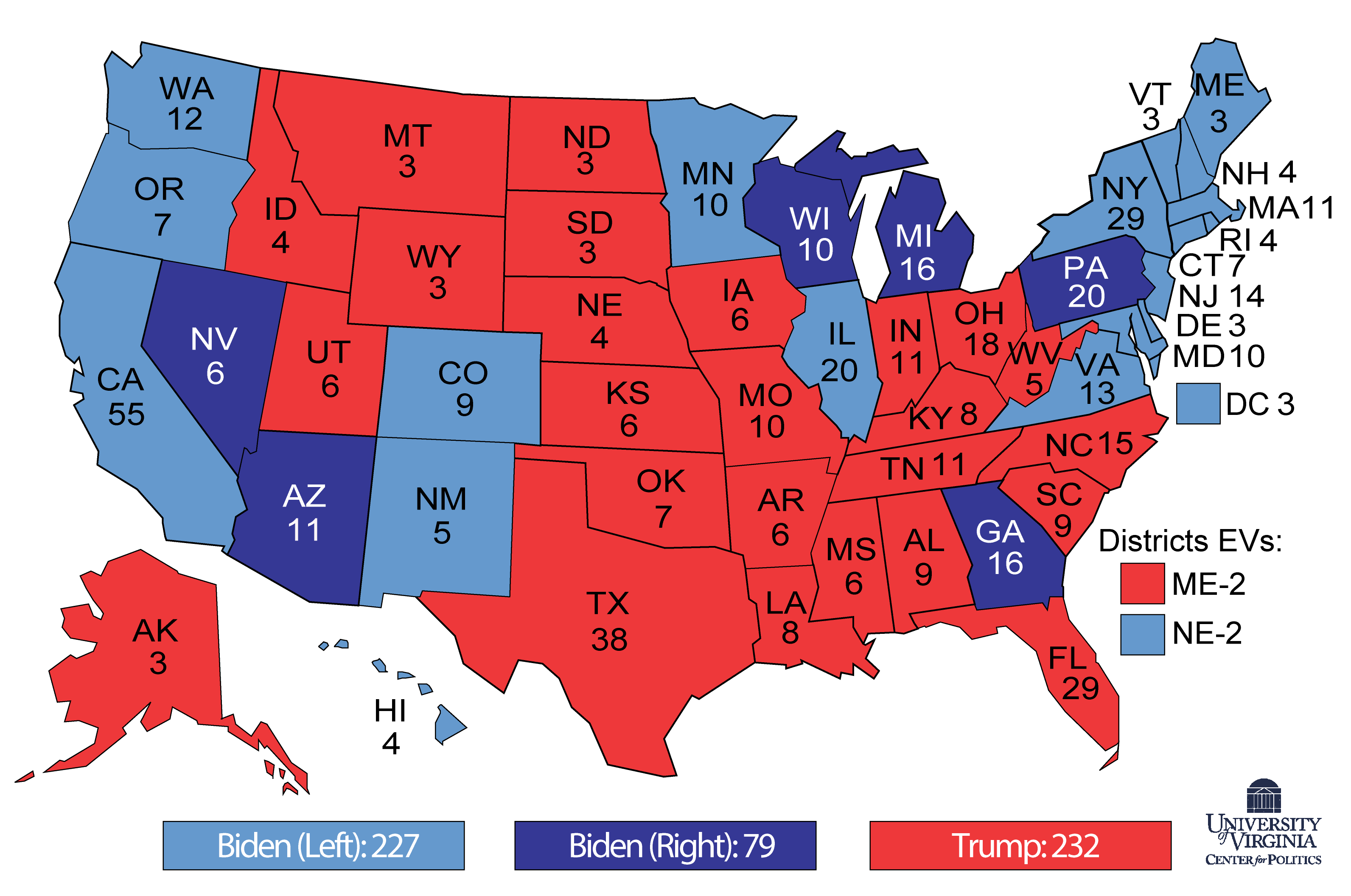
Hawaii, often celebrated globally as a quintessential paradise of sun-drenched beaches, lush rainforests, and an unparalleled spirit of aloha, holds a distinctive political identity within the United States. For travelers planning their dream escape to the islands, understanding this political landscape isn’t just about civic curiosity; it offers a deeper insight into the local culture, the state’s priorities in tourism and development, and the unique fabric of life that defines this Pacific gem. So, when posed with the question, “Is Hawaii Democrat or Republican?”, the answer is overwhelmingly clear: Hawaii is a staunchly Democratic state.
The Aloha State has consistently voted for Democratic presidential candidates in every election since its statehood in 1959, with the lone exception of 1972, when it narrowly favored Republican Richard Nixon. Beyond presidential races, Democrats hold a supermajority in the state legislature, control all of Hawaii’s congressional seats, and have historically occupied the governor’s office for the vast majority of the post-statehood era. This enduring allegiance to the Democratic Party is deeply woven into the state’s unique history, demographics, and cultural values, shaping everything from its approach to environmental protection and labor rights to its social policies and the very experience of both residents and visitors.
The Aloha State’s Political Compass: A Deep Dive
Hawaii’s strong Democratic leanings are not a recent phenomenon but rather the culmination of historical events and demographic shifts that have sculpted its political identity over decades. To truly grasp why this state, so often associated with idyllic escapes, is such a formidable blue bastion, one must look beneath the surface of its stunning natural beauty.
Historical Roots of Democratic Dominance
The seeds of Hawaii’s Democratic stronghold were planted well before it achieved statehood. In the early 20th century, the islands were dominated by the “Big Five” corporations – sugar and pineapple barons who held immense political and economic power, effectively controlling the territorial government. This oligarchy, largely composed of descendants of American missionaries, favored the Republican Party. The vast majority of the population, however, comprised immigrant laborers – primarily from Japan, the Philippines, China, Portugal, and Korea – who worked in the plantations under often harsh conditions.
The turning point arrived in the post-World War II era, famously known as the “Democratic Revolution of 1954.” A coalition of factors fueled this shift:
- Labor Unionization: The rise of powerful labor unions, particularly the International Longshore and Warehouse Union (ILWU), played a pivotal role. These unions organized the predominantly immigrant workforce, demanding better wages, working conditions, and political representation. The Democratic Party became the natural ally for these labor movements, promising reforms that directly challenged the status quo of the “Big Five.”
- Veteran Influence: Many Japanese American soldiers, who had bravely fought for the United States in World War II (most notably with the 442nd Regimental Combat Team), returned home to a society where they were still treated as second-class citizens. Educated and empowered, these veterans, often fluent in both English and local languages, became influential community leaders. They aligned with the Democratic Party, advocating for civil rights, equality, and an end to the oligarchic rule. Notable figures like Daniel K. Inouye, Spark Matsunaga, and George Ariyoshi emerged from this generation, becoming pillars of the Democratic establishment.
- Demographic Shift: The diverse, multi-ethnic population, which had long been marginalized, found its voice within the Democratic Party. The party’s platform of social justice, economic equality, and civil rights resonated deeply with these communities, many of whom had experienced discrimination and exploitation.

This revolution culminated in the 1954 territorial election, where Democrats swept into power, dismantling the old Republican guard and laying the groundwork for the modern political landscape of Hawaii. When statehood was granted in 1959, the new state constitution reflected many progressive ideals, further solidifying the Democratic Party’s hold.
Key Factors Shaping Hawaii’s Political Identity
Beyond its historical origins, several ongoing factors continue to cement Hawaii’s deep blue identity:
- Ethnic Diversity: Hawaii is the only state in the United States where Caucasians do not constitute a majority. Its population is a vibrant mosaic of Asian, Pacific Islander, and multiracial communities. These groups have historically found a more welcoming and representative home within the Democratic Party, which champions diversity and inclusion.
- Environmentalism and Land Preservation: Given Hawaii’s unparalleled natural beauty and delicate ecosystems, environmental protection is a paramount concern for many residents. Democratic policies often align with strong conservation efforts, sustainable development, and regulations aimed at protecting the state’s unique biodiversity, coastlines, and agricultural lands from unchecked development. This commitment extends to protecting popular tourist attractions like the majestic Na Pali Coast on Kauai or the pristine reefs around Maui.
- Social Liberalism: The state embraces a socially liberal ethos, reflecting a commitment to LGBTQ+ rights, reproductive freedom, and robust social safety nets. These progressive values are broadly embraced by the population and are central to the Democratic platform.
- Aloha Spirit and Community Values: While not directly political, the deeply ingrained “Aloha Spirit” — encompassing mutual respect, compassion, and community responsibility — often translates into support for policies that prioritize collective well-being over strict individualism. This can manifest in support for universal healthcare, public education, and programs that assist vulnerable populations, all commonly associated with the Democratic Party.
- Cost of Living: Hawaii has one of the highest costs of living in the United States. This economic reality leads many residents to seek governmental intervention and social programs to address housing affordability, healthcare access, and wage disparities, issues typically championed by Democrats.

Where Politics Meets Paradise: Impact on Travel and Tourism
The political leanings of Hawaii are not abstract concepts confined to legislative halls in Honolulu. They profoundly influence the state’s tourism policies, development strategies, and the very atmosphere visitors experience. For anyone considering a trip, understanding these connections can enhance appreciation for the destination.
Environmental Stewardship and Sustainable Tourism
Hawaii’s strong Democratic leadership often translates into some of the most progressive environmental policies in the nation. This is particularly relevant for the tourism industry, which relies heavily on the state’s pristine natural resources.
- Conservation Efforts: Democratic administrations have prioritized the protection of Hawaii’s unique ecosystems, from coral reefs to volcanic landscapes. Policies often include stringent zoning laws, limits on coastal development, and significant investment in state parks and protected areas like Hawaii Volcanoes National Park on the Big Island or the marine sanctuaries around Maui. This commitment ensures that the iconic natural attractions that draw millions of visitors each year remain preserved for future generations.
- Sustainable Practices: Hawaii has been a trailblazer in sustainable tourism initiatives. This includes efforts to reduce plastic waste (e.g., bans on plastic bags and polystyrene foam), promote renewable energy sources, and encourage hotels and resorts to adopt eco-friendly practices. Many upscale accommodations, like the Four Seasons Resort Maui at Wailea or the Grand Hyatt Kauai Resort & Spa, actively participate in these initiatives, offering guests experiences that align with the state’s green ethos.
- Managed Tourism: There’s a growing emphasis on managing tourism’s impact, moving towards a “regenerative tourism” model rather than just mass tourism. This involves educating visitors about responsible travel, promoting local businesses, and directing tourism to areas that can handle the capacity, ensuring that the local culture and environment are not overwhelmed. For instance, efforts to manage crowds at popular spots like Diamond Head or Hanauma Bay are direct outcomes of this political will.
Social Policies and the Visitor Experience
The Democratic Party’s focus on social justice, labor rights, and community well-being also has tangible effects on the visitor experience.
- Strong Labor Protections: Hawaii has some of the strongest labor laws in the United States, particularly for hotel and service industry workers. This often translates into better wages, benefits, and working conditions for the staff at resorts and restaurants. While this might contribute to the higher cost of services, it arguably fosters a more content and professional workforce, which can enhance the quality of service visitors receive at establishments like The Royal Hawaiian in Waikiki.
- Cultural Preservation: Democrats often champion policies that protect and promote Hawaiian culture and language. This commitment ensures that traditional practices, historical sites, and cultural events are not merely commercialized but genuinely preserved and shared. Visitors often have opportunities to engage with authentic Hawaiian traditions, learn about the local history, and support indigenous artists and cultural practitioners.
- Community Focus: The emphasis on community well-being means that many tourism initiatives aim to benefit local residents directly. This can be seen in support for local agriculture, small businesses, and community-based tourism projects. Tourists who seek to engage with the authentic Hawaii, beyond the resort bubble, will find ample opportunities to support the local economy and culture, aligning with the state’s progressive values.
Exploring Hawaii’s Islands: Regional Nuances and Political Flavors
While Hawaii as a whole leans strongly Democratic, there are subtle differences in political priorities and expressions across its various islands and regions. These nuances can influence local governance, development projects, and even the “vibe” a traveler might encounter.
Oahu: Urban Hub and Political Epicenter
Oahu, home to the state capital Honolulu and the bustling resort area of Waikiki, is the political and economic heart of Hawaii. It is the most populous island and arguably the most consistently liberal.
- Policy Hotbed: With the state legislature and government offices located here, Oahu is where many of Hawaii’s progressive policies are debated and enacted. Issues like affordable housing, public transportation (such as the Honolulu rail project), and urban planning are constantly at the forefront.
- Diverse Population: The sheer diversity and density of Oahu’s population, coupled with a strong union presence (especially around the port and military installations), reinforce its Democratic leanings.
- Visitor Experience: Tourists on Oahu will experience a highly developed tourism infrastructure alongside a vibrant urban culture. Political discussions often revolve around balancing economic growth with environmental protection and preserving open spaces amidst increasing development pressure. Landmarks like Pearl Harbor or Iolani Palace offer a glimpse into the history that shaped these political values.
Maui, Kauai, and the Big Island: Diverse Perspectives
The neighbor islands, while still predominantly Democratic, often exhibit different local priorities and approaches to governance, often shaped by their unique environments and communities.
- Maui: Maui (Maui Nui), with its mix of luxury resorts in Wailea and Lahaina, and agricultural communities in Upcountry, often grapples with issues related to water rights, agricultural sustainability, and the impact of tourism on local infrastructure. Environmental protection is a particularly strong concern here, given its sensitive marine ecosystems and the iconic Haleakala National Park.
- Kauai: Known as the “Garden Isle,” Kauai often prioritizes land preservation and a slower pace of development. Its political discussions frequently center on protecting its agricultural heritage, managing limited infrastructure for growing tourism, and preserving its lush natural landscapes like the Na Pali Coast and Waimea Canyon. The communities here tend to be very close-knit and vocal about maintaining their island’s unique character.
- Big Island (Hawaii Island): Hawaii Island, the largest and geologically youngest island, presents a unique set of challenges and opportunities. Its diverse climate zones, active volcanoes, and vast open spaces lead to political debates around agricultural diversification, geothermal energy, conservation of sacred sites, and managing growth in towns like Hilo and Kailua-Kona. The science community, especially those associated with astronomical observatories on Mauna Kea, also plays a significant role in local discourse.
- Lanai and Molokai: These smaller islands represent more rural and traditional Hawaiian communities. On Lanai, owned largely by Larry Ellison, issues of land use, resort development (like the Four Seasons Resort Lanai), and job creation are central. Molokai is known for its strong emphasis on native Hawaiian culture and sovereignty, with residents often advocating for policies that protect their ancestral lands and way of life, maintaining a deliberate distance from mass tourism.
Navigating Hawaii: Understanding the Local Ethos for a Richer Experience
For visitors, understanding Hawaii’s strong Democratic leanings isn’t about choosing a side, but rather about appreciating the values that underpin local life and governance. It informs the context in which hospitality operates and how residents interact with their environment and each other.
- Respect for the Land (Mālama Aina): The emphasis on environmental protection is deeply ingrained, reflecting the Democratic platform’s alignment with traditional Hawaiian values. Visitors are encouraged to practice “Mālama Aina” (care for the land) by respecting natural sites, minimizing their environmental footprint, and adhering to local regulations at beaches, parks, and trails.
- Community Engagement: Look for opportunities to support local businesses, artisans, and cultural organizations. Many events and markets are designed to benefit local communities and preserve cultural heritage, aligning with the state’s progressive policies.
- Cultural Sensitivity: Hawaii is a place where respect for diverse cultures and the native Hawaiian people is paramount. The Democratic focus on social justice and inclusion means that visitors who approach the islands with an open mind and a willingness to learn about local customs and history will have a far more enriching experience.
- Sustainable Choices: Opting for accommodations that prioritize sustainability, participating in eco-tours, and choosing activities that support conservation efforts are ways to align with Hawaii’s broader ethos, which is heavily influenced by its political leadership.
In conclusion, while the question “Is Hawaii Democrat or Republican?” has a straightforward answer – unequivocally Democratic – the implications are far-reaching. This political identity is deeply intertwined with the state’s vibrant history, its unique multicultural population, and its profound commitment to protecting its irreplaceable natural environment and fostering community well-being. For travelers, this understanding provides a valuable lens through which to appreciate the Aloha State not just as a beautiful destination, but as a place shaped by a distinctive set of values and priorities that make it truly one-of-a-kind. Embracing this perspective can transform a simple vacation into a deeper, more meaningful engagement with one of the United States’ most extraordinary states.
LifeOutOfTheBox is a participant in the Amazon Services LLC Associates Program, an affiliate advertising program designed to provide a means for sites to earn advertising fees by advertising and linking to Amazon.com. Amazon, the Amazon logo, AmazonSupply, and the AmazonSupply logo are trademarks of Amazon.com, Inc. or its affiliates. As an Amazon Associate we earn affiliate commissions from qualifying purchases.