
Hawaii, the archipelago state located in the central Pacific Ocean, is renowned globally for its stunning natural beauty, vibrant culture, and unparalleled hospitality. As a premier destination for travelers seeking everything from serene beach escapes to adventurous explorations, the islands welcome millions of visitors each year. But beyond the picture-perfect postcards and resort advertisements, what is the true demographic tapestry of this unique United States state? Understanding the population of Hawaii isn’t just about statistics; it’s about appreciating the rich cultural mosaic that defines the local experience, the infrastructure that supports its residents and visitors, and the delicate balance required to preserve its pristine environment.
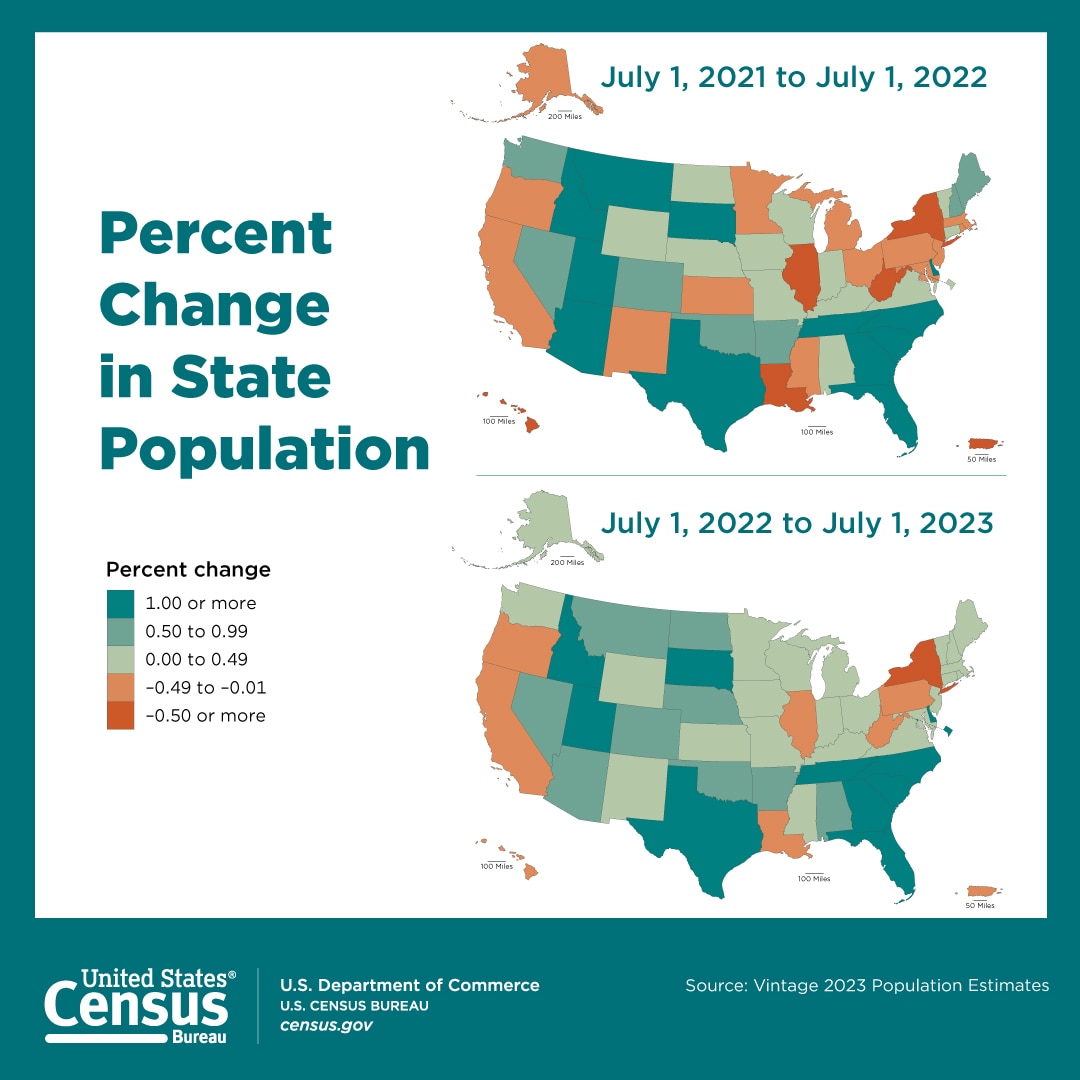
At its core, Hawaii’s population tells a story of migration, cultural fusion, and modern challenges. The interplay between its resident community and the constant influx of tourists shapes everything from local cuisine and traditions to the availability of accommodation and the accessibility of its most famous landmarks. For any discerning traveler, grasping these dynamics offers a deeper, more meaningful engagement with the islands, allowing for a more respectful and enriched experience of the Hawaiian lifestyle. This article delves into the numbers, exploring how population figures influence the tourism landscape, guide travel choices, and contribute to the authentic spirit of Aloha that permeates every corner of the islands.
Unpacking Hawaii’s Demographics: A Snapshot of Resident Life
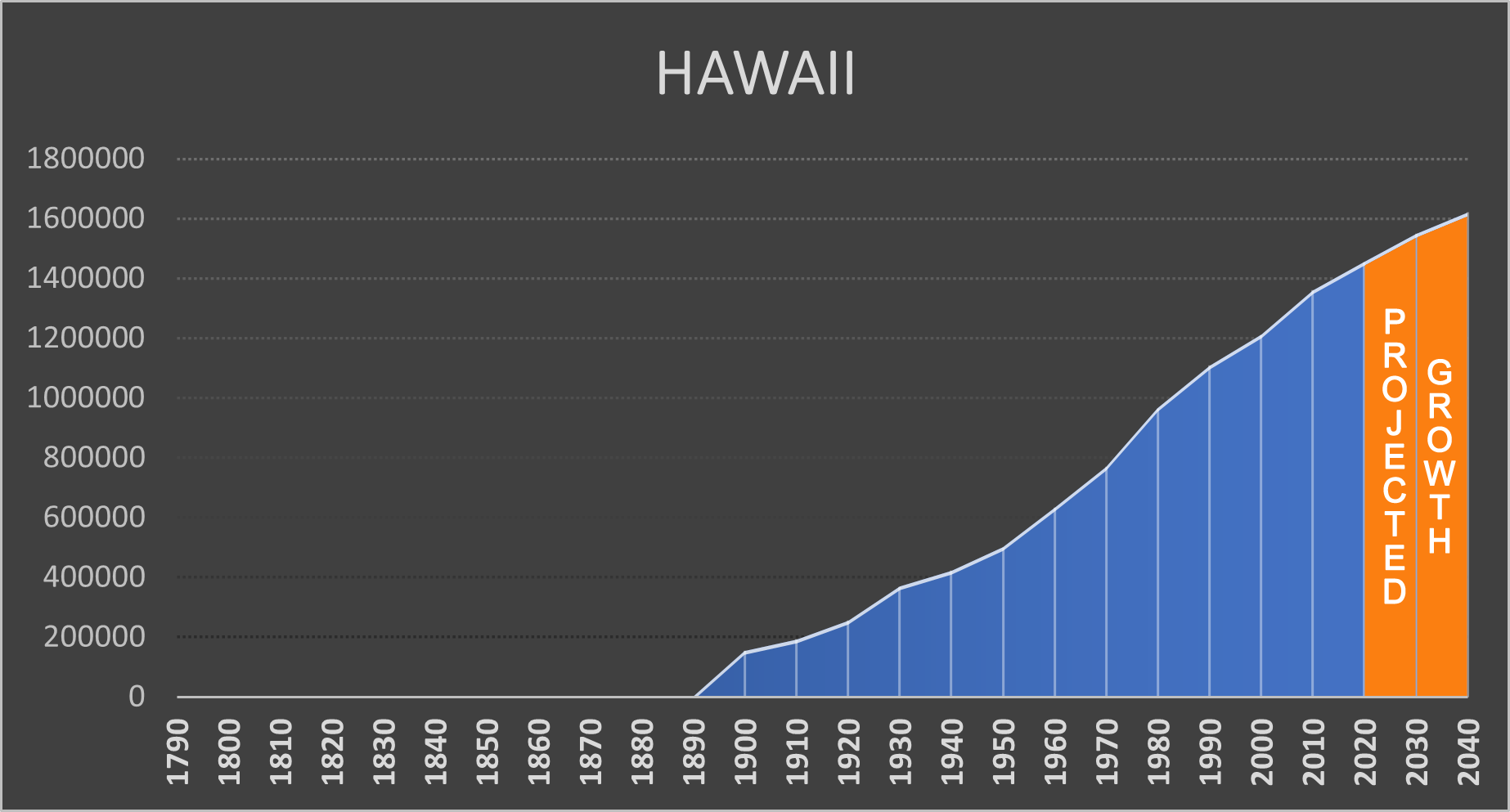
To truly appreciate Hawaii, one must first understand the people who call it home. The latest estimates place Hawaii’s resident population at just over 1.4 million people. This number, while seemingly modest compared to mainland states, is densely concentrated across a handful of habitable islands. This demographic profile is far from monolithic; it is a vibrant blend of indigenous heritage and centuries of immigration, creating a unique cultural identity found nowhere else on Earth.
Key Demographic Figures and Cultural Tapestry
The majority of Hawaii’s population resides on the island of Oahu, home to the state capital, Honolulu. Approximately 70% of the state’s residents live on Oahu, making it a bustling urban center in stark contrast to the more laid-back ambiance of the neighbor islands. This concentration significantly impacts the infrastructure, travel routes, and available tourism resources.
The ethnic makeup of Hawaii is particularly noteworthy. It is the only state in the United States where Asian Americans constitute the largest ethnic group, followed closely by individuals identifying as two or more races. Indigenous Hawaiians and other Pacific Islanders, though a smaller percentage of the total, form the bedrock of the islands’ unique cultural identity, preserving traditions, language, and spiritual connections to the land and sea. There are also significant populations of Caucasians (often referred to locally as ‘haole’), Filipinos, Japanese, Chinese, and Koreans, alongside a diverse mix of other ethnicities.
This rich blend has cultivated a society where cultural exchange is a daily reality. This manifests in the extraordinary local cuisine – a fusion of Polynesian, Asian, and Western influences – and in the myriad festivals, celebrations, and community events that travelers can partake in. From the annual Aloha Festivals celebrating Hawaiian culture to the vibrant Lantern Floating ceremony commemorating ancestral spirits, these events offer profound insights into the local lifestyle. For tourists, engaging with this cultural diversity means moving beyond the resorts and exploring local markets, attending community gatherings, and respecting traditional practices. Understanding this demographic makes a visit to landmarks like the Polynesian Cultural Center on Oahu or the historic Iolani Palace even more meaningful, offering a glimpse into the history and heritage shaped by its people.
Population Distribution and Its Impact on Travel Experiences
The way Hawaii’s population is distributed across its major islands creates distinct travel experiences. Each island, while sharing the overarching spirit of Aloha, possesses its own unique character, influenced heavily by its resident count, economic focus, and available infrastructure. For travelers planning their Hawaiian adventure, understanding these differences is crucial for selecting the ideal destination that aligns with their desired pace and activities.
Oahu: The Urban Hub and Gateway to Paradise
As mentioned, Oahu is the most populous island, home to nearly a million residents. This density translates into a bustling, dynamic environment, particularly in Honolulu and the world-famous Waikiki area. Oahu is the primary entry point for international and most domestic flights, making it the most accessible island for tourists. The higher population density supports a vast array of accommodations, from luxury high-rise resorts like those lining Waikiki Beach to boutique hotels, vacation apartments, and budget-friendly long-term stay options.
This concentration of people also means Oahu boasts the most comprehensive tourism infrastructure. Visitors can find an endless list of attractions, including historical sites like Pearl Harbor, iconic natural landmarks such as Diamond Head, world-class shopping, diverse dining options ranging from street food to Michelin-starred restaurants, and a vibrant nightlife. The public transportation system is more extensive, and guided tours are abundant. For those seeking an energetic vacation filled with diverse activities and conveniences, Oahu’s higher population density provides an unparalleled range of choices, albeit with a more urbanized feel than its sister islands.

The Neighbor Islands: Serenity, Adventure, and Unique Accommodations
Venturing beyond Oahu reveals the distinct charm of the neighbor islands, each with significantly lower population densities and unique appeals.
-
Maui: The Valley Isle
With a population of around 165,000, Maui strikes a balance between development and natural preservation. It’s a favorite for those seeking a mix of luxury resorts in areas like Wailea and Kaanapali, stunning natural beauty along the Hana Highway, and adventurous activities like snorkeling, surfing, and hiking. Maui’s population supports a robust tourism industry with high-quality hotels, villas, and resort experiences, yet its density allows for more expansive natural spaces and a slightly more relaxed pace than Oahu. The balance between local communities, like the historic town of Lahaina (prior to the 2023 wildfires), and tourist-centric zones is carefully managed to preserve Maui’s unique character. -
Big Island: The Island of Discovery
Despite its vast size, the Big Island (officially the Island of Hawaii) has a population of approximately 200,000, spread across diverse climate zones and expansive landscapes. This lower density allows for incredible natural wonders, most notably Hawaii Volcanoes National Park and the dark-sand beaches. The island offers a more adventurous and exploratory type of travel, with accommodations ranging from charming bed and breakfasts in Hilo to luxury resorts along the Kona coast, catering to travelers seeking tranquility and direct engagement with nature. The less dense population contributes to a feeling of greater remoteness and raw natural beauty, making it ideal for eco-tourism and outdoor enthusiasts. -
Kauai: The Garden Isle
With roughly 73,000 residents, Kauai lives up to its “Garden Isle” moniker, offering lush rainforests, dramatic cliffs like the Napali Coast, and a more tranquil, laid-back atmosphere. Tourism infrastructure is well-developed, particularly around Poipu and Lihue, providing charming resorts, villas, and private vacation rentals. However, the lower population means fewer high-rise developments and a greater emphasis on preserving natural beauty. Travelers seeking solitude, breathtaking scenery, and outdoor activities like hiking, kayaking, and helicopter tours will find Kauai’s low density appealing, fostering a profound connection with nature.
Understanding these population distributions empowers travelers to choose an island (or combination of islands) that best suits their desired experience, whether it’s the vibrant city life of Honolulu or the serene, untouched landscapes of Kauai and the Big Island.
The Visitor-to-Resident Dynamic: Navigating Sustainable Tourism
The sheer popularity of Hawaii as a global travel destination means that its resident population figures are only part of the story. Annually, Hawaii welcomes between 8 to 10 million visitors (pre-pandemic figures), a number that can be seven times greater than its resident population. This significant visitor-to-resident ratio creates both economic prosperity and unique challenges, shaping the very fabric of local life and the future of Hawaiian tourism.
Balancing Act: Tourism’s Role in the Economy vs. Local Impact
Tourism is the largest single contributor to Hawaii’s economy, generating billions in revenue and supporting a vast number of jobs across various sectors, from hotels and accommodation providers to local businesses, attractions, and tour operators. This economic engine is vital for the state’s prosperity, especially given its remote location and limited other major industries. Resorts, from mega-hotels offering extensive amenities to charming boutique stays, are cornerstones of this economy, providing crucial employment and drawing in investment.
However, the high volume of tourists also places considerable strain on [Hawaii](https://lifeoutofthebox.com/hawaii]’s finite resources and infrastructure. Increased traffic congestion, crowded beaches and hiking trails, higher cost of living for residents, and environmental impacts on delicate ecosystems are common concerns. This tension between economic benefit and environmental/social impact has led to a growing emphasis on sustainable tourism – an approach that seeks to minimize negative effects while maximizing the positive. For visitors, this translates into a call for mindful travel: respecting local customs, supporting local businesses, staying on marked trails, conserving water and energy, and being aware of cultural protocols.
Infrastructure, Resources, and Accommodation: Catering to Both Worlds
The state’s infrastructure, from roads and utilities to waste management, must constantly adapt to serve both its resident population and its millions of guests. Airports like Daniel K. Inouye International Airport in Honolulu are critical hubs managing this flow. Water resources, in particular, are a precious commodity in an island environment, making conservation efforts paramount for both residents and visitors.
The accommodation sector, a key component of the travel experience, directly reflects this dynamic. While there are countless hotels and resorts designed for tourists, there’s also a rising demand for long-term stay options, vacation rentals, and apartment-style living that cater to both transient visitors and temporary residents. The availability and pricing of these accommodations are significantly influenced by the constant demand from the tourism industry. Travelers who plan ahead, especially during peak seasons, will find better options and potentially more competitive pricing by booking well in advance. Reviews and comparison websites become invaluable tools in navigating this diverse market, ensuring a choice that aligns with individual preferences and budgets, whether it’s a luxury escape or a family-friendly resort.
The visitor-to-resident dynamic underscores the unique challenge and responsibility of traveling to Hawaii. It encourages travelers to not just be consumers of a beautiful destination, but to become temporary stewards of its culture and environment, contributing positively to the community they visit.
Future Trends and Considerations for the Mindful Traveler
Hawaii’s population, both resident and transient, is not static. Future trends, including potential shifts in migration patterns, birth rates, and most significantly, the evolving landscape of global tourism, will continue to shape the islands. For those planning a trip, understanding these trajectories can help tailor an experience that is both personally fulfilling and respectful of this unique destination.
Sustainable Tourism and Community Engagement
The discourse around Hawaii’s population and tourism is increasingly focused on sustainability. State tourism authorities and local communities are actively promoting “malama Aina” (care for the land) and “aloha Aina” (love of the land) philosophies. This means encouraging visitors to engage in responsible tourism, such as participating in voluntourism opportunities, supporting local farmers’ markets, choosing eco-friendly tour operators, and learning about Hawaiian history and traditions.
Future travel to Hawaii will likely see an even greater emphasis on community-based tourism, where travelers can directly contribute to local economies and experience authentic Hawaiian lifestyle away from typical tourist enclaves. This could involve staying in local guesthouses, trying traditional Hawaiian food in small local eateries, or taking cultural classes that support indigenous artisans. These choices allow visitors to move beyond being just a number in the population count and become an engaged participant in the preservation and celebration of Hawaiian culture.
Choosing Your Hawaiian Experience: Aligning with Population Dynamics
As Hawaii’s population figures continue to evolve, so too will the nuances of its various islands. Travelers can strategically choose their destination based on their preference for density and local interaction:
- For the Urban Explorer: Oahu will remain the hub of activity, offering the widest range of hotels, nightlife, and cultural attractions, perfect for those who thrive in a lively, diverse environment.
- For the Balanced Seeker: Maui will continue to offer a harmonious blend of luxury resorts, stunning natural landscapes, and ample activities without the intense urban density of Oahu.
- For the Nature Lover and Adventurer: The Big Island and Kauai will be ideal for those prioritizing immersive natural experiences, fewer crowds, and a deeper connection with the raw beauty of the islands. Their lower population densities allow for more undisturbed natural parks and quieter retreats, from private villas to eco-lodges.
Ultimately, “What is the population of Hawaii?” is a question that invites more than just a numerical answer. It’s an invitation to explore the depth of its cultural diversity, appreciate the delicate balance of its environment, and understand how the people of Hawaii have shaped, and continue to shape, this extraordinary place. By considering the local population and its dynamics, travelers can embark on a journey that is not only memorable but also respectful and enriching, contributing to the enduring spirit of Aloha that defines the islands.
LifeOutOfTheBox is a participant in the Amazon Services LLC Associates Program, an affiliate advertising program designed to provide a means for sites to earn advertising fees by advertising and linking to Amazon.com. Amazon, the Amazon logo, AmazonSupply, and the AmazonSupply logo are trademarks of Amazon.com, Inc. or its affiliates. As an Amazon Associate we earn affiliate commissions from qualifying purchases.