
The question of when Hawaii officially joined the United States as its 50th state is a fascinating one, rooted in a complex history of monarchy, annexation, and cultural evolution. While many recognize Hawaii as an idyllic paradise of pristine beaches, lush landscapes, and vibrant culture, its journey to statehood is a significant chapter in both American and Hawaiian history. The date etched into the annals as Hawaii’s official admission to the Union is August 21, 1959. This pivotal moment transformed the archipelago from a strategically important territory into a full-fledged state, forever changing its political landscape and solidifying its place as a premier global destination.
Understanding this journey not only enriches one’s appreciation for the Hawaiian Islands but also provides context for the unique blend of cultures, traditions, and modern amenities that visitors experience today. From the ancient chants of the Polynesian settlers to the bustling streets of Honolulu, Hawaii’s past is interwoven with its present, offering travelers a destination rich in both natural beauty and historical depth. This article delves into the historical timeline leading to statehood, explores the profound impact of this event on the islands, and guides future visitors on how to immerse themselves in the unique charm of the 50th state.
A Journey Through Time: Hawaii’s Path to Statehood
The path to statehood for Hawaii was not a straight one, marked by political intrigue, cultural shifts, and the evolving geopolitical landscape of the Pacific. For centuries, the islands thrived under a sophisticated Polynesian societal structure, eventually unifying under a single monarchy. The arrival of Captain James Cook in 1778 brought Hawaii into contact with the Western world, setting in motion a series of events that would ultimately lead to its incorporation into the United States.
From Kingdom to Republic
Prior to Western contact, the Hawaiian Islands were a collection of independent chiefdoms. It was King Kamehameha I who, through a series of wars and diplomatic maneuvers, unified the islands under a single kingdom by 1810. The Kingdom of Hawaii flourished, establishing trade relations and navigating its sovereignty amidst increasing interest from European and American powers. However, as the 19th century progressed, American missionaries and sugar planters gained significant influence, gradually eroding the power of the monarchy.
The turning point came in 1887 with the Bayonet Constitution, which stripped the monarch, King Kalākaua, of much of his authority and granted voting rights primarily to wealthy American and European residents. His successor, Queen Liliʻuokalani, sought to restore power to the monarchy and the Hawaiian people, but her efforts were met with resistance. In 1893, a group of American and European businessmen, backed by the U.S. Marines, overthrew the queen and established a provisional government. This was followed by the creation of the Republic of Hawaii in 1894, led by Sanford B. Dole.
Despite protests from Queen Liliʻuokalani and many Native Hawaiians, the United States formally annexed Hawaii in 1898 through the Newlands Resolution, largely driven by strategic interests during the Spanish-American War. Hawaii officially became a U.S. territory in 1900.
The Road to the 50th Star
As a territory, Hawaii saw significant economic development, particularly in sugar and pineapple plantations, which attracted a diverse workforce from Asia and the Pacific. Calls for statehood began almost immediately after annexation but faced numerous hurdles, including racial prejudice and concerns about Hawaii’s unique multi-ethnic population. Washington D.C. politicians worried about how this diverse populace, which did not fit the traditional American demographic, would integrate into the Union.
The outbreak of World War II and the devastating attack on Pearl Harbor on Oahu on December 7, 1941, dramatically shifted perceptions. Hawaii’s strategic importance as a military outpost was undeniable, and the bravery and loyalty of its residents, particularly those of Japanese-American descent who served with distinction in the U.S. military, helped dispel earlier prejudices. Post-war, the argument for statehood gained significant momentum. Supporters highlighted that Hawaiians paid federal taxes, fought in American wars, and were loyal citizens, yet lacked full representation in Congress.
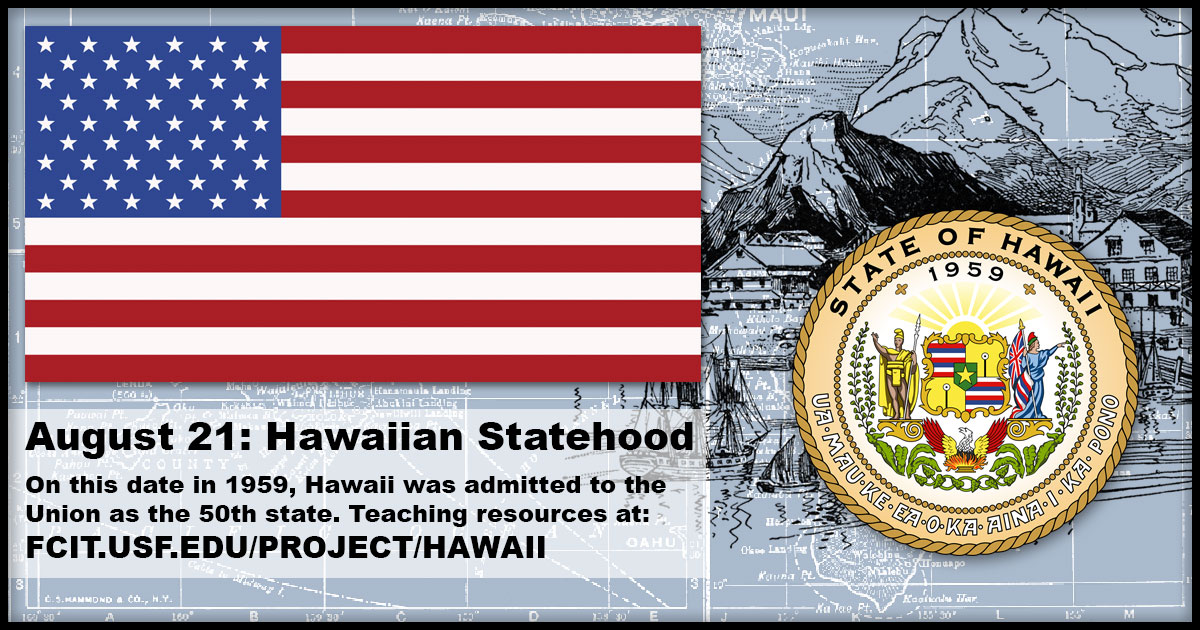
Decades of petitions, referendums, and lobbying finally culminated in 1959. On March 12, 1959, the U.S. Congress passed the Hawaii Admission Act. President Dwight D. Eisenhower signed it into law on March 18, 1959. A plebiscite was then held in Hawaii on June 27, 1959, where the people overwhelmingly voted in favor of statehood, with 94.3% of the votes cast supporting admission to the Union. Finally, on August 21, 1959, President Eisenhower issued Proclamation 3309, officially admitting Hawaii as the 50th state of the United States. This momentous occasion was met with widespread celebrations across the islands, marking the end of a long and often contentious journey.
Celebrating Statehood: What it Means for Hawaii Today
Statehood not only brought full political representation to Hawaii but also significantly impacted its economy, culture, and global standing. It solidified Hawaii’s position as a gateway between the East and the West, while simultaneously preserving and promoting its unique Polynesian heritage.
The Cultural Tapestry of the Aloha State
One of the most profound effects of statehood was the increased integration of Hawaiian culture into the broader American consciousness, albeit with ongoing debates about cultural preservation versus assimilation. The “Aloha Spirit” — a philosophy of kindness, hospitality, and mutual respect — became synonymous with the state, influencing everything from local interactions to tourism marketing. Statehood allowed Hawaii to leverage federal resources for educational and cultural programs, helping to revive the Hawaiian language, traditional arts like hula, and ancient practices such as wayfinding and farming.
Today, visitors to Hawaii are encouraged to delve into this rich cultural tapestry. From attending a traditional luau to exploring the Bishop Museum in Honolulu, which houses an unparalleled collection of Polynesian artifacts, understanding the local culture is an integral part of the Hawaiian experience. The diverse culinary scene, a fusion of Hawaiian, Japanese, Chinese, Filipino, and Portuguese influences, is a direct result of the islands’ unique history and multicultural immigration patterns. Trying local delicacies like poké, kalua pig, and shave ice is not just about food; it’s about tasting the history of the islands.

A Modern Paradise: Travel and Tourism in the 50th State
Statehood significantly boosted Hawaii’s tourism industry. With easier access for mainland Americans and increased investment in infrastructure, the islands transformed into a premier travel destination. The image of Hawaii as a tropical paradise, with its iconic Waikiki Beach, majestic Diamond Head crater, and lush rainforests, became globally recognized.
Today, tourism remains the cornerstone of Hawaii’s economy, supporting a vast network of hotels, resorts, attractions, and local businesses. The state’s commitment to preserving its natural beauty, coupled with world-class amenities, makes it an irresistible draw for travelers seeking relaxation, adventure, or cultural immersion. The direct flights from numerous cities across the globe, the wide array of accommodation options from luxury resorts to charming vacation rentals, and the diverse activities available on each island showcase how statehood facilitated Hawaii’s growth as a major player in the global travel industry. From honeymooners seeking romantic getaways to families looking for unforgettable adventures and solo travelers eager to explore, Hawaii caters to every type of lifestyle and travel aspiration.
Experiencing the 50th State: Planning Your Hawaiian Getaway
For those planning a trip to the Aloha State, understanding its journey to statehood adds an extra layer of appreciation to the experience. Hawaii offers an unparalleled blend of natural wonders, historical sites, and modern comforts, making it an ideal destination for any traveler.
Iconic Destinations and Must-See Landmarks
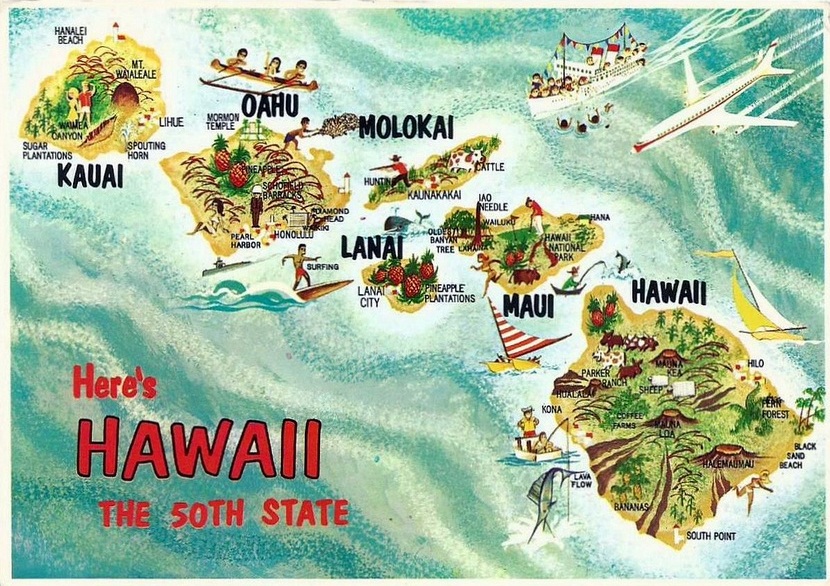
Each of Hawaii’s main islands—Oahu, Maui, Kauai, and the Big Island (officially Hawaii Island)—boasts unique attractions.
- Oahu: Known as “The Gathering Place,” it’s home to the state capital, Honolulu. Here, visitors can pay their respects at Pearl Harbor’s USS Arizona Memorial, hike up Diamond Head for panoramic views of Waikiki, and explore the vibrant shops and restaurants along Kalakaua Avenue. Don’t miss the historical significance of Iolani Palace, the only official residence of royalty in the United States.
- Maui: Often called “The Valley Isle,” Maui is famous for its stunning beaches, the scenic Road to Hana, and the breathtaking sunrise over Haleakala Crater. Whale watching (seasonal) off the coast of Lahaina is also a popular activity.
- Kauai: “The Garden Isle” lives up to its name with lush rainforests, dramatic cliffs, and cascading waterfalls. The Na Pali Coast is a sight to behold, best experienced by boat or helicopter, while Waimea Canyon, often called the “Grand Canyon of the Pacific,” offers spectacular hiking opportunities.
- Big Island: This island boasts diverse landscapes, from black sand beaches to snow-capped mountains. It’s home to Hawaii Volcanoes National Park, where visitors can witness active volcanoes and explore lava tubes. The Kona side offers excellent coffee farm tours and snorkeling in crystal-clear waters, while Hilo provides a gateway to lush rainforests and waterfalls.
Accommodation Choices for Every Lifestyle
Hawaii’s popularity as a travel destination means it offers a vast array of accommodation options to suit every budget and preference.
- Luxury Resorts: For those seeking opulent experiences, resorts like the Four Seasons Resort Maui at Wailea or The Ritz-Carlton, Kapalua offer world-class amenities, private beaches, gourmet dining, and spa services. These properties often provide comprehensive packages that cater to a high-end lifestyle.
- Boutique Hotels: Smaller, more intimate hotels, such as The Laylow, Autograph Collection in Waikiki, offer unique design, personalized service, and a distinct sense of place, often emphasizing local art and culture.
- Vacation Rentals and Villas: For families, groups, or those planning a longer stay, private villas and apartments booked through services provide more space, privacy, and often kitchens, allowing for a more home-like experience. Destinations like Poipu on Kauai or Kapalua on Maui are popular for these types of rentals.
- Budget-Friendly Options: Hostels, smaller hotels away from prime beachfronts, and guesthouses offer more economical ways to experience Hawaii without compromising on comfort. Comparison websites and booking platforms make it easy to find deals and reviews for various accommodation types.
Whether it’s a romantic suite with ocean views, a spacious apartment for a family trip, or a cozy room for a business stay, Hawaii’s accommodation landscape is incredibly diverse.
Embracing the Aloha Spirit: Activities and Experiences
Beyond the historical sites and luxurious stays, Hawaii truly shines through its endless activities and experiences, embodying the “Aloha Spirit” at every turn.
- Water Sports: Surfing lessons on Waikiki Beach, snorkeling with manta rays on the Big Island, scuba diving in Maui’s clear waters, or kayaking along Kauai’s rivers are just a few ways to enjoy the vibrant marine environment.
- Hiking and Nature: Explore the Stairway to Heaven (Haʻikū Stairs, though access is restricted, alternatives exist), traverse the volcanic landscapes of Hawaii Volcanoes National Park, or discover hidden waterfalls along the Pipiwai Trail on Maui.
- Cultural Immersion: Attend a traditional luau to enjoy Hawaiian food, music, and hula performances. Visit a coffee or pineapple plantation, or take a lesson in lei making. The Polynesian Cultural Center on Oahu offers an immersive experience into the cultures of the Pacific islands.
- Food Tours and Dining: From food trucks serving fresh poké bowls to high-end restaurants showcasing farm-to-table Hawaiian regional cuisine, the culinary scene is a journey in itself. Don’t miss farmers’ markets for fresh local produce and unique treats.
The transition to statehood in 1959 marked a new era for Hawaii, solidifying its ties to the United States while simultaneously allowing its unique identity to flourish. For travelers, this means an opportunity to visit a destination that is both distinctly American and profoundly Hawaiian, offering a blend of history, culture, adventure, and relaxation that is truly unparalleled. Whether you’re drawn by the historical weight of Pearl Harbor, the natural majesty of a volcanic landscape, or simply the serene beauty of a Waikiki sunset, Hawaii promises an unforgettable experience in the 50th state.
LifeOutOfTheBox is a participant in the Amazon Services LLC Associates Program, an affiliate advertising program designed to provide a means for sites to earn advertising fees by advertising and linking to Amazon.com. Amazon, the Amazon logo, AmazonSupply, and the AmazonSupply logo are trademarks of Amazon.com, Inc. or its affiliates. As an Amazon Associate we earn affiliate commissions from qualifying purchases.