
For many, the thought of Hawaii conjures images of endless sunshine, pristine beaches, and perfect weather. While the Aloha State largely lives up to this idyllic reputation, it’s also a tropical destination, meaning it experiences distinct wet and dry seasons. Understanding when the rainy season occurs in Hawaii is crucial for planning your dream getaway, especially if you’re aiming for specific activities or looking to avoid certain conditions. This guide will delve into the nuances of Hawaii’s climate, helping you navigate its weather patterns and make the most of your trip, regardless of when you visit. From understanding microclimates to finding the best deals on accommodation and exploring attractions that shine even on a cloudy day, we’ll cover everything you need to know about experiencing Hawaii during its wetter months.
Understanding Hawaii’s Climate: A Tale of Two Seasons
Hawaii’s tropical location near the equator grants it a remarkably consistent temperature year-round, with average daytime highs typically ranging from the mid-70s to mid-80s Fahrenheit (24-30°C). However, consistency in temperature doesn’t mean consistency in precipitation. The islands experience two primary seasons: a drier, warmer summer and a cooler, wetter winter. This distinction is vital for travelers, as it dictates everything from beach conditions to the accessibility of hiking trails and the overall ambiance of your stay.
The “Wet” vs. “Dry” Season Explained
Broadly speaking, Hawaii’s “dry season” runs from April to October, characterized by less frequent rainfall, lower humidity, and slightly warmer temperatures. This period is often considered peak tourist season, offering long stretches of sunshine ideal for beach activities, snorkeling, and exploring outdoor landmarks. The trade winds during this time are generally consistent, providing a refreshing breeze that keeps the tropical heat at bay.
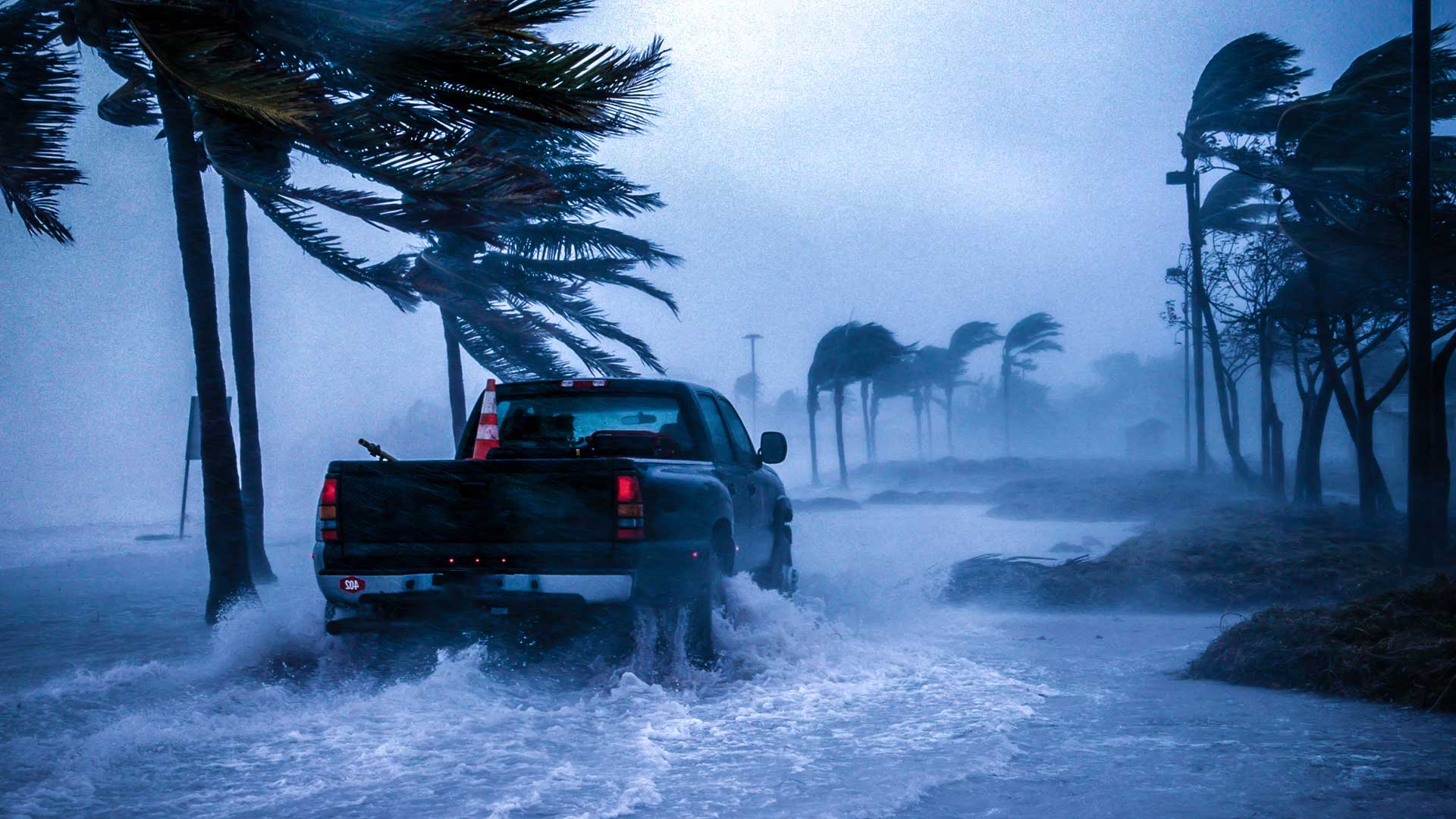
Conversely, the “wet season,” or rainy season, typically extends from November to March. During these months, the islands receive a higher volume of rainfall, which can manifest as short, refreshing showers or, occasionally, longer periods of steady rain. Temperatures remain pleasant, though slightly cooler than in summer, and humidity levels tend to be higher. It’s important to note that “rainy season” in Hawaii doesn’t necessarily mean continuous downpours; often, rain comes in brief, localized bursts, with sunny spells quickly following. The landscape, however, transforms into a lush, vibrant green, making for breathtaking scenic drives and photo opportunities.
Microclimates: Why Location Matters
One of the most fascinating aspects of Hawaii’s weather is its dramatic microclimates. Due to the volcanic topography and prevailing trade winds, different sides of an island can experience vastly different weather conditions simultaneously. The general rule of thumb is that the windward (eastern and northeastern) sides of the islands, which face the trade winds, tend to be much wetter and greener. This is where you’ll find lush rainforests, cascading waterfalls, and vibrant botanical gardens. Cities like Hilo on the Big Island and the North Shore of Oahu are prime examples of windward regions known for their abundant rainfall.
In contrast, the leeward (western and southwestern) sides are significantly drier and sunnier, often characterized by arid landscapes, golden beaches, and popular resort areas. Waikiki on Oahu, Lahaina and Wailea on Maui, and Kailua-Kona on the Big Island are prime examples of leeward areas that enjoy more sunshine throughout the year, even during the official rainy season. This means that even if it’s raining on one side of an island, you can often find sunshine just a short drive away. This unique geographical feature makes Hawaii an incredibly versatile destination, allowing visitors to chase the sun or embrace the rain-fed beauty, depending on their preference.
Navigating the Rainy Season: What to Expect and When
While the general timeframe for Hawaii’s rainy season is November to March, it’s more nuanced than a simple switch. Understanding the typical rainfall patterns for each major island and being aware of the potential advantages of visiting during this period can significantly enhance your trip.
General Timing: November to March
The heart of Hawaii’s wet season typically runs from early November through late March. During these months, frontal systems from the north tend to bring more widespread rain to the islands. While significant storms and prolonged periods of rain can occur, it’s often a case of intermittent showers, especially on the leeward coasts. Mornings are frequently clear, with clouds building up in the afternoon, potentially leading to brief showers. The good news is that these tropical rains are often warm, and the sun typically returns quickly, allowing for a continuation of outdoor activities. Visitors during this period should anticipate some rain, but not necessarily a washout.
Island-Specific Rainfall Patterns
Each Hawaiian island has its own unique weather characteristics, particularly concerning rainfall. Knowing these differences can help you choose the best island or even the best side of an island for your winter escape.
- Oahu: The capital island, home to Honolulu and Waikiki, sees most of its rain on the windward (eastern) side and the Ko’olau Mountains. Waikiki and other leeward areas are relatively drier, even in winter. The North Shore experiences significant winter swells for surfing and often more frequent rain than the south, contributing to its lush beauty.
- Maui: The “Valley Isle” also has distinct wet and dry sides. The windward town of Hana and the slopes of Haleakala National Park receive substantial rainfall, creating stunning waterfalls and verdant landscapes. The leeward areas of Kihei, Wailea, and Lahaina are considerably drier and sunnier, making them popular choices for those seeking less rain in winter.
- Kauai: Known as the “Garden Isle,” Kauai is generally the wettest of the main islands, which accounts for its incredibly lush scenery, including the Na Pali Coast and Waimea Canyon. The north shore, including Princeville and Hanalei, experiences more rain than the drier south shore around Poipu. If you visit Kauai in winter, expect to embrace its rainy beauty.
- Big Island (Island of Hawaii): This island boasts the most diverse climate zones. The Hilo side (east) is famously wet, while the Kailua-Kona side (west) is arid and sunny. Even during the rainy season, Kona often remains dry and bright. Volcanoes National Park, being at higher elevation, can experience cooler, wetter weather regardless of the season.
The Upsides of Winter Travel
Visiting Hawaii during the rainy season isn’t without its perks. One significant advantage is the potential for lower prices on flights and accommodation. Outside of the holiday periods (Christmas and New Year’s), you might find better deals on hotels, resorts, and car rentals. The islands also tend to be less crowded, offering a more tranquil and authentic experience.
Furthermore, the winter months are when Hawaii’s waterfalls are at their most spectacular, fed by the increased rainfall. Lush landscapes become even more vibrant, making hiking and scenic drives exceptionally beautiful. It’s also prime whale watching season (December to May), with thousands of North Pacific humpback whales migrating to Hawaii’s warm waters to calve and breed. Spotting these majestic creatures breach and play is an unforgettable experience that often coincides with the wet season. For surfers, the winter months bring massive swells to the North Shores of Oahu and Maui, attracting world-class athletes and creating an exciting atmosphere for spectators.
Planning Your Trip: Hotels, Activities, and Essential Tips
Armed with knowledge about Hawaii’s weather patterns, you can now plan a trip that optimizes for sunshine, embraces the rain, or finds a perfect balance. Strategic choices in accommodation and activities are key to a fulfilling lifestyle during the wetter months.
Accommodation Choices During the Wet Season
When selecting your hotel or resort for a rainy season visit, consider booking on the leeward side of your chosen island if sunshine is a top priority. For instance, staying in Wailea or Kaanapali on Maui, Waikiki on Oahu, or Poipu on Kauai often guarantees more dry days. Many of these areas feature luxurious resorts like the Four Seasons Resort Maui at Wailea or the Grand Hyatt Kauai Resort & Spa, which offer extensive indoor amenities such as spas, fine dining, and fitness centers, perfect for rainy day alternatives.
If you’re on a budget or prefer a more local experience, there are plenty of excellent apartments and villas available for booking throughout the islands. Remember to check reviews for information on property amenities and proximity to sheltered activities. Regardless of where you stay, selecting accommodation with covered lanais (balconies) or indoor common areas can be a blessing during a tropical shower, allowing you to still enjoy the views and fresh air.
Activities to Enjoy, Rain or Shine
Don’t let the thought of rain deter you from exploring Hawaii. The islands offer a wealth of activities that are enjoyable in any weather:
- Cultural Attractions: Immerse yourself in local culture at indoor landmarks like Pearl Harbor on Oahu, the Iolani Palace (the only official residence of royalty in the United States), or the Polynesian Cultural Center. These offer fascinating insights into Hawaii’s rich history and traditions, providing a full day of tourism regardless of the weather.
- Museums and Galleries: Explore art and history at the Bishop Museum in Honolulu, the Maui Ocean Center (a fantastic aquarium), or various local art galleries that showcase Hawaiian talent.
- Food Tours and Culinary Experiences: The food scene in Hawaii is vibrant. Take a cooking class, visit a local farmers’ market (many have covered areas), or embark on a food tour to sample authentic Hawaiian cuisine, from fresh poke to savory plate lunches.
- Spa Days: A rainy day is the perfect excuse for a rejuvenating spa treatment at one of Hawaii’s world-class resorts.
- Scenic Drives: Embrace the lushness! A drive along the Road to Hana on Maui or through the interior of Kauai becomes even more magical with waterfalls gushing and rainforests glistening. Just be sure to check road conditions.
- Shopping: From high-end boutiques in Wailea to charming local shops in Lahaina, there are plenty of indoor shopping opportunities.
Packing Smart for Hawaiian Showers
Packing for Hawaii during the rainy season requires a few adjustments to your usual sunny weather checklist:
- Light Rain Jacket or Umbrella: Essential for unexpected showers. Choose something lightweight and breathable.
- Waterproof Daypack: Protect your electronics and valuables while exploring.
- Waterproof Footwear: Sandals are great, but bring closed-toe, water-resistant shoes if you plan on hiking on potentially muddy trails.
- Quick-Drying Clothes: Opt for fabrics that dry quickly, as humidity can make drying clothes a challenge.
- Mosquito Repellent: Rain means more lush vegetation, and sometimes more mosquitoes, especially in greener areas.
- Sunscreen and Hat: Even on cloudy days, the Hawaiian sun can be intense. Don’t forget your sun protection!
Embracing Local Culture and Food
The rainy season offers a unique chance to dive deeper into the local Hawaiian lifestyle. With fewer crowds, you might find it easier to connect with locals and experience authentic Hawaiian hospitality. Consider attending a local hula show, trying a traditional lūʻau (many have covered areas), or simply enjoying a leisurely meal at a local eatery. The cooler, sometimes misty weather can also add a mystical charm to visits to sacred sites and ancient Hawaiian landmarks. Many tourism companies also offer specific tours or experiences tailored to the conditions, ensuring that visitors still have a memorable time.
Beyond the Rain: The Ever-Present Allure of the Islands
Ultimately, the allure of Hawaii transcends its weather patterns. The islands are a mosaic of stunning natural beauty, rich cultural heritage, and unparalleled opportunities for relaxation and adventure.
Why Any Time is a Good Time to Visit
While the rainy season has its distinct characteristics, the truth is that any time is a good time to visit Hawaii. The average daily temperatures remain consistently warm, and the notion of a “bad weather day” in Hawaii is often subjective. A quick, warm shower can be incredibly refreshing, and the resulting rainbows are legendary. The lush, vibrant landscapes, dramatic waterfalls, and powerful ocean swells that define the winter months offer a different, yet equally captivating, perspective of the islands. Whether you’re seeking luxury travel at a world-class resort, a budget travel adventure, or a memorable family trip, Hawaii always delivers.
Last-Minute Tips for a Memorable Hawaiian Getaway
- Stay Flexible: Weather can change rapidly, so be prepared to adjust your plans. Have a backup indoor activity in mind.
- Check Forecasts: While microclimates make island-wide forecasts tricky, localized forecasts can be helpful for planning your day. Websites often provide weather by specific towns or regions.
- Embrace the Aloha Spirit: A positive attitude goes a long way. Even a rainy day in Hawaii can be a beautiful experience.
In conclusion, the rainy season in Hawaii primarily runs from November to March. However, due to its unique microclimates, you can often find sunshine on the leeward sides of the islands even during the wettest months. With proper planning, smart packing, and an open mind to embracing all that the islands have to offer, visiting Hawaii during this time can be a rewarding experience filled with lush scenery, fewer crowds, and unforgettable moments, from whale watching to chasing magnificent waterfalls. So, don’t hesitate to book your trip; Hawaii awaits, rain or shine!
LifeOutOfTheBox is a participant in the Amazon Services LLC Associates Program, an affiliate advertising program designed to provide a means for sites to earn advertising fees by advertising and linking to Amazon.com. Amazon, the Amazon logo, AmazonSupply, and the AmazonSupply logo are trademarks of Amazon.com, Inc. or its affiliates. As an Amazon Associate we earn affiliate commissions from qualifying purchases.