
The question “How much is a hotel?” might seem simple at first glance, but the answer is anything but. In reality, the cost of a hotel room is a complex tapestry woven from a multitude of factors, ranging from your chosen destination and the specific type of accommodation you desire, to the time of year you travel and even the way you book your stay. Whether you’re planning a lavish luxury getaway, a family-friendly vacation, a crucial business trip, or an adventurous budget travel experience, understanding these variables is key to finding the perfect room at the right price. The world of hotels is incredibly diverse, offering everything from a basic bed in a shared dorm to an opulent suite with panoramic views and a personal butler. This guide aims to demystify hotel pricing, giving you the insights needed to navigate the options and make informed decisions for your next journey.
The Dynamic World of Hotel Pricing: What Drives the Cost?
Hotel prices are not static; they fluctuate significantly based on a range of external and internal influences. These factors often interact in complex ways, making it crucial for travelers to consider more than just the nightly rate advertised. From the global appeal of a city to the specific services offered within the establishment, every detail plays a role in the final price tag. Understanding these drivers is the first step in mastering the art of affordable and appropriate hotel booking.
Location, Location, Location: Destination’s Impact
Perhaps the most significant determinant of hotel cost is the geographic location. A room in a bustling metropolis like New York City, London, or Paris will invariably command a higher price than a comparable room in a smaller town or rural area. This is primarily due to higher operational costs for hotels in prime urban centers, as well as the sheer demand generated by tourism and business.
Beyond the city itself, the specific neighborhood matters immensely. Staying in the heart of Manhattan near Times Square will be significantly more expensive than a hotel in a less central borough. Similarly, a hotel with a direct view of the Eiffel Tower in Paris or overlooking the Colosseum in Rome will charge a premium for that unparalleled access and scenic advantage. Proximity to major landmarks, attractions, business districts, or convention centers directly translates into higher demand and, consequently, higher prices.
Seasonality is another critical aspect. Peak travel seasons, such as summer in Europe, winter holidays in tropical destinations like the Maldives or the Caribbean, or during major festivals and events (like Kyoto’s cherry blossom season or Rio de Janeiro’s Carnival), will see hotel prices skyrocket. Conversely, traveling during the off-season or shoulder seasons can lead to substantial savings, often with the added benefit of fewer crowds. Even within a week, prices can vary, with weekend rates often being higher than weekday rates, especially in leisure destinations.

Type of Accommodation and Its Offerings
The kind of hotel you choose plays a fundamental role in its cost. The spectrum of accommodation ranges from utilitarian hostels to opulent villas, each designed to cater to different budgets and preferences.
- Hostels typically offer the most affordable rates, providing shared dorm rooms and common areas, ideal for backpackers and solo budget travelers.
- Motels often provide basic, roadside accommodation with direct access to rooms, suited for road trippers.
- Budget Hotels (1-2 star) offer private rooms with minimal amenities, focusing on essential comfort.
- Mid-Range Hotels (3-star), like a Hilton Garden Inn or Courtyard by Marriott, balance comfort with value, typically offering private bathrooms, Wi-Fi, and sometimes breakfast or a small gym.
- Luxury Hotels (4-5 star), such as a Four Seasons or Ritz-Carlton, provide premium services, sophisticated design, extensive amenities like a spa, pool, fine dining restaurants, and dedicated concierge services.
- Boutique Hotels focus on unique design, personalized service, and often a distinctive theme or local experience.
- Resorts, particularly all-inclusive resorts, bundle accommodation with food, drinks, activities, and entertainment, which can mean a higher upfront cost but often better value for comprehensive packages.
- Serviced Apartments or Apartment Hotels offer hotel-like services within an apartment setting, complete with kitchens and living areas, ideal for long-term stays or family travel.
- Villas or private villas typically offer spacious, exclusive accommodation with private pools and sometimes staff, catering to groups or those seeking ultimate privacy and luxury travel.
The range of amenities available directly impacts the price. Features like an on-site spa, multiple restaurants, a fitness center, room service, valet parking, or a business center all contribute to the overall cost. Hotels that offer complimentary breakfast, free Wi-Fi, or airport shuttles might initially seem more expensive, but could offer better value when these added costs are factored in.
Understanding the Cost Spectrum: From Budget to Luxury
To provide a clearer picture, let’s look at the general price ranges you might encounter for different types of accommodation. It’s crucial to remember that these are averages and can swing wildly based on the destination, season, and specific property.
Budget-Friendly Stays: Practicality Without Breaking the Bank
For travelers focused on minimizing expenses, the budget segment offers practical solutions.
- Hostels: Expect to pay anywhere from $20 to $50 per night for a dorm bed in most parts of the world. In very expensive cities like Zurich or Oslo, this could creep up to $60-$80. Private rooms in hostels might be $60-$120.
- Motels and Economy Hotels: These usually range from $50 to $100 per night. They provide a private room, often with a basic private bathroom, and few frills. Chains like Motel 6 or Travelodge fall into this category.
- Guesthouses/B&Bs: In some regions, especially Asia, South America, or rural Europe, charming guesthouses can offer private rooms for $40 to $100 per night, often including breakfast and a more personal touch than a chain hotel.
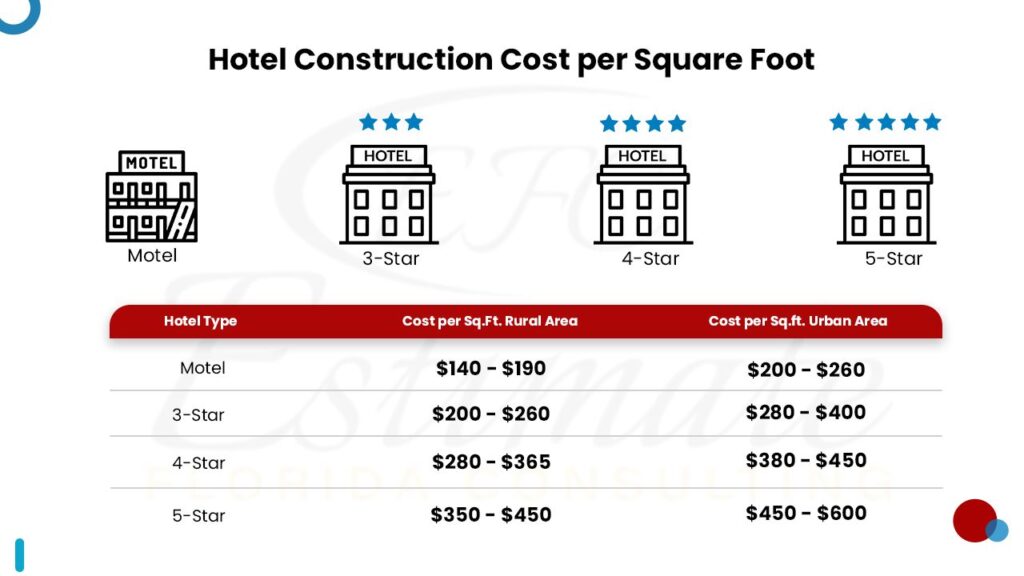
These options are ideal for backpackers, solo travelers, or anyone prioritizing experiences outside the hotel over lavish accommodation. Compromises often include shared facilities, less central locations, or fewer amenities.
Mid-Range Options: Comfort and Value
The mid-range category is where most travelers find a comfortable balance between cost and quality.
- 3-Star Hotels: These are the workhorses of the industry, typically costing $100 to $250 per night. Brands like Holiday Inn Express, Hampton Inn, or Courtyard by Marriott fall here. They generally offer clean, comfortable rooms, private bathrooms, free Wi-Fi, and often a small gym or complimentary breakfast.
- Serviced Apartments: For slightly more, typically $120 to $300 per night, you can get a studio or one-bedroom apartment with a kitchenette, providing more space and flexibility, especially for family trips or extended business stays.
- Good Value Boutique Hotels: Some boutique hotels can be found in this range, offering unique charm without the exorbitant prices of their luxury counterparts.
This segment is popular for family travel, couples, and standard business travel, offering reliable service and a good range of standard amenities.
Luxury and High-End Accommodation: Indulgence and Exclusivity
At the top end of the spectrum, luxury hotels and resorts offer unparalleled experiences, service, and exclusivity.
- 4-5 Star Hotels: Prices typically start from $250 to $1,000+ per night. Examples include Four Seasons, Ritz-Carlton, St. Regis, or high-end boutique hotels. These properties boast exquisite design, gourmet fine dining, lavish spas, state-of-the-art fitness centers, and impeccable concierge services.
- Luxury Resorts: Especially in destinations like Hawaii, the Maldives, or Bali, resorts can easily exceed $500 to $2,000+ per night, particularly for all-inclusive packages or premium villas.
- Private Villas: Rental villas, often found in Tuscany, the Caribbean, or Mexico, can range from $300 to several thousand dollars per night, depending on size, location, and included staff.
This segment is for luxury travelers, honeymooners, or those seeking an indulgent, hassle-free experience where every detail is taken care of.

Smart Booking Strategies: Maximizing Value and Saving Money
The price you ultimately pay for a hotel room isn’t just about the property itself; it’s also heavily influenced by how and when you book. Savvy booking strategies can unlock significant savings and enhance your overall travel experience.
Timing is Everything: When and How to Book
One of the most impactful strategies involves the timing of your booking.
- Advance Booking: For popular destinations and peak seasons, booking several months in advance is often recommended. This secures better rates before demand drives them up, especially for unique or high-demand properties.
- Last-Minute Deals: Conversely, if you have flexibility, waiting until the last minute (a few days before arrival) can sometimes yield significant discounts as hotels try to fill empty rooms. However, this is a gamble, particularly in busy periods or for specific room types.
- Flexibility with Dates: Being able to adjust your travel dates by a day or two, or choosing mid-week stays over weekends, can often result in considerable savings. Tools with flexible date search options are invaluable here.
- Mid-week vs. Weekend Rates: Many business-oriented hotels offer lower rates on weekends, while leisure destinations may have lower mid-week rates.
- Booking Platforms vs. Direct Booking: Online travel agencies (OTAs) like Expedia, Booking.com, or Kayak offer convenient comparison tools and package deals. However, booking directly with the hotel’s website can sometimes provide better rates, loyalty program benefits, or exclusive perks like free breakfast or room upgrades. It’s always wise to compare both.
Unlocking Discounts and Special Offers
Beyond timing, there are several ways to tap into special pricing:
- Loyalty Programs: Joining loyalty programs from major chains like Marriott Bonvoy or Hilton Honors can earn you points for free stays, member-exclusive rates, and elite status perks.
- Package Deals: Combining your hotel with a flight or car rental through an OTA can often result in overall savings compared to booking each component separately.
- Student, Senior, or Corporate Discounts: Many hotels offer specific discounts for students, seniors, military personnel, or corporate affiliations. Always inquire if you qualify.
- Long-term Stays: For extended trips, especially those lasting a week or more, many hotels and serviced apartments offer weekly or monthly rates that are significantly lower than the cumulative nightly rate. Companies like Extended Stay America specialize in this.
- Flash Sales and Promotions: Keep an eye out for limited-time sales, typically advertised on hotel websites or OTA newsletters.
Beyond the Nightly Rate: Hidden Costs and What to Look For
The quoted nightly rate isn’t always the final price. Hidden costs can quickly add up and inflate your total bill.
- Taxes and Fees: Almost all hotel stays are subject to government taxes and, increasingly, local city taxes or tourism fees. These can add 10-20% or more to your bill.
- Resort Fees: Prevalent in many resort destinations like Las Vegas or Orlando, these mandatory daily fees cover amenities like Wi-Fi, gym access, or pool towels, and are often not included in the initial quoted price.
- Parking: If you’re driving, parking fees, especially in major cities, can be substantial (e.g., $30-$70+ per day).
- Wi-Fi: While increasingly free, some hotels, particularly luxury ones, still charge for premium-speed Wi-Fi.
- Breakfast: Always check if breakfast is included. If not, consider the cost of dining out each morning.
- Cancellation Policies: Understand the hotel’s cancellation policies. Flexible options usually come at a slightly higher price, but can save you money if your plans change unexpectedly.
Always review the “total cost” before confirming your booking to get an accurate picture of what you’ll actually pay.
Lifestyle and Purpose: Tailoring Your Accommodation Choice
Your personal lifestyle and the specific purpose of your trip are paramount in determining the ideal and most cost-effective hotel choice. There’s no one-size-fits-all answer; what works for a solo adventurer might be unsuitable for a large family or a corporate executive.
Travel Style: Backpacking to Business
- Budget Travel & Backpacking: If your primary goal is to explore a destination without spending much on lodging, hostels, basic guesthouses, or even camping are your best bets. You’ll sacrifice some privacy and amenities but gain community and significant savings.
- Family Travel: Families often need more space, multiple beds, and kid-friendly amenities like pools, play areas, or kitchenettes. Suites in mid-range hotels, apartment hotels, or vacation rentals (like Airbnb or Vrbo) often offer better value and convenience than booking two separate rooms. Resorts in places like Orlando are tailored for this.
- Business Travel: For business stays, convenience to meeting locations, reliable Wi-Fi, quiet rooms, and sometimes business centers or meeting facilities are crucial. Mid-range to upscale hotels near corporate hubs or airports are typical choices, often covered by corporate rates.
- Luxury Travel & Honeymoons: For special occasions or those seeking ultimate indulgence, luxury hotels, boutique hotels, or exclusive resorts offer unparalleled service, exquisite surroundings, and memorable experiences. Price is less of a concern than the quality and exclusivity of the offering.
- Adventure Travel: Those venturing into remote areas for hiking or wildlife viewing might opt for eco-lodges, wilderness cabins, or more rustic accommodation that aligns with the natural history and nature of the area, even if it means foregoing traditional hotel amenities.
Duration of Stay: Short-term vs. Long-term
The length of your trip also influences the per-night cost and the type of accommodation that offers the best value.
- Short-term Stays (1-3 nights): For quick trips, traditional hotels (from budget to luxury) are usually the most convenient option. Daily rates are the standard, and you’re paying for immediate services.
- Long-term Stays (Week or More): If you’re staying for an extended period, the per-night cost often decreases. Many hotels offer weekly or monthly discounts, especially for properties designed for longer stays, like Extended Stay America or Residence Inn. Serviced apartments or apartment rentals become highly competitive, offering kitchens and more living space, which can save money on food costs. These are particularly useful for expats, temporary relocations, or digital nomads exploring cities like Lisbon or Bangkok.
In conclusion, the price of a hotel is rarely a fixed figure. It’s a dynamic reflection of various factors, from the grandeur of a destination and the lavishness of its offerings to the simple act of when and how you click “book.” By understanding these intricate layers, leveraging smart booking strategies, and aligning your choice with your unique lifestyle and travel purpose, you can confidently answer the question “How much is a hotel?” for your specific needs, ensuring a rewarding and well-valued journey. Happy travels!
LifeOutOfTheBox is a participant in the Amazon Services LLC Associates Program, an affiliate advertising program designed to provide a means for sites to earn advertising fees by advertising and linking to Amazon.com. Amazon, the Amazon logo, AmazonSupply, and the AmazonSupply logo are trademarks of Amazon.com, Inc. or its affiliates. As an Amazon Associate we earn affiliate commissions from qualifying purchases.