
The digital nomad lifestyle promises freedom, adventure, and the ability to work from anywhere with an internet connection. However, the success of this life hinges entirely on one crucial element: reliable, compact, and high-performance technology. Unlike traditional travelers, a digital nomad’s tech stack is their entire office, client meeting room, and communication hub, all packed into a carry-on bag.
In 2025, the landscape of portable tech has evolved significantly. Devices are smaller, more powerful, and crucially, more integrated. Choosing the right gear is a balancing act between minimizing weight and maximizing productivity. This comprehensive guide breaks down the essential categories of tech gear that every remote worker needs to thrive while constantly moving, ensuring seamless connectivity and security across borders.
The Core Productivity Hub: Laptops and Displays
The laptop is the single most important tool in a digital nomad’s arsenal. It must be powerful enough to handle demanding work tasks yet light enough to carry daily without strain.
Choosing the Ideal Laptop
The current trend leans heavily towards ultra-portability without compromising processor speed. When selecting a laptop for nomad life, consider these factors:
- Portability and Weight: Aim for devices under 3 pounds (1.36 kg) and screen sizes between 13 and 14 inches. Modern processors offer incredible power efficiency, allowing for lighter chassis designs.
- Battery Life: Look for a minimum of 8–10 hours of real-world battery life. Working in remote cafés or during long layovers means outlets are often scarce.
- Processor and RAM: For standard remote work (writing, coding, light design), 16GB of RAM is the new baseline for comfortable multitasking. For intensive tasks like video editing, prioritize the latest generation processors (e.g., Apple M-series or high-end Intel/AMD chips).
- Durability: A durable build is essential, as the laptop will endure constant packing, temperature changes, and occasional bumps.
Secondary Screen Solutions
While single-screen laptop work is manageable, adding a second screen can significantly boost productivity, especially for complex tasks like coding, data analysis, or graphic design.
- Portable Monitors: These are slim, lightweight (often under 1.5 lbs), and powered by a single USB-C cable. They easily slide into a laptop sleeve and provide an immediate, multi-display setup in any temporary workspace.
- Tablet Functionality: High-end tablets (like the iPad Pro or Samsung Galaxy Tab) can often double as a secondary, touch-enabled monitor via specific apps or operating system features, adding multi-functionality to your gear list.
Connectivity and Power: Staying Online and Charged
Connectivity is the lifeblood of the digital nomad. Slow internet, dead batteries, or incompatible plugs can shut down an entire workday.
Reliable Internet Access Anywhere
Relying solely on café Wi-Fi is a recipe for frustration. A diversified internet strategy is necessary:
- Unlocked Smartphone and Local SIMs: The most reliable and cost-effective method. An unlocked phone allows you to purchase inexpensive local data plans immediately upon arriving in a new country.
- Portable Wi-Fi Hotspots (MiFi): While less common now due to improved phone tethering, a dedicated MiFi device is useful for team collaboration or when multiple devices need secure connection simultaneously.
- VPN Service: Essential for security. A Virtual Private Network (VPN) encrypts your data, protecting sensitive information when connected to public Wi-Fi networks in airports, hostels, or cafés.
Universal Power Management
Managing power sources is crucial when hopping across continents with different plug types and voltages.
- Universal Travel Adapter: This is non-negotiable. Choose a high-quality adapter with multiple USB ports (including USB-C PD) built-in, allowing you to charge multiple devices (phone, watch, power bank) while using the single outlet adapter. You can review the best travel adapters for international trips to ensure you pick one capable of handling the demands of modern electronics.
- High-Capacity Power Bank: A power bank with at least 20,000mAh capacity and USB-C Power Delivery (PD) output is vital. This can recharge a modern laptop once or a smartphone several times, providing a safety net during long journeys or power outages.
- Single High-Wattage Charger: Replace multiple small chargers with one high-wattage (65W or higher) Gallium Nitride (GaN) charger. GaN technology allows these chargers to be tiny yet powerful enough to fast-charge both your laptop and phone simultaneously, significantly reducing weight and bulk.
Audio and Communications: Professional Remote Presence
Whether it’s a client pitch, a team meeting, or an interview, clear audio and video are essential for maintaining a professional presence remotely.
Noise Isolation and Microphones
Cafés, busy hostels, and street noise are constant challenges.
- Noise-Canceling Headphones (NC): Over-ear NC headphones are invaluable for concentration in loud environments and for blocking out ambient noise during calls. Look for models with excellent microphone clarity to ensure your voice, not the background noise, is transmitted clearly.
- External Microphone (Optional): If your work involves podcasting, professional video calls, or voiceovers, a compact USB lavalier or tabletop microphone (like the Rode NT-USB Mini) will provide superior studio-quality audio compared to a built-in laptop mic.
Compact Webcams
While built-in webcams are sufficient for quick check-ins, an external 1080p or 4K webcam is a worthwhile investment for high-stakes meetings or interviews, offering better resolution, low-light performance, and field of view adjustment.
Organization and Security: Protecting Your Investment
A minimalist approach to packing extends to how you manage and protect your gear. Poor organization leads to wasted time and damaged equipment.
Cable Management Systems
The sheer number of cables, adapters, and dongles required by a nomad can quickly lead to a tangled mess.
- Tech Pouch/Organizer: Use a dedicated, structured tech pouch to store all cables, flash drives, power bricks, and small gadgets. This keeps items protected and makes setup/teardown fast.
- Cable Ties/Straps: Use Velcro or rubber cable ties to neatly coil every cord immediately after use.
Data Security and Backup
Your digital data is arguably more valuable than your hardware. Loss, theft, or damage should not mean the end of your business.
- Cloud Backup: Automate daily backups of your most critical files to a reliable cloud service (Dropbox, Google Drive, Backblaze).
- External Solid State Drive (SSD): A small, rugged 1TB or 2TB external SSD is essential for backing up your entire system image or large project files offline. SSDs are far more durable and shock-resistant than traditional Hard Disk Drives (HDDs), making them ideal for travel.
- Physical Security: Use a small luggage lock or cable lock to secure your laptop bag to an immovable object when you briefly step away in a café or co-working space.
Streamlining the Pack: Going Carry-On Only
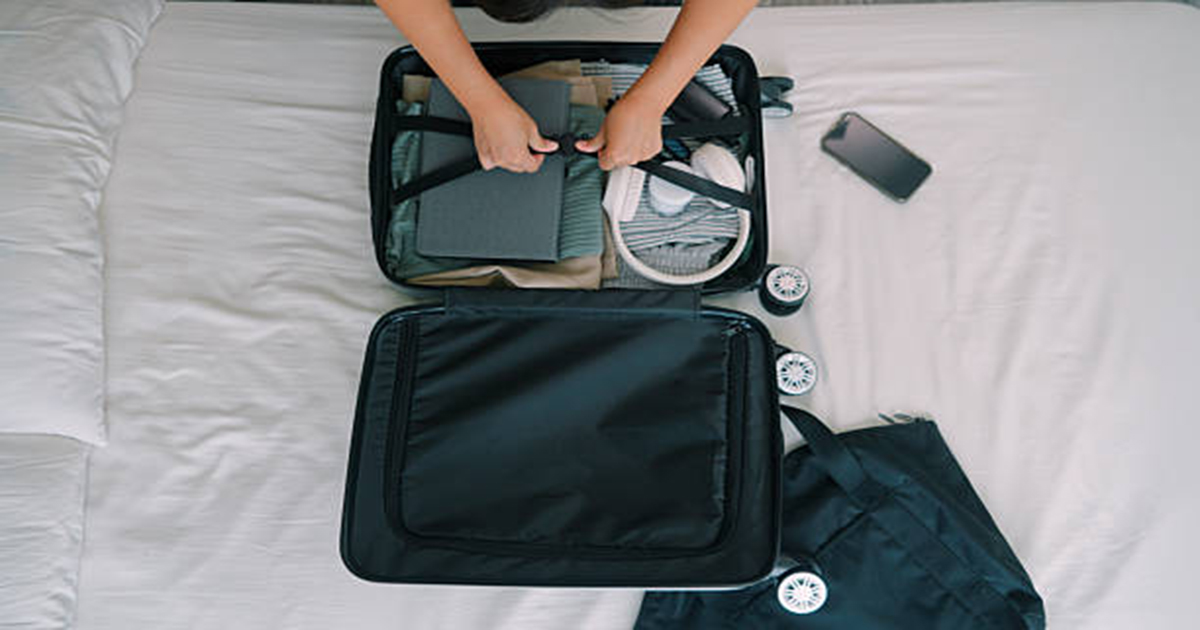
The goal of every digital nomad is to fit their entire life and office into a single backpack. The right gear choices facilitate this.
- Multi-Purpose Gear: Every item should ideally serve two functions. For example, a tablet acts as a secondary screen and an entertainment device.
- The Right Bag: A well-designed travel backpack is necessary to protect and organize your high-value tech. The best options offer padded, quick-access laptop compartments and internal organizational sleeves. Reviewing the best travel backpacks is the first step in protecting your expensive gear. The tech section of your pack must be easily accessible for airport security, as detailed in many guides focusing on what’s in my carry-on bag.
By meticulously selecting only the most functional, durable, and compact tools—from your high-powered laptop to your single GaN charger—you transform the logistical headache of a remote office into a streamlined system. This attention to your essential tech gear for digital nomads ensures that your focus remains on your work and the incredible places you travel, not on struggling with obsolete or oversized equipment.
LifeOutOfTheBox is a participant in the Amazon Services LLC Associates Program, an affiliate advertising program designed to provide a means for sites to earn advertising fees by advertising and linking to Amazon.com. Amazon, the Amazon logo, AmazonSupply, and the AmazonSupply logo are trademarks of Amazon.com, Inc. or its affiliates. As an Amazon Associate we earn affiliate commissions from qualifying purchases.