
There are few things more unsettling for a traveler than discovering unwelcome guests in their hotel room, especially when those guests are tiny, blood-sucking pests like bed bugs. While the allure of exploring a new destination or unwinding in a luxurious resort often overshadows such concerns, the reality is that bed bugs can be found in any type of accommodation, from budget hostels to five-star suites. Proactive checking is not just a recommendation; it’s an essential ritual for ensuring a comfortable stay and preventing an unwanted souvenir from hitching a ride home with you. This comprehensive guide will equip you with the knowledge and steps to thoroughly inspect your hotel room, safeguarding your travel experience and peace of mind.
The Unwanted Travel Companion: Understanding Bed Bugs
Before embarking on your inspection, it’s crucial to understand what you’re looking for. Knowing the enemy is the first step in successful detection and prevention, particularly for those who frequently book various forms of accommodation, from apartments to villas.
What Are Bed Bugs and Where Do They Hide?
Bed bugs (Cimex lectularius) are small, reddish-brown, nocturnal insects that feed exclusively on the blood of warm-blooded animals, humans being their preferred host. Adults are typically about the size and shape of an apple seed, flat and oval before feeding, becoming more swollen and elongated afterward. Nymphs (young bed bugs) are smaller and lighter in color, making them harder to spot. Their eggs are tiny, white, and often hidden in crevices.
These resilient pests are masters of hiding. While their name suggests they primarily reside in beds, their habitat extends far beyond the mattress. They are attracted to warmth and carbon dioxide, leading them to congregate near their food source. Common hiding spots include:
- Mattresses and Box Springs: Especially along seams, tufts, and tags.
- Bed Frames and Headboards: In cracks, crevices, and joints.
- Nightstands and Dressers: Inside drawers, along runners, and in any gaps.
- Upholstered Furniture: Sofas, chairs, and their cushions.
- Curtains and Draperies: Along the folds and seams.
- Walls: Behind picture frames, loose wallpaper, and electrical outlets.
- Carpets: Especially around the edges and under furniture.
Understanding their preferred hiding places is key to conducting an effective inspection, whether you’re staying in a cozy guesthouse or a sprawling resort.
Why Are Bed Bugs a Growing Concern for Travelers?
The global resurgence of bed bugs in recent decades has made them a significant concern for the travel and tourism industries. Increased international travel, changes in pest control practices, and their growing resistance to insecticides have contributed to their widespread distribution across destinations from London to Tokyo.
For travelers, the implications are more than just a nuisance:
- Physical Discomfort: Bed bug bites typically result in itchy welts, which can lead to skin irritation and secondary infections from scratching. For some, allergic reactions can be more severe.
- Psychological Distress: The thought of being bitten while sleeping can cause anxiety, insomnia, and a general feeling of unease, significantly diminishing the quality of one’s stay and overall travel experience.
- Financial Burden: Dealing with an infestation, whether it’s in the hotel or inadvertently brought back home, can incur significant costs for professional extermination and cleaning.
- Reputational Damage: For hotels, an encounter with bed bugs can lead to negative reviews, harming their reputation and impacting future bookings, especially in a competitive accommodation market.
This growing concern highlights why a proactive approach to checking for bed bugs is an indispensable part of modern travel tips, impacting everything from budget travel decisions to luxury travel expectations.
Your Pre-Check-In Protocol: A Step-by-Step Guide
The battle against bed bugs begins even before you step into your assigned room. A strategic approach can significantly reduce your risk and enhance your peace of mind, contributing to a smoother overall travel experience, whether you’re embarking on business stays or a family trip.
Before You Book: Research and Reviews
The internet is a powerful tool in your pre-travel arsenal. Before finalizing any booking, take the time to conduct thorough research, focusing specifically on reviews related to cleanliness and pest control.
- Check Accommodation Review Platforms: Websites like TripAdvisor, Booking.com, and Google Reviews are excellent resources. Search for keywords such as “bed bugs,” “bites,” “infestation,” “cleanliness,” or “pests” within the reviews.
- Look for Patterns: A single isolated complaint might be an anomaly, but multiple similar reports across different timeframes could indicate a recurring issue. Pay attention to how management responded to these complaints, if at all.
- Specialized Databases: There are even specific online databases dedicated to reporting bed bug incidents in hotels, though their comprehensiveness can vary.
- Consider Hotel Chains: While no hotel is immune, some reputable hotel chains are known for having robust pest control protocols. However, even the most prestigious resorts, like a Four Seasons Resort in Hawaii, can experience an isolated incident. Always verify recent reviews.
Prioritizing this research can save you from a lot of potential hassle and ensure that your chosen accommodation meets your cleanliness standards, setting the stage for a positive experience exploring local culture or famous places.
First Impressions Count: The Luggage Strategy
Once you arrive at your hotel room, resist the urge to immediately plop your luggage onto the bed or floor. This seemingly innocuous action can provide bed bugs with an easy pathway into your belongings, turning them into unwitting carriers.
- Initial Placement: Your luggage, especially soft-sided bags, should never touch the bed or any upholstered furniture until you’ve completed your inspection.
- Elevate and Isolate: The safest spot for your luggage during the initial check is typically in the bathroom (in the tub or on the counter) or on a hard, elevated surface like a luggage rack, desk, or dresser. Bed bugs have difficulty climbing smooth, slick surfaces.
- Keep Zipped: Ensure all your bags remain zipped closed until you are confident the room is clear. This minimizes entry points for any lurking pests.
This simple yet effective strategy minimizes the risk of bed bugs hitching a ride into your luggage, protecting your clothes and personal items from potential contamination before your full inspection even begins, a crucial tip for all types of travel, from an adventure in Patagonia to a serene escape in the Maldives.
The Thorough Inspection: What, Where, and How to Look
With your luggage safely stowed, it’s time for the main event: a detailed inspection of your hotel room. This process should be systematic and comprehensive, focusing on areas where bed bugs are most likely to hide. Remember, a flashlight (your phone’s flashlight works well) and a magnifying glass (if you have one) can be incredibly helpful.
The Mattress and Bed Frame: The Primary Battleground
The bed is ground zero for bed bug activity, as it provides the closest proximity to their human hosts. This is where you should dedicate the most meticulous part of your search.
- Peel Back the Sheets: Start by pulling back all the sheets, blankets, and mattress covers. Pay close attention to the fitted sheet, as bugs can hide underneath it.
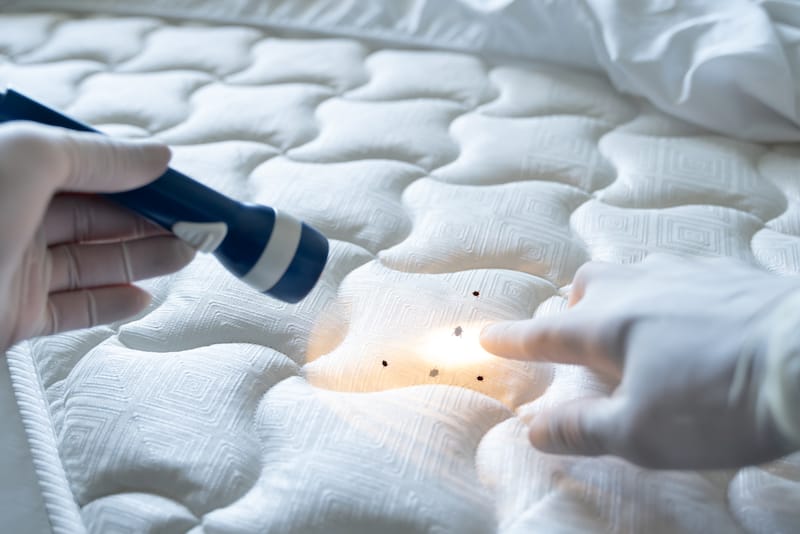
- Inspect Mattress Seams and Tufting: Carefully examine all seams, piping, and tufting on the mattress. This requires lifting the mattress to inspect both sides and edges. Look for live bugs, shed skins, small dark spots (fecal matter), or tiny, white, oval eggs.
- Check the Box Spring: Lift the mattress entirely to inspect the box spring. This often requires peeling back the dust ruffle or fabric covering on the underside. Bed bugs love to hide in the corners, along the edges, and within any tears in the fabric.
- Examine the Bed Frame and Headboard: Dismantle the headboard from the wall if possible, or at least pull it away to inspect the back. Scrutinize all cracks, crevices, screw holes, and joints of the bed frame. Wooden and upholstered headboards are particularly susceptible to hiding these pests. Check behind any wall-mounted headboards or artwork directly above the bed.
This methodical approach to inspecting the bed area is paramount for any type of accommodation, from a suite in Paris to an apartment in Rome.

Beyond the Bed: Expanding Your Search
While the bed is the most common hotspot, bed bugs are resourceful and will spread to nearby furniture and fixtures if an infestation is severe or long-standing.
- Nightstands and Dressers: Empty the drawers and inspect them thoroughly. Check the corners, undersides, and inside the drawer runners. Pull nightstands and dressers slightly away from the wall to inspect the back and floor area.
- Chairs, Sofas, and Upholstered Furniture: Examine the seams, tufts, and undersides of any upholstered chairs, sofas, or recliners in the room. Lift cushions and check beneath them.
- Curtains and Window Treatments: Carefully inspect the folds, seams, and top edges of curtains, as well as the curtain rod and wall mounts.
- Behind Wall Art and Mirrors: Pull pictures and mirrors slightly away from the wall and inspect the back of the frames and the wall behind them.
- Electrical Outlets and Light Switches: Use your flashlight to peer into the tiny gaps around electrical outlets and light switches. Bed bugs are tiny enough to squeeze into these areas.
- Closets: Check the baseboards inside closets, any shelving, and particularly the area where the carpet meets the wall.
Expanding your search beyond the immediate vicinity of the bed ensures a comprehensive inspection, giving you confidence in your accommodation choice, whether it’s a budget hotel or a luxury villa with unique amenities.
Recognizing the Signs: What to Look For
Knowing what signs to look for will make your inspection much more effective. Beyond the live bugs themselves, there are several tell-tale indicators of their presence:
- Live Bed Bugs: Small, reddish-brown, apple seed-sized insects, either flat (unfed) or swollen (fed). Nymphs are smaller and lighter.
- Shed Skins (Exoskeletons): As bed bugs grow, they shed their outer shell five times. These empty, translucent skins are often found in hiding spots and are a definitive sign of an infestation.
- Fecal Spots: Small, dark, rust-colored or black spots, about the size of a period. These are bed bug droppings, which are digested blood. They often bleed into fabric like ink from a marker. A good test is to wipe them with a wet cloth; if they smear, it’s likely fecal matter.
- Blood Smears: Small, reddish or rusty spots on bed sheets or mattresses, which can be caused by crushing a fed bed bug or from bites themselves.
- Eggs: Tiny, pearly white, oval-shaped eggs (about 1mm long) often found in clusters in crevices. They are challenging to spot but indicate an active breeding population.
- Musty Odor: In cases of severe infestation, a distinct, sweet, musty odor, often compared to coriander or spoiled raspberries, may be present.
Being able to identify these signs quickly is a key skill for any traveler, crucial for maintaining a high standard of lifestyle and preventing disruptions to your carefully planned experiences, be it exploring the history of Athens or the natural beauty of Yellowstone National Park.
What to Do If You Find Bed Bugs
Despite your best efforts and thorough inspection, you might still encounter bed bugs. The key is to remain calm, act quickly, and follow a clear protocol to protect yourself and your belongings.
Immediate Action: Document and Report
Finding bed bugs is certainly distressing, but panic won’t help. Instead, focus on documentation and communication with hotel staff.
- Do Not Disturb the Room: Resist the urge to start killing bugs or cleaning the area yourself. This could destroy evidence.
- Document the Evidence: Take clear photographs or videos of any live bugs, shed skins, fecal spots, or blood smears you find. Note the exact locations where you found them. This visual evidence will be crucial when dealing with hotel management.
- Immediately Contact Hotel Management: Go directly to the front desk or call them from a different phone if you can. Politely but firmly explain your findings and present your evidence.
- Request a New Room or Refund:
- New Room: If you request a new room, insist that it is not adjacent (above, below, or beside) to the infested room, as bed bugs can travel through wall voids. Ask for a room on a different floor or in a completely different wing if possible. Inspect the new room thoroughly as well.
- Refund: If no suitable alternative room is available, or if you no longer feel comfortable staying at that property, request a full refund. Be prepared to stand your ground, especially with your photographic evidence. Many reputable hotels, such as the Marriott Bonvoy properties or Hilton Hotels, have policies in place to address such issues promptly to protect their brand and customer experience.
- Refuse to Pay for the Infested Room: Under no circumstances should you agree to pay for a room that was infested.

Prompt and professional action on your part will help resolve the situation efficiently and ensure your safety and well-being, preserving the quality of your travel and accommodation experience.
Protecting Your Belongings: Post-Encounter Protocol
Even after switching rooms or hotels, you must take precautions with your belongings to avoid bringing bed bugs home with you. This applies to all travelers, whether on a short business trip or a long-term stay.
- Inspect All Luggage: Before moving to a new room or leaving the hotel, thoroughly inspect the exterior and interior of all your luggage. Use your flashlight to check seams, pockets, and zippers.
- Isolate Contaminated Items: If you suspect any items (especially clothing) have come into contact with bed bugs, immediately place them in sealed plastic bags. Heavy-duty garbage bags are a good option.
- Heat Treatment for Clothes: Bed bugs and their eggs are highly susceptible to heat.
- As soon as possible, wash all clothes (even unworn ones) from your luggage in hot water (at least 60°C or 140°F) and then dry them on the highest heat setting for at least 30 minutes. The dryer’s heat is often more effective than the washing machine’s.
- Items that cannot be washed can often be run through a hot dryer cycle or professionally dry cleaned.
- Luggage Treatment:
- Hard-shell luggage can be wiped down with a hot, soapy cloth.
- Soft-sided luggage should also be inspected thoroughly. Consider vacuuming it carefully (immediately disposing of the vacuum bag in an outdoor bin) and then placing it in a sealed bag in a hot car for several hours on a sunny day, or in a deep freeze if temperatures allow.
- Never bring potentially infested luggage directly into your home. Leave it in a garage or utility room until it has been thoroughly treated.
These steps are critical for safeguarding your home and maintaining a comfortable lifestyle free from unwanted pests, ensuring that your travel memories are happy ones, whether you visited a historical landmark like the Eiffel Tower or a bustling city like New York City.
Prevention and Peace of Mind: Long-Term Strategies for Travelers
While thorough inspections are vital, adopting a preventative mindset and incorporating smart travel habits can significantly reduce your risk of encountering bed bugs and maintain peace of mind throughout your journeys. This is especially relevant for those who travel frequently for leisure or business.
Travel Smarter: Luggage and Packing Tips
The choices you make regarding your luggage and packing can play a crucial role in prevention.
- Hard-Shell Luggage: Opt for hard-sided suitcases over soft-sided ones. Hard surfaces offer fewer crevices and seams for bed bugs to hide in and are easier to wipe clean.
- Packing Cubes: Using packing cubes helps organize your clothes and can provide an extra layer of containment. If one area is suspected, you can isolate specific cubes.
- Plastic Bags: Pack essential items, or even all clothing, in large, sealable plastic bags within your suitcase. This acts as a barrier, preventing bugs from easily accessing your belongings.
- Laundry Bags: Always carry sealable plastic bags for dirty laundry. This keeps potentially contaminated clothing separate from clean items and ready for immediate heat treatment upon returning home.
- Minimize Clutter: Try not to overpack. Fewer items mean fewer places for bugs to hide and fewer items to inspect and treat later.
These simple adjustments to your packing routine can offer substantial protection, enhancing the overall security of your accommodation experience.
Choosing Your Accommodation Wisely
Your choice of hotel or resort significantly impacts your bed bug risk. While no place is 100% immune, certain factors can guide you toward safer options.
- Reputation and Cleanliness Standards: Generally, hotels with a strong brand reputation and consistent positive reviews for cleanliness are a safer bet. These establishments often have dedicated pest control programs and quick response teams.
- Type of Accommodation: While bed bugs can be found anywhere, high-turnover accommodations (like some budget hostels or properties with inconsistent management) might pose a slightly higher risk due to less stringent cleaning protocols or slower response times to infestations.
- Avoid Ground Floor Rooms (if possible): While not a guaranteed preventative, ground floor rooms could theoretically have a slightly higher chance of external pest ingress, though bed bugs primarily spread through human hosts and luggage.
- Long-Term Stay Considerations: For extended stays, such as in apartments or villas, maintaining communication with property management about pest control practices is even more important. Regular cleaning and attention to detail are paramount for your lifestyle.
By carefully considering these aspects during your booking process, you can make more informed decisions that contribute to a worry-free travel lifestyle, whether you’re exploring the ancient ruins of Machu Picchu or the modern architecture of Dubai.
When You Get Home: Preventing a Home Infestation
The final, and perhaps most crucial, step in bed bug prevention occurs when you return home. An infestation in your residence is far more disruptive and costly than one in a hotel.
-
Post-Trip Luggage Protocol:
- Outside First: If possible, unpack your suitcase in a garage, utility room, or even outside. Never bring it directly into your bedroom.
- Immediate Laundry: All clothing, worn and unworn, should go directly into the washing machine for a hot wash and high-heat dry (as detailed above).
- Inspect and Treat Luggage: Thoroughly vacuum your suitcase, paying close attention to seams and pockets. Immediately dispose of the vacuum bag in an outdoor trash bin. Consider wiping down hard surfaces with disinfectant wipes.
- Storage: Store luggage in an attic, garage, or utility closet, preferably in a sealed plastic bag, rather than in your bedroom.
-
Inspect Other Travel Items: Any items that traveled with you, like shoes, toiletries bags, or backpacks, should also be inspected and, if possible, cleaned or treated with heat.
By implementing these diligent post-travel precautions, you can ensure that the only memories you bring back from your journeys are cherished ones, free from the unwelcome and persistent presence of bed bugs. These steps are essential for maintaining the comfort and sanctity of your home, allowing you to fully enjoy the benefits of travel, from new experiences and cultural immersion to relaxing holidays in beautiful destinations.
In conclusion, while the threat of bed bugs can seem daunting, a combination of awareness, diligent inspection, and smart preventative measures can effectively minimize your risk. By following this comprehensive guide, travelers can confidently check into any accommodation, knowing they have the tools to ensure a safe, clean, and truly enjoyable stay, preserving the joy and excitement that travel should always bring.
LifeOutOfTheBox is a participant in the Amazon Services LLC Associates Program, an affiliate advertising program designed to provide a means for sites to earn advertising fees by advertising and linking to Amazon.com. Amazon, the Amazon logo, AmazonSupply, and the AmazonSupply logo are trademarks of Amazon.com, Inc. or its affiliates. As an Amazon Associate we earn affiliate commissions from qualifying purchases.