
The allure of travel often begins with the dream of a destination, be it the bustling streets of New York City, the romantic canals of Venice, or the serene beaches of the Maldives. However, transforming that dream into a tangible itinerary hinges significantly on one crucial decision: when to book your hotel. In the dynamic world of travel and accommodation, timing isn’t just a matter of convenience; it’s the cornerstone of securing the best rates, ensuring availability, and ultimately, shaping the quality of your overall experience. Whether you’re a luxury traveler seeking an exclusive suite at a Four Seasons resort or a budget-conscious adventurer searching for a cozy apartment, understanding the rhythm of hotel pricing can lead to substantial savings and a more enjoyable trip. This comprehensive guide will navigate the complexities of hotel booking, revealing the optimal windows, savvy strategies, and common pitfalls to avoid, ensuring your next stay, whether for business or leisure, is perfectly planned and priced.

Understanding the Dynamics of Hotel Pricing
Hotel pricing is a sophisticated interplay of supply, demand, seasonality, and global events, making it far more intricate than a simple fixed rate. To truly master the art of booking, travelers must first grasp these underlying dynamics, which dictate when prices soar and when they dip.
The Impact of Seasonality and Demand
Seasonality is arguably the most significant factor influencing hotel rates. Every destination has its peak, shoulder, and off-peak seasons, each with distinct pricing structures and availability. Peak season, typically aligned with ideal weather conditions, major holidays, or school breaks, sees demand surge, leading to higher prices and limited options. Imagine trying to book a beachfront villa in Cancun during spring break, or a charming boutique hotel in Paris in the height of summer; prices will inevitably be at their premium. Conversely, off-peak season, characterized by less favorable weather or fewer tourists, offers the lowest rates and abundant availability. Shoulder season, nestled between peak and off-peak, often presents the sweet spot: pleasant weather, fewer crowds, and more reasonable prices. Understanding the specific seasonal rhythms of your chosen destination, be it Rome’s scorching summer or Tokyo‘s enchanting cherry blossom period, is the first step toward strategic booking.

Special Events and Holidays: Booking Early Is Key
Beyond general seasonality, specific events and holidays act as powerful magnets for tourism, creating temporary spikes in demand that can dwarf regular peak season pricing. Major sporting events like the Olympics, cultural festivals such as Mardi Gras in New Orleans, or large-scale conferences can inflate hotel rates exponentially and lead to rooms selling out months in advance. Similarly, holidays like Christmas, New Year’s Eve (especially in iconic cities like London or Sydney), or regional festivals unique to countries like Mexico or Thailand will command premium prices. For these high-demand periods, the adage “the early bird catches the worm” couldn’t be more accurate. Procrastination almost guarantees disappointment, not just in price but in availability. Securing accommodation far in advance is not just advisable; it’s often essential.
The Myth and Reality of Last-Minute Deals
The romanticized notion of snagging incredible last-minute hotel deals often leads travelers astray. While such opportunities do exist, they are increasingly rare for desirable properties in popular destinations during peak times. Last-minute deals typically arise from hotels trying to fill distressed inventory – unsold rooms that would otherwise generate no revenue. This is more common in larger cities with an abundance of hotels, during off-peak seasons, or for less sought-after dates. For instance, a midweek stay in Chicago in January might yield a great last-minute deal, whereas attempting the same for a weekend in San Francisco in October would likely result in exorbitant prices or no rooms at all. Furthermore, the selection for last-minute bookings is often limited, leaving you with fewer choices in terms of amenities, room type, or location. While a spontaneous traveler might occasionally strike gold, relying on last-minute discounts for critical trips is a high-stakes gamble.
General Booking Windows for Optimal Savings and Availability
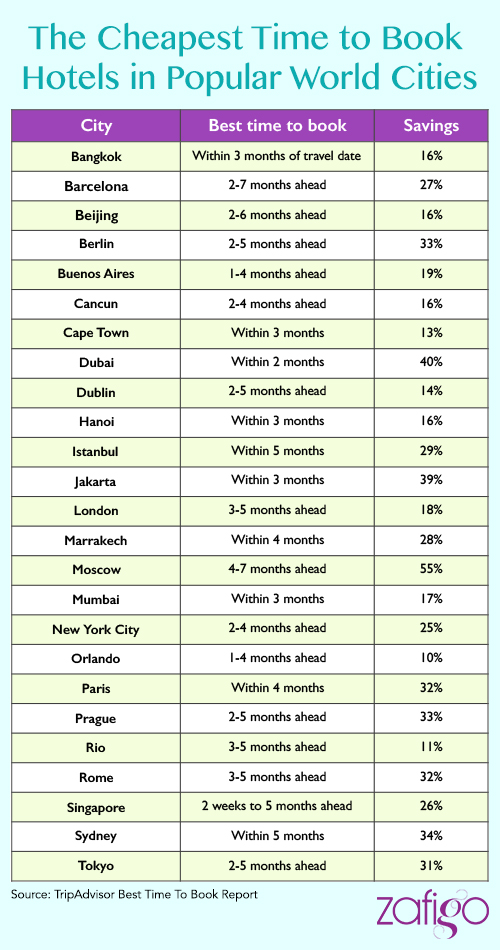
Navigating the optimal booking window requires a nuanced approach, differentiating between domestic and international travel, as well as considering the specific type of destination. While there’s no universal magic number, general guidelines can significantly enhance your chances of securing the best value.
Domestic Travel: The 1-3 Month Sweet Spot
For travel within your home country or region, a booking window of one to three months out often proves to be the sweet spot. During this period, airlines typically release their most competitive fares, and hotels begin to adjust their pricing based on initial demand projections. Booking within this timeframe allows you to capitalize on good rates before availability becomes constrained. For a family trip to a national park like Yellowstone National Park or a weekend getaway to a charming city like Charleston, aiming for two to three months ahead is ideal. This window also offers a good balance between planning flexibility and securing a decent rate. If you’re traveling during a local holiday or a popular event (e.g., Austin during SXSW), extending this window to four to six months is highly advisable to avoid disappointment.
International Adventures: Planning Further Ahead
Venturing across borders introduces additional complexities, making longer lead times crucial. For international trips, aiming to book your hotel three to six months in advance is generally recommended, and for truly once-in-a-lifetime journeys or peak season travel, extending this to nine to twelve months can be beneficial. The reasons are manifold: international flights often require earlier booking for the best prices, and securing these first can dictate your overall travel dates. Additionally, popular international destinations, particularly those in countries like Italy, France, or Japan, attract global demand, meaning rooms fill up quickly. For complex itineraries involving multiple cities like Kyoto and Osaka or Florence and Rome, booking further out ensures continuity and preferred accommodation types, from luxury suites to charming villas. This extended planning horizon also allows ample time to research local culture, potential attractions, and plan your daily experiences without the added stress of last-minute accommodation hunts.
Strategic Booking for Specific Destinations
The ideal booking window can also vary dramatically based on the type of destination.
- City Breaks: For major metropolitan hubs like London, Berlin, or Singapore, a 2-4 month window is usually sufficient, as these cities typically have a high volume of hotels and frequent business travel, which can lead to midweek deals. However, for a specific event like Oktoberfest in Munich or the Edinburgh Festival Fringe in Scotland, booking 6-12 months out is non-negotiable.
- Beach Resorts and Island Getaways: Destinations like Bora Bora, the Caribbean, or resorts in Dubai often require 4-6 months, especially for popular periods like winter escapes or summer holidays. Many of these properties, particularly all-inclusive resorts or overwater bungalows, have limited inventory and high demand.
- Ski Trips: Planning a ski vacation to places like Aspen in Colorado or Whistler Blackcomb in Canada warrants booking 6-9 months in advance. The ski season is finite, and prime lodging, especially ski-in/ski-out options, gets reserved quickly.
- National Parks and Remote Destinations: Accommodations within or immediately adjacent to popular national parks (e.g., Grand Canyon National Park, Zion National Park) or remote lodges often book up 9-12 months ahead due to extremely limited availability. These unique accommodation options are part of the core “attraction” and are highly sought after.
Savvy Strategies for Securing the Best Hotel Rates
Beyond timing your booking, several proactive strategies can help you maximize savings and ensure a comfortable stay. These tactics empower travelers to be flexible, leverage resources, and make informed decisions.
Embrace Flexibility in Dates and Destinations
One of the most potent weapons in a savvy traveler’s arsenal is flexibility. If your travel dates aren’t set in stone, playing with your arrival and departure days can yield significant savings. Midweek stays (Tuesday, Wednesday, Thursday nights) are almost invariably cheaper than weekends in most cities, as business travel often subsidizes these nights, and leisure demand is lower. Shifting your trip by even a day or two can sometimes unlock hundreds of dollars in savings. Similarly, being flexible with your destination can open up a world of possibilities. Instead of being fixated on Amsterdam, consider nearby, equally charming cities like Bruges or Ghent which might offer better value without sacrificing the European experience. This flexibility aligns with a lifestyle of exploration and discovering hidden gems, which often come with a more attractive price tag.
Leverage Loyalty Programs and Direct Bookings
For frequent travelers, hotel loyalty programs are invaluable. Chains like Marriott Bonvoy, Hilton Honors, and World of Hyatt offer members exclusive rates, complimentary upgrades, late check-outs, and even free nights after accumulating points. While these programs are tied to specific brands (e.g., St. Regis under Marriott, Waldorf Astoria under Hilton), the benefits can be substantial over time. Furthermore, booking directly through the hotel’s official website often provides perks not available through third-party sites. Many hotels offer “best rate guarantees,” promising to match or beat any lower price found elsewhere, sometimes with an additional discount or amenity. Direct bookings also streamline communication, simplify special requests, and can provide a more personalized experience, which is particularly appealing for luxury travel or unique accommodation needs.
The Power of Price Comparison and Alerts
Before committing to a booking, always utilize price comparison websites. Tools like Google Hotels, Kayak, Skyscanner, or Expedia (not for linking, but for concept) aggregate prices from various online travel agencies (OTAs) and direct hotel sites, giving you a comprehensive overview of available rates. Remember that some OTAs might include taxes and fees in their initial display, while others add them at the final checkout, so always compare the “all-in” price. Even after booking, set up price alerts. Some websites allow you to track the price of a specific hotel on your chosen dates and notify you if the price drops. If you’ve booked a cancellable rate, you might be able to rebook at the lower price, effectively saving money after your initial reservation. This diligent approach ensures you’re always getting the most competitive price possible for your chosen accommodation, be it a suite, resort, apartment, or villa.
Avoiding Common Pitfalls and Ensuring a Smooth Stay
Even with the best intentions and strategies, travelers can fall prey to common booking errors. Being aware of these pitfalls can save you from unnecessary stress, unexpected costs, and a less-than-ideal travel experience.
Don’t Underestimate Popular Periods
The biggest mistake many travelers make is underestimating the demand during popular periods. Thinking you can find a cheap hotel in Dublin for St. Patrick’s Day or a spacious apartment in Rio de Janeiro during Carnival a few weeks in advance is a recipe for disaster. These periods attract visitors from across the globe, driving prices sky-high and availability to near zero. Even relatively niche events, like a major tech conference in San Francisco or a film festival in Cannes, can significantly impact local hotel markets. Always research local calendars and holiday schedules before settling on your booking window, especially if your travel dates are fixed. This foresight is crucial for enjoying local culture and activities without the headache of last-minute hotel scarcity.
The Importance of Cancellation Policies and Reviews
Always, always read the fine print of a hotel’s cancellation policy. While non-refundable rates often come with a lower price tag, they offer zero flexibility if your plans change unexpectedly. For many travelers, the slightly higher cost of a flexible, free-cancellation rate is a worthwhile investment for peace of mind. Life happens – flights get canceled, emergencies arise – and having the option to adjust or cancel your booking without penalty can be invaluable. Equally important is consulting recent reviews from reputable sources. Websites specializing in accommodation reviews provide insights into everything from cleanliness and customer service to the quality of amenities and the accuracy of online descriptions. These reviews are goldmines of information, helping you avoid unpleasant surprises and ensuring the hotel truly meets your expectations for a comfortable and enjoyable stay, whether it’s for a family trip, a business stay, or a romantic escape.
Booking a hotel doesn’t have to be a daunting task. By understanding the intricate dance of supply and demand, leveraging strategic booking windows, embracing flexibility, and utilizing smart tools and tactics, you can confidently secure the perfect accommodation for your next adventure. Whether your journey takes you to the historic landmarks of Athens, the vibrant markets of Marrakech, or the luxurious resorts of the Gold Coast in Australia, thoughtful planning is your ticket to a stress-free and memorable experience. So, mark your calendars, do your research, and get ready to unlock the world of travel at its best value.
LifeOutOfTheBox is a participant in the Amazon Services LLC Associates Program, an affiliate advertising program designed to provide a means for sites to earn advertising fees by advertising and linking to Amazon.com. Amazon, the Amazon logo, AmazonSupply, and the AmazonSupply logo are trademarks of Amazon.com, Inc. or its affiliates. As an Amazon Associate we earn affiliate commissions from qualifying purchases.