
The Plaza Hotel in New York City stands as an undisputed icon of luxury, elegance, and timeless grandeur. More than just a place to stay, it is a living landmark, woven into the very fabric of the city’s history, culture, and social scene. Overlooking Central Park and situated at the crossroads of Fifth Avenue and Grand Army Plaza, its distinctive chateau-style architecture has graced countless postcards, films, and novels, making it a dream destination for travelers worldwide seeking a quintessential New York experience. However, behind the opulent façade and storied past lies a complex and fascinating tale of ownership, one that reflects the ever-evolving landscape of global investment, real estate, and the challenges of preserving historical properties in a modern era.
For many, the question of “Who owns the Plaza Hotel?” might seem straightforward, but the answer is anything but simple. Like many historic and high-value accommodations in prime urban locations, its ownership has changed hands numerous times since its inception. Each transition has brought new visions, challenges, and transformations, shaping the hotel’s identity from a grand turn-of-the-century resort to a hybrid model blending traditional hotel suites with luxury residences. This journey through various owners – from prominent American families to international investment groups and even a famous real estate mogul – tells a compelling story of ambition, preservation, and the enduring appeal of one of the world’s most recognizable hotels. Understanding its ownership requires delving into its rich history, the economic forces at play, and the strategic decisions that have defined its existence for over a century, offering a unique perspective on the intersection of travel, tourism, and high-stakes real estate development.
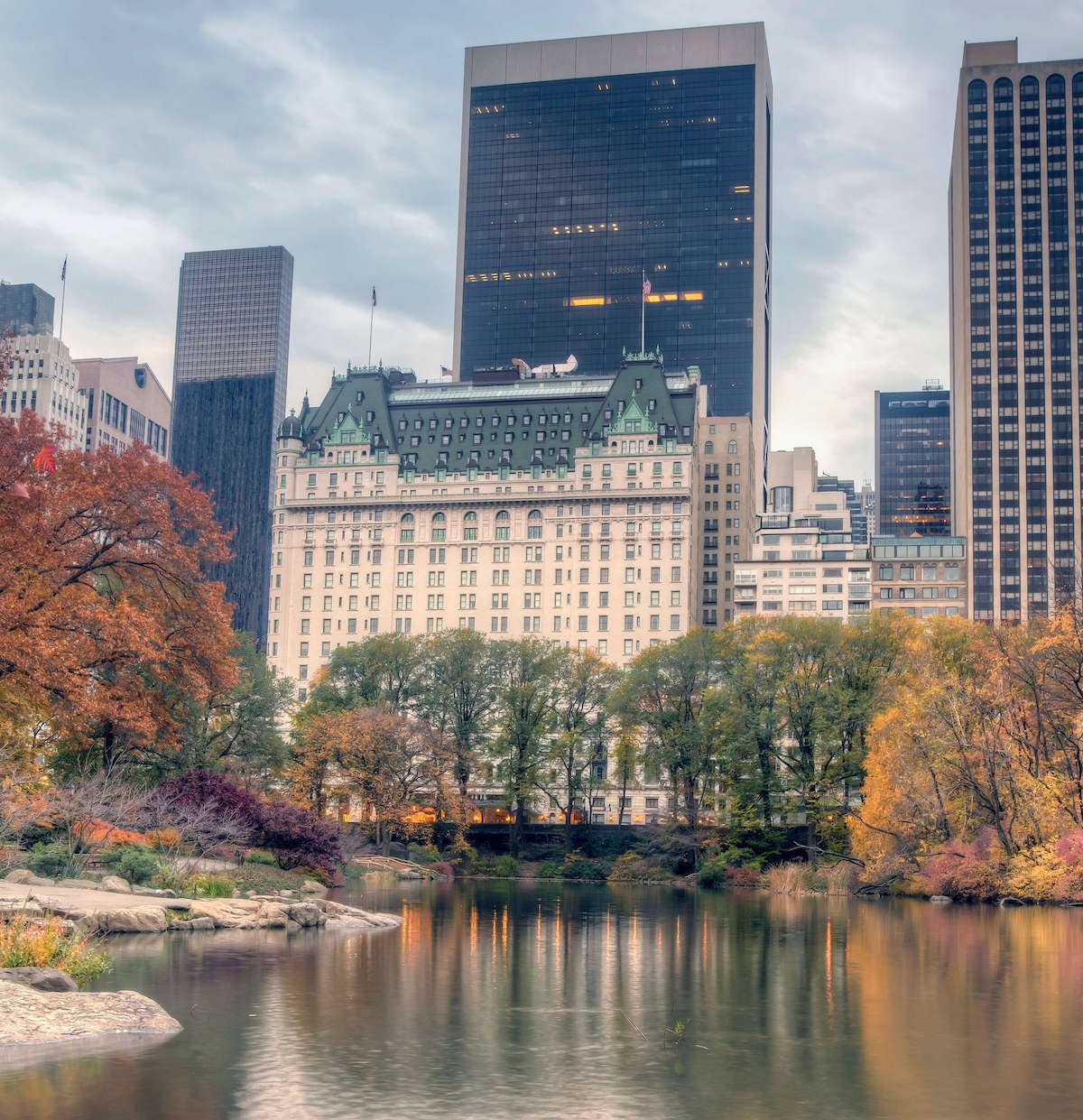
The Plaza Hotel: A Legacy of Luxury and Landmark Status
Before dissecting its intricate ownership, it’s essential to appreciate what makes the Plaza Hotel so coveted. Its status as a New York landmark isn’t just about its prime location; it’s about a deep-seated legacy of luxury, architectural splendor, and its pivotal role in the city’s social and cultural narrative.
Origins and Architectural Grandeur
The Plaza Hotel officially opened its doors on October 1, 1907, designed by the renowned firm of Henry Janeway Hardenbergh, who also designed the Waldorf-Astoria Hotel. It was built by Harry S. Black, then president of the United States Realty Company. The vision was clear: to create the greatest hotel in the world, a palatial establishment that would cater to the city’s burgeoning elite and discerning travelers. Costing an astronomical $12.5 million at the time, it was a testament to Gilded Age extravagance.
Its French Renaissance chateau-style architecture instantly set it apart, making it an architectural marvel. The building’s majestic façade, elaborate interiors, and unparalleled views of Central Park quickly established it as a symbol of New York sophistication. Every detail, from the grand ballrooms to the intricate mosaics and crystal chandeliers, was meticulously crafted to exude an aura of timeless luxury. This commitment to grandeur has been a consistent thread throughout its history, influencing every owner’s approach to its preservation and modernization. For travel enthusiasts interested in landmarks and architecture, the Plaza offers a captivating glimpse into early 20th-century urban design and the aspirations of an ambitious city.
A New York Icon in Culture and Travel
Beyond its physical attributes, the Plaza Hotel earned its iconic status through its profound impact on popular culture and its role as a premier travel destination. It has served as the backdrop for countless legendary events, from Truman Capote’s famous Black and White Ball to the Beatles’ first American visit. Its glamorous interiors have been immortalized in films like “North by Northwest,” “Breakfast at Tiffany’s,” “Home Alone 2: Lost in New York,” and “The Way We Were.” Children globally associate it with Eloise, the mischievous fictional character who famously lived at the Plaza, turning it into a whimsical destination for families.
This cultural omnipresence has cemented the Plaza’s reputation not just as an elite hotel, but as an aspirational experience for anyone visiting New York. Its opulent suites, world-class dining at venues like The Palm Court, and impeccable service continue to attract a diverse clientele, from business travelers and honeymooners to celebrities and discerning tourists. For those planning travel itineraries, a visit to the Plaza, even if just for afternoon tea, is often highlighted in guides as a quintessential New York activity. Its status as a landmark means any owner must grapple not just with commercial viability, but with the immense responsibility of preserving a piece of American heritage.

Tracing the Ownership Tapestry: From Post to Global Conglomerates
The story of the Plaza Hotel’s ownership is a dynamic narrative, punctuated by periods of great success, economic downturns, and strategic re-imaginings. Each owner has left an indelible mark, reflecting the economic trends and societal shifts of their time.
Early Visionaries and the Hilton Era
The initial owners, led by Harry S. Black, saw the Plaza through its grand opening and initial years. However, its first major ownership change came in 1943 when Conrad Hilton, the visionary behind Hilton Hotels, acquired it for $7.4 million. Hilton quickly understood the Plaza’s unique appeal, focusing on maintaining its luxury status while integrating it into a larger hotel portfolio. Under Hilton’s stewardship, the Plaza continued to thrive as a premier destination, attracting a global clientele and upholding its reputation for exceptional service and amenities.
In 1953, the Hilton Corporation sold the Plaza to Hotel Corporation of America (later known as Sonesta International Hotels Corporation). Then, in 1955, the wealthy real estate investor A.M. Sonnabend bought the Plaza, aiming to further solidify its reputation as a beacon of high society. These early ownership changes, while significant, largely preserved the Plaza’s identity as a singular, grand hotel. They laid the groundwork for its enduring appeal and established the precedent that owning the Plaza was not merely a financial transaction, but a custodianship of a cultural treasure.
The Trump Interlude and Fairmont’s Stewardship
Perhaps one of the most recognizable periods of Plaza ownership began in 1988 when Donald Trump acquired the hotel for a staggering $407.5 million. At the time, he famously declared he had “bought a masterpiece – the ultimate dress-up, black-tie party, the ultimate building, the ultimate location.” Trump’s ownership was marked by a highly publicized and ambitious renovation, aimed at restoring the hotel’s original splendor while infusing it with his characteristic brand of ostentatious luxury. Despite his grand plans and initial enthusiasm, Trump’s tenure was financially turbulent, leading to its eventual sale in 1995 to a consortium led by Prince Al-Waleed bin Talal’s Kingdom Holding Company and CDL Hotels International, with Fairmont Hotels & Resorts taking over management.
The Fairmont era (1995-2004) saw the Plaza continue its operation as a traditional five-star hotel. Fairmont, known for its expertise in managing luxury properties, focused on maintaining the Plaza’s esteemed reputation for service and refined elegance. This period was crucial in ensuring the hotel remained a top choice for discerning travelers and a significant draw for tourism in New York, upholding the standards expected of such a prominent accommodation landmark.
International Investment and the Rise of Residential Living
A pivotal shift in the Plaza’s identity and ownership structure occurred in 2004 when it was purchased for $675 million by Elad Properties, an Israeli company owned by Isaac Tshuva. This acquisition marked a radical departure from its previous iterations. Elad’s ambitious plan was to convert a significant portion of the hotel into private luxury condominiums, leaving only a smaller, albeit still grand, portion to operate as a traditional hotel.
This transformation was controversial, sparking debates about the commodification of historical landmarks and the changing face of luxury travel in New York. However, the residential units, known as The Plaza Residences, were immensely successful, selling for record-breaking prices and attracting affluent buyers from around the globe seeking a permanent address in one of the city’s most prestigious locations. The renovation cost over $400 million, revitalizing the building’s infrastructure while preserving its historic grandeur. This move fundamentally altered the Plaza’s business model, diversifying its revenue streams beyond traditional hotel accommodation and intertwining its fate with the volatile high-end real estate market. This hybrid model, with separate entrances and distinct management for the residential and hotel components, added layers of complexity to its subsequent ownership transitions.
The Current Custodians: A Complex Web of Investment
The ownership narrative of the Plaza Hotel has continued to evolve, marked by further international investment and strategic partnerships, reflecting the global nature of luxury properties today.
The Transition to Qatar Investment and Ashkenazy Acquisition
Following the successful conversion and subsequent management by Fairmont Hotels & Resorts (under a separate agreement for the hotel portion), the Plaza Hotel once again became a target for major investors. In 2018, after a period of financial distress for previous stakeholders, the hotel portion (the 282 guest rooms and suites, along with public spaces) was officially acquired by an entity backed by Qatar’s state-owned Katara Hospitality, a subsidiary of the Qatar Investment Authority (QIA). This acquisition, reportedly valued at approximately $600 million, underscored the enduring global appeal of the Plaza as a premier asset.
However, the picture is more nuanced than a single buyer. While Katara Hospitality acquired the main hotel operations and many of the public spaces, the Plaza still has other key owners. The Ashkenazy Acquisition Corporation, a New York real estate investment firm led by Ben Ashkenazy, holds a significant stake, including the retail portion of the Plaza (such as the famous Plaza Food Hall) and some of the commercial spaces. They had been involved in previous ownership groups and solidified their position.
Therefore, currently, the principal ownership of the Plaza Hotel is predominantly held by Katara Hospitality, representing the state of Qatar, which owns the majority of the hotel rooms and public areas, and Ashkenazy Acquisition Corporation, which holds the retail and other commercial spaces. This dual ownership structure necessitates careful coordination for the overall management and brand integrity of the Plaza.
The Delicate Balance of Hotel and Residential Management
The existence of the Plaza Residences further complicates the ownership and management structure. These private condominiums are individually owned by various individuals and entities, completely separate from the hotel ownership. While residents benefit from access to some hotel amenities and services, they operate under a distinct condominium board and management, managing the unique lifestyle of long-term stays within a historic landmark.
This complex web means that while Katara Hospitality is the primary owner and operator of the Plaza Hotel as a hospitality destination, they share the iconic building with Ashkenazy Acquisition Corporation (for retail) and hundreds of private condominium owners. Managing such a multi-faceted property requires an intricate understanding of both the hospitality industry and high-end residential real estate, ensuring that the legacy of the Plaza is preserved while meeting the diverse needs of its various stakeholders. For travelers looking for accommodation reviews or booking tips, this means distinguishing between the hotel rooms and the privately owned villas or apartments that might occasionally become available for long-term stays through third-party services.
The Enduring Allure: Why the Plaza Remains a Premier Destination
Despite the shifts in ownership and business models, the Plaza Hotel continues to captivate and enchant. Its enduring appeal lies not just in its physical beauty or historical significance, but in its ability to offer an unparalleled blend of luxury, service, and a tangible connection to New York’s glamorous past.
Unparalleled Amenities and Guest Experiences
Under its current stewardship, the Plaza Hotel maintains its commitment to offering a world-class guest experience. The hotel boasts a range of luxurious amenities, from its exquisitely appointed suites and rooms to its iconic Palm Court, famous for its afternoon tea tradition. Guests can indulge in fine dining experiences, relax at the Guerlain Spa, or browse luxury boutiques within the Plaza Food Hall. Each detail, from the white-gloved elevator operators to the personalized concierge service, is designed to ensure a stay that is both memorable and impeccably comfortable.
For discerning travelers seeking more than just accommodation, the Plaza offers a unique blend of historical charm and modern convenience. Its rooms and suites, many with stunning views of Central Park, feature lavish furnishings, state-of-the-art technology, and spacious bathrooms, providing an environment of ultimate relaxation and refinement. These offerings ensure the Plaza remains a top contender in the highly competitive New York luxury hotel market, consistently attracting travelers seeking the pinnacle of hospitality. For those planning family trips, the hotel’s Eloise Suite offers a particularly enchanting experience for younger guests.

A Symbol of New York Glamour and Global Tourism
Ultimately, the Plaza Hotel transcends its status as a mere hotel or even a landmark; it is a symbol. It embodies the aspirational glamour of New York City and holds a special place in the global consciousness as an icon of luxury, elegance, and enduring style. Its story of ownership, marked by a succession of influential figures and international entities, is a testament to its immense value and strategic importance in the global real estate and hospitality sectors.
The current ownership, led by Katara Hospitality and Ashkenazy Acquisition Corporation, faces the continuous challenge and privilege of upholding this legacy. Their role is to ensure that the Plaza remains not only a commercially successful enterprise but also a meticulously preserved historical attraction and a vibrant hub for both local culture and international tourism. For anyone exploring New York, the Plaza is more than just a place; it’s an essential part of the city’s identity, an experience in itself, and a timeless destination that continues to inspire awe and capture the imagination of millions around the world. Its multifaceted ownership ensures its future will likely be as rich and dynamic as its past, continually adapting to new trends in lifestyle and travel while steadfastly retaining its legendary allure.
LifeOutOfTheBox is a participant in the Amazon Services LLC Associates Program, an affiliate advertising program designed to provide a means for sites to earn advertising fees by advertising and linking to Amazon.com. Amazon, the Amazon logo, AmazonSupply, and the AmazonSupply logo are trademarks of Amazon.com, Inc. or its affiliates. As an Amazon Associate we earn affiliate commissions from qualifying purchases.