
The name Four Seasons evokes an immediate sense of unparalleled luxury, meticulous service, and unforgettable experiences in the world of premium hospitality. From breathtaking urban skyscrapers to secluded island resorts, the brand has sculpted a reputation as a global leader in high-end accommodation. Yet, behind the scenes of this opulent empire lies a fascinating and somewhat complex ownership structure that isn’t immediately apparent to the discerning traveler or industry observer. Far from being a monolithic entity owned by a single individual or corporation, the stewardship of Four Seasons Hotels is shared among some of the world’s most influential figures and investment powerhouses, a testament to the brand’s enduring value and strategic importance in the luxury market. Understanding who truly owns and controls Four Seasons reveals much about its strategic direction, its commitment to excellence, and its continued evolution within the dynamic landscape of global tourism.
The Tangled Web of Luxury Ownership
The ownership of Four Seasons Hotels is primarily concentrated in the hands of two immensely powerful investors: Bill Gates through his private investment firm, Cascade Investment, and Prince Alwaleed bin Talal of Saudi Arabia, via his conglomerate, Kingdom Holding Company. This unique partnership has steered the brand for over a decade, guiding its expansion and maintaining its stringent standards.
Unpacking the Majority Stake: Bill Gates’ Cascade Investment
In a significant move that reshaped the luxury hotels landscape, Bill Gates, co-founder of Microsoft and one of the world’s wealthiest individuals, substantially increased his stake in Four Seasons in 2021. Through his investment vehicle, Cascade Investment, Gates acquired a controlling interest, raising his ownership to an impressive 71.25%. This acquisition involved purchasing a portion of the shares previously held by Prince Alwaleed, solidifying Cascade Investment’s position as the majority owner.
Cascade Investment is a private company that manages Bill Gates’ vast fortune, diversifying his portfolio across various sectors, including real estate, energy, and hospitality. Its involvement with Four Seasons dates back to 2007 when it partnered with Kingdom Holding Company and Isadore Sharp (the founder) to take the company private. The decision to increase its stake underscores Cascade’s long-term confidence in the Four Seasons brand, its robust business model, and the enduring demand for ultra-luxury travel experiences. This majority ownership provides Cascade Investment significant influence over the strategic direction, financial decisions, and future growth trajectory of Four Seasons Hotels.
The Enduring Influence of Prince Alwaleed and Kingdom Holding Company
Despite selling a portion of his shares to Cascade Investment, Prince Alwaleed bin Talal remains a pivotal figure in the ownership structure of Four Seasons. His Kingdom Holding Company (KHC) retains a substantial 23.75% stake in the company. Prince Alwaleed, a prominent investor with a global portfolio, has been instrumental in the Four Seasons narrative for decades. KHC’s involvement showcases a deep understanding of the luxury market and a commitment to high-quality assets.
The prince’s investment philosophy often targets established brands with strong potential for growth and profitability, aligning perfectly with the Four Seasons’ prestige and performance. His enduring stake ensures that his vision and deep industry knowledge continue to contribute to the brand’s governance and expansion. This long-standing partnership between Cascade Investment and Kingdom Holding Company, though now weighted differently, is a cornerstone of the Four Seasons’ stability and strategic outlook.
Isadore Sharp: The Visionary Founder’s Ongoing Legacy
While the majority ownership has shifted to institutional investors, the heart and soul of Four Seasons remain tied to its founder, Isadore Sharp. A Canadian businessman, Sharp founded the company in 1960 with the opening of his first motel in Toronto, Canada. His vision was to create a hotel chain defined by exceptional service and a relentless focus on the guest experience—a philosophy that became the brand’s hallmark.
Even after the privatization in 2007 and the subsequent ownership changes, Isadore Sharp retains a minority stake of 5% in the company. More importantly, he maintains his crucial role on the board of directors, serving as its Chairman. This continued involvement is invaluable, providing historical context, upholding the brand’s founding principles, and ensuring that the ethos of “the Golden Rule”—treating guests as you would wish to be treated—remains at the core of every Four Seasons operation. His legacy is not just in the properties built, but in the service culture meticulously cultivated over decades, a distinct aspect of the Four Seasons lifestyle that continues to attract discerning travelers.

More Than Just Owners: The Unique Four Seasons Business Model
Beyond the question of who owns the shares in the parent company, it’s crucial to understand the distinctive business model that underpins the Four Seasons empire. Unlike many other large hotel chains, Four Seasons typically does not own the vast majority of its properties. Instead, it operates primarily as a management company.
The Management Company Approach: A Partnership for Excellence
The typical Four Seasons property is owned by a third-party real estate developer or investment group. Four Seasons then enters into a long-term management contract with these owners, overseeing all aspects of the hotel’s operation. This includes everything from staff training and service delivery to marketing, reservations, and maintaining the brand’s signature aesthetic and quality standards. In return, Four Seasons receives a percentage of the gross revenue and operating profits.
This asset-light model offers several advantages. For Four Seasons, it minimizes capital expenditure and allows for rapid expansion without the burden of property acquisition and maintenance costs. For the property owners, it provides access to the prestigious Four Seasons brand, its global distribution network, and its proven operational expertise, which translates into higher occupancy rates and premium room prices. This symbiotic relationship ensures that both parties are incentivized to maintain the highest levels of luxury and service. Whether it’s a sprawling resort in Maui or a sophisticated urban retreat in New York, each property benefits from the collective brand strength and meticulous attention to detail.
Maintaining Brand Integrity Across Diverse Ownership
One of the greatest challenges and successes of the Four Seasons model is its ability to ensure consistency in service and quality across a portfolio of properties owned by various entities. This is achieved through rigorous brand standards, extensive staff training programs, and a corporate culture deeply ingrained with Isadore Sharp’s original philosophy. Four Seasons executives work closely with property owners to ensure that every new development or renovation adheres to the brand’s exacting specifications, from the design and amenities to the guest services.
This unwavering commitment to brand integrity is what distinguishes Four Seasons in the competitive luxury hotel market. Guests know that regardless of the location—be it Paris, Kyoto, or the Maldives—they can expect the same elevated level of personalized service, exquisite dining, and world-class facilities. This consistency is paramount for travelers seeking a premium lifestyle experience, making Four Seasons a trusted name among high-net-worth individuals and families planning their next luxurious getaway.
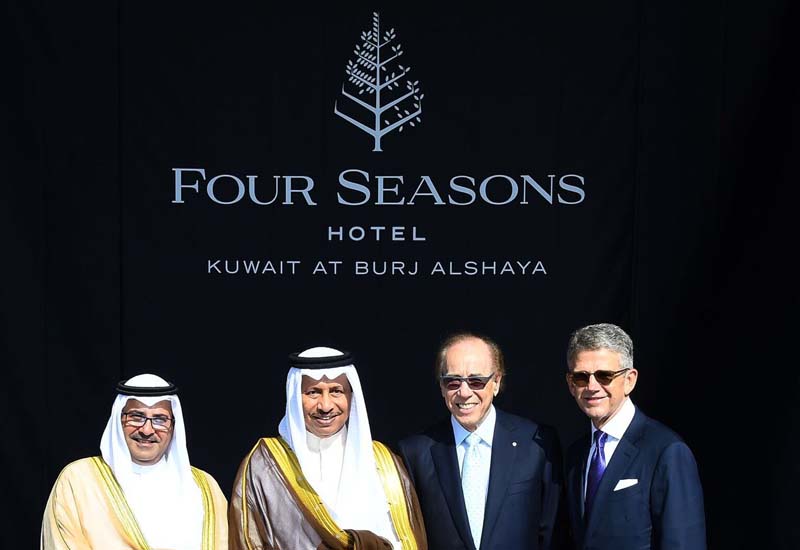
From a Single Hotel to a Global Icon: The Four Seasons Journey
The trajectory of Four Seasons from a modest Canadian motel to a global beacon of luxury hospitality is a compelling narrative of vision, perseverance, and strategic growth. Its evolution mirrors the broader development of the luxury tourism industry.
Early Beginnings and the Birth of Luxury Hospitality
The Four Seasons story began modestly in 1960 with Isadore Sharp’s first hotel in Toronto. However, it was his second property, opened in 1961, that offered a more upscale experience, laying the groundwork for the brand’s future direction. The pivotal moment came with the opening of the Four Seasons Hotel London at Park Lane in 1970, which marked the company’s first foray into the international luxury market. This establishment quickly gained renown for its sophisticated design and impeccable service, setting a new benchmark for urban luxury accommodation in a major global city.
Sharp’s philosophy of “service above all” differentiated Four Seasons from its competitors. He understood that true luxury wasn’t just about opulent surroundings but about anticipatory service and personalized attention. This early focus on the guest experience, combined with an innovative approach to property management, allowed the brand to carve out a unique niche in an increasingly competitive market.

Global Expansion and Adapting to New Horizons
Throughout the 1980s and 1990s, Four Seasons embarked on a strategic global expansion, establishing properties in key destinations across North America, Europe, and Asia. Each new hotel, whether in the bustling heart of New York or the historic streets of Milan, was carefully curated to reflect the local culture and environment while maintaining the quintessential Four Seasons standards. This ability to integrate seamlessly into diverse locales while upholding a global brand identity became a cornerstone of its success.
The turn of the millennium saw continued expansion, with a strong focus on emerging luxury markets and unique resort destinations, from the overwater bungalows of Bora Bora to the cultural richness of Kyoto. The company also diversified its offerings, venturing into residential real estate with branded Four Seasons residences, catering to affluent individuals seeking a permanent slice of the Four Seasons lifestyle. This strategic foresight has enabled Four Seasons to remain at the forefront of the luxury hospitality sector, adapting to changing traveler preferences and global economic shifts.
The Four Seasons Experience: A Pillar of Luxury Travel
At the core of Four Seasons’ enduring appeal is the experience it offers—an immersive journey into refined luxury and bespoke service that defines premium travel. It’s more than just a place to sleep; it’s a destination in itself.
What Defines a Four Seasons Stay?
A stay at a Four Seasons property is characterized by several distinguishing features:
- Exceptional Service: Often cited as the cornerstone of the brand, service at Four Seasons is intuitive, personalized, and anticipatory. Staff are trained to remember guest preferences, address them by name, and anticipate needs before they are even expressed. This level of attentiveness creates a truly memorable and stress-free accommodation experience.
- Exquisite Design and Amenities: Each Four Seasons hotel boasts sophisticated architecture and interior design, often incorporating local artistic elements and natural materials. Rooms and suites are spacious and sumptuously appointed, featuring state-of-the-art technology, luxurious linens, and well-designed bathrooms. World-class amenities, including award-winning spas, gourmet restaurants, infinity pools, and fitness centers, are standard.
- Prime Locations: Four Seasons properties are strategically located in the most desirable urban centers, near iconic landmarks, or in breathtaking natural settings. Whether it’s overlooking the Eiffel Tower in Paris, nestled on a pristine beach in Bora Bora, or offering panoramic views of the Tokyo skyline, the locations themselves are often a significant part of the allure.
- Culinary Excellence: Dining at Four Seasons is an experience in itself, with properties often housing Michelin-starred restaurants and renowned chefs. The emphasis is on fresh, locally sourced ingredients and innovative culinary concepts that cater to diverse palates.
- Family-Friendly Luxury: While synonymous with adult luxury, Four Seasons also excels in catering to families, offering dedicated kids’ programs, family-friendly pools, and specialized services that ensure a comfortable and enjoyable stay for guests of all ages.
Impact on the Luxury Travel and Tourism Landscape
Four Seasons has not only responded to the demands of luxury travel but has also significantly shaped its direction. By continually pushing the boundaries of service and experiential tourism, the brand has influenced industry standards and raised expectations for high-end accommodation. Its presence in a destination often elevates the entire surrounding tourism infrastructure, attracting further investment and drawing in a sophisticated clientele.
The Four Seasons model demonstrates that true luxury lies in details, personalization, and an unwavering commitment to quality. It reinforces the idea that a hotel can be more than just a place to stay—it can be an integral part of the travel narrative, offering unique insights into local culture and providing a sanctuary of comfort and elegance. This reputation makes Four Seasons a preferred choice for those seeking unparalleled excellence in their travels.
The Future of Four Seasons: Navigating a Dynamic Industry
With Bill Gates’ Cascade Investment now holding a controlling stake, alongside the continued influence of Prince Alwaleed and the founding legacy of Isadore Sharp, Four Seasons is well-positioned to navigate the evolving global hospitality landscape. The future will likely see further strategic expansion, particularly in high-growth luxury markets and unique experiential destinations. There’s also a growing emphasis on incorporating sustainable practices and leveraging technology to enhance the guest experience without compromising the human touch that defines the brand.
The owners’ long-term vision and substantial resources provide the stability and capital necessary for Four Seasons to adapt to new challenges, from geopolitical shifts to changing consumer preferences. Whether it’s developing new private residence clubs in destinations like Beverly Hills and Budapest, launching innovative wellness programs, or exploring new frontiers in immersive travel experiences, Four Seasons is set to continue its legacy as a trendsetter in the world of luxury hotels. The ownership structure, far from being a simple corporate detail, is a strategic alliance that empowers Four Seasons to uphold its commitment to excellence, ensuring its position as a global leader in the luxury hospitality sector for decades to come.
LifeOutOfTheBox is a participant in the Amazon Services LLC Associates Program, an affiliate advertising program designed to provide a means for sites to earn advertising fees by advertising and linking to Amazon.com. Amazon, the Amazon logo, AmazonSupply, and the AmazonSupply logo are trademarks of Amazon.com, Inc. or its affiliates. As an Amazon Associate we earn affiliate commissions from qualifying purchases.