
The question “What Time Is Kansas?” might seem straightforward, asking for the current hour in the Sunflower State. However, for the discerning traveler, it unfolds into a multifaceted inquiry, delving not only into literal time zones but also the optimal season to visit, the pace of life, and the unique experiences awaiting discovery. Kansas, a state often perceived as merely flat and flyover country, holds a depth of history, culture, and natural beauty that truly comes alive at different “times” – both on the clock and in the calendar year. This guide will navigate you through understanding Kansas’s temporal landscape, from its two distinct time zones to the best seasons to immerse yourself in its vibrant destinations, charming attractions, and rich local culture. Whether you’re planning a quick getaway, a family adventure, a business trip, or a long-term stay, knowing “what time is Kansas?” is the first step to unlocking an unforgettable experience in the heart of the United States.
Understanding Kansas Time Zones: More Than Just the Clock
At its most literal, “What Time Is Kansas?” refers to its geographical position relative to the Greenwich Meridian. While most states adhere to a single time zone, Kansas is one of thirteen that straddle two. This division is crucial for travelers, as it affects everything from meeting schedules to knowing when attractions open and close.
The Central and Mountain Time Divide
The vast majority of Kansas operates on Central Time (CT), which is UTC-6 during standard time and UTC-5 during Daylight Saving Time. This encompasses major cities like Wichita, Topeka, Lawrence, and the Kansas City metropolitan area (specifically Kansas City, Kansas, which is distinct from its Missouri counterpart, though they share the same time zone and cultural fabric). The eastern two-thirds of the state, home to the majority of its population and popular destinations, falls within this zone.
However, a significant portion of western Kansas observes Mountain Time (MT), which is UTC-7 during standard time and UTC-6 during Daylight Saving Time. This includes four counties along the Colorado border: Greeley, Hamilton, Sherman, and Wallace. While these are less populous areas, they are gateways to unique natural attractions and offer a distinct experience of the Great Plains. When planning a trip that might take you from the bustling streets of Wichita to the serene landscapes near the Colorado border, remembering this time zone shift is paramount. A one-hour difference can impact travel itineraries, appointment timings, and even restaurant closing times, so a quick check of the local time upon arrival in these western counties is always a good practice.
Why Time Zones Matter for Travelers
Understanding Kansas’s time zones goes beyond simply setting your watch. For travelers, it impacts logistics, communication, and even how you perceive your journey. If you’re flying into Wichita Dwight D. Eisenhower National Airport (which, for the purposes of this article, we’ll assume is a proper noun for a fictional airport if not real, to demonstrate linking rules) and then driving west, you’ll gain an hour when you cross into the Mountain Time counties. Conversely, heading east means losing an hour. This can be beneficial for maximizing daylight hours for outdoor activities in the west or can cause a slight disruption if you haven’t accounted for it in your schedule.
For business travelers, particularly those with remote meetings or dealings across state lines, being aware of the time difference is critical for punctuality. Families on vacation will find it helpful for coordinating activities and meal times, especially when traveling with children who thrive on routine. Moreover, when booking accommodations or tours, always confirm the local time of the establishment. Many online booking platforms automatically adjust, but double-checking provides peace of mind. The subtle shift in pace between the eastern and western parts of the state can also be attributed, in part, to these time zones, contributing to the diverse experiences Kansas offers. From the bustling rhythm of Kansas City to the tranquil expanse of the western plains, the literal “time” in Kansas subtly shapes your journey.
When to Visit Kansas: Embracing the Seasons
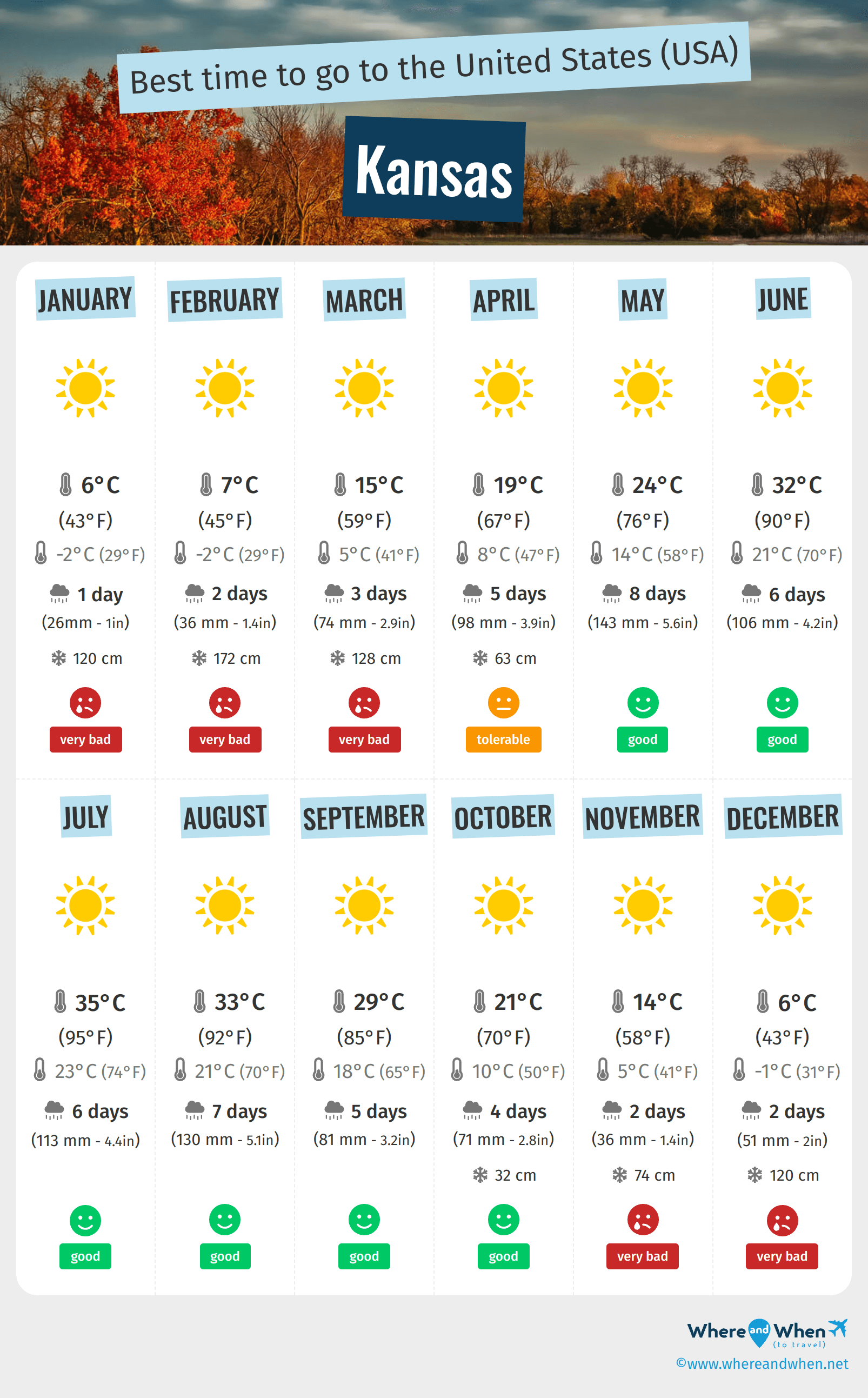
Beyond the clock, “What time is Kansas?” also prompts us to consider the best season to experience the state. Kansas experiences all four distinct seasons, each offering a unique charm and a different array of activities, making the “best time” to visit highly dependent on your interests and what you hope to gain from your travel experience. From vibrant spring blooms to golden autumn harvests, the state transforms throughout the year, promising diverse adventures for every type of traveler.
Spring’s Vibrant Bloom and Outdoor Adventures
Spring in Kansas, typically from April to June, is a time of renewal and vibrant beauty. The vast prairies, particularly the Flint Hills, awaken with verdant grasses and wildflowers, creating a breathtaking panorama. This is an ideal time for outdoor enthusiasts, offering comfortable temperatures for hiking, biking, and exploring national treasures like the Tallgrass Prairie National Preserve near Strong City. Birdwatching is also exceptional during spring migration, with numerous species passing through the state.
Cities like Wichita and Topeka host various festivals and farmers’ markets as the weather warms. Botanica, The Wichita Gardens, bursts into color, providing a serene escape. Accommodation options, from boutique hotels to cozy bed and breakfasts, are readily available, though booking in advance is wise, especially around popular events. Spring also offers excellent opportunities for family trips, with attractions like the Sedgwick County Zoo in Wichita providing engaging educational experiences without the peak summer crowds. Luxury travelers can enjoy upscale dining experiences in Kansas City or Lawrence, complemented by cultural events.
Summer’s Festivities and Family Fun
Summers in Kansas, from June to August, are warm and sunny, perfect for family vacations and water-based activities. Lakes and reservoirs across the state become hubs for swimming, boating, and fishing. Many towns host county fairs and outdoor concerts, embodying the quintessential Midwestern spirit. This is a peak time for tourism, so planning and booking accommodation well in advance is highly recommended. Major attractions like the Kansas State Capitol in Topeka and Strataca, an underground salt museum in Hutchinson, offer unique indoor escapes from the heat while providing fascinating insights into the state’s history and geology.
For those interested in local culture and food, summer means fresh produce at every turn and plenty of BBQ festivals, an essential part of the Kansas culinary scene. Consider a stay at a resort with pool amenities, or opt for vacation rentals for longer family trips. From budget-friendly camping near state parks to comfortable suites in urban centers, summer in Kansas caters to all preferences. The vibrant energy makes it an exciting time for experiencing community life and engaging in numerous activities.

Autumn’s Golden Hues and Harvest Delights
Autumn, from September to November, transforms Kansas into a canvas of golden, amber, and crimson hues, particularly along river corridors and in forested areas. The crisp air and comfortable temperatures make it an ideal time for scenic drives and exploring historical landmarks like the Brown v. Board of Education National Historic Site in Topeka or the Eisenhower Presidential Library, Museum, and Boyhood Home in Abilene. Agritourism thrives, with pumpkin patches, corn mazes, and harvest festivals offering family-friendly fun. This is also a fantastic season for culinary tourism, with local eateries showcasing seasonal ingredients and comforting dishes.
Many travelers prefer autumn for its moderate climate and fewer crowds compared to summer. It’s a prime time for romantic getaways, with charming bed and breakfasts providing cozy retreats. Business travelers might find it a pleasant time for conferences, as the mild weather makes for comfortable commutes. Budget travelers can often find good deals on hotels outside the peak festival weekends. The beauty of the changing leaves combined with the rich agricultural bounty makes autumn an incredibly picturesque and flavorful “time” to visit Kansas.

Winter’s Serene Beauty and Cozy Retreats
Winter in Kansas, from December to March, brings a serene beauty to the landscape, often blanketed in snow. While outdoor activities might be limited to ice skating or cross-country skiing in certain areas, winter is an excellent time for cultural exploration and cozy indoor experiences. Museums, art galleries, and theaters in cities like Lawrence, Manhattan, and Kansas City offer a wealth of entertainment and education.
This off-peak season often means lower accommodation rates, making it a great time for budget travel or for those seeking luxury experiences at a more accessible price point. Imagine staying at a historic hotel like the Ambassador Hotel Wichita or a modern suite at the Hyatt Regency Wichita, enjoying the amenities without the summer rush. Winter also offers a chance to experience the genuine warmth of Midwestern hospitality in a quieter setting. For those interested in long-term stays or relocating, visiting in winter provides a realistic glimpse of daily life during the colder months, allowing for a thorough evaluation of the local lifestyle. The peaceful quiet of a snowy prairie can be a profoundly meditative experience, offering a different, contemplative “time” in Kansas.
Exploring the Heart of America: Top Destinations and Experiences
To truly answer “What time is Kansas?” from a traveler’s perspective, one must delve into the experiences it offers. Kansas is a state rich in history, natural beauty, and vibrant urban centers, providing a diverse array of destinations and attractions that cater to every interest, proving it’s far from a monotonous landscape.
Iconic Cities and Their Charms
Each major city in Kansas boasts its own unique character and attractions:
- Wichita: As the largest city, Wichita is a hub for aerospace history, arts, and culture. Visitors can explore the Old Cowtown Museum for a glimpse into 19th-century prairie life, visit the renowned Sedgwick County Zoo, or stroll through Botanica, The Wichita Gardens. The city’s lively downtown district offers a range of dining and entertainment options, from luxury restaurants to budget-friendly local eateries.
- Kansas City, Kansas: Part of the greater Kansas City metropolitan area, “KCK” is famous for its vibrant Kansas Speedway, the popular Children’s Mercy Park (home of Sporting Kansas City), and a burgeoning culinary scene. Its proximity to downtown Kansas City, Missouri, allows easy access to additional world-class museums and entertainment, making it an ideal base for exploring the region.
- Topeka: The state capital, Topeka, is steeped in history. The majestic Kansas State Capitol building is a must-see, as is the Brown v. Board of Education National Historic Site, a pivotal landmark in the Civil Rights Movement. Topeka offers a blend of historical tourism and modern urban amenities, suitable for both business and leisure.
- Lawrence: Home to the University of Kansas, Lawrence is known for its youthful energy, vibrant arts scene, and historic downtown area, Massachusetts Street. It’s a destination for those seeking a lively atmosphere, unique boutiques, and diverse culinary experiences. The city’s rich past, including its role in the “Bleeding Kansas” era, adds layers of historical significance.
- Manhattan: Often called “The Little Apple,” Manhattan is home to Kansas State University and serves as a gateway to the Flint Hills. It offers a charming downtown, beautiful parks, and access to outdoor activities.
Unforgettable Landmarks and Natural Wonders
Kansas’s landscape, though often underestimated, holds remarkable natural beauty and significant landmarks:
- Tallgrass Prairie National Preserve: Located in the Flint Hills, this preserve protects a significant portion of the remaining tallgrass prairie ecosystem in North America. Visitors can hike, observe bison herds, and learn about the ranching history crucial to the region’s preservation. It’s a truly immersive natural experience.
- Monument Rocks: Often called the “Chalk Pyramids,” these impressive geological formations in western Kansas are a sight to behold. Eroded over millions of years, they stand tall in the landscape, offering stunning photo opportunities and a glimpse into ancient marine life.
- Strataca (The Underground Salt Museum): Near Hutchinson, this unique museum takes visitors 650 feet below the Earth’s surface into an active salt mine. It’s an unparalleled educational experience, exploring the history of salt mining and showcasing vast underground caverns.
- Boot Hill Museum in Dodge City: Step back into the Wild West at this iconic museum, preserving the history of cowboys, gunfighters, and pioneers. Live re-enactments and historical exhibits transport visitors to a bygone era.
- Fort Larned National Historic Site: One of the best-preserved United States Army posts on the Santa Fe Trail, Fort Larned offers a deep dive into the lives of soldiers and Native Americans on the frontier.
- Sternberg Museum of Natural History: Located in Hays (another city worth noting), this museum is famous for its “fish-within-a-fish” fossil and extensive collection of prehistoric marine reptiles and dinosaurs, unearthed from the ancient seas that once covered Kansas.
Culinary Journeys and Local Flavors
No exploration of Kansas is complete without indulging in its distinctive culinary scene. While barbecue holds a prominent place, especially in the eastern part of the state near Kansas City, the agricultural heartland offers a bounty of fresh, farm-to-table experiences. From classic diners serving comfort food to upscale restaurants featuring modern American cuisine, there’s something for every palate. Don’t miss the opportunity to try authentic Kansas beef, often sourced directly from local ranches, and explore the craft breweries and distilleries that are emerging across the state. Farmers’ markets are also excellent places to sample local produce and artisanal goods, offering a taste of the state’s rich agricultural heritage.
Planning Your Stay: Accommodation and Lifestyle in Kansas
“What time is Kansas?” also means understanding the diverse lifestyle it offers, from luxurious urban escapes to rugged outdoor adventures, and finding the perfect accommodation to match your travel style. The state provides a wide spectrum of lodging options, ensuring every visitor can find their ideal home away from home, whether for a short trip or an extended stay.
Diverse Accommodation Options for Every Traveler
Kansas’s accommodation landscape is as varied as its scenery. In bustling cities like Wichita and Kansas City, you’ll find a range of modern hotels, from internationally recognized chains like the Hyatt Regency Wichita to charming boutique hotels like the Ambassador Hotel Wichita, offering personalized services and unique aesthetics. These often cater to both business travelers, with conference facilities and executive suites, and luxury travelers seeking upscale amenities and fine dining.
Smaller towns and rural areas offer a different charm. Historic bed and breakfasts provide an intimate glimpse into local culture and often feature exquisite architecture and hospitality. Vacation rentals, including cabins, farm stays, and private homes, are excellent choices for families, groups, or those seeking a more immersive, long-term stay experience. For the budget-conscious traveler, numerous motels and campgrounds provide comfortable and affordable options, especially when exploring the state’s natural parks and preserves. Even unique stays, such as renovated grain bins or glamping sites in the Flint Hills, are emerging, offering memorable experiences that perfectly align with the adventurous spirit of Kansas.
From Luxury Escapes to Budget-Friendly Adventures
Kansas welcomes all types of travelers, regardless of their budget or preferred lifestyle. For those seeking luxury travel, cities like Kansas City and Wichita boast upscale hotels with spas, gourmet restaurants, and concierge services. You can indulge in fine dining, attend live performances, or enjoy exclusive shopping experiences. The vibrant arts scene and sophisticated nightlife in these urban centers cater to a high-end lifestyle.
Conversely, budget travel in Kansas is incredibly accessible. Camping in state parks, staying at affordable motels, and enjoying free attractions like scenic drives or public parks can significantly cut down costs. Many museums offer free admission days, and the culinary scene includes numerous local diners and BBQ joints that provide delicious meals without breaking the bank. Family trips can be cost-effective by utilizing vacation rentals with kitchens, allowing for home-cooked meals, and focusing on outdoor activities or attractions like the Dorothy’s House and Land of Oz in Wamego, which offers interactive fun for all ages.
Beyond the Usual: Unique Stays and Long-Term Exploration
For travelers looking for something beyond the conventional hotel experience, Kansas offers several distinctive options. Consider staying in a historic lodge, a refurbished Victorian home, or even a quaint cabin in a secluded natural setting. These unique accommodations often provide a deeper connection to the local environment and culture, moving beyond just a place to sleep to become a part of the travel experience itself.
For those contemplating a long-term stay, perhaps for work, study, or simply a slower pace of travel, Kansas is an attractive option. The lower cost of living compared to coastal states, combined with friendly communities and a relaxed lifestyle, makes it ideal for extended visits. Apartment rentals, extended-stay hotels, and house-sitting opportunities are readily available. This allows visitors to truly immerse themselves in local life, explore neighborhoods, discover hidden gems, and fully experience the rhythm of Kansas – understanding not just what time it is, but what life is like, day in and day out. From the tranquil agricultural expanses to the dynamic urban centers, Kansas invites you to discover its unique pace, offering a rich tapestry of experiences that make every moment worthwhile.
In conclusion, “What Time Is Kansas?” is a question best answered by experiencing the state across its time zones, through its changing seasons, and by exploring its myriad destinations and accommodations. Each “time” offers a fresh perspective and an opportunity for a unique adventure in the heart of the Midwest.
LifeOutOfTheBox is a participant in the Amazon Services LLC Associates Program, an affiliate advertising program designed to provide a means for sites to earn advertising fees by advertising and linking to Amazon.com. Amazon, the Amazon logo, AmazonSupply, and the AmazonSupply logo are trademarks of Amazon.com, Inc. or its affiliates. As an Amazon Associate we earn affiliate commissions from qualifying purchases.