
Venturing into the vibrant heart of the Mojave Desert, Las Vegas stands as an unparalleled beacon of entertainment, luxury, and unforgettable experiences. This iconic city in Nevada, USA, draws millions of visitors annually, eager to explore its dazzling resorts, world-class attractions, and unique lifestyle. However, to truly master the art of a Las Vegas escape, understanding its distinctive desert climate is not just helpful—it’s absolutely essential. The weather profoundly influences everything from what to pack and which activities to plan, to how you choose your accommodation and even the rhythm of your day.
Far from a one-size-fits-all meteorological profile, Las Vegas offers a dynamic weather landscape that shifts dramatically with the seasons. From the scorching, sun-drenched days of summer to the crisp, invigorating coolness of winter, each period presents its own set of considerations and charms. For those planning their next adventure, whether it’s a luxury travel indulgence, a budget travel getaway, a family trip, or a business stay, delving into the specifics of Las Vegas weather ensures a more comfortable, enjoyable, and ultimately, a more memorable journey. This comprehensive guide will navigate you through the seasonal variations, offering crucial insights and practical tips to maximize your tourism experience in this extraordinary desert oasis.
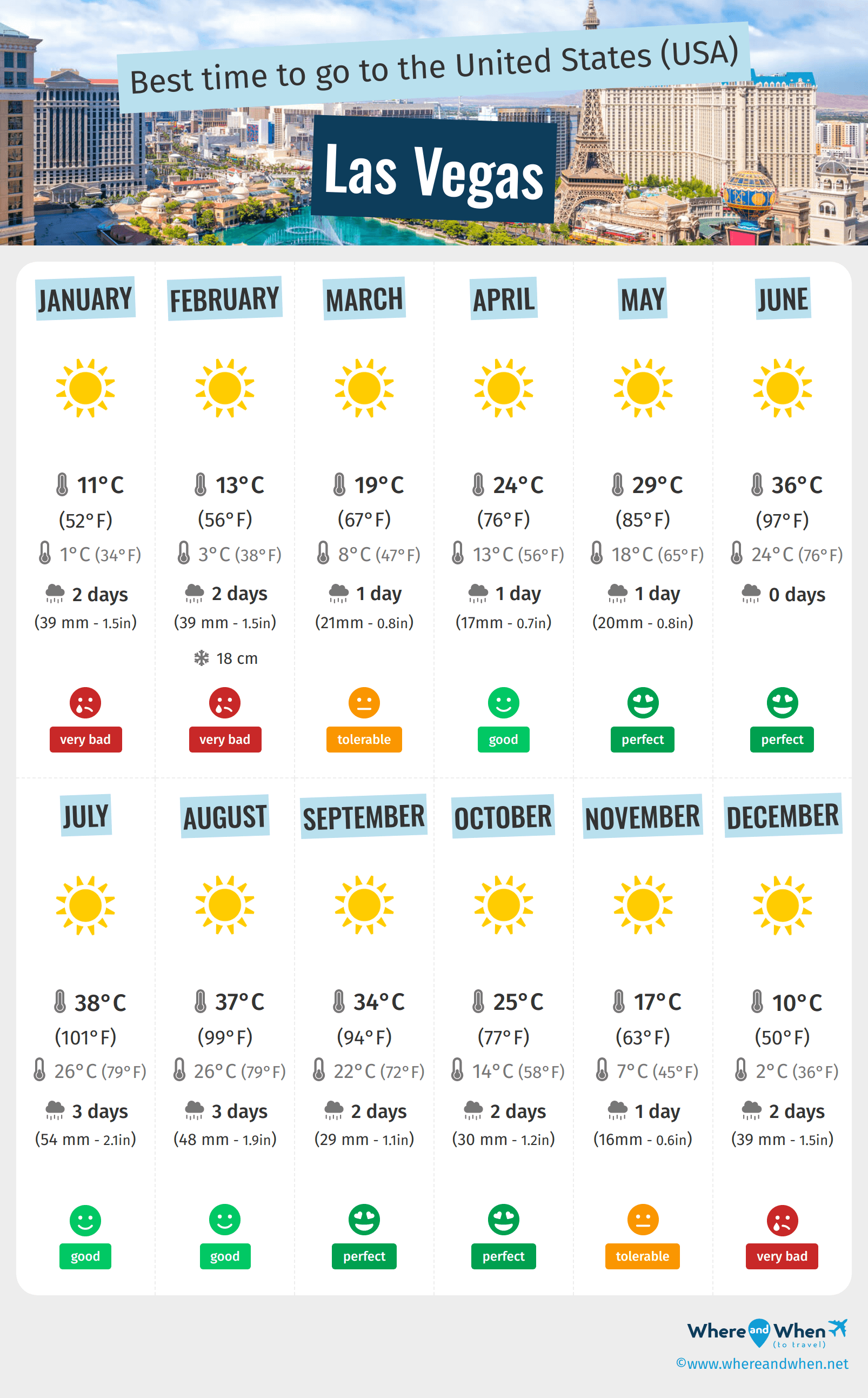
The Desert Climate Unveiled: Understanding Las Vegas Weather Patterns
The climate of Las Vegas is characterized as a subtropical hot desert climate, which means extreme temperatures are common, rainfall is sparse, and humidity remains remarkably low year-round. While the city basks in an average of 300 sunny days per year, the intensity of that sunshine varies significantly with the seasons. Understanding these shifts is key to enjoying all that Las Vegas has to offer, from the glittering Las Vegas Strip to the serene natural landmarks just beyond the city limits.
Scorching Summers: Adapting to the Heat
Summertime in Las Vegas, typically from June through August, is synonymous with intense heat. Daily high temperatures routinely soar above 100°F (38°C), often climbing well into the 110s°F (43°C+). While this might sound daunting, the dry desert air actually makes the heat more manageable than in humid climates, often described as a “dry heat.” However, it’s crucial to acknowledge the intensity and plan accordingly. Nights offer some reprieve, with temperatures dropping into the 70s and 80s°F (20s°C), still warm but comfortable enough for evening outdoor activities. Rainfall during this period is minimal, though occasional monsoonal thunderstorms can bring brief, intense downpours in late summer, usually providing a temporary cooling effect.
Visitors during these months should prioritize hydration, constantly drinking water to combat dehydration. Sunscreen, wide-brimmed hats, and sunglasses are non-negotiable for anyone stepping outside during daylight hours. The primary strategy for summer travel in Las Vegas revolves around staying cool. This means spending ample time indoors, enjoying the vast array of air-conditioned entertainment options. Think world-class shows, expansive casinos like Caesars Palace and The Venetian Resort Las Vegas, indoor shopping malls, and incredible dining experiences.
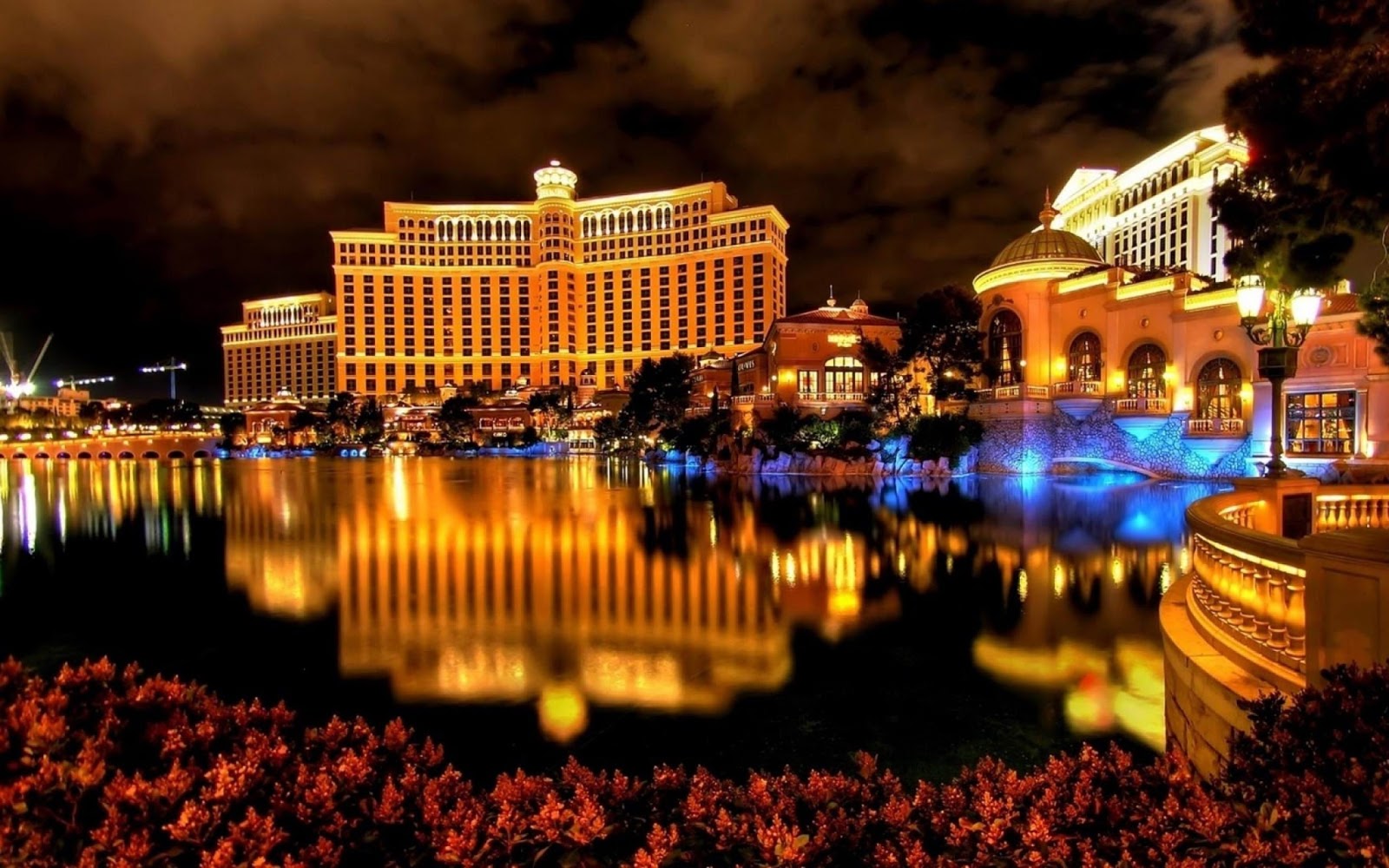
Pool time becomes a central focus of summer visits, with nearly every hotel boasting elaborate pool complexes. Iconic spots like Mandalay Bay Beach with its wave pool and lazy river, or the stylish rooftop pools at The Cosmopolitan of Las Vegas, become essential havens. Evening activities truly come alive as the sun sets and temperatures drop, making it the perfect time to explore outdoor attractions like the Fremont Street Experience in Downtown Las Vegas or the vibrant Neon Museum. Indoor spectacles such as AREA15 or the stunning Bellagio Conservatory & Botanical Garden offer cool, immersive escapes from the heat.
Mild Winters: Ideal for Exploration
In stark contrast to its fiery summers, Las Vegas winters, spanning from December through February, are remarkably mild and pleasant. Daytime temperatures typically range from the mid-50s to low 60s°F (10-18°C), providing an ideal environment for those who prefer cooler weather for exploration. While days are often sunny and comfortable, nights can become quite chilly, with temperatures regularly dropping into the 30s and 40s°F (0-10°C), sometimes even dipping below freezing. Snow is a rare occurrence in the city itself, though the nearby Spring Mountains and Mount Charleston often receive significant snowfall, creating a picturesque backdrop.
Winter is arguably the best season for outdoor enthusiasts visiting Las Vegas. The cooler temperatures make hiking, biking, and sightseeing in the surrounding natural beauty not just bearable but highly enjoyable. Day trips to Red Rock Canyon National Conservation Area or Valley of Fire State Park are fantastic options, offering breathtaking desert landscapes without the oppressive summer heat. Hoover Dam and Lake Mead also become more accessible and pleasant to visit. Golf courses thrive in the winter sun, attracting players from colder climates.
Packing for a winter trip to Las Vegas requires layers. While you might be comfortable in a light jacket during the day, a warmer coat, sweaters, and even gloves or a hat will be appreciated for evening outings or early morning excursions. Many resorts feature heated pools, allowing guests to still enjoy a swim, though outdoor pool parties might be less frequent. The winter months also coincide with holiday festivities, turning the city into a festive wonderland with special shows and decorations. This season offers a different kind of vibrancy, focusing more on comfortable outdoor exploration and cozy indoor entertainment.
Pleasant Springs and Autumns: The Shoulder Seasons
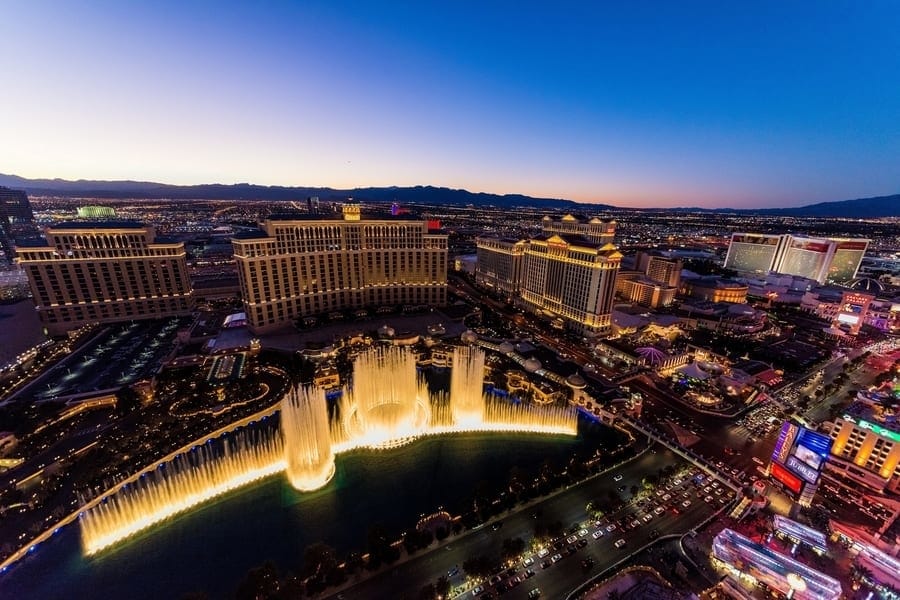
The shoulder seasons of spring (March to May) and autumn (September to November) are often considered the sweet spot for visiting Las Vegas. These months strike a perfect balance, offering abundant sunshine with much more moderate temperatures, making them ideal for a wide range of activities both indoors and outdoors.
Spring brings gradually warming temperatures, with daytime highs typically ranging from the 70s to 90s°F (21-32°C). Nights remain pleasantly cool, usually in the 50s and 60s°F (10-20°C). The desert flora comes to life during this time, with bursts of wildflowers painting the landscape in vibrant hues. Autumn mirrors spring’s pleasant conditions, with temperatures gradually cooling from the 90s°F in September down to the 60s and 70s°F by November. Nighttime temperatures also become progressively cooler. Both seasons boast very low humidity and minimal rainfall, ensuring mostly clear, sunny skies.
During spring and autumn, nearly every type of Las Vegas experience is on the table. It’s the perfect time for long strolls along the Las Vegas Strip, exploring diverse restaurants with outdoor patio dining, or enjoying the many open-air attractions. Day trips to larger landmarks like the Grand Canyon become much more comfortable, avoiding both extreme heat and potential winter road closures. Outdoor concerts, festivals, and sporting events at venues like Allegiant Stadium or T-Mobile Arena are popular during these periods.
Packing for spring and autumn is relatively straightforward: light clothing for daytime, with a jacket or sweater for cooler evenings. Sun protection remains important. These transitional seasons offer the most versatility for planning your itinerary, allowing visitors to seamlessly blend indoor entertainment with outdoor adventures. Because of their desirability, these shoulder seasons can also be peak times for tourism, so it’s wise to consider booking accommodation and flights well in advance.
Seasonal Impact on Las Vegas Activities and Accommodations
The seasonal weather fluctuations in Las Vegas aren’t just about temperature; they profoundly influence the type of experiences available and the considerations for choosing where to stay. A well-planned trip accounts for these impacts to ensure maximum enjoyment and comfort.
Planning Your Itinerary: What to Do When
Summer (June-August): When temperatures soar, the focus shifts predominantly to indoor and aquatic activities. Pool parties are the undisputed kings of summer, with every major resort vying for attention with elaborate poolscapes and DJ-fueled events. Dayclubs and nightclubs offer refreshing escapes, as do the countless air-conditioned casinos, restaurants, and world-class shows. The key is to schedule outdoor excursions for early mornings or after sunset. Walking the Strip during midday is generally ill-advised. Instead, consider hopping on the monorail or using rideshares to move between destinations. Indoor attractions like the Mob Museum, the Eiffel Tower observation deck at Paris Las Vegas, or the various VR experiences and interactive exhibits provide cool entertainment.
Winter (December-February): The cooler temperatures make winter ideal for outdoor exploration. This is the perfect time for scenic drives and hikes in nearby national conservation areas like Red Rock Canyon National Conservation Area. Golfing becomes a premier activity, as courses are in excellent condition without the oppressive heat. Winter also offers a prime opportunity to leisurely explore Downtown Las Vegas and the Fremont Street Experience on foot, taking in the vibrant street art and unique local culture. While some outdoor pools may close or offer limited hours, many resorts maintain heated pools or indoor aquatic facilities. Evenings are perfect for enjoying gourmet dining, intimate lounges, and the diverse calendar of Broadway shows, concerts, and sporting events.
Spring (March-May) & Autumn (September-November): These shoulder seasons offer the most flexibility, allowing visitors to enjoy the best of both worlds. It’s the perfect time for day trips to more distant natural wonders like the Grand Canyon or Zion National Park, where the weather is also typically pleasant. Walking the Las Vegas Strip, enjoying outdoor patios, and taking scenic drives are all highly recommended. Pool parties begin to ramp up in spring and extend well into autumn, offering a lively atmosphere without the scorching intensity of mid-summer. These seasons also tend to host numerous festivals and special events, leveraging the comfortable climate. Whether you prefer thrill rides at The Strat Hotel, Casino & Skypod, a gondola ride at The Venetian Resort Las Vegas, or exploring the vibrant arts district, spring and autumn provide the optimal conditions.
Accommodation Choices and Weather Considerations
Your choice of hotel or resort can be significantly influenced by the prevailing weather. Beyond mere availability and price, considering how accommodation caters to seasonal conditions is crucial for comfort and enjoyment.
Summer Accommodation: During the intensely hot summer, a resort with an exceptional pool complex is paramount. Look for properties boasting multiple pools, shaded areas, cabana rentals, and excellent poolside service. Resorts like Mandalay Bay, Park MGM, ARIA Resort & Casino, and Wynn Las Vegas (and Encore at Wynn Las Vegas) are known for their expansive and luxurious aquatic offerings. Proximity to indoor attractions, connected walkways, and reliable air conditioning in your suite are also vital. For those sensitive to heat, staying in a hotel that minimizes outdoor exposure between amenities can make a huge difference.
Winter Accommodation: While a pool is still a nice-to-have, its importance diminishes slightly in winter. Instead, focus on hotels with excellent indoor amenities like spas, diverse dining options, and easy access to shows and casinos. Many resorts will have heated pools, allowing for year-round swimming. Location might also be a bigger factor if you plan on walking more, so staying centrally on the Strip or in Downtown Las Vegas for Fremont Street access can be beneficial. Consider hotels that feel cozy and offer a warm ambiance, perhaps with excellent views that you can enjoy from indoors.
Spring and Autumn Accommodation: These seasons allow for greater flexibility in accommodation choice. All resorts are generally operating at full capacity, with pools open and comfortable for enjoyment. Your decision might hinge more on desired style (e.g., luxury, boutique, family-friendly), specific amenities (spa, specific restaurants), or budget rather than solely on weather-driven needs. However, as these are popular times for travel, advance booking is highly recommended, especially for preferred suites or popular resorts like The Mirage, Treasure Island, or New York-New York.
Essential Tips for Thriving in Any Las Vegas Weather
Regardless of when you choose to visit, a few universal tips can significantly enhance your comfort and overall Las Vegas experience. Preparing adequately for the unique desert environment is key to a smooth and enjoyable trip.
Packing Smart for the Desert Climate
Understanding the extreme temperature swings is crucial for efficient packing.
- Summer: Focus on lightweight, breathable fabrics like cotton or linen. Loose-fitting clothing in light colors will reflect the sun and keep you cooler. Swimwear is essential, as is a good quality pair of sunglasses, a wide-brimmed hat, and high SPF sunscreen. Sandals are perfect for poolside, but comfortable walking shoes are still a must for indoor exploration, as resorts are vast.
- Winter: Layers are your best friend. Pack sweaters, long-sleeved shirts, and a medium-weight jacket or coat for evenings. While days can be sunny, a light jacket might still be needed. Comfortable walking shoes are a must, and for chilly nights, you might even consider a scarf or light gloves, especially if attending outdoor events like the Fremont Street Experience.
- Spring/Autumn: A versatile wardrobe with items that can be layered is ideal. T-shirts and shorts or light trousers are suitable for daytime, while a light jacket or cardigan will be needed for cooler evenings. Sun protection (hat, sunglasses, sunscreen) remains important. Comfortable walking shoes are always paramount, given the sheer amount of walking involved in exploring Las Vegas. Even if you plan on taking taxis or ride-shares, you’ll still cover considerable distances within resorts.
Hydration and Health in the Dry Heat
The low humidity of the desert means that your body loses moisture more rapidly than you might realize. Dehydration can creep up quickly, especially in summer.
- Stay Hydrated: Drink plenty of water throughout the day, even if you don’t feel particularly thirsty. Carry a reusable water bottle and refill it frequently. Many resorts offer water stations, and purchasing bottled water in bulk can be a cost-effective strategy. Limit excessive alcohol and sugary drinks, as they can contribute to dehydration.
- Protect Your Skin: The intense Nevada sun is strong year-round. Apply sunscreen regularly, even on cloudy days or during winter. Lip balm with SPF is also highly recommended to prevent chapped lips. Moisturizer for your skin can help combat the dryness.
- Recognize Symptoms: Be aware of the signs of heat exhaustion or heatstroke, which include dizziness, nausea, headache, excessive sweating (or lack thereof in extreme cases), and confusion. If you or someone you’re with experiences these symptoms, seek shade, hydrate immediately, and if symptoms persist or worsen, seek medical attention. The indoor, air-conditioned environments of Las Vegas can sometimes mask the impact of the outdoor heat, making it even more important to be vigilant.
Maximizing Your Las Vegas Experience, Rain or Shine
Las Vegas is designed to be a year-round destination, offering a multitude of experiences regardless of the weather.
- Flexibility is Key: While it’s good to have a plan, be prepared to adjust your itinerary based on the daily forecast. If an unexpected heatwave hits in spring, prioritize indoor activities. If a rare winter shower occurs, it’s a perfect excuse to explore an art gallery or catch a matinee show.
- Utilize Indoor Havens: The beauty of Las Vegas lies in its self-contained resorts. Many properties like Luxor, Excalibur, and MGM Grand are interconnected, allowing you to walk between them indoors, escaping extreme temperatures. Explore world-class spas, comprehensive shopping centers, and diverse culinary options regardless of the weather outside.
- Check Forecasts Regularly: Before and during your trip, keep an eye on the weather forecast. This will help you make last-minute adjustments to your packing and daily plans. Websites and apps offer detailed hourly and daily forecasts for Las Vegas, ensuring you’re always prepared.
- Consider Pricing: Accommodation and flight prices can fluctuate significantly with the seasons. While summer is hot, it can sometimes offer better deals on hotels due to lower demand for outdoor activities (though weekend tourism remains high). Winter is popular but can also be more affordable than the shoulder seasons of spring and autumn, which often command peak prices. Aligning your budget travel or luxury travel expectations with seasonal pricing trends can optimize your booking strategy.
In conclusion, the weather in Las Vegas, Nevada, is as dynamic and captivating as the city itself. While it presents distinct challenges, particularly the intense summer heat, it also offers beautiful, mild periods that are perfect for outdoor adventures. By understanding the seasonal variations and arming yourself with practical tips for smart packing, hydration, and flexible planning, you can ensure a comfortable and unforgettable journey. Whether you’re chasing the sun by the pool or exploring scenic desert landmarks, Las Vegas truly is a year-round destination, ready to dazzle you in any weather. Prepare well, and let the magic of the Mojave Desert enchant you.
LifeOutOfTheBox is a participant in the Amazon Services LLC Associates Program, an affiliate advertising program designed to provide a means for sites to earn advertising fees by advertising and linking to Amazon.com. Amazon, the Amazon logo, AmazonSupply, and the AmazonSupply logo are trademarks of Amazon.com, Inc. or its affiliates. As an Amazon Associate we earn affiliate commissions from qualifying purchases.