
The story of the Brooklyn Dodgers and their historic relocation to Los Angeles is more than just a chapter in baseball history; it’s a saga that intertwines urban development, cultural identity, and the evolving landscape of American travel and leisure. For many, the idea of the Dodgers playing anywhere but Los Angeles is unfathomable, yet their roots run deep in the vibrant borough of Brooklyn, New York. The monumental shift occurred in 1958, marking a definitive end to an era and the dawn of a new one for both the team and the burgeoning West Coast metropolis. This move not only reshaped Major League Baseball but also had a profound impact on the tourism, landmarks, and lifestyle of Los Angeles, transforming it into a major sports destination.
Understanding why and how this relocation happened offers a fascinating glimpse into mid-20th-century America. It’s a narrative filled with ambition, political maneuvering, and a heartbreaking departure that still resonates with generations of fans. From the passionate crowds of Ebbets Field to the sun-drenched hills of Chavez Ravine, the Dodgers’ journey is a testament to the dynamic forces that shape our cities and our cherished institutions. For travelers exploring the historical facets of American culture or planning a trip to Los Angeles, appreciating this backstory enriches the experience of visiting iconic sites like Dodger Stadium and understanding the city’s unique identity.
A Tale of Two Cities: The Dodgers’ Brooklyn Roots
The Dodgers’ origins are inextricably linked to Brooklyn, a borough renowned for its distinct character and fervent loyalty. For over half a century, the team was the heart and soul of this community, embodying its gritty spirit and diverse population.
Ebbets Field and the Golden Age of Brooklyn Baseball
Before their move, the Dodgers were a fundamental part of Brooklyn’s identity, playing their home games at the legendary Ebbets Field. Opened in 1913, this intimate ballpark was more than just a venue for baseball; it was a cathedral of dreams and a vibrant social hub where generations gathered. The atmosphere at Ebbets Field was legendary, known for its passionate, vocal fans affectionately dubbed “Dem Bums.” The team was a source of immense pride, particularly during their celebrated “Boys of Summer” era in the 1940s and 50s, featuring iconic players like Jackie Robinson, Pee Wee Reese, and Duke Snider. The 1955 World Series victory against their crosstown rivals, the New York Yankees, remains a cherished memory, finally bringing a championship home after years of near misses.
For tourists interested in historical landmarks and the cultural tapestry of New York City, the ghost of Ebbets Field still looms large in Brooklyn folklore. While the stadium itself was demolished in 1960 and replaced by an apartment complex, the site in the Flatbush neighborhood remains a pilgrimage for many baseball purists. Exploring Brooklyn today offers a rich dive into this history, from walking tours that trace the team’s past to local eateries that celebrate the borough’s enduring spirit. Understanding this deep-rooted connection helps to grasp the sheer magnitude of the team’s departure.
The Looming Crisis: Stadium Dreams and Urban Realities
Despite their success and popularity, the Brooklyn Dodgers faced significant challenges that ultimately led to their departure. The primary issue revolved around Ebbets Field itself. While beloved, it was an aging facility, increasingly unable to meet the demands of modern professional baseball. It lacked sufficient parking, suffered from deteriorating infrastructure, and offered limited revenue streams compared to newer venues envisioned by team owner Walter O’Malley.
O’Malley, a visionary businessman, recognized the need for a state-of-the-art stadium that could accommodate more fans, provide better amenities, and generate higher profits. He proposed building a new, privately funded domed stadium at Atlantic Yards in Brooklyn, a location with excellent public transportation access. However, his plans were repeatedly thwarted by the powerful New York City Parks Commissioner, Robert Moses. Moses, a master builder who reshaped much of New York’s infrastructure, insisted that any new stadium be built on city-owned land in Flushing Meadows, Queens – a site O’Malley found unacceptable due to its distance from the Dodgers’ core fanbase and inadequate transportation. The political impasse became a deadlock, leaving O’Malley frustrated and increasingly open to other options. This struggle highlighted the urban planning challenges of the era, where historical sentiment often clashed with economic realities and ambitious redevelopment plans.
The Lure of the West: Los Angeles Beckons
As the situation in Brooklyn deteriorated, Walter O’Malley began to look westward, where a booming metropolis was eager for a taste of major league sports.
California Dreaming: A New Frontier for Major League Baseball
In the post-World War II era, Los Angeles was experiencing unprecedented growth. Its population was surging, fueled by returning veterans, a booming aerospace industry, and the promise of the California lifestyle. Despite its size and economic power, Los Angeles lacked a major league professional sports team, a glaring void for a city positioning itself on the world stage. City officials, led by Mayor Norris Poulson, actively courted O’Malley, offering him incentives that the City of New York would not.
The idea of bringing professional baseball to the West Coast was not only attractive to Los Angeles but also intrigued other team owners, who saw the potential for a massive new market. O’Malley was instrumental in convincing his National League counterpart, Horace Stoneham, owner of the New York Giants, to also relocate to California, setting up an instant and enduring rivalry in their new homes. The Giants moved to San Francisco the same year, making the transcontinental shift a dual migration that forever changed the geography of American professional sports. This period represents a significant chapter in American travel and migration, with the allure of California drawing millions, including professional sports franchises, to its shores.
The Deal for Chavez Ravine: A Controversial Relocation
The linchpin of the deal that brought the Dodgers to Los Angeles was the acquisition of land in Chavez Ravine. The City of Los Angeles offered O’Malley 300 acres of land in Chavez Ravine in exchange for the team’s Pasadena ball park, Wrigley Field, and a commitment to build a new stadium. This land, a hilly, semi-rural area just north of Downtown Los Angeles, had a complex history. For decades, it had been home to a tight-knit community, primarily Mexican-American families, whose homes were originally slated for a public housing project that never materialized.
The city had acquired the land through eminent domain for the housing project, and when those plans fell through, the land was offered to O’Malley. This transaction, approved by a citywide referendum, sparked immense controversy. The displacement of residents, some of whom had lived in the ravine for generations, for a private sports enterprise remains a contentious issue in Los Angeles history. It highlights the often-stark realities of urban development and the sacrifice of communities in the name of progress and economic growth. For travelers interested in social history and urban planning, the story of Chavez Ravine offers a poignant layer to the experience of visiting Dodger Stadium today.
The Official Move and Its Immediate Aftermath (1958)
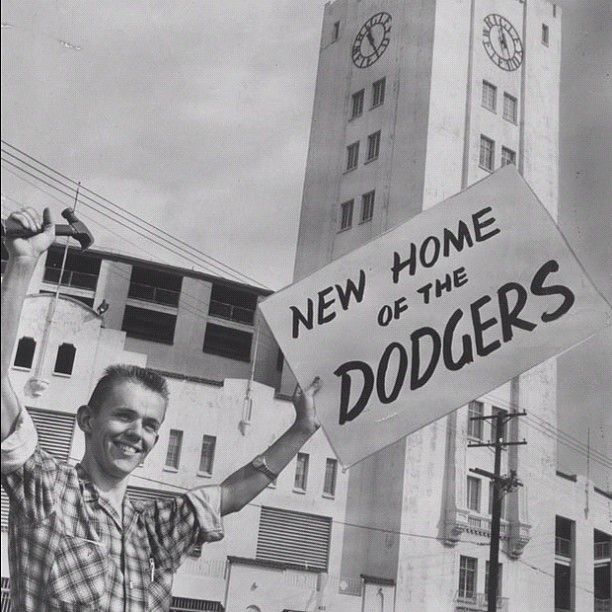
The official announcement came in October 1957, confirming that the Brooklyn Dodgers would play their 1958 season as the Los Angeles Dodgers. This news sent shockwaves through Brooklyn, leaving a lingering sense of betrayal that persisted for decades.
From Brooklyn to Los Angeles: The Inaugural Season
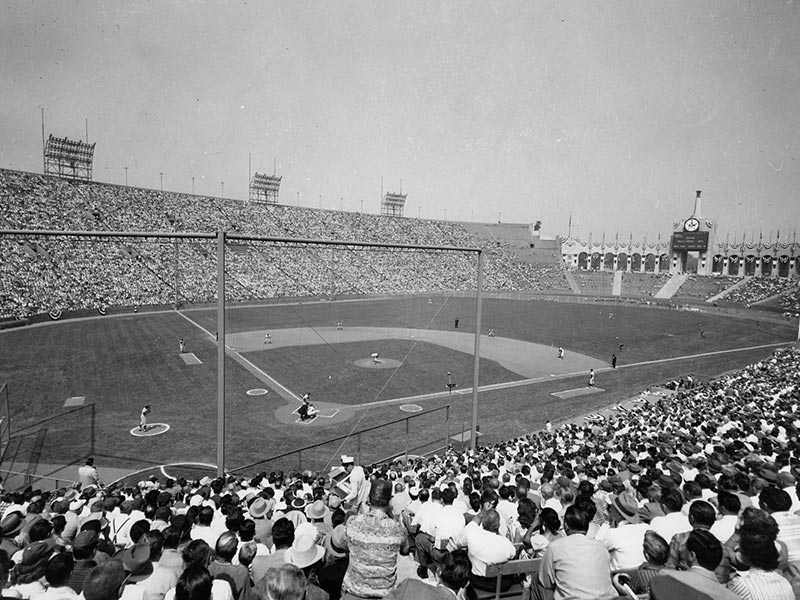
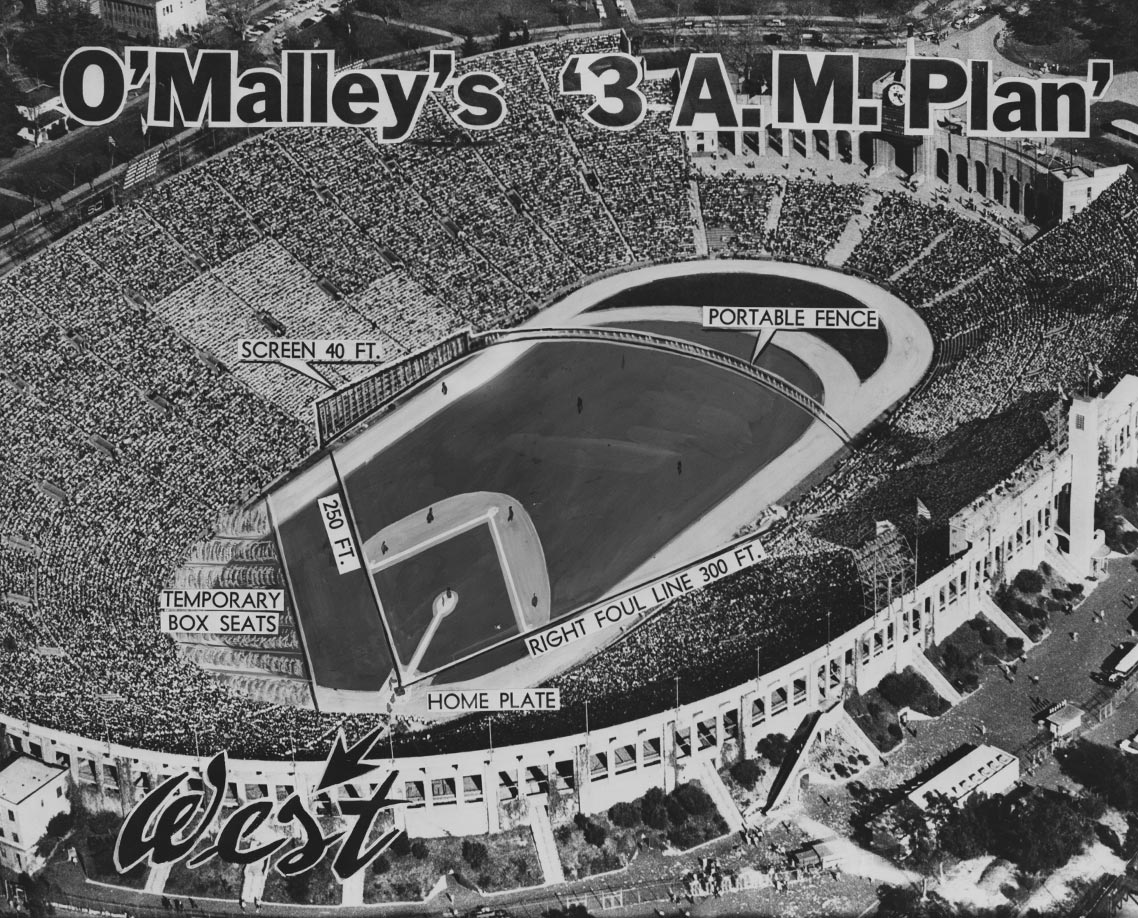
The 1958 season saw the Dodgers begin their new life in Los Angeles. Without a purpose-built stadium ready, they played their home games at the immense Los Angeles Memorial Coliseum, a multi-purpose Olympic venue. Adapting a football stadium for baseball presented unique challenges, including an unusually short left field line that led to many “Chinese home runs” (short fly balls that barely cleared the fence). Despite the temporary conditions and a losing record in their inaugural L.A. season, the Dodgers were met with enthusiasm. Opening day drew over 78,000 fans, a clear indication of Los Angeles’s hunger for major league baseball.
The transition for the players, many of whom had deep roots in Brooklyn, was also significant. They swapped the bustling, dense urban environment of New York for the sprawling, car-centric landscape of Southern California. This move symbolized a broader shift in American lifestyle and demographics, from established East Coast cities to the burgeoning West.
Building an Icon: The Birth of Dodger Stadium
The true legacy of the move began to take shape with the construction of Dodger Stadium. Designed by Praeger-Kavanagh-Waterbury with influence from Walter O’Malley himself, the stadium opened its gates in 1962. Carved into the hills of Chavez Ravine, it was an architectural marvel for its time, featuring a distinctive terraced parking lot system, vibrant pastel seating, and breathtaking views of downtown Los Angeles to the south and the San Gabriel Mountains to the north.
Dodger Stadium quickly established itself as one of baseball’s most beautiful and iconic ballparks. Its mid-century modern aesthetic, spacious concourses, and excellent sightlines set a new standard for sports venues. It became an instant landmark, not just for sports enthusiasts but for anyone interested in the city’s architectural heritage. For visitors to Los Angeles, a trip to Dodger Stadium offers a chance to experience a piece of living history and appreciate its unique design, making it a compelling attraction beyond just game days.
The Legacy of the Dodgers’ Move: Travel, Culture, and Urban Impact
The relocation of the Dodgers from Brooklyn to Los Angeles had far-reaching consequences that continue to shape the cultural and urban fabric of Southern California.
Shaping Los Angeles: A City Transformed by Sport
The arrival of the Dodgers played a crucial role in cementing Los Angeles’ status as a major league city. Alongside the concurrent arrival of the Lakers (from Minneapolis), the Dodgers helped elevate L.A.’s profile on the national stage, establishing a vibrant sports culture where none had existed at this level before. The team quickly built a loyal fan base, reflecting the diverse demographics of Los Angeles, particularly within its large Hispanic community.
The Dodgers’ success on the field in L.A.—winning World Series titles in 1959, 1963, 1965, 1981, 1988, and 2020—further endeared them to the city and helped forge a new Los Angeles identity. Baseball became intertwined with the California lifestyle, offering a relaxed yet passionate atmosphere for a day out. This transformation is a prime example of how major sports franchises can profoundly influence a city’s lifestyle and cultural landscape, creating new traditions and rallying points for its residents.
Dodger Stadium: A Must-Visit for Sports Fans and Travelers
Today, Dodger Stadium stands as a testament to this history and remains a premier travel destination for sports fans and curious visitors alike. Its classic design and stunning panoramic views make it a unique ballpark experience. Attending a game is an immersive cultural event, complete with quintessential Dodger Dogs, a vibrant crowd, and a palpable sense of history. Beyond game days, the stadium offers tours that delve into its rich past, providing behind-the-scenes access to the dugout, press box, and trophy room.
For those planning their Los Angeles itinerary, Dodger Stadium is not just a sports venue; it’s a landmark representing a significant turning point in the city’s development. Its location, nestled in the hills, means it’s relatively close to other major attractions. Travelers can combine a game or stadium tour with a visit to Griffith Observatory for incredible city views, explore the diverse culinary scene of Echo Park, or delve into the art and culture of nearby Downtown Los Angeles.
Planning Your L.A. Sports Getaway: Where to Stay and What to Do
Visiting Los Angeles to experience Dodger Stadium and the city’s vibrant sports culture is an excellent travel choice, offering a blend of history, entertainment, and the quintessential California lifestyle. When planning your trip, consider a range of accommodation options that suit various preferences and budgets.
For those seeking luxury and convenience, hotels in Downtown Los Angeles or Hollywood provide easy access to the stadium via public transport or rideshares. Options like The Millennium Biltmore Hotel Los Angeles or Hotel Figueroa in Downtown LA offer historic charm and modern amenities. If you prefer a more boutique experience, areas like Silver Lake or Echo Park, close to the stadium, have stylish independent hotels and vacation rentals that immerse you in local culture. For family trips or longer stays, fully equipped apartments or spacious villas in neighborhoods like Pasadena (just a short drive from the stadium) can provide comfortable accommodation. Resorts in West Hollywood or along the coast offer a more indulgent lifestyle experience, combining game day excitement with upscale amenities and relaxation.
Beyond the game, Los Angeles offers an endless array of attractions. Explore the iconic Hollywood Walk of Fame and Universal Studios Hollywood for cinematic magic. Discover world-class museums like the Getty Center or the Los Angeles County Museum of Art (LACMA). Embrace the outdoors with a hike to the Hollywood Sign or a day at Santa Monica Pier and Venice Beach. Dining in Los Angeles is an adventure in itself, ranging from gourmet restaurants to vibrant food trucks offering diverse cuisines reflecting the city’s multicultural population. For those interested in local culture, exploring distinct neighborhoods like Little Tokyo, Chinatown, or Koreatown offers authentic experiences and culinary delights. Whether you’re planning a budget travel adventure or a luxury travel escape, Los Angeles provides a wealth of experiences, with Dodger Stadium serving as a historical and contemporary focal point.
In conclusion, the Dodgers officially moved to Los Angeles in 1958, initiating a profound transformation for both the franchise and the city. What began as a contentious relocation evolved into a legendary partnership, embedding the Dodgers deeply into the fabric of Los Angeles. This historical journey offers a compelling narrative for anyone interested in American sports, urban development, and the vibrant tapestry of travel and tourism experiences that define Southern California today. Visiting Dodger Stadium is not just about catching a game; it’s about connecting with a pivotal moment in history, experiencing a unique L.A. landmark, and immersing oneself in the enduring legacy of one of baseball’s most iconic teams.
LifeOutOfTheBox is a participant in the Amazon Services LLC Associates Program, an affiliate advertising program designed to provide a means for sites to earn advertising fees by advertising and linking to Amazon.com. Amazon, the Amazon logo, AmazonSupply, and the AmazonSupply logo are trademarks of Amazon.com, Inc. or its affiliates. As an Amazon Associate we earn affiliate commissions from qualifying purchases.